
Scandinavia evokes images of glassy fjords, sleek architecture, endless summer light, and cozy winter nights, but it also has a reputation as one of the world’s most expensive regions. The good news is that exploring the beauty of Norway, Sweden, and Denmark does not need to empty your savings. With the right planning, awareness of local habits, and a few smart choices, you can discover Nordic cities, stunning coastal landscapes, and traditional culture without breaking the bank.
- Book affordable lodging: hostels, hytter, couchsurfing, or budget hotel chains to save on accommodation and use shared kitchens.
- Cook or buy from supermarkets, street food markets, and enjoy fika and lunch specials to reduce dining costs.
- Save on transport with rail passes, budget airlines and buses, overnight trains or ferries, and city public transport or cycling.
- Favor free nature and cultural attractions such as hiking fjords, city parks, sculpture parks, and free museum days.
- Use travel cards and apps, bring a reusable bottle, travel shoulder seasons, and respect local etiquette to save and blend in.
In this guide, you will learn how to travel through Scandinavia affordably. From transportation hacks and cheap dining ideas to accommodation strategies and budget friendly sightseeing tips, this article provides everything you need to make your northern adventure both memorable and financially manageable.

Understanding the True Cost of Traveling Scandinavia
It is important to set realistic expectations before diving into your budget plans. Scandinavia consistently ranks among Europe’s priciest regions, largely due to high living standards, strong currencies, and a focus on sustainability. However, travelers who know how the system works can often experience top attractions for a fraction of the typical price.
Daily expenses vary between countries, but on average:
- Budget travelers can expect to spend between $60 and $100 per day if staying in hostels and preparing some meals.
- Mid range travelers might spend closer to $150 per day.
While that may seem steep compared to southern Europe, many of the region’s best experiences, like hiking fjords, wandering colorful harbors, and enjoying public parks—are completely free.
When visiting more than one country, remember that Norway generally costs the most, followed by Denmark and Sweden, though rural Sweden and certain Danish islands can be surprisingly affordable.

Accommodation Strategies for Budget Travelers
Finding good yet inexpensive accommodation is perhaps the biggest challenge in Scandinavia, but it is far from impossible. Here are the most effective ways to keep your lodging costs reasonable:
1. Hostels with Personality
Hostels in Scandinavia are known for their cleanliness and creative design. Many offer modern shared kitchens, which can save you a fortune on dining. Look for chain names like Generator or local options such as City Backpackers Hostel in Stockholm, which includes free pasta for guests.
2. Cabin Camping and Hytter
The Scandinavian love for the outdoors means you can find simple yet cozy cabins even in national parks. “Hytter” (small wooden huts) are available throughout Norway and Sweden and often come equipped with beds, electricity, and a small cooking area. Booking them in advance can dramatically reduce your sleeping costs, especially in rural or coastal areas.
3. Couchsurfing and Home Exchanges
Scandinavians are generally open and English fluent, making Couchsurfing a viable and rewarding experience. Some travelers also use home exchange platforms, which allow you to stay in local homes for free while offering your own home elsewhere.
4. Budget Hotels and Chain Options
If you prefer privacy, budget hotel chains like Zleep Hotels in Denmark or Comfort Hotels in Sweden provide inexpensive yet quality stays, often with breakfast buffets that can double as brunch.

Affordable Food and Dining Tips
Eating out in Scandinavia can quickly consume your budget if you are not cautious. However, the region’s dedication to quality ingredients means even affordable meals are fresh and satisfying.
1. Supermarkets Are Your Best Friend
Local grocery stores sell ready to eat meals like smørrebrød (open sandwiches), salads, pasta, or hot dogs at a fraction of restaurant prices. Chains like Rema 1000 in Norway, ICA in Sweden, and Netto in Denmark offer great value.
2. Street Food Markets and Food Halls
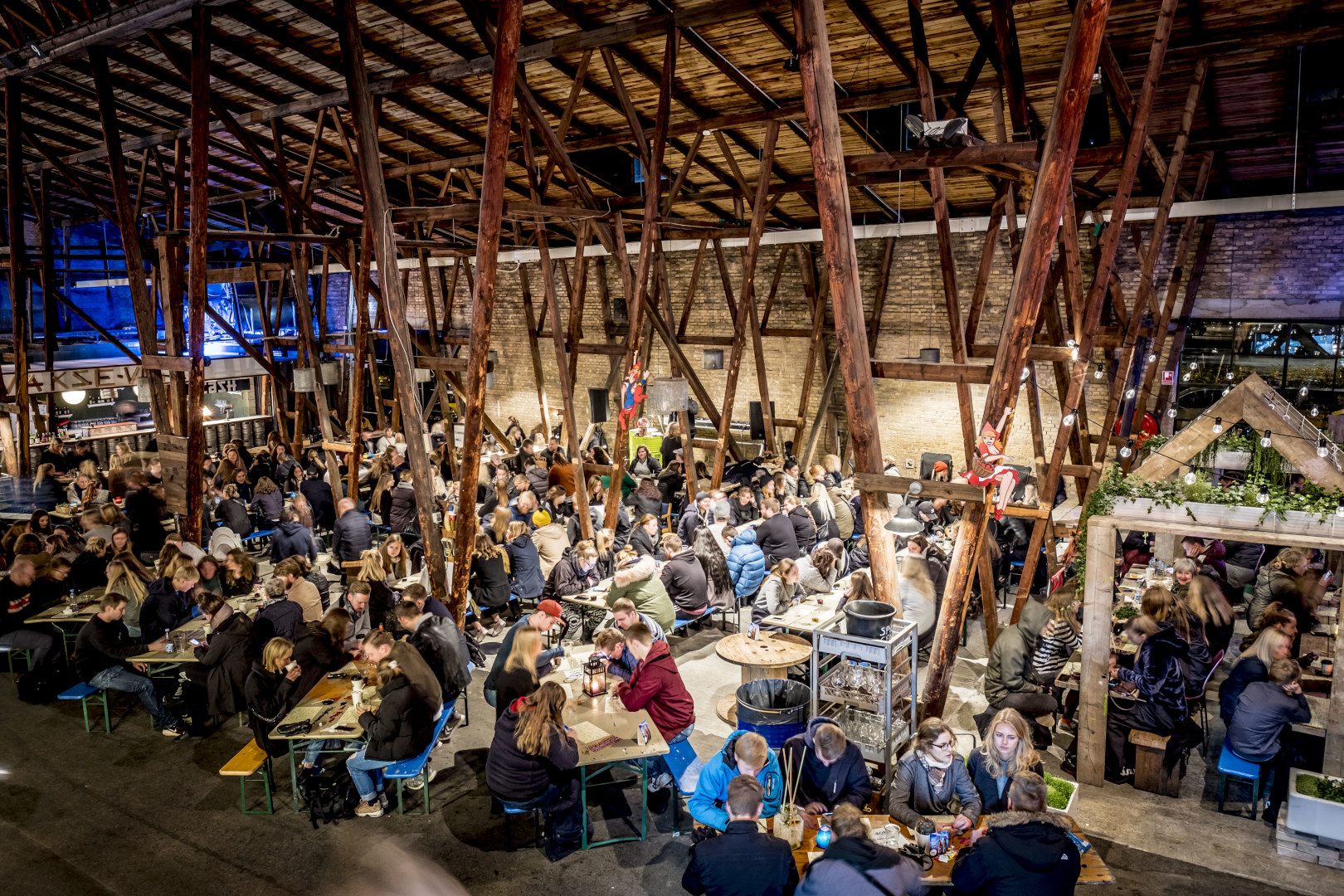
Copenhagen Street Food on Refshaleøen and Mathallen in Oslo provide a culinary experience that feels luxurious without the restaurant prices. You can taste international flavors or local specialties while mingling with locals and other travelers.
3. Make the Most of the “Fika” Culture
In Sweden, “fika” is a beloved coffee break that often includes pastries. Enjoying fika in local bakeries is an affordable way to rest during sightseeing while experiencing an essential Swedish tradition.
4. Take Advantage of Lunch Specials
Many restaurants and cafes offer more affordable prices at lunch than at dinner. Look for “dagens rätt” in Sweden, which usually includes a main dish, salad bar, and coffee for a modest price.
Getting Around Scandinavia on a Budget
Transportation costs can add up quickly in this vast region, but smart planning goes a long way.
1. Use Regional Rail Passes
If you plan to visit multiple countries, consider the Eurail Scandinavian Pass. It allows flexible travel on trains between Denmark, Sweden, Norway, and Finland for a single upfront cost.
2. Budget Airlines and Buses
Norwegian Air and Ryanair frequently offer low cost flights connecting Scandinavian cities. For shorter distances, long distance buses like Flixbus or Nettbuss are often cheaper and comfortable, with free Wi-Fi on board.
3. Embrace Cycling and Public Transport
Urban transport systems in Copenhagen, Stockholm, and Oslo are efficient and eco friendly. Day passes often include buses, trams, and metro lines, which can quickly pay off. Copenhagen in particular is built for cycling, with plenty of rental options and designated bike lanes.
4. Travel Overnight
Taking an overnight train or ferry allows you to combine transportation and accommodation costs. For example, the night ferry between Copenhagen and Oslo or the train between Stockholm and Narvik saves both time and money.

Free or Low Cost Things to Do in Scandinavia
Despite its expensive reputation, Scandinavia rewards travelers who enjoy simplicity, nature, and culture. Many of the region’s highlights are completely free.
1. Embrace the Great Outdoors
Norway’s fjords, Sweden’s lakes, and Denmark’s coastline are all accessible without guided tours. Hiking trails are well marked, and the “Right to Roam” law in Norway and Sweden allows you to camp on public land respectfully.
2. Explore City Parks and Architecture
In Stockholm, visit Djurgården Island for tranquil walks and free views of historic ships. Copenhagen’s King’s Garden and harbor front promenades are ideal for people watching and photography. Oslo’s Vigeland Park showcases more than two hundred sculptures in open air, making it one of Scandinavia’s great free attractions.
3. Visit Free Museums and Cultural Spaces
Many museums have free admission days. For instance, Stockholm’s Moderna Museet offers free access to parts of its exhibitions, while Denmark’s National Gallery in Copenhagen welcomes visitors for free on certain days of the week.
4. Enjoy the Midnight Sun and Northern Lights
If you plan your visit carefully, natural wonders can provide unforgettable experiences at no cost. During summer, regions above the Arctic Circle enjoy 24 hours of daylight, while winter brings the chance to witness the northern lights from parts of Norway, Sweden, and Finland.

Money and Practical Essentials
A few final tips make managing your budget smoother:
- Travel Cards and Apps: Use travel cards like Revolut or Wise to avoid foreign exchange fees. Scandinavian societies are largely cashless, so cards are widely accepted.
- Water and Reusable Bottles: Tap water is of excellent quality. Bring a reusable bottle to avoid buying bottled water.
- Timing Your Trip: Visiting during shoulder seasons, late spring or early autumn, means lower prices and fewer tourists while still enjoying mild weather.
- Local Etiquette: Scandinavians value consideration and order. Respecting recycling systems, quiet public behavior, and clean camping habits will enrich your experience.

Final Thoughts on Budget Travel in Scandinavia
Budget travel in Scandinavia is entirely possible for those who approach the journey with curiosity, flexibility, and a willingness to travel like a local. While you cannot change the region’s high cost of living, you can choose where to spend and where to save, enjoying a balance between comfort and authenticity. Whether it is sipping coffee at a Swedish fika café, kayaking between Norwegian fjords, or cycling beside Copenhagen’s canals, the experiences that define Scandinavia are not measured by cost but by perspective.
With thoughtful planning, this part of the world becomes accessible, rewarding, and inspiring for travelers on any budget.
Further Reading
3 Day Istanbul Itinerary for First Time Visitors
Travel to Somalia; How I Traveled to Mogadishu
Free Family Things to do in Chicago Today
How to Spend Four Days in Hong Kong