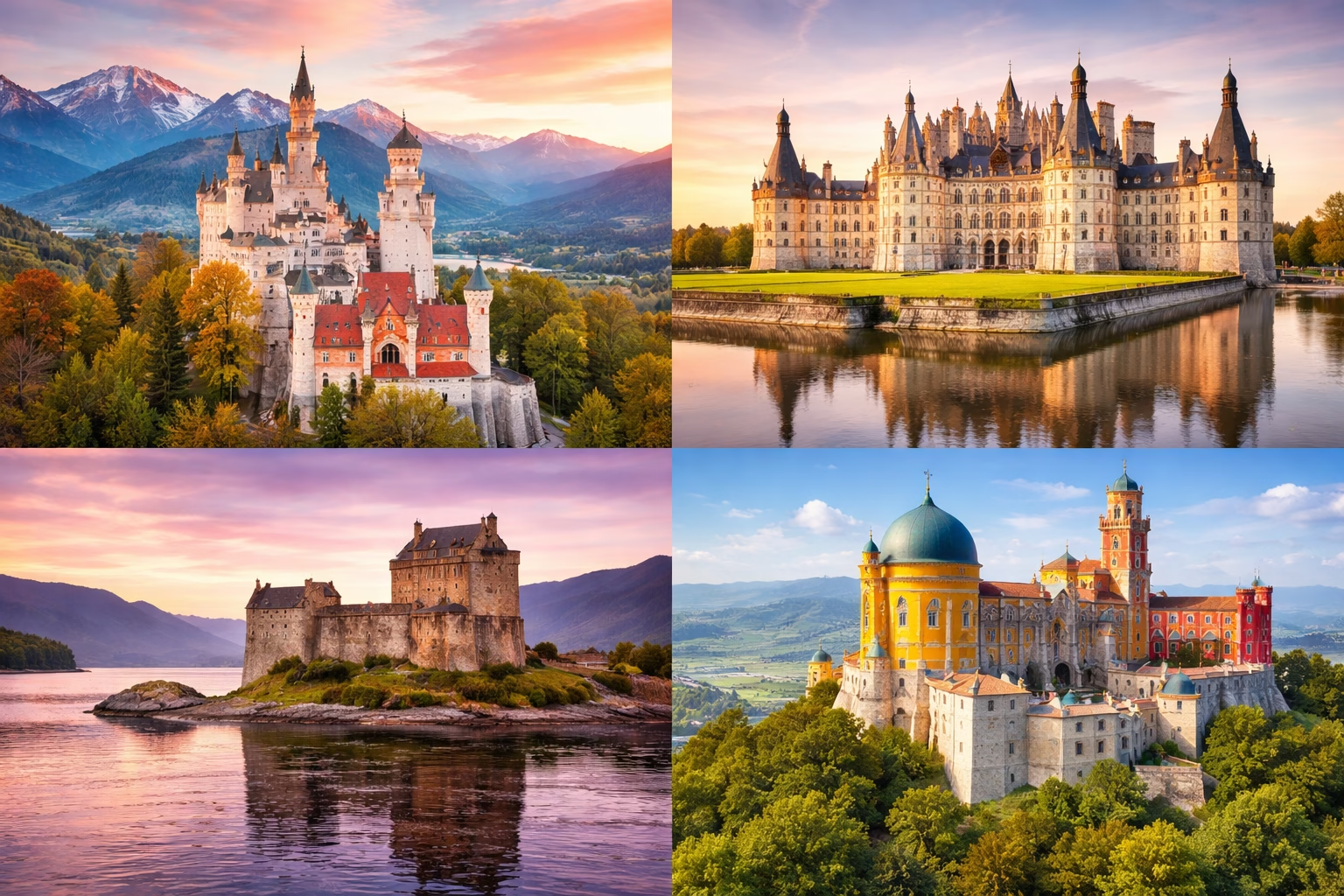
Few travel experiences are as captivating as walking through the courtyard of an ancient European castle. The scent of old stone, the echo of footsteps in grand halls, and the sweeping views from towering battlements spark a sense of magic that no other destination can replicate. Castles are more than architectural marvels; they are tangible links to the past, where legends, royal rivalries, and centuries of craftsmanship intertwine.
This guide explores some of the most spectacular castles across Europe, from the fairytale landscapes of Germany to the rugged coastal fortresses of Scotland and the romantic châteaux of France. Each destination has been chosen for its historical depth, visual appeal, and visitor experience. Whether you are planning a full cultural itinerary or simply searching for the perfect castle day trip, this collection will help you choose where to go and how to make the most of your visit.

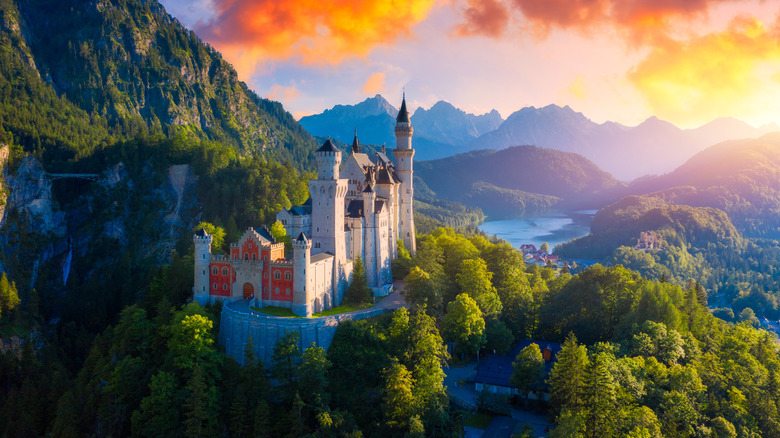
Neuschwanstein Castle, Germany: The Fairytale Come to Life
Perched high in the Bavarian Alps, Neuschwanstein Castle is perhaps the most iconic castle in the world. Built in the late 19th century by King Ludwig II of Bavaria, the castle was intended as a private retreat inspired by operas, myths, and romantic ideals.
Why Visit:
Neuschwanstein has inspired countless works of art and architecture, including the world-famous Disney castle. The setting alone makes it worth the journey, surrounded by alpine lakes and snow-dusted peaks. Visitors are drawn not only by its dreamy spires but also by the story of its visionary, reclusive king.
Travel Tips:
- The nearest town is Füssen, about two hours by train from Munich. From there, a shuttle or horse-drawn carriage will take you to the castle entrance.
- Tickets must be purchased in advance, as daily visitor numbers are limited.
- Combine your visit with a short hike to Marienbrücke, the bridge that offers stunning panoramic views of the castle and valley below.

Château de Chambord, France: Renaissance Grandeur in the Loire Valley
The Loire Valley in central France is home to hundreds of elegant castles, but none capture the imagination quite like Château de Chambord. Designed as a hunting lodge for King Francis I in the early 16th century, it represents the pinnacle of Renaissance architecture and French aristocratic life.
What Makes It Special:
The château’s double-helix staircase, inspired by Leonardo da Vinci, is an engineering masterpiece. From its 440 rooms and 282 fireplaces to its intricate rooftop turrets, everything about Chambord conveys royal magnificence. Despite its luxurious design, it was rarely used as a residence, making it an enchanting time capsule for visitors today.
Related Posts:
Insider Advice:
- Chambord lies about two hours south of Paris by train or car. Visiting as part of a Loire Valley château tour allows you to explore neighboring gems like Chenonceau and Amboise.
- Rent a bicycle to explore the vast parkland surrounding the estate. The grounds are full of deer, wild boar, and tranquil walking trails.
- The best time to visit is spring or early autumn, when the crowds are lighter and the gardens are at their finest.

Edinburgh Castle, Scotland: A Fortress Above the Clouds
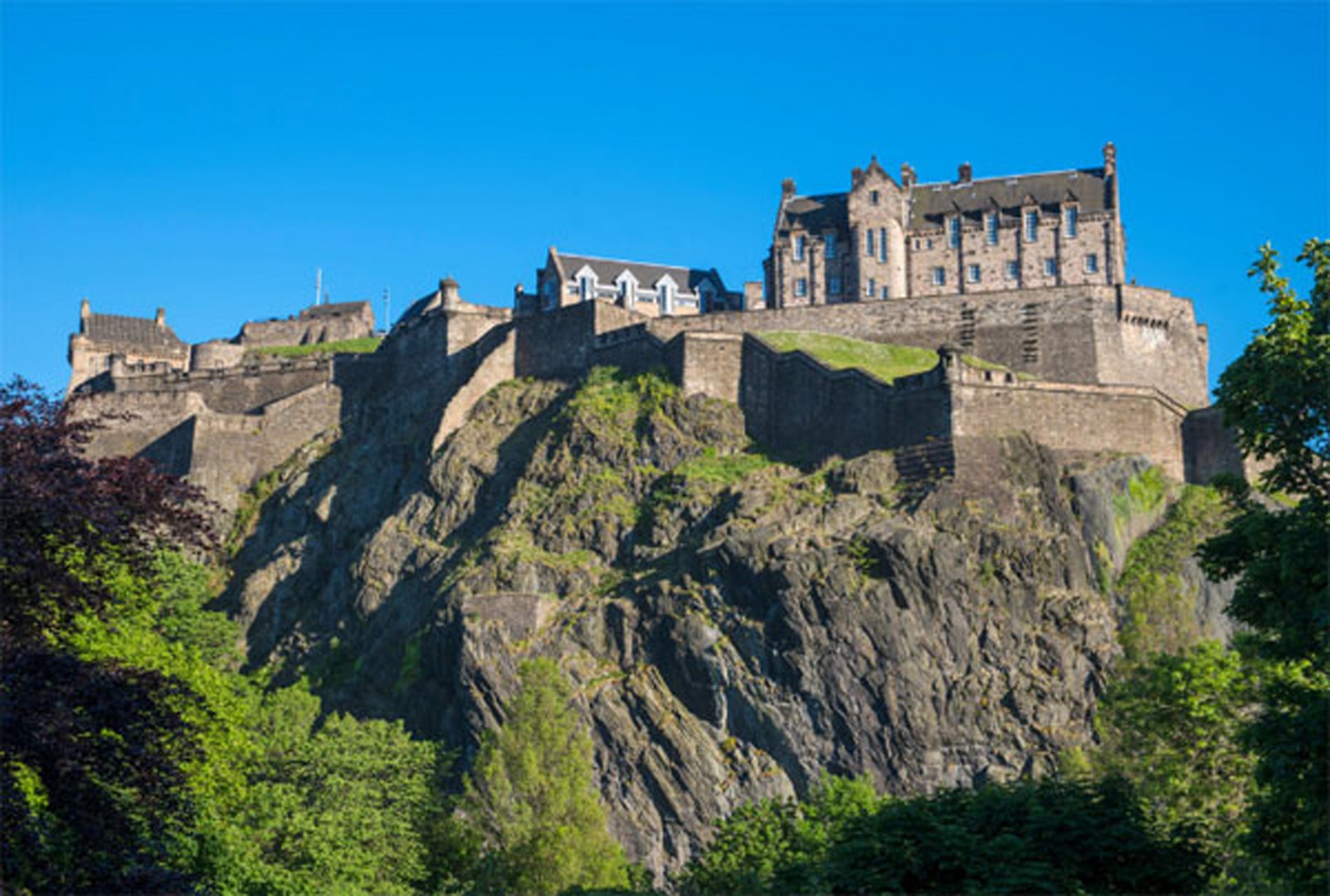
Dominating the skyline of Scotland’s capital, Edinburgh Castle stands on a volcanic rock that has been fortified for nearly a thousand years. It has witnessed sieges, royal births, and the creation of an independent Scottish identity, making it one of the most significant castles in Europe.
What to Experience:
A visit to Edinburgh Castle unfolds like a journey through history. You can walk through the Great Hall, see the dazzling Scottish Crown Jewels, and stand in the room where Mary Queen of Scots gave birth to James VI. The views of the city from the ramparts are among the best in the United Kingdom.
Practical Tips:
- The castle is the heart of the Royal Mile, easily reached on foot from anywhere in central Edinburgh.
- Buy advance tickets online to skip the queues, especially during festival season.
- Time your visit for the firing of the One O’Clock Gun, a tradition dating back to 1861.

Alhambra Palace, Spain: The Moorish Jewel of Andalusia
While not a castle in the traditional sense, the Alhambra in Granada is one of the most breathtaking examples of medieval palace architecture in Europe. Constructed by the Nasrid dynasty in the thirteenth century, it is a glorious blend of Islamic art, geometry, and water gardens.
Highlights of the Visit:
The intricate stucco work, Arabic calligraphy, and symmetrical courtyards evoke centuries of cultural exchange between Moorish and Christian worlds. The Generalife gardens, once a retreat for rulers, remain a serene escape filled with fragrant blossoms and reflective pools.
Visiting Advice:
- Tickets often sell out weeks in advance; reserve early and choose a timed entry slot.
- The best views of Alhambra are from the Mirador de San Nicolás at sunset.
- Granada’s old town offers charming accommodations within walking distance of the site, allowing for early morning access before large tour groups arrive.
Bran Castle, Romania: Mystery in the Carpathian Mountains
For travelers fascinated by legend and lore, Bran Castle in Transylvania offers a thrilling encounter with myth. Often associated with Bram Stoker’s Dracula, the fortress dates back to the fourteenth century and guards a steep pass between Transylvania and Wallachia.
Why It Captures the Imagination:
Though the Dracula connection is largely literary, the castle’s narrow corridors, watchtowers, and creaking wooden stairs create an undeniably haunting atmosphere. Beyond the myths, Bran Castle has a fascinating political and cultural past linked to the Romanian royal family.
Travel Essentials:
- Bran is about a 40 minute drive from the lively city of Brașov, which makes an ideal base for exploring the region.
- Visit early in the day to experience the castle before tour buses arrive.
- Pair your visit with a trip to nearby Peleș Castle, a spectacular royal residence known for its elaborate interiors and mountain setting.

Predjama Castle, Slovenia: Built Into a Cliff
Predjama Castle offers an experience unlike any other in Europe. Carved directly into a limestone cliff near the village of Postojna, the castle seems to emerge from the mountainside itself. It dates back to the 13th century and combines natural geology with medieval engineering.
What to Expect:
This fortress is as much a marvel of survival as it is of design. Once used as a secret stronghold, it includes hidden passageways leading to caves behind the main structure. The most famous resident, Knight Erazem of Predjama, is said to have withstood a siege using these subterranean tunnels.
Plan Your Trip:
- The castle is only 50 minutes by car from Ljubljana and often combined with a visit to the spectacular Postojna Cave nearby.
- Allow at least two hours to explore, including the museum exhibits that bring local legends to life.
- Summer is the most popular time, but winter’s quiet charm adds to the castle’s mystique.
Conclusion: Exploring Europe’s Living Legends
Visiting Europe’s castles is more than a sightseeing experience. It is an immersion into the continent’s layered identity, where architecture, legend, and landscape merge into unforgettable stories. Whether you stand before fairy-tale turrets in Bavaria, trace stone carvings in Andalusia, or explore the misty highlands of Scotland, each castle invites you to step into a different century and glimpse the imagination of those who came before.
Choose a few from this list, plan your journey carefully, and let Europe’s castles awaken your sense of wonder. Every fortress tells a tale, and somewhere within its walls you might find a piece of your own travel story waiting to be written.
Further Reading
3 Day Istanbul Itinerary for First Time Visitors
Travel to Somalia; How I Traveled to Mogadishu
Free Family Things to do in Chicago Today
How to Spend Four Days in Hong Kong