
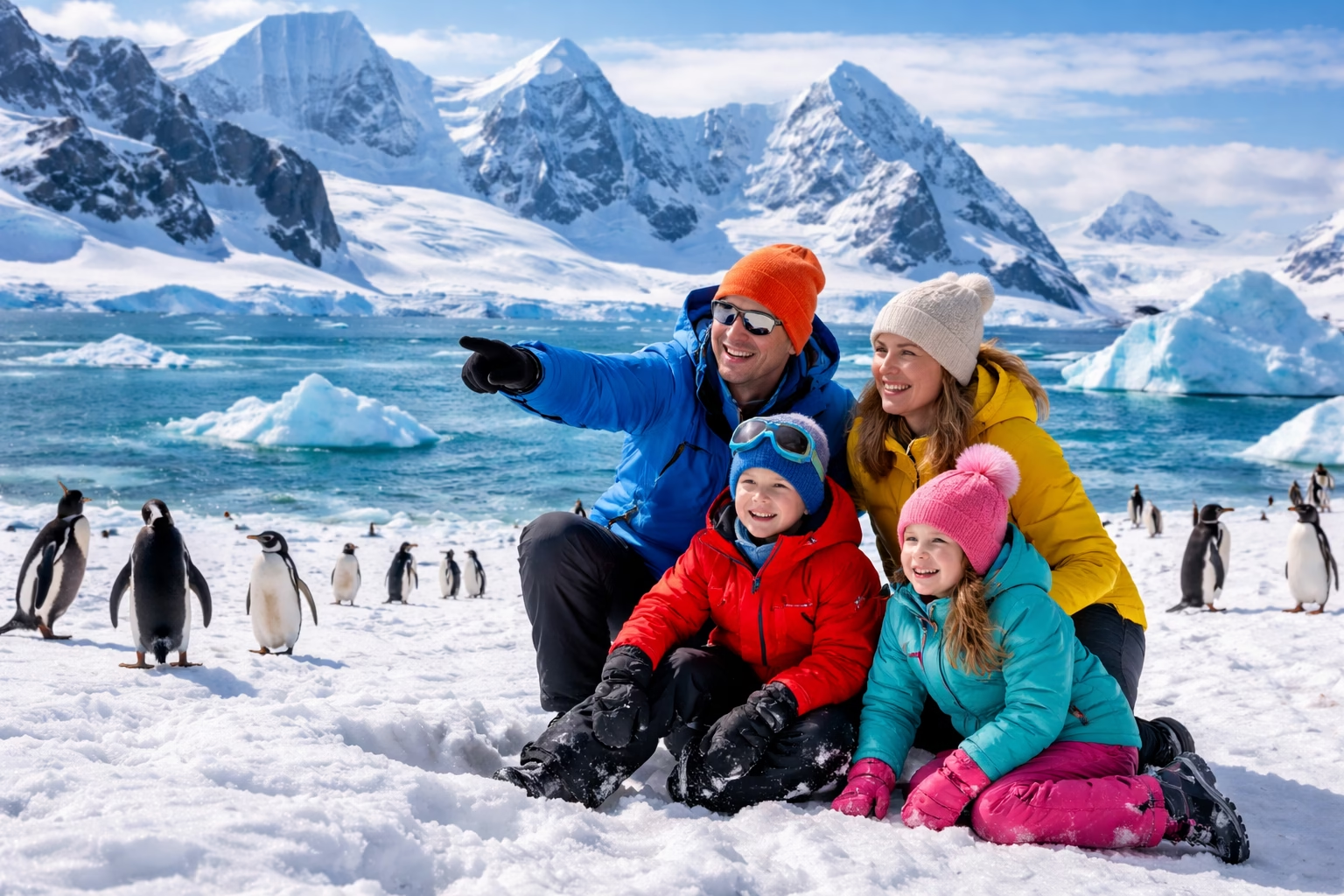
For most travelers, the idea of family travel instantly brings to mind sunny beaches, cultural city breaks, or adventurous road trips. Rarely does Antarctica make that list. Yet, the world’s southernmost continent has been quietly capturing the imagination of a growing number of families looking for something extraordinary. Icebergs taller than city buildings, curious penguins, and otherworldly landscapes offer children and adults the chance to experience a corner of our planet few people ever see. Still, a question often arises: is family travel to Antarctica actually possible?
- Antarctica travel is highly regulated under the Antarctic Treaty; access is via small expedition cruises with guided excursions and environmental protections.
- Children can travel, but operators set minimum ages, usually 8 to 12, based on safety, seasickness risk, and ability to follow guides.
- Book far in advance; ships have limited capacity, family cabins sell out, and early booking secures better pricing and itinerary flexibility.
- Prepare thoroughly: budget for high costs, arrange travel insurance, buy proper cold-weather gear, and ready children for the Drake Passage crossing.
- Prioritize safety and conservation: mandatory briefings, medical staff, strict landing protocols, boot disinfection, and no touching wildlife.
In this comprehensive guide, we will unpack everything families need to know before planning a journey to the White Continent. From the logistics of reaching one of the most remote places on Earth to the safety considerations, costs, and best ways to make it enriching for children, this article offers practical, realistic, and inspiring guidance for families considering this once-in-a-lifetime adventure.
Understanding Travel to Antarctica: What Makes It Unique
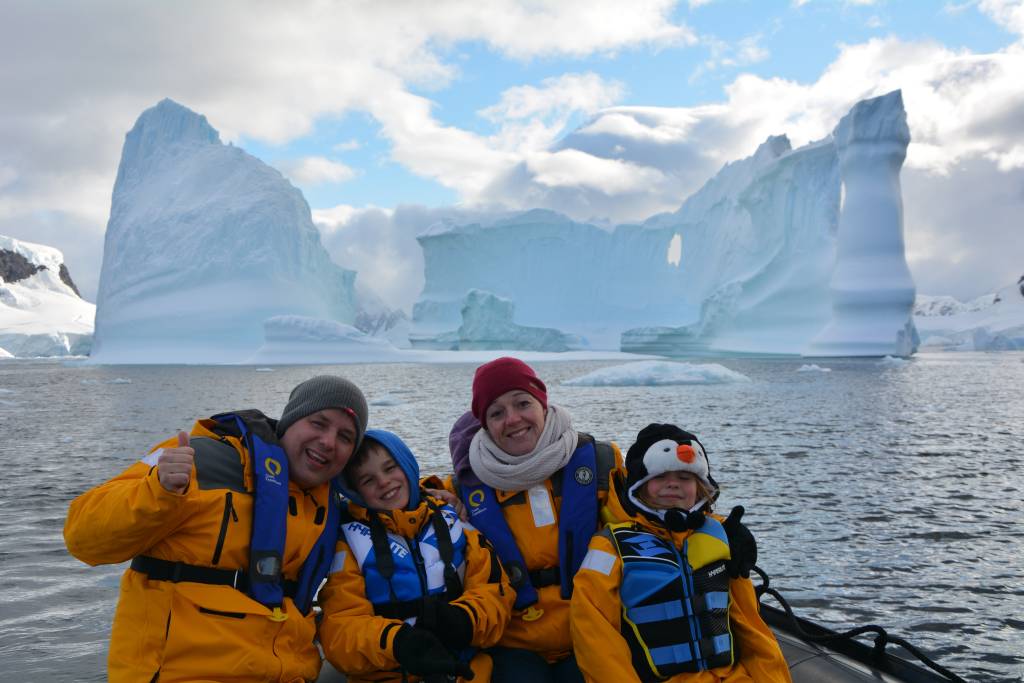
Antarctica is unlike any other travel destination, not just because of its geography but because of its rules and restrictions. The continent is governed by the Antarctic Treaty System, which was established to protect its fragile environment. That means all travel here is carefully regulated to minimize impact.
Travel access:
There are no commercial flights or permanent residents. Visitors typically join small expedition cruises that depart from Ushuaia in Argentina, Punta Arenas in Chile, or occasionally New Zealand. These voyages last from 8 to 20 days and are usually all-inclusive, with guided excursions, educational lectures, and professional safety briefings.
Seasonal window:
The best time to visit is during the Antarctic summer between November and March. During these months, temperatures are relatively mild and wildlife activity is at its peak. Penguins are nesting, seals are visible on ice floes, and whale sightings become common.
Impression for families:
The destination is less about traditional sightseeing and more about immersion in nature and discovery. Families who value education, environmental awareness, and shared adventure often find this kind of experience deeply meaningful.

Related Posts:

Can Children Travel to Antarctica?
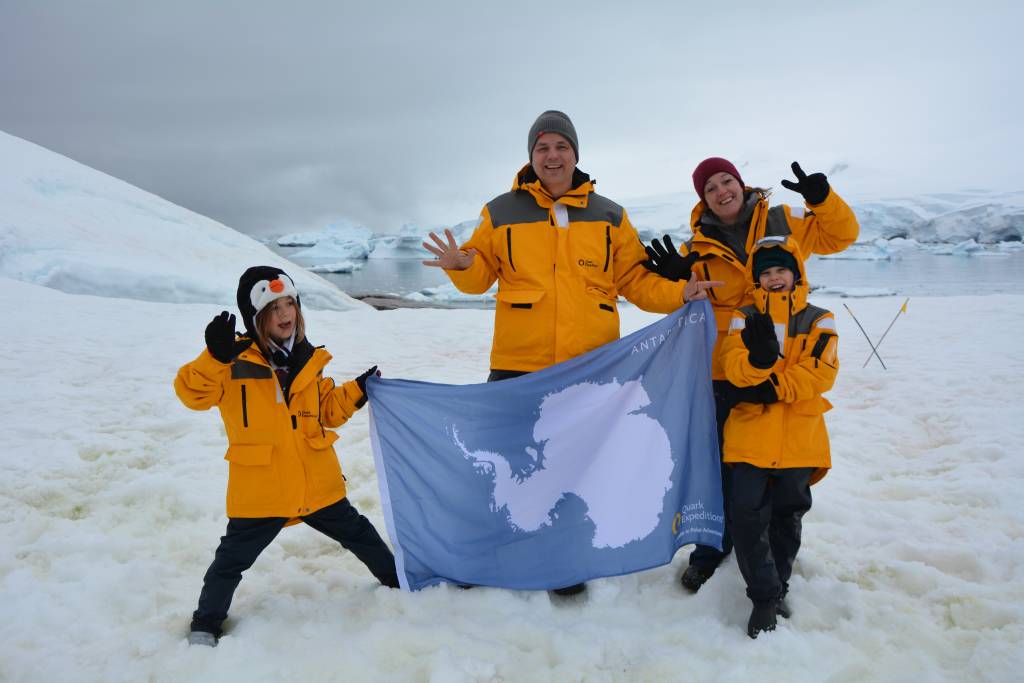
The answer is yes, children can and do visit Antarctica, but it is not suitable for all ages or temperaments. Cruise operators have varying policies on the minimum age, often setting it between 8 and 12 years old. This restriction is mostly for safety and comfort reasons.
Why age matters:
- The long journey across the Drake Passage can be physically demanding. Seasickness can affect even seasoned travelers.
- Onshore visits may involve walking on uneven terrain and exposure to cold and wind for extended periods.
- Children need to be able to follow instructions from expedition guides to ensure their safety and protect wildlife.
Choosing the right cruise:
Some expedition companies cater specifically to family travelers. They provide smaller group excursions, flexible activity options, and educational programs designed for younger travelers. When evaluating a company, look for features such as:
- Family-friendly cabins or adjoining rooms
- Onboard youth activities focused on wildlife and conservation
- Guide-to-guest ratios that allow personalized attention
Selecting the right expedition partner makes all the difference in ensuring a child’s comfort and enjoyment during an Antarctic journey.
Planning and Preparation: What Families Need to Know
Planning a family trip to Antarctica requires far more preparation than a conventional holiday. Every aspect of the journey should be considered months, sometimes a full year, in advance.
1. Booking early:
Expedition ships have limited capacity, often under 200 passengers, and family cabins sell out quickly. Early booking also allows access to better pricing and flexibility with itineraries.
2. Budgeting wisely:
Antarctic trips are expensive, with prices typically ranging from 7000 to 15000 USD per person. The cost includes accommodations, meals, guided tours, and safety equipment, but not international flights to South America. Families should set aside funds for comprehensive travel insurance and quality cold-weather gear.
3. Packing correctly:
Proper gear is essential for protection and comfort. Packing lists from cruise operators are detailed but expect to include:
- Waterproof and insulated outerwear
- Base layers made from wool or synthetic fabrics
- Thermal gloves, hats, neck gaiters, and waterproof boots
- Sunglasses and high-SPF sunscreen, as the sun’s reflection on snow can be intense
4. Preparing for the Drake Passage:
This stretch of water between South America and the Antarctic Peninsula is famously rough. Families should carry medications recommended for seasickness, bring snacks for comfort, and prepare mentally for two days of ocean crossing each way.
Safety, Health, and Environmental Responsibility
Safety is a top priority on all Antarctic expeditions. Every crew member undergoes specialized polar training, and all activities are tightly supervised. Knowing what to expect helps parents feel more confident when bringing children.
Safety measures onboard:
- All passengers attend mandatory safety briefings upon embarkation.
- Zodiac boat landings are executed under expert supervision with strict life jacket rules.
- Medical staff are present on most vessels, and guides are trained in first aid and emergency evacuation procedures.
Health considerations:
Families should have a routine medical check-up before the journey, especially for young children. There are no hospitals on the continent, so fitness and preparation are essential. Travelers who need regular medication must bring enough for the entire trip and keep it accessible.
Environmental responsibility:
Parents often view this trip as an opportunity to teach children about conservation. Guests are required to disinfect boots before and after landings to prevent contamination of ecosystems. Touching wildlife or leaving any trace behind is strictly prohibited. In practice, this respect for nature becomes one of the most profound learning moments for children.

Making the Experience Educational and Memorable for Kids
An Antarctic expedition can transform how children think about the planet. The striking scenery, scientific lectures, and firsthand contact with wildlife combine to create natural curiosity and appreciation for the environment.
Engaging ways to make the experience meaningful:
- Encourage journal writing: Let children document what they see each day. These notes and sketches will become treasured family souvenirs.
- Learn before you go: Watching documentaries or reading children’s books about penguins and polar regions can help kids feel connected when they finally see those places in person.
- Participate in citizen science: Some cruises involve guests in simple research projects, such as counting bird populations or identifying whale flukes for record keeping.
- Celebrate milestones: Visiting Antarctica can be a remarkable way to mark a family event, such as a graduation or major birthday, creating a shared memory that lasts a lifetime.
Is Family Travel to Antarctica Worth It?
For most families, a trip to Antarctica is not just a vacation but a once-in-a-lifetime learning adventure. It requires a serious commitment of time, money, and preparation, but its rewards can be extraordinary. Few experiences bring a family closer together than witnessing the untouched beauty of the world’s last frontier.
Antarctica challenges and inspires in equal measure. It teaches patience, awareness, and humility, reminding travelers that the planet is vast and delicate. For children, that lesson is priceless. If your family values discovery and is prepared for an expedition like no other, then yes, family travel to Antarctica is possible and profoundly worthwhile.
Further Reading
Best Beaches in Southern Europe
Cheapest Countries to Visit in Africa
Travel to Somalia; How I Traveled to Mogadishu