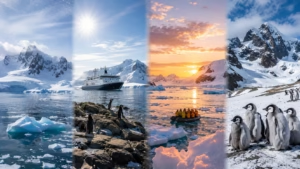
Antarctica has long been a place of mystery, fascination, and staggering beauty. For centuries, this frozen continent at the bottom of the world was hidden behind a curtain of ice, accessible only to the most determined explorers. Today, travelers can follow in their footsteps, experiencing an environment so untouched and dramatic that it feels almost otherworldly.
- Early nineteenth century naval sightings by Bellingshausen, Bransfield, and Palmer confirmed Antarctica's coastline and opened the continent to human exploration.
- The Heroic Age showcased endurance and tragedy, exemplified by Shackleton's survival, Scott's polar tragedy, and Amundsen's first South Pole triumph.
- Mid twentieth century shifted focus to science; permanent stations and the 1959 Antarctic Treaty protected the continent for peaceful research.
- Modern tourism blends adventure with strict environmental rules; IAATO membership, biosecurity measures, and regulated landings preserve Antarctica's fragile ecosystem.
In this article, we will journey through the history of Antarctica’s exploration, from the daring expeditions of the past to the modern era of responsible tourism. We will uncover how the continent was first discovered, the struggles faced by early explorers, and how adventurous travelers today can experience this incredible destination with respect for its fragile environment.

The First Glimpses of the Antarctic Continent
Before humans set foot on Antarctica, the existence of a great southern land was merely a theory. The ancient Greeks believed in the concept of “Terra Australis Incognita,” a mysterious southern landmass that balanced the continents of the north. It was not until the early nineteenth century that this legend began taking physical form.
Between 1819 and 1821, several naval expeditions ventured farther south than ever before. Explorers such as Fabian Gottlieb von Bellingshausen of Russia, Edward Bransfield of Britain, and Nathaniel Palmer of the United States each played a part in sighting the icy coastline. Their records mark the first confirmed human observations of the Antarctic mainland.
These early explorers faced extreme conditions. Ships were made of wood, and survival depended entirely on skill and luck. Yet their work opened the frozen gates of the continent to humankind. Travelers visiting today can appreciate the harsh environment that challenged those first navigators by standing on the same windswept shores they once saw through fog and snow.
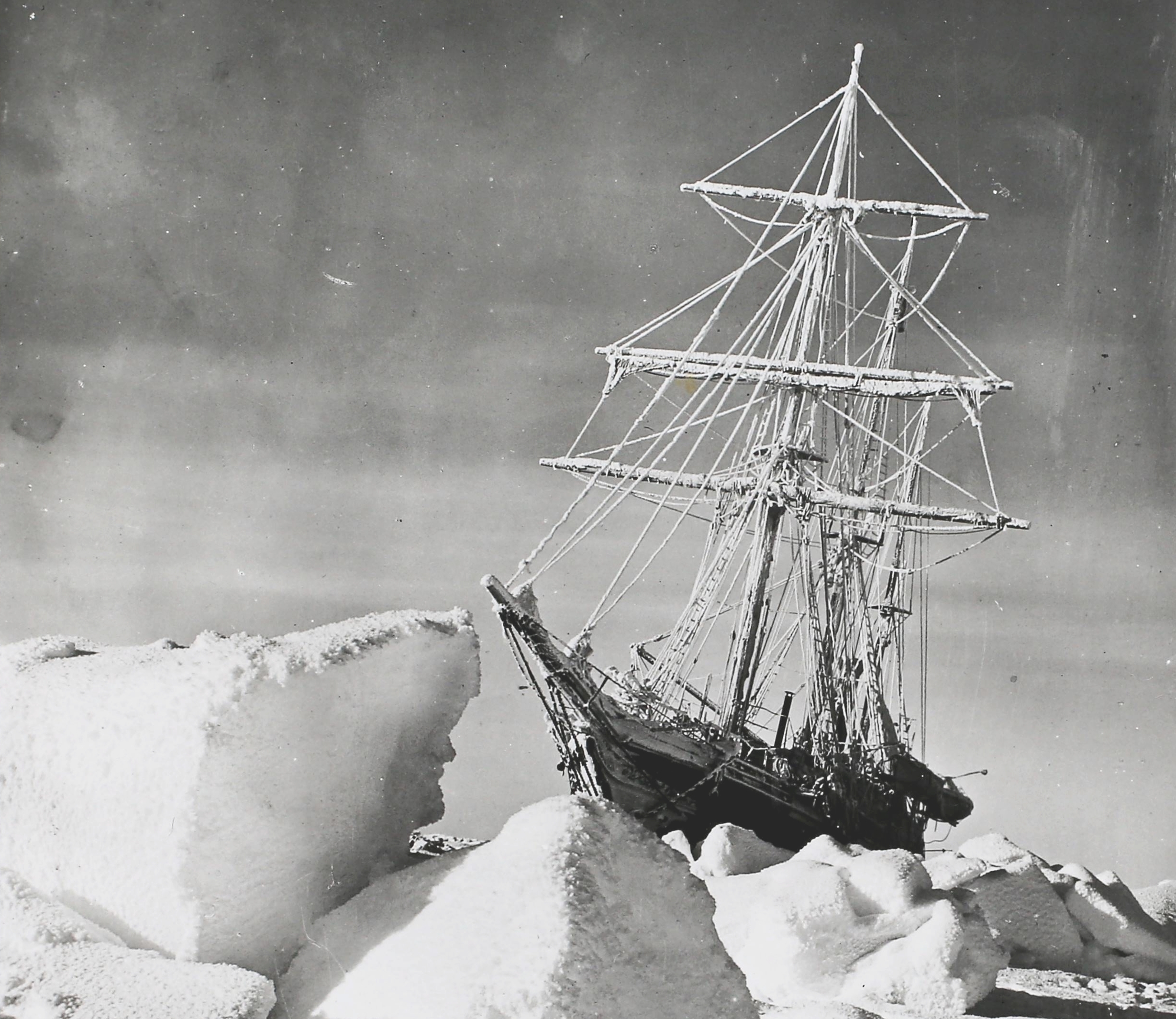
The Heroic Age of Antarctic Exploration
The early twentieth century became known as the Heroic Age of Antarctic Exploration. During this period, courage, rivalry, and endurance defined expeditions that remain legendary to this day.
Related Posts:
Among the most famous figures were:
Ernest Shackleton: His expeditions epitomized determination and leadership. When his ship Endurance was trapped and crushed by ice in 1915, Shackleton managed an unbelievable feat of survival, leading his men to safety through freezing seas and desolate islands.
Robert Falcon Scott: Commander of the British Antarctic Expedition, Scott’s mission to reach the South Pole turned tragic. He and his entire team perished on the return journey in 1912, just weeks after Norwegian explorer Roald Amundsen arrived first at the Pole.
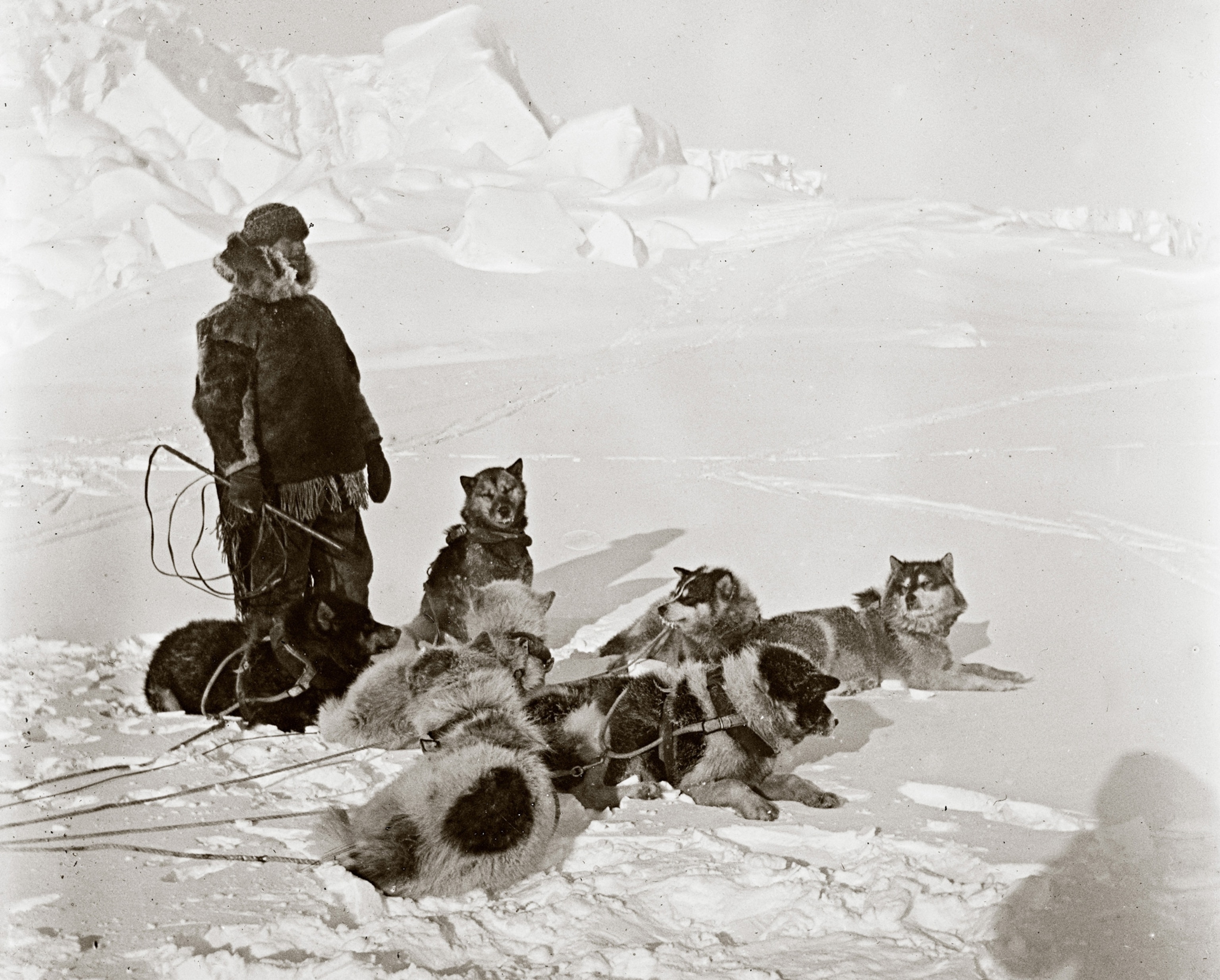
Roald Amundsen: The Norwegian explorer achieved what many thought impossible by being the first to stand at the South Pole in December 1911. His meticulous planning, experience with polar conditions, and use of sled dogs proved decisive.
These stories of hardship and discovery still capture the imagination. Modern visitors to Antarctica can retrace routes from these expeditions. Many cruises visit sites such as the Ross Ice Shelf, where both Scott and Shackleton established their camps. Stepping onto these historical grounds connects today’s travelers with the raw essence of human exploration.
Scientific Discovery and the Modern Era
After the Heroic Age, exploration gradually turned from conquest to science. The mid-twentieth century marked a new chapter focused on understanding the continent’s climate, wildlife, and geology. The establishment of permanent scientific stations, such as McMurdo Station (United States) and Vostok Station (Russia), revealed the value of Antarctica as a natural laboratory.
The signing of the Antarctic Treaty in 1959 became a defining moment. This international agreement declared the continent a zone dedicated to peace and science, banning military activity and mining. It also laid the foundation for the modern ethics of Antarctic tourism.
For travelers, this scientific focus is part of the attraction. Visiting a research station or seeing scientists at work provides insight into the global importance of Antarctica. The ice tells stories of climate history spanning hundreds of thousands of years, and visitors gain a deeper understanding of why protecting this unique environment matters.
The Birth of Antarctic Tourism
Tourism to Antarctica began relatively recently, starting in the late 1950s when small groups of adventurers visited aboard Chilean and Argentine naval vessels. The concept of commercial expedition cruising took shape in the 1960s, pioneered by companies that specialized in remote travel.
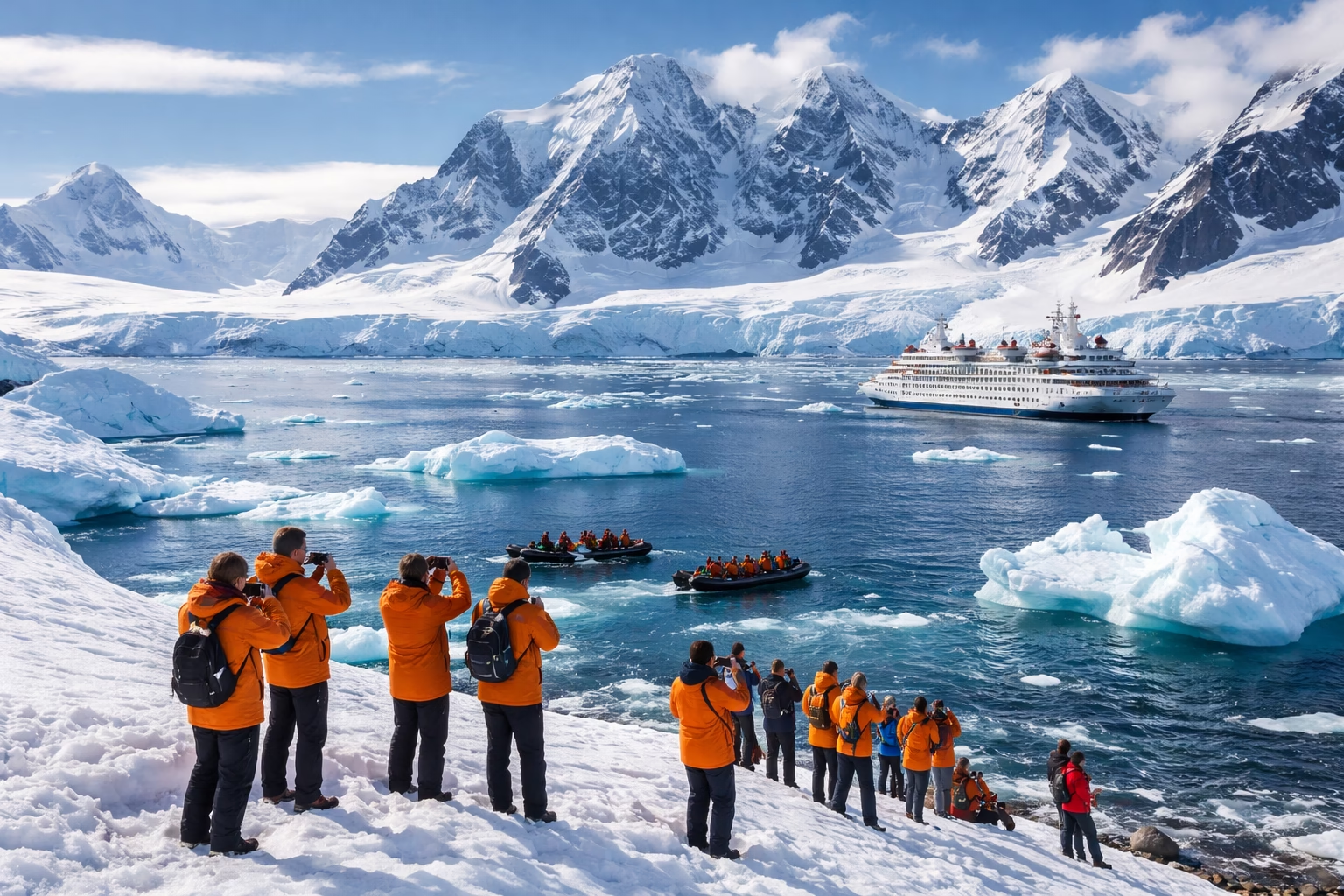
Today’s Antarctic tourism retains a spirit of adventure but operates under strict environmental management. Modern expedition ships are purpose built for ice navigation, combining comfort with safety and eco-friendly technology. Travelers can choose from cruise itineraries varying between one and three weeks, typically departing from Ushuaia in Argentina or Punta Arenas in Chile.
Popular landing sites include:
- Deception Island: A flooded volcanic caldera where visitors can hike, observe wildlife, and even take a brief dip in warm geothermally heated waters.
- Neko Harbour: Famous for its glaciers and large penguin colonies, offering some of the most photogenic scenery in Antarctica.
- Paradise Bay: Where cruise ships anchor amid dazzling icebergs in calm waters surrounded by towering snowy peaks.
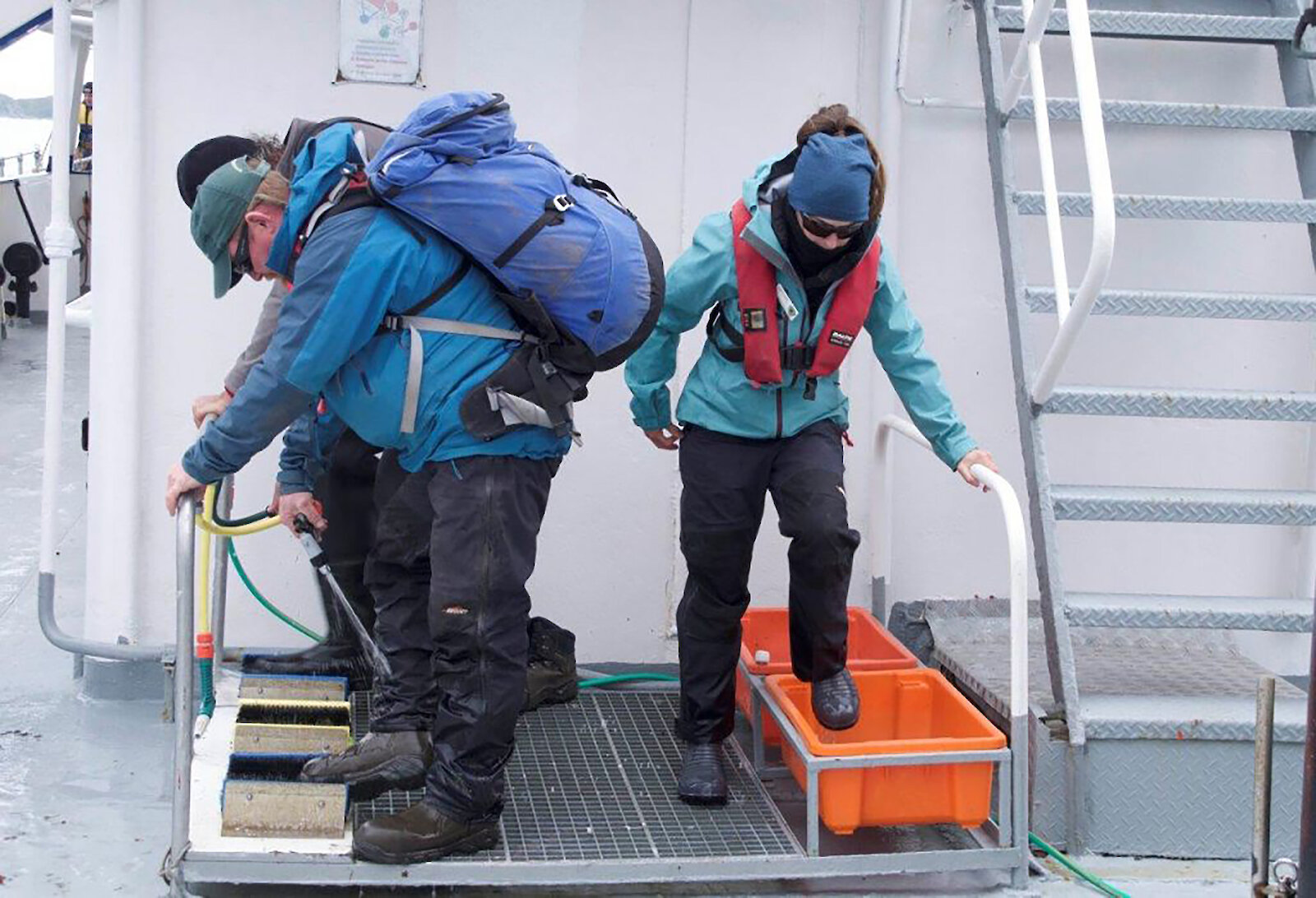
Each landing is carefully regulated to prevent environmental disturbance. Groups are limited in size, and visitors must follow strict biosecurity measures, including cleaning boots and clothing to avoid introducing foreign organisms.

Responsible Travel and Environmental Stewardship
While visiting Antarctica is an extraordinary privilege, it also carries a moral responsibility. The continent’s ecosystem is extremely delicate. Tourism here demands respect, mindfulness, and full adherence to conservation principles.
Travelers should choose operators that are members of the International Association of Antarctica Tour Operators (IAATO), an organization founded to promote responsible and sustainable tourism practices. These guidelines ensure:
- Minimal physical impact on landing sites
- No interference with wildlife behavior
- Full compliance with waste management and pollution prevention procedures
Packing choices also contribute to responsible travel. Opt for biodegradable toiletries, avoid disposable plastics, and bring durable clothing suited to cold, wet conditions. Every small decision helps maintain the purity of this extraordinary region for future generations.
Visitors who travel responsibly become ambassadors for Antarctica’s preservation. Seeing firsthand how fragile this environment is often transforms the way people think about climate change and global conservation efforts.
Experiencing the Spirit of Discovery Today
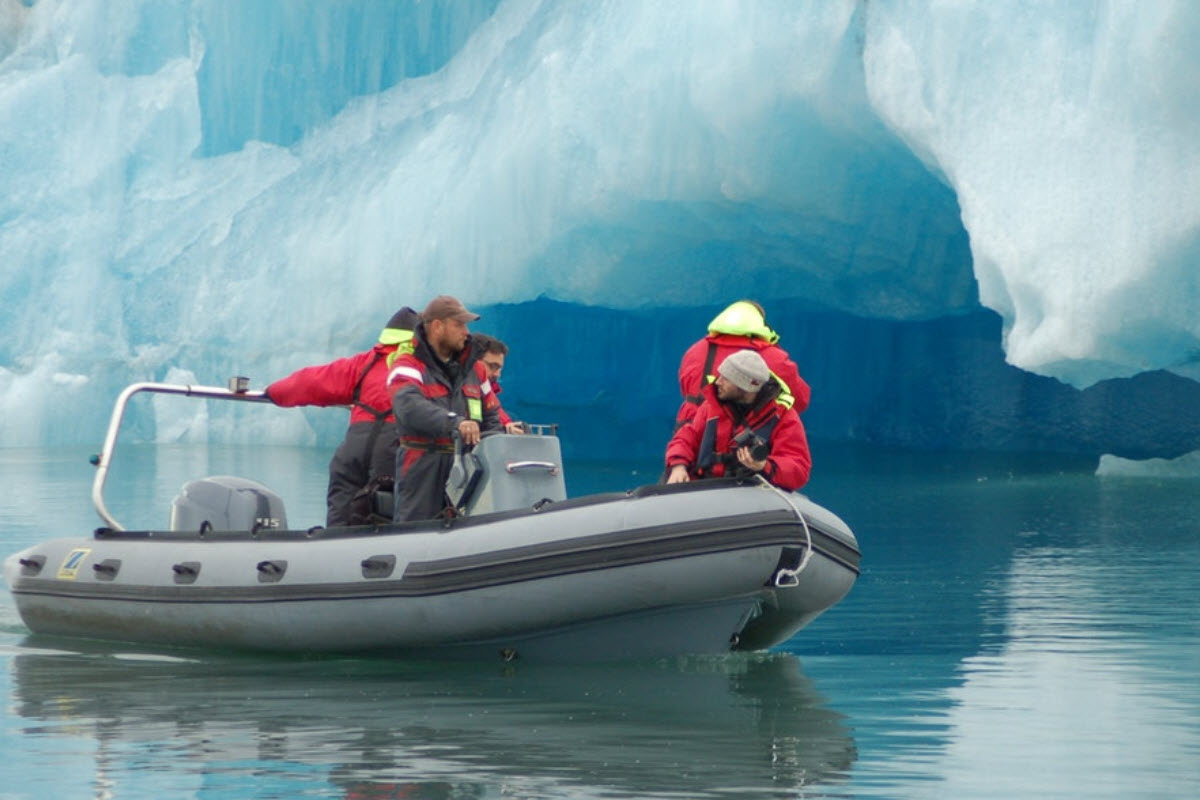
Modern Antarctic travel blends comfort with adventure. Voyage itineraries include zodiac excursions among icebergs, wildlife photography workshops, guided hikes on glaciers, and lectures by onboard naturalists. The journey is not only physical but deeply emotional, following the same icy paths once taken by explorers chasing the edge of the known world.
Witnessing vast colonies of penguins, seals resting on floes, and whales surfacing through icy waters connects visitors to a timeless wilderness. The absence of human noise, the sheer scale of the landscapes, and the glowing light of the southern summer make Antarctica an experience beyond imagination.
For those who travel here, the continent becomes more than a destination. It is a living story of endurance, discovery, and respect between humankind and nature.
Conclusion: Continuing a Legacy of Exploration
The history of Antarctic exploration is rooted in courage, scientific curiosity, and a desire to understand the rarest corners of the planet. From ancient theories of a southern land to the daring expeditions of Shackleton and Amundsen, this icy frontier has tested humanity’s limits and inspired generations.
For modern travelers, exploring Antarctica is not simply about visiting the last great wilderness. It is about stepping into the continuum of discovery, carrying forward the spirit of those who came before, and ensuring that this pristine environment remains protected for the future.
To journey across the White Continent is to experience history itself, alive in every glacier, every gust of wind, and every silent horizon stretching toward infinity.
Further Reading
Best Beaches in Southern Europe
Cheapest Countries to Visit in Africa
Travel to Somalia; How I Traveled to Mogadishu