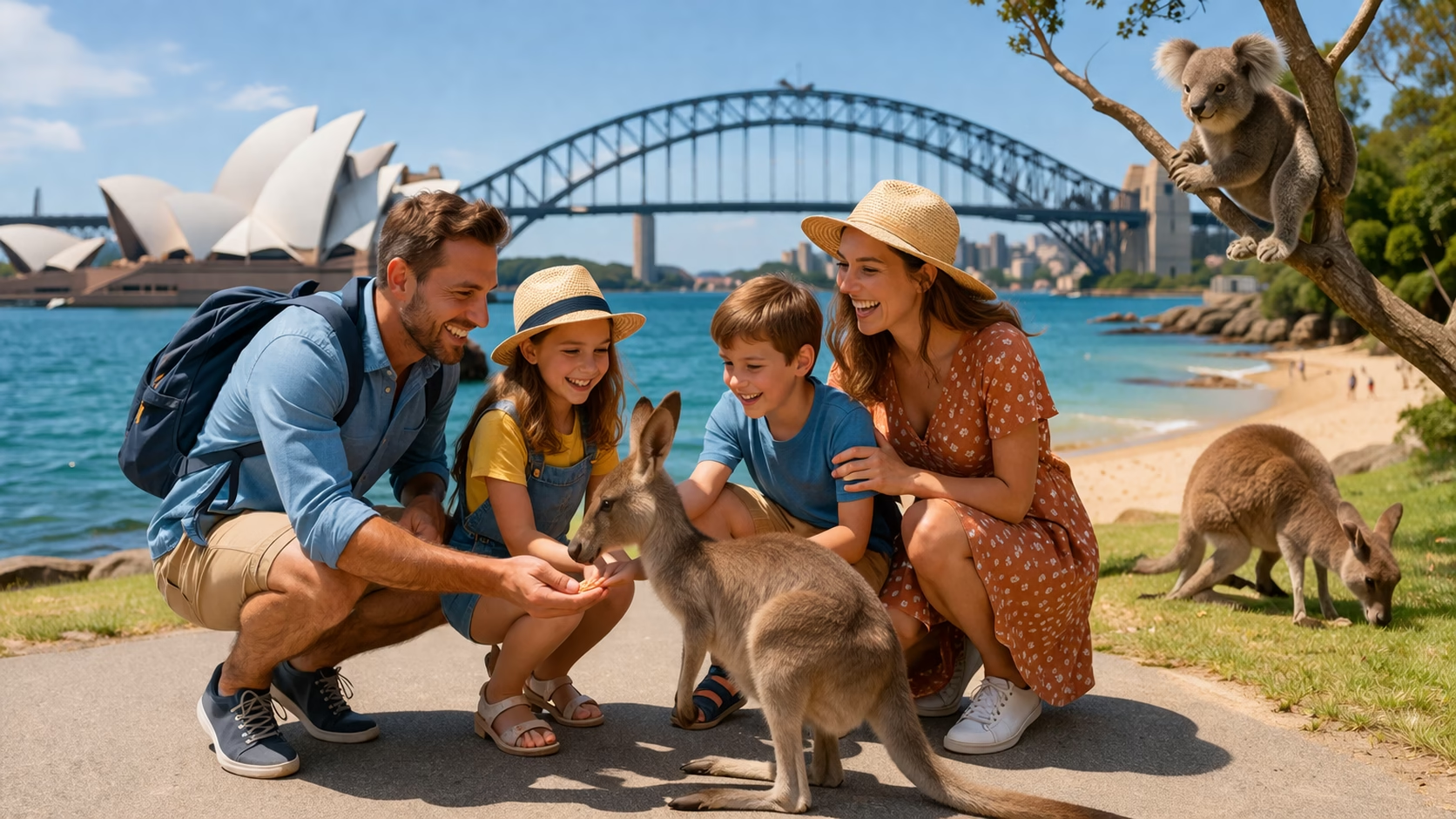
There are few destinations in the world that embody adventure, beauty, and family friendly fun quite like Australia. From the Great Barrier Reef and Sydney’s iconic harbor to the Outback’s endless horizons, Australia has a way of drawing families into a world where every day is an opportunity for discovery. Planning a family trip here means embracing a mix of stunning nature, fascinating wildlife, and cultural diversity with modern comfort and safety.
This comprehensive guide will walk you through everything you need to know to plan an unforgettable family journey to Australia. You will learn how to choose the right destinations for children and parents alike, how to get around this vast country, what experiences are worth adding to your itinerary, and how to keep travel smooth and enjoyable for everyone.
Understanding Australia as a Family Destination
Australia is enormous, stretching across climates that range from tropical to temperate. This diversity means one trip can combine snorkeling on coral reefs, hiking through mountain eucalyptus forests, exploring city playgrounds, and learning about ancient Aboriginal heritage.
What makes Australia especially rewarding for families is its emphasis on outdoor living and its safe, welcoming culture. Cities are clean and easy to navigate, public spaces are well maintained, and locals are often eager to help visitors. Kids will find plenty of interactive museums and wildlife experiences, while adults can enjoy excellent dining, world class wine regions, and natural landscapes that instantly slow the pace of life.
When planning, think in terms of regions rather than cities. Australia’s distances are long, and each area feels distinct. Focus on two or three key regions instead of trying to see everything.

Choosing the Right Destinations
Sydney and Surrounds
Sydney offers an ideal start for family travelers. The city’s harbor sparkles beneath bright skies and most attractions are within easy reach. Families can explore the Sydney Opera House from the outside and enjoy a picnic at the adjacent Royal Botanic Garden. Taronga Zoo, just a short ferry ride across the harbor, provides unbeatable views and the chance to meet kangaroos and koalas up close.
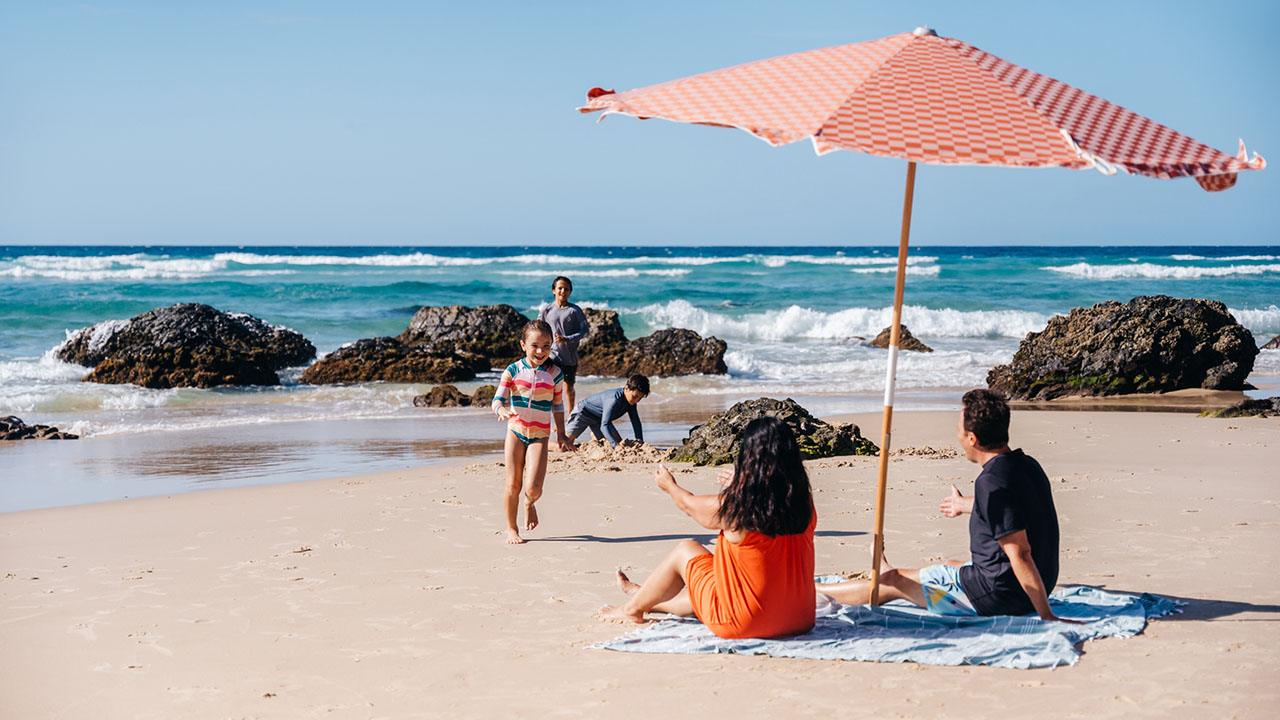
Bondi and Manly beaches are perfect for gentle surf lessons or playful sandcastle afternoons. Nearby you can visit the Blue Mountains, about a two hour drive away, where children can enjoy forest trails, the Scenic Railway, and breathtaking lookouts like Echo Point.

Queensland and the Great Barrier Reef
No family trip to Australia is complete without time in Queensland. Cairns and the Whitsunday Islands act as gateways to the Great Barrier Reef, where kids can learn about marine life through guided snorkeling tours or reef educational centers. Choose family friendly operators that prioritize safety and offer half day trips suitable for younger travelers.
Beyond the reef, the Daintree Rainforest offers another world entirely, filled with exotic birds and towering tropical trees. Families who love animal encounters should not miss the Kuranda Wildlife Park where butterflies, wallabies, and crocodiles coexist in a lush setting.

Melbourne and Victoria
Melbourne appeals to families who appreciate culture and creativity. The city’s laneways brim with colorful street art, cozy cafes, and music that sets a cheerful tone. Families can explore the Melbourne Museum or spend a day at the Scienceworks interactive center, both ideal for curious young minds.
Just outside the city, the Great Ocean Road delivers one of the most scenic coastal drives in the country, leading to iconic natural formations like the Twelve Apostles. For wildlife lovers, Phillip Island’s evening penguin parade is pure joy as hundreds of tiny penguins waddle home across the beach at sunset.

The Outback Experience
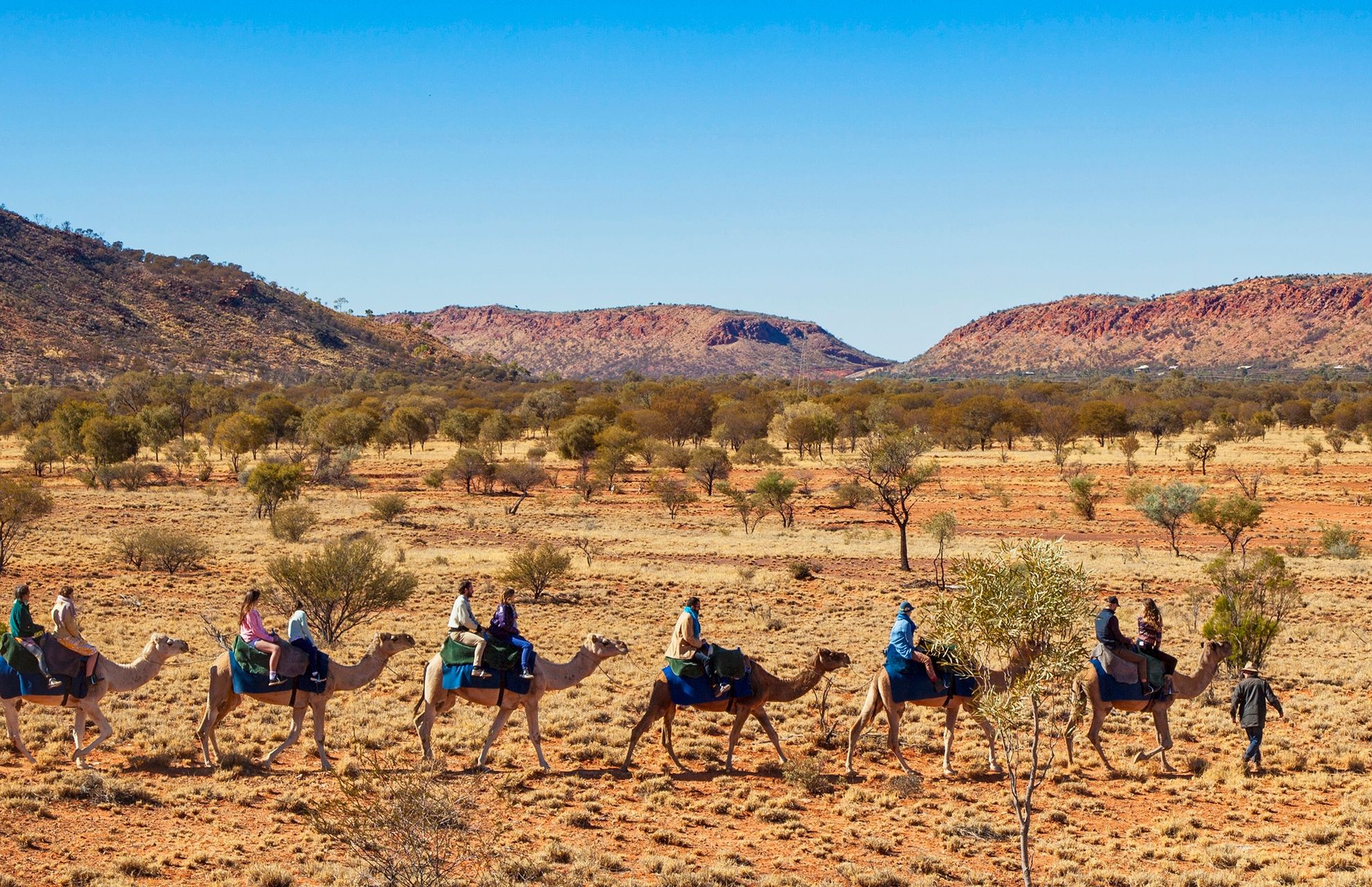
For families seeking something magical and memorable, consider spending a few days in the Red Centre. Uluru rising from the desert sands is one of Australia’s most powerful sights. Take part in Aboriginal guided walks to learn stories of the land, and schedule time for stargazing since the desert’s night sky reveals a breathtaking Milky Way.
Many lodges around Alice Springs and Yulara offer family accommodations and educational experiences that teach children about the unique ecosystem of the Outback.
Practical Planning Tips for Families
1. Best Time to Visit
Australia’s seasons are the opposite of Europe and North America. December to February brings summer warmth ideal for beach holidays, while June to August offers cooler weather that suits city and Outback travel. The best universal times for family visits are spring (September to November) and autumn (March to May) when temperatures are comfortable and crowds lighter.
2. Transportation and Getting Around
Domestic flights are often the easiest way to cover long distances, but for regional exploration, self driving can be rewarding. Roads are well maintained and safe. In cities, reliable public transport and family rideshare options make moving around effortless. Remember to rent child safety seats if traveling by car.
3. Accommodation
Australia has a wide range of family oriented accommodations, from beachside apartments to serviced homes and eco lodges. Many include family suites and self catering facilities that help manage meals easily. Consider staying in holiday parks if you want playgrounds, pools, and social spaces for kids to meet other young travelers.
4. Food and Dining
Australian cuisine is as varied as its landscape. Cafes and restaurants are child friendly, offering flexible menus and relaxed settings. Seafood is exceptional along the coast, while inland areas are proud of farm to table experiences. Keep in mind that picnic culture is huge in Australia, with public barbecues available in parks and beaches across the country.
5. Health and Safety
Tap water is safe to drink, medical facilities are excellent, and emergency services are highly responsive. Always wear sunscreen, carry hats, and stay hydrated. Wildlife encounters are safe when approached responsibly under guided conditions.

Experiences That Bring Learning and Fun Together
A family trip to Australia doubles as an education in the most enjoyable form.
- Wildlife Encounters: Kids will never forget feeding kangaroos at a sanctuary, holding a koala, or watching dolphins swim near the coast.
- Cultural Discovery: Introduce your children to Aboriginal art and storytelling through cultural centers in Alice Springs or Cairns.
- Outdoor Adventures: From paddle boarding and kayaking to cycling through city parks, every region encourages fresh air experiences.
- Science and Nature Learning: Institutions such as Questacon in Canberra and the Melbourne Museum create interactive ways to explore science and history for all ages.
These experiences connect families to nature, culture, and curiosity, which lie at the heart of Australia’s travel appeal.

Suggested Itinerary Structure
For a first time family visit, two to three weeks offers a good balance. A possible flow could be:
- Days 1 to 4: Sydney and surrounding attractions.
- Days 5 to 10: Fly to Cairns for reef and rainforest exploration.
- Days 11 to 15: Travel south to Melbourne for city life and coastal drives.
This framework allows flexibility while keeping travel times manageable for children. Adjust depending on the ages and interests of your family members.

Conclusion
Australia is a continent sized playground that rewards families with discovery, connection, and adventure at every turn. Whether you are snorkeling among coral wonderlands, learning ancient stories beneath sacred monoliths, or simply enjoying a beach sunset while the kids run barefoot through the sand, your time in Australia will leave lasting memories.
With thoughtful planning, an openness to exploration, and an appreciation for nature and culture, a family trip to Australia can easily become one of the most enriching journeys you ever share together.
Further Reading
China Visa Guide for Tourists
5 Day Rome Itinerary with Must See Attractions
Travel to Somalia; How I Traveled to Mogadishu
Free Family Things to do in Chicago Today
How to Spend Four Days in Hong Kong