Discovering the Best Ancient Aboriginal Rock Art in Australia
Explore the best ancient Aboriginal rock art in Australia, uncovering culture, history, and where to find these remarkable sites.
Australia’s landscape is rich with history, and its rock art is a testament to the enduring culture of its Indigenous peoples. The best ancient Aboriginal rock art in Australia offers a glimpse into the lives, beliefs, and stories of the first Australians, showcasing their deep connection to the land. From intricate paintings to carvings, these artworks reflect thousands of years of history and tradition.
Visiting these sites not only provides an opportunity to appreciate the artistic expression of Aboriginal cultures but also offers insights into their spirituality, community, and relationship with nature. This guide will take you through some of the most significant locations to experience ancient Aboriginal rock art, the best times to visit, and practical tips for making the most of your journey.
Whether you are a history enthusiast, an art lover, or simply curious about Australia’s Indigenous cultures, exploring these sites is a rewarding experience that fosters respect and understanding.
Key Locations for Aboriginal Rock Art
Kakadu National Park
Kakadu National Park, a UNESCO World Heritage site, is renowned for its stunning natural beauty and rich Aboriginal heritage. It houses some of the most significant rock art sites in Australia, with artworks dating back over 20,000 years. The park’s rock art galleries, such as Ubirr and Nourlangie, feature vibrant images of animals, humans, and spiritual beings that tell stories of the land and its people.
Ubirr is particularly famous for its panoramic views and significant rock art. The artworks include depictions of extinct megafauna, such as the giant marsupial Diprotodon, and various symbols that have deep cultural meanings. Visitors can join guided tours to better understand the stories behind the art and the cultural significance of the sites.
Timing your visit to Kakadu is crucial. The dry season from May to October is ideal, as the weather is pleasant, and many tourist facilities are open. However, visiting during the wet season can also offer unique experiences like vibrant landscapes and fewer crowds.
Uluru-Kata Tjuta National Park
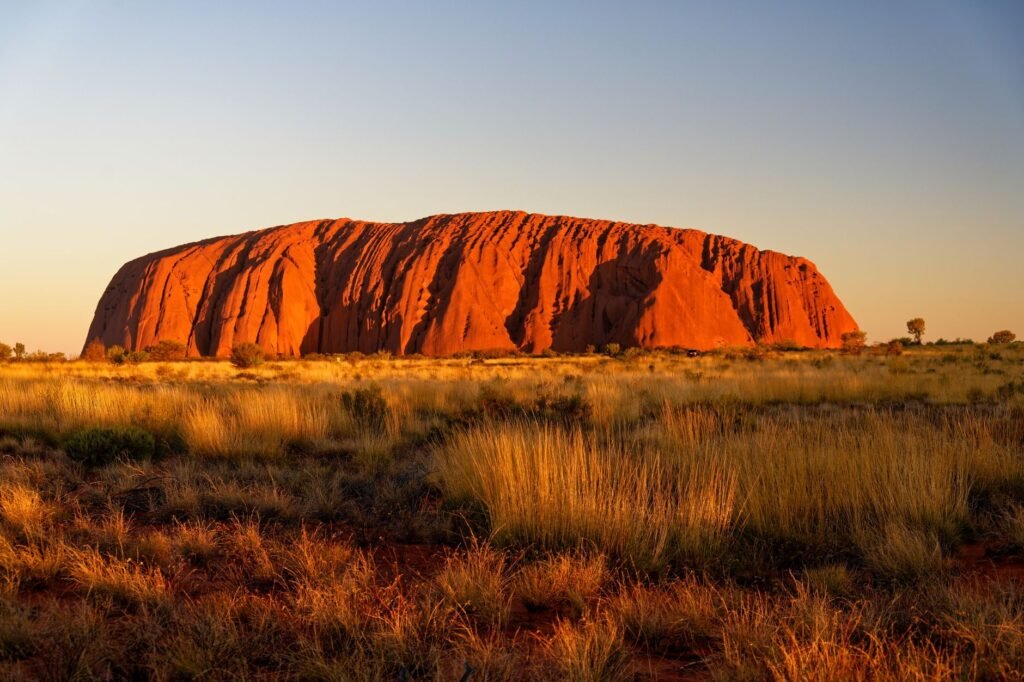
Uluru, also known as Ayers Rock, is another iconic location for Aboriginal rock art. It is a sacred site for the Anangu people, the traditional custodians of the land. The rock is covered with ancient petroglyphs and paintings that depict ancestral beings and Dreamtime stories. The cultural significance of Uluru is profound, and visitors are encouraged to engage respectfully with the site.
The Mutitjulu Waterhole area offers an opportunity to see some of the rock art, along with guided walks led by Anangu guides who share their knowledge and stories about the land. This intimate connection provides a deeper understanding of the cultural practices and beliefs of the Anangu people.
For the best experience, plan your visit during the cooler months of April to September, when the weather is more favorable for outdoor activities. Respecting the wishes of the Anangu, climbing Uluru is no longer permitted, and visitors are encouraged to explore the area through designated trails and guided tours.
The Grampians National Park
The Grampians National Park, located in Victoria, is home to a rich collection of Aboriginal rock art sites. The park features over 90 known rock art sites, with some of the oldest dating back more than 20,000 years. These artworks often depict animals and human figures, intricately etched and painted onto the rocky surfaces.
One of the most significant sites is the Billimina Rock Art Site, which showcases a range of motifs, including handprints and animal depictions. Visitors can participate in guided tours that include educational information about the significance of the artworks and the broader cultural context of the Aboriginal peoples in the region.
The best time to visit the Grampians is during spring (September to November) and autumn (March to May) when the weather is mild and the flora is in bloom. The park also hosts various festivals that celebrate Aboriginal culture, offering further opportunities to engage with the heritage of the area.

Understanding Aboriginal Rock Art
Types of Rock Art
Aboriginal rock art can be categorized into several types, each reflecting different cultural practices and beliefs. The most common forms include:
- Petroglyphs: These are engravings made by chipping away at the rock surface, often depicting animals, human figures, and symbols.
- Pictographs: These are paintings created using natural pigments, often found in caves or sheltered rock overhangs.
- Stencils: A technique where a hand or object is placed against the rock and pigment is applied around it, leaving an impression.
Each type of rock art serves a specific purpose, whether it is to convey stories, mark territory, or document events. Understanding these forms enriches the experience of viewing the art and highlights the sophistication of Aboriginal cultures.
The Cultural Significance
Aboriginal rock art is not merely decorative; it embodies the spiritual beliefs and historical narratives of Indigenous Australians. The artworks often depict totems, Dreamtime stories, and ancestral beings, serving as a visual representation of the connection between people and the land.
For many Aboriginal communities, these artworks are living documents that convey their identity and heritage. They are often associated with specific ceremonies and cultural practices, which continue to be passed down through generations. As such, the art is a vital part of the cultural landscape and identity of Aboriginal peoples.
Visitors are encouraged to approach these sites with respect and understanding. Engaging with local Indigenous communities and participating in cultural tours can provide valuable insights into the significance of the artworks and the stories they tell.
Viewing and Respecting Rock Art
When visiting Aboriginal rock art sites, it is essential to adhere to guidelines that promote respect and preservation. Here are some key practices to follow:
- Stay on designated paths: This helps protect the art and the surrounding environment.
- Do not touch the rock art: Oils from hands can damage the pigments and engravings.
- Listen to local guides: They provide valuable context and share cultural stories that enhance understanding.
- Be mindful of noise: Maintain a quiet atmosphere to respect the spiritual significance of the sites.
By following these practices, visitors can contribute to the preservation of these important cultural heritage sites for future generations.

Planning Your Visit
Best Time to Visit
Visiting Aboriginal rock art sites can be an unforgettable experience, but timing is crucial. The best times to visit depend on the specific location:
- Kakadu National Park: May to October is the dry season, ideal for exploring the park without the interference of rain.
- Uluru-Kata Tjuta National Park: April to September offers cooler temperatures, making it more comfortable for outdoor activities.
- The Grampians National Park: Spring and autumn provide pleasant weather and vibrant natural beauty.
Each season presents unique opportunities for experiencing the natural landscape alongside the rock art, so consider your preferences when planning your trip.
Costs and Entry Fees
While many Aboriginal rock art sites are located within national parks that charge entry fees, the costs can vary significantly. Here are some general guidelines:
- Kakadu National Park: Entry fees are approximately AUD 40 per vehicle for a 7-day pass.
- Uluru-Kata Tjuta National Park: Entry fees are around AUD 38 per adult for a three-day pass.
- The Grampians National Park: Entry is usually free, but some guided tours may have associated costs.
Always check the official park websites for the latest information on fees and any special events that may affect accessibility.
Getting There
Accessing these rock art sites typically requires a bit of travel, so planning your route is essential:
- Kakadu National Park: Located about 3 hours from Darwin, you can drive or take a bus tour.
- Uluru-Kata Tjuta National Park: The nearest major airport is in Alice Springs. From there, you can rent a car or take a tour.
- The Grampians National Park: Located about 3 hours from Melbourne, accessible by car or bus.
Consider your travel preferences and book accommodations in advance, especially during peak tourist seasons.
Engaging with Aboriginal Culture Through Art
Storytelling and Oral Traditions
Aboriginal rock art serves not just as a visual spectacle but as a medium for storytelling, deeply rooted in the oral traditions of Aboriginal culture. Each piece of art often has a narrative that is passed down through generations, illustrating the connection between the land, the people, and their ancestors. Visitors can engage with local Aboriginal communities to hear these stories firsthand, providing a richer context to the art they observe.
Participating in storytelling sessions offers unique insights into the spiritual significance of the artwork. These experiences are typically organized by local Indigenous groups and can encompass various forms of storytelling including songs, dances, and even guided tours that lead visitors to specific art sites while explaining their meanings.
- Visit during cultural festivals for immersive storytelling experiences.
- Look for community-led tours that focus on oral histories.
- Participate in workshops to learn about traditional storytelling methods.
Photography and Respectful Practices
Capturing the beauty of Aboriginal rock art through photography can be an enticing prospect for visitors. However, it is crucial to approach this practice with respect and understanding of cultural sensitivities. Many Aboriginal communities have specific guidelines regarding photography, particularly concerning sacred sites.
Before taking photographs, it is advisable to ask for permission from the local custodians. Some sites may not allow photography at all, while others may permit it under certain conditions. Understanding these protocols helps preserve the integrity of the sites and respects the cultural significance they hold for Indigenous peoples.
- Research site-specific photography rules before your visit.
- Engage with local guides who can provide context for what is appropriate.
- Consider using photography to support conservation efforts rather than exploit the art.

Conservation Efforts for Aboriginal Rock Art
Importance of Preservation
Aboriginal rock art is not only a cultural treasure but also a fragile legacy that faces ongoing threats from environmental factors and human activity. Efforts to preserve these artworks are crucial for maintaining an irreplaceable aspect of Australia’s heritage. Conservation initiatives often involve local Indigenous communities, environmental scientists, and government bodies working in tandem to protect these sites.
Preservation efforts may include measures to control access to sensitive areas, restoration projects, and educational programs aimed at raising awareness about the importance of rock art. By understanding the significance of these artworks, visitors can play a role in their preservation simply through responsible tourism practices.
- Participate in eco-tourism initiatives that support rock art conservation.
- Support local artisans who create works inspired by traditional art.
- Attend workshops focused on conservation practices and Indigenous knowledge.
Community Involvement in Conservation
Local Aboriginal communities are often at the forefront of conservation efforts, as they possess invaluable knowledge about the land and its history. Engaging with these communities allows for a holistic approach to conservation that honors traditional practices. Many Aboriginal groups offer programs where visitors can contribute to conservation projects, providing hands-on experience while fostering a deeper appreciation of the art.
By working together, visitors and locals can create a sustainable model for preserving rock art. This collaborative approach not only helps in protecting these ancient artworks but also strengthens the ties between visitors and Indigenous cultures.
- Join community-led conservation days to get involved.
- Learn about local plants and animals that contribute to the ecosystem surrounding the art.
- Participate in initiatives that involve youth in the preservation of their heritage.

The Role of Modern Technology in Rock Art Preservation
Digital Documentation and Augmented Reality
Modern technology is playing an increasingly important role in the preservation and appreciation of Aboriginal rock art. Digital documentation techniques, such as 3D scanning and photogrammetry, allow for detailed records of the artworks, which can be invaluable in the event of deterioration or damage. These methods not only help in the conservation of the art but also create digital archives that can be accessed for educational purposes.
Moreover, augmented reality (AR) applications are emerging as tools that can enhance the visitor experience. By using AR, visitors can point their devices at rock art and see animations or hear stories that provide additional context, thus enriching their understanding and connection to the art.
- Explore mobile apps that offer augmented reality experiences at rock art sites.
- Support initiatives that focus on digital archiving of Aboriginal heritage.
- Engage with interactive installations that combine technology and traditional art.
Challenges and Considerations
While the integration of technology in preserving Aboriginal rock art presents exciting opportunities, it also raises challenges. Issues such as digital rights, representation, and the potential for misinterpretation of cultural elements must be addressed. Collaborating with Indigenous communities in these technological endeavors is essential to ensure that their narratives and perspectives are respected and accurately represented.
Visitors interested in the intersection of art and technology should be mindful of these considerations. Engaging with local communities about how technology is being used can lead to more meaningful experiences and support for their ongoing efforts in preservation.
- Stay informed about the ethical use of technology in cultural contexts.
- Seek out projects that prioritize Indigenous involvement in technology applications.
- Be aware of the potential impact of technology on local cultures and art forms.
Frequently Asked Questions
What is the oldest Aboriginal rock art in Australia?
The oldest known Aboriginal rock art in Australia is found in the Kimberley region of Western Australia, with some sites dating back over 40,000 years, including the Bradshaw paintings.
Can I take photographs of the rock art?
Photography policies vary by site. At some locations, photography may be restricted to protect cultural heritage. Always check with local guidelines before taking photos.
Are there guided tours available for rock art sites?
Yes, many sites offer guided tours led by Aboriginal guides, providing valuable insights into the cultural significance of the art and local traditions.
How can I support Aboriginal communities when visiting these sites?
Support Aboriginal businesses by participating in cultural tours, purchasing authentic art, and respecting local customs and protocols during your visit.
The Bottom Line
The best ancient Aboriginal rock art in Australia is not only a visual feast but also a profound connection to the history and culture of Indigenous Australians. Locations like Kakadu, Uluru, and the Grampians offer unique opportunities to experience this heritage firsthand. By planning your visit thoughtfully and engaging respectfully with the culture, you can gain a deeper understanding of Australia’s rich Indigenous history.
Visa rules, prices and opening times change. Always confirm details with official sources before you travel.