Traveling to Faroe Islands: Essential Tips You Need
Discover essential things to know before traveling to Faroe Islands, from weather to local customs, for a seamless adventure in this stunning archipelago.
The Faroe Islands, a stunning archipelago situated between Iceland and Norway, offer breathtaking landscapes, rich culture, and unique experiences for travelers. However, before you embark on your journey to this remote destination, there are several things to know that can enhance your travel experience. From understanding the weather to knowing local customs, this guide will provide you with essential tips to ensure a smooth trip to the Faroe Islands.
Home to dramatic cliffs, picturesque villages, and a vibrant local culture, the Faroe Islands can be both enchanting and challenging for travelers. The islands have their own distinct identity, one that is shaped by their geography and climate. Thus, preparation is key to making the most of your visit. This article will cover crucial aspects such as the best time to visit, transportation options, cultural etiquette, and practical tips for navigating this unique destination.
By arming yourself with knowledge, you will not only be prepared for the unexpected but also gain a deeper appreciation for the beauty and culture of the Faroe Islands. So, whether you’re an adventurer seeking outdoor activities or a culture enthusiast wanting to explore local traditions, here are the things to know before traveling to the Faroe Islands.
Understanding the Weather
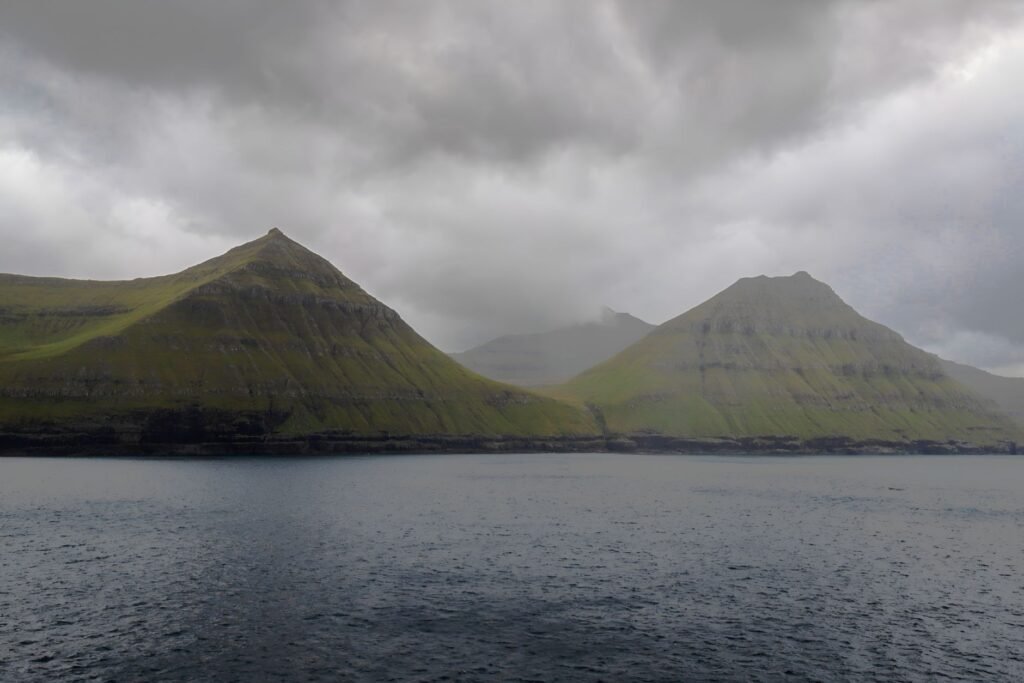
The weather in the Faroe Islands is famously unpredictable. Travelers can experience sunshine, rain, and fog all in a single day. The islands lie in the North Atlantic Ocean, which means they are subject to rapidly changing weather conditions. Therefore, it’s essential to be prepared for anything.
Generally, the summer months (June to August) offer the mildest temperatures, ranging from 10°C to 15°C (50°F to 59°F). However, even during summer, sudden rain showers are common. In contrast, winter (December to February) can be cold and windy, with temperatures dropping to around 0°C (32°F) and the possibility of snow.
Tips for Dealing with Weather:
- Layer Up: Always dress in layers. A waterproof jacket, warm sweater, and sturdy boots are essential regardless of the season.
- Check the Forecast: Use local weather apps or websites to stay updated on current conditions, as they can change rapidly.
- Be Flexible: Plan your activities with the understanding that weather might force you to change your itinerary.
Best Time to Visit
Choosing the right time to visit the Faroe Islands can significantly impact your experience. The islands have two distinct tourist seasons: summer and winter, each offering different advantages.
Summer is the peak tourist season, attracting visitors who come for the mild weather and long daylight hours. From May to August, the islands experience nearly 24 hours of daylight, providing ample time for exploration and outdoor activities, such as hiking, bird-watching, and fishing.
Conversely, winter offers a quieter experience, with fewer tourists and the chance to witness the Northern Lights. While temperatures are lower and conditions can be harsh, winter in the Faroe Islands is uniquely beautiful, with snow-capped landscapes and the serenity of the off-season.
Seasonal Highlights:
- Summer (June-August): Ideal for hiking, festivals, and enjoying local cuisine.
- Autumn (September-November): Great for observing migrating birds and stunning fall colors.
- Winter (December-February): Experience the Northern Lights and cozy village life.
- Spring (March-May): Witness the awakening of nature, with blooming flowers and more wildlife activity.
Transportation Options
Getting around the Faroe Islands can be an adventure in itself. While the islands are relatively small, the terrain and weather can affect transportation options.
Public transportation is available, including buses that connect many of the islands. The bus system is reliable, but schedules can be limited, especially on weekends. Renting a car is another popular option, providing the freedom to explore at your own pace. However, be aware that some roads may be challenging due to weather conditions.
Ferries also play a crucial role in transportation between the islands. The ferry system operates between several islands, and it’s essential to check schedules in advance, as they can change seasonally and may be affected by weather.
Transportation Tips:
- Plan Ahead: Check ferry and bus schedules before your trip to avoid surprises.
- Rent a Car: Consider renting a car for flexibility, but ensure it’s suitable for varying road conditions.
- Be Patient: Weather-related delays can occur; make sure to allow extra time for travel.

Cultural Etiquette
The people of the Faroe Islands are known for their hospitality, but understanding local customs can enhance your interactions. Faroese culture is deeply rooted in traditional values and respect for nature.
When visiting local homes, it is customary to remove your shoes at the entrance. If you are invited for a meal, bringing a small gift, such as flowers or sweets, is a thoughtful gesture. Additionally, punctuality is appreciated, as being late can be seen as disrespectful.
Common Etiquette Practices:
- Greetings: A firm handshake and direct eye contact are common when meeting someone for the first time.
- Dining Etiquette: Wait for the host to start the meal or give a toast before beginning to eat.
- Respect Nature: The Faroese take pride in their natural surroundings; avoid littering and follow local guidelines when hiking.
Connectivity and Services
While the Faroe Islands are increasingly connected to the digital world, it’s important to note that internet connectivity can vary widely. In remote areas, Wi-Fi may be limited or non-existent, and mobile service may be unreliable.
Before traveling, consider downloading maps and important information to your devices for offline access. While some towns and villages have cafes with Wi-Fi, remote areas may require you to rely on your own resources.
Additionally, services such as grocery stores and restaurants may not be available in every village. It’s advisable to stock up on essentials when visiting larger towns like Tórshavn, the capital, to avoid shortages in remote locations.
Tips for Staying Connected:
- Download Offline Maps: Use apps like Google Maps to save maps for offline use.
- Check Mobile Service: Verify with your mobile provider regarding coverage in the islands.
- Prepare for Limited Services: Bring necessary supplies and plan meals in advance, especially in remote areas.

Health and Safety
Your health and safety should always be a priority while traveling. The Faroe Islands are generally safe, with low crime rates; however, outdoor activities come with inherent risks, especially in rugged terrains.
Ensure you have adequate travel insurance that covers outdoor activities, including hiking and any other adventure sports you may wish to try. It’s also wise to familiarize yourself with local emergency numbers and the location of medical facilities.
In terms of health precautions, it’s advisable to carry a basic first-aid kit and any personal medications you may need during your stay. The Faroe Islands are relatively remote, and access to pharmacies and medical care may be limited, especially in rural areas.
Health and Safety Tips:
- Travel Insurance: Obtain travel insurance that covers medical emergencies and outdoor activities.
- Emergency Contacts: Keep a list of local emergency numbers and locations of nearby medical facilities.
- First-Aid Kit: Pack a first-aid kit with essential supplies and any personal medications.

Local Cuisine: A Taste of the Faroe Islands
Traditional Dishes to Try
The Faroe Islands offer a unique culinary experience rooted in its natural landscape and seafaring culture. One of the must-try dishes is skerpikjøt, which is fermented lamb that has a rich, earthy flavor. This dish is often served with potatoes and a side of pickled vegetables, providing a taste of traditional Faroese preservation methods.
Another local favorite is ræst fiskur, or fermented fish, which is typically served with homemade bread. The process of fermenting fish dates back centuries and is a testament to the islands’ fishing heritage. Be sure to sample turtur, a type of lamb stew that is hearty and comforting, perfect for the cooler climates.
Where to Eat
Dining options in the Faroe Islands vary from casual cafes to high-end restaurants. For a truly authentic experience, consider visiting Restaurant Koks in Tórshavn, which is renowned for its innovative use of local ingredients and traditional cooking techniques. The tasting menu showcases seasonal products and is a favorite among both locals and visitors.
Another great option is Føroyar Restaurant, which emphasizes sustainability and farm-to-table practices. The menu frequently changes based on what is available locally, ensuring that you get the freshest flavors. For a more casual dining experience, check out Røttur, a cozy spot known for its excellent fish and chips and friendly atmosphere.
Local Beverages and Distilleries
No culinary experience in the Faroe Islands would be complete without trying some local beverages. The islands are home to a growing number of craft breweries and distilleries. Faroese Beer is a popular choice, with several local breweries producing a range of styles from pale ales to stouts.
- Microbrewery Ólavsøka – Offers a variety of seasonal beers.
- Føroya Bjór – The oldest brewery in the Faroe Islands, known for its traditional lagers.
- Distillery Violette – Produces unique gin using botanicals sourced from the islands.
For something truly unique, try Føroya Brennivín, a type of aquavit flavored with herbs and spices that reflects the islands’ Viking heritage.
Exploring the Natural Wonders
Hiking Trails and Outdoor Activities
The Faroe Islands are an outdoor enthusiast’s paradise, boasting breathtaking landscapes and numerous hiking trails. One of the most popular hikes is to Slættaratindur, the highest peak in the islands, standing at 880 meters. The trail provides stunning views of the surrounding mountains and fjords, making it a rewarding experience.
Another fantastic hike is the Lake Sørvágsvatn hike, famous for its optical illusion that makes the lake appear to be situated high above the ocean. The hike is moderately challenging and takes about 2-3 hours round trip, with plenty of photo opportunities along the way.
Birdwatching and Wildlife Spotting
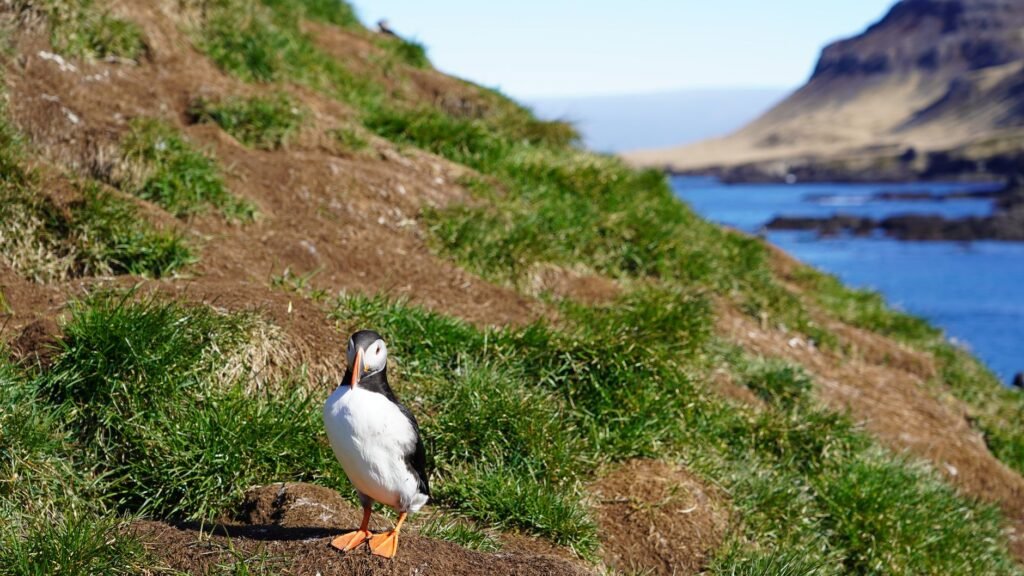
The Faroe Islands are home to a diverse range of wildlife, making it an ideal destination for birdwatching. The islands are a breeding ground for various seabird species, including puffins, guillemots, and kittiwakes. The best time for birdwatching is during the summer months when these birds are nesting.
- Puffin tours – Many local companies offer boat trips to nearby islands where puffins are abundant.
- Birdwatching spots – Look for bird hides around the islands, especially at Vestmanna.
- Whale watching – Keep an eye out for minke whales and orcas during boat tours.
Make sure to bring a pair of binoculars and a camera to capture the incredible wildlife sightings.
Photography Tips for Capturing the Landscape
The dramatic landscapes of the Faroe Islands present endless opportunities for photography. To make the most of your photography experience, consider the following tips:
- Golden Hour – Early mornings and late afternoons provide the best natural lighting for landscape photography.
- Use a tripod – The variable weather can lead to windy conditions, so a tripod will help stabilize your shots.
- Explore different angles – Don’t just stick to the well-trodden paths; venture off to capture unique perspectives of the cliffs and waterfalls.
Additionally, be prepared for rapidly changing weather conditions and bring waterproof gear for both yourself and your camera equipment.
Unique Experiences in the Faroe Islands
Festivals and Events
The Faroe Islands host several annual festivals that showcase the local culture and traditions. One of the most famous is the Ólavsøka festival, held in late July, which celebrates the islands’ patron saint. The event features parades, music, and traditional Faroese dancing, making it a vibrant time to visit.
Another noteworthy event is the Faroe Islands’ National Day on June 17, where locals celebrate their history with festivities, traditional food, and cultural exhibitions. Participating in these festivals gives travelers a deeper understanding of Faroese culture and community spirit.
Art and Craft Scene
The art scene in the Faroe Islands is thriving, with many local artists drawing inspiration from the stunning natural surroundings. Visitors can explore galleries in Tórshavn, showcasing everything from traditional handwoven textiles to modern sculptures. Don’t miss the National Gallery of the Faroe Islands, which houses a collection of contemporary Faroese art.
- Local artisans – Seek out workshops where you can learn about traditional crafts like knitting and pottery.
- Art festivals – Keep an eye out for events like Art Festival in Tórshavn, which highlights local talent.
- Street art – Explore the streets for unique murals and installations by local artists.
Engaging with the local art scene not only enriches your travel experience but also supports the artists and their communities.
Adventure Sports
For adrenaline seekers, the Faroe Islands offer a range of adventure sports. Surfing is becoming increasingly popular, particularly on the island of Sandavágur, where waves can reach impressive heights. Local surf schools offer lessons for beginners and rental gear for those looking to catch some waves.
Additionally, kayaking around the islands allows you to explore hidden coves and cliffs up close. Guided tours are available and provide a safe way to navigate the often unpredictable waters. Other activities include rock climbing and paragliding, both of which offer breathtaking views of the rugged terrain.
- Kayaking tours – Available from various companies, usually starting in Tórshavn.
- Surf schools – Offer both group and private lessons for all skill levels.
- Rock climbing guides – Experienced guides can take you to the best climbing spots.
Whether you are looking for tranquility or excitement, the Faroe Islands have something to offer every adventurer.
Frequently Asked Questions
What is the currency used in the Faroe Islands?
The currency used in the Faroe Islands is the Danish Krone (DKK). Most establishments accept credit cards, but it’s wise to have some cash for smaller purchases.
Are there any cultural events I should attend?
Yes, the Faroe Islands host various cultural events throughout the year, including the Ólavsøka festival in July, which celebrates the islands’ history and culture with traditional music, dance, and food.
Is it safe to hike in the Faroe Islands?
Yes, hiking is generally safe in the Faroe Islands, but it requires caution. Always stay on marked trails, check weather conditions, and be prepared for sudden changes in the weather.
What are the local dishes to try?
Don’t miss trying traditional Faroese dishes such as fermented lamb, fresh seafood, and skerpikjøt (fermented mutton). Local restaurants often serve these specialties.
The Bottom Line
Traveling to the Faroe Islands can be a rewarding experience filled with stunning natural beauty and rich cultural encounters. By understanding the weather, planning your transportation, respecting local customs, and being prepared for limited connectivity, you can ensure a smooth and enjoyable visit. Embrace the unique charm of these islands, and get ready for an unforgettable adventure.
Visa rules, prices and opening times change. Always confirm details with official sources before you travel.