Best Places to Visit Scandinavia: Discover Hidden Gems
Explore the best places to visit in Scandinavia, from stunning fjords to vibrant cities, and uncover the region's unique culture and natural beauty.
Scandinavia, a region that encompasses Norway, Sweden, and Denmark, is known for its stunning natural landscapes, rich history, and vibrant cities. As travelers seek destinations that offer both adventure and cultural experiences, Scandinavia has emerged as a top choice. From the majestic fjords of Norway to the historic streets of Stockholm, this guide will highlight the best places to visit in Scandinavia, ensuring you make the most of your journey.
Whether you’re an outdoor enthusiast looking for breathtaking hikes, a history buff wanting to explore ancient castles, or a city lover eager to experience modern Scandinavian design, this guide will cover a variety of attractions that cater to all interests. Prepare to uncover the hidden gems of this captivating region!
The best time to visit Scandinavia largely depends on the activities you’re interested in. Summer offers long days and pleasant weather, while winter transforms the landscape into a snowy wonderland perfect for skiing and viewing the Northern Lights.
1. Norway: The Land of Fjords
Norway is often the first country that comes to mind when discussing Scandinavia, and for good reason. It is home to some of the most breathtaking natural scenery in the world, particularly its iconic fjords. Geirangerfjord and Nærøyfjord, both UNESCO World Heritage Sites, offer stunning views and opportunities for hiking, boating, and photography.
In addition to its natural beauty, Norway’s cities are rich in culture and history. Oslo, the capital, boasts a vibrant arts scene, where you can visit the Munch Museum and the National Gallery. Bergen, known as the gateway to the fjords, features the historic Bryggen wharf, a UNESCO World Heritage Site, with colorful wooden buildings that date back to the Hanseatic League.
For adventure seekers, the Lofoten Islands provide a playground of outdoor activities such as hiking, kayaking, and even surfing. With dramatic peaks rising from the sea, the islands offer some of the most picturesque landscapes in Norway.
Must-See Attractions in Norway
- Geirangerfjord: Stunning fjord known for its waterfalls and hiking trails.
- Bergen: Historic city with a vibrant fish market and colorful wharf.
- Lofoten Islands: A paradise for outdoor enthusiasts with breathtaking scenery.
- Oslo: Capital city with museums, parks, and a lively cultural scene.

2. Sweden: A Blend of Nature and Culture
Sweden stands out for its mix of stunning landscapes and cultural experiences. Stockholm, the capital, is built on 14 islands and is known for its beautiful archipelago, historic sites, and modern design. The Vasa Museum, featuring a 17th-century warship, and the Skansen open-air museum provide insights into Sweden’s maritime history and traditional culture.
Outside the capital, the Swedish countryside offers a wealth of opportunities for exploration. The Dalarna region is famous for its traditional red cottages and folk art, while the northern part of Sweden, Lapland, is a great destination for winter sports and experiencing indigenous Sami culture.
Sweden’s commitment to sustainability and environmental consciousness is evident in its cities and natural parks. The country is filled with beautiful nature reserves and national parks, such as Abisko National Park, where visitors can hike and witness the Northern Lights in winter.
Key Highlights in Sweden
- Stockholm: Capital city with a rich blend of history and modernity.
- Vasa Museum: Home to a well-preserved 17th-century ship.
- Dalarna: Known for its traditional folk culture and beautiful landscapes.
- Lapland: Ideal for experiencing winter sports and Sami culture.
3. Denmark: The Cozy Kingdom
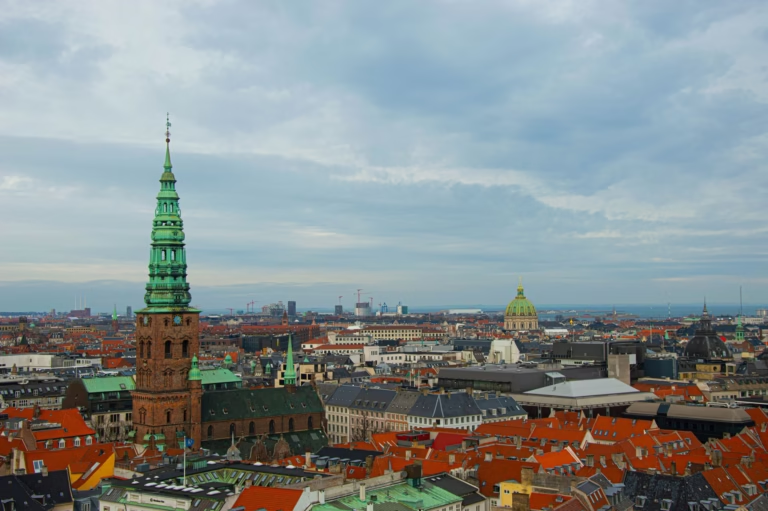
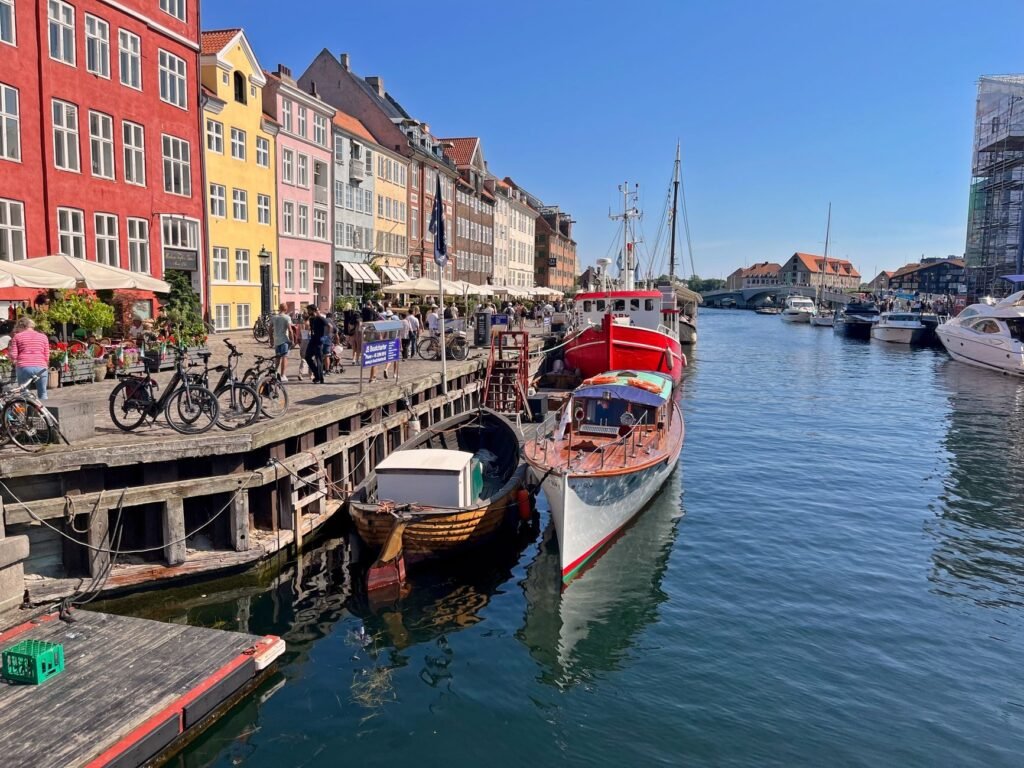
Denmark may be the smallest of the Scandinavian countries, but it is rich in history, culture, and charm. Copenhagen, the capital, is renowned for its beautiful canals, historic palaces, and the iconic Little Mermaid statue. The city’s commitment to sustainability is evident in its extensive bike paths and green spaces, making it a pleasant place to explore.
One of the must-visit attractions in Copenhagen is Tivoli Gardens, one of the oldest amusement parks in the world. Beyond the city, the picturesque town of Aarhus is worth a visit for its vibrant arts scene and the open-air museum, Den Gamle By, which showcases Danish history.
For those interested in history, a trip to Roskilde is essential. The town is famous for its Viking Ship Museum, where visitors can see well-preserved Viking ships and learn about Denmark’s seafaring history.
Top Places to Experience in Denmark
- Copenhagen: A vibrant capital known for its canals and historic sites.
- Tivoli Gardens: A charming amusement park with gardens and entertainment.
- Aarhus: A cultural hub with museums and a lively atmosphere.
- Roskilde: Home to the famous Viking Ship Museum and historic sites.

4. Iceland: The Nordic Adventure
While not always included in the Scandinavian trio, Iceland offers a unique experience with its otherworldly landscapes. The capital city, Reykjavik, is a vibrant hub known for its arts scene, nightlife, and geothermal pools. The Blue Lagoon, a famous geothermal spa, is a must-visit for relaxation amidst stunning surroundings.
The Golden Circle route showcases some of Iceland’s most iconic sights, including the Geysir geothermal area, Gullfoss waterfall, and Þingvellir National Park, a UNESCO World Heritage Site that marks the rift between the North American and Eurasian tectonic plates.
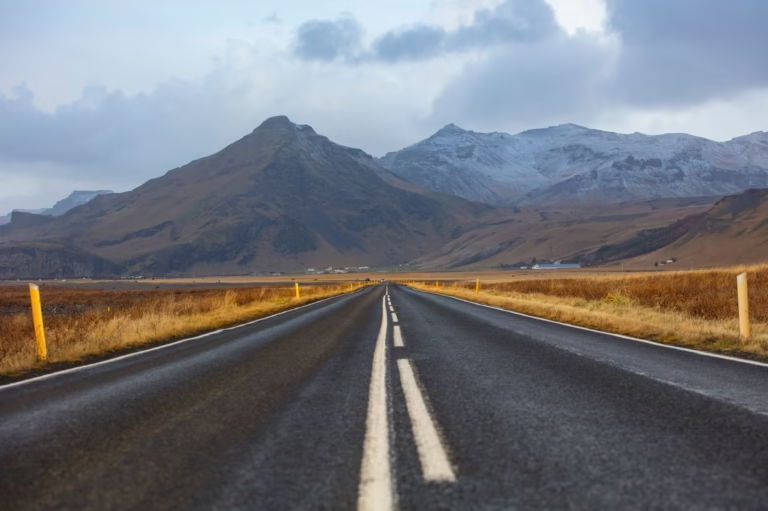
For those looking to explore the outdoors, Iceland provides numerous opportunities for hiking, glacier climbing, and even ice caving. The south coast is dotted with waterfalls, black sand beaches, and dramatic cliffs, all of which contribute to Iceland’s reputation as a true adventure destination.
Essential Experiences in Iceland
- Reykjavik: The capital with a vibrant arts and culture scene.
- Golden Circle: A popular route featuring geysers, waterfalls, and national parks.
- Blue Lagoon: A relaxing geothermal spa in stunning surroundings.
- South Coast: Home to dramatic landscapes, waterfalls, and beaches.
5. Finland: The Land of a Thousand Lakes
Finland, known for its stunning lakes and forests, offers a different experience compared to its Scandinavian neighbors. The capital, Helsinki, boasts a unique blend of modern architecture and historic sites. The city is home to the stunning Temppeliaukio Church, which is carved directly into solid rock, and the beautiful Uspenski Cathedral, showcasing Russian influence.
Outside Helsinki, the Finnish Lakeland offers a peaceful retreat with opportunities for boating, fishing, and hiking. The region is dotted with charming towns such as Savonlinna, famous for its medieval castle, and Jyvaskyla, known for its vibrant cultural scene.
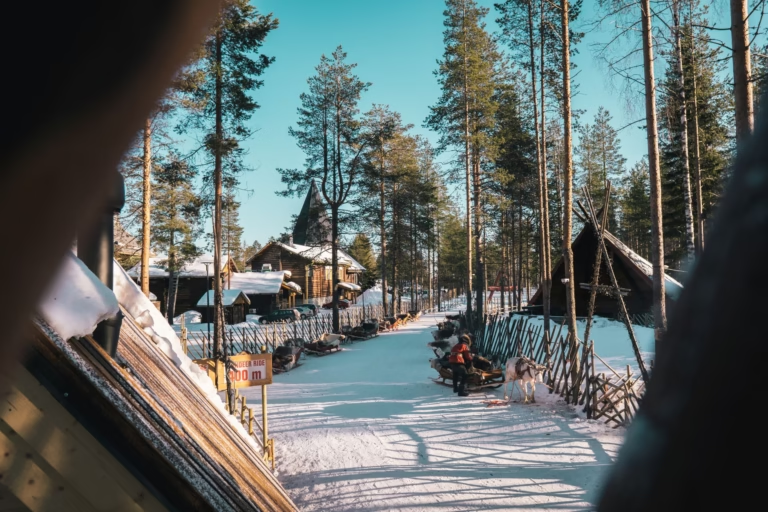
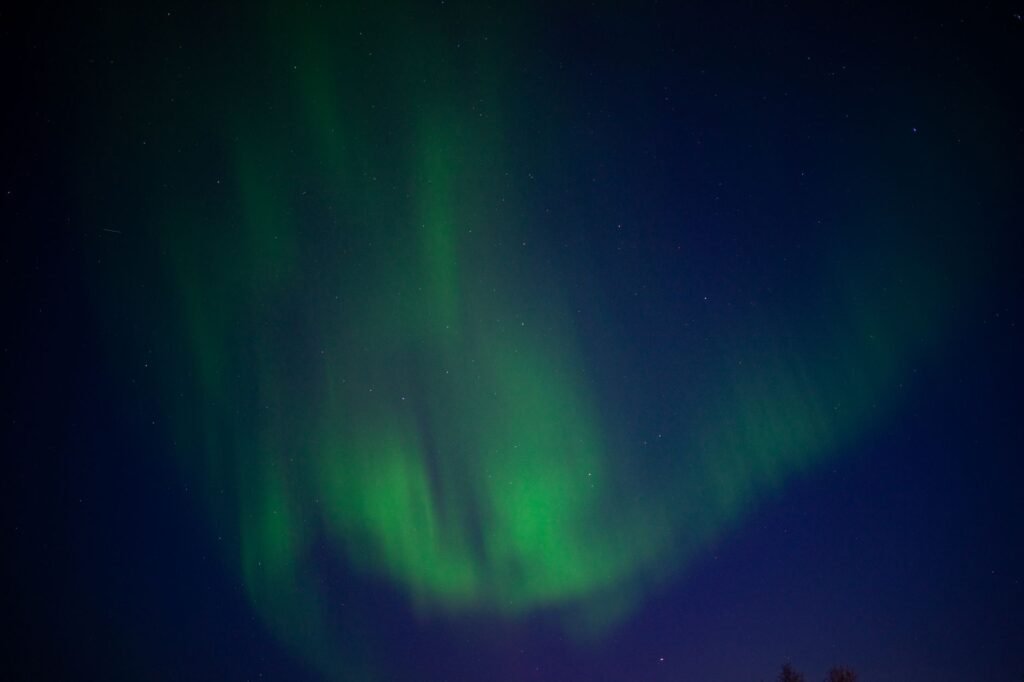
Lapland, in northern Finland, is a winter wonderland where visitors can experience unique activities such as dog sledding, snowmobiling, and visiting Santa Claus Village in Rovaniemi. The Northern Lights can often be seen here during winter months, adding to the magical experience.
Highlights in Finland
- Helsinki: A modern capital with a rich history and cultural landmarks.
- Finnish Lakeland: Ideal for outdoor activities and serene nature.
- Lapland: A winter paradise with opportunities for unique experiences.
- Savonlinna: Famous for its medieval castle and annual opera festival.
Exploring the Sami Culture in Lapland
The Rich Heritage of the Sami People
The Sami people are the indigenous inhabitants of the northern parts of Norway, Sweden, Finland, and Russia. Their culture is deeply intertwined with the Arctic landscape, characterized by a unique connection to nature and traditional practices. Visitors can gain insight into their customs, language, and lifestyle through various cultural experiences. In particular, attending a Sami festival or visiting a traditional Sami village provides a captivating glimpse into their world.
In Sami villages, you can explore traditional reindeer herding practices, which are still vital to their way of life. Many Sami families welcome visitors to their camps, allowing them to experience herding first-hand and even partake in traditional meals featuring reindeer meat.
- Reindeer sledding experiences
- Traditional Sami handicrafts workshops
- Cultural storytelling sessions
Activities to Experience Sami Traditions
Engaging in activities centered around Sami traditions can make your visit to Lapland truly memorable. Here are some recommended activities to consider during your trip:
- Participate in a traditional Sami meal featuring local ingredients.
- Join a guided tour to learn about Sami mythology and folklore.
- Attend a cultural exhibition showcasing Sami art and crafts.
These experiences not only enrich your understanding of the Sami culture but also support local communities, allowing them to share their heritage with the world.
Where to Find Sami Experiences
There are several regions in Scandinavia where you can immerse yourself in Sami culture. Some of the prime locations include:
- Rovaniemi, Finland – Home to the Sami Cultural Centre Sajos.
- Kautokeino, Norway – Known for its vibrant Sami festivals.
- Jukkasjärvi, Sweden – Offers unique Sami experiences alongside the famous Icehotel.
These destinations are well-equipped to provide visitors with authentic Sami experiences, ensuring you leave with a deeper appreciation of their rich heritage.
Scenic Coastal Towns of Norway
The Charm of Lofoten Islands
The Lofoten Islands, known for their dramatic landscapes, offer a stunning blend of mountains, sea, and traditional fishing villages. Visitors can explore picturesque towns like Reine and Henningsvær, where brightly colored cabins dot the shoreline against a backdrop of towering peaks. The islands are a haven for outdoor enthusiasts, providing numerous opportunities for hiking, kayaking, and fishing.
In addition to outdoor activities, Lofoten Islands are rich in cultural experiences. You can visit the Lofotr Viking Museum, which showcases Viking history through reconstructed longhouses and interactive exhibits. This experience allows you to step back in time and learn about the daily lives of the Vikings who once inhabited these islands.
- Viking reenactments and storytelling
- Fresh seafood tasting at local markets
- Photography workshops focusing on the northern lights
Exploring Ålesund
Ålesund is renowned for its Art Nouveau architecture and picturesque setting on the west coast of Norway. After a devastating fire in 1904, the town was rebuilt in the Art Nouveau style, making it a unique architectural gem. Visitors can wander through the streets, admiring the intricate details of the buildings, and visit the Jugendstilsenteret (Art Nouveau Centre) to learn more about this architectural movement.
For stunning panoramic views, hike up to Aksla viewpoint, which offers breathtaking vistas of the town, fjords, and surrounding islands. The nearby Atlantic Sea Park provides an engaging experience with marine life and offers guided tours to enhance your understanding of the local ecosystem.
- Art Nouveau walking tours
- Boat trips to nearby islands
- Seafood dining at local restaurants
Hidden Gems Along the Coast
While Lofoten and Ålesund are popular, several lesser-known coastal towns also offer unique experiences. Consider visiting:
- Kristiansund – Famous for its clipfish and scenic coastal routes.
- Fjærland – Known as the ‘Book Town’ with charming bookshops and stunning fjord views.
- Molde – Often referred to as the ‘City of Roses’ due to its beautiful gardens and floral displays.
Each of these towns provides a different perspective on Norway’s coastal beauty, ensuring a more rounded exploration of the region.
Unique Outdoor Adventures in Sweden
Discovering the High Coast
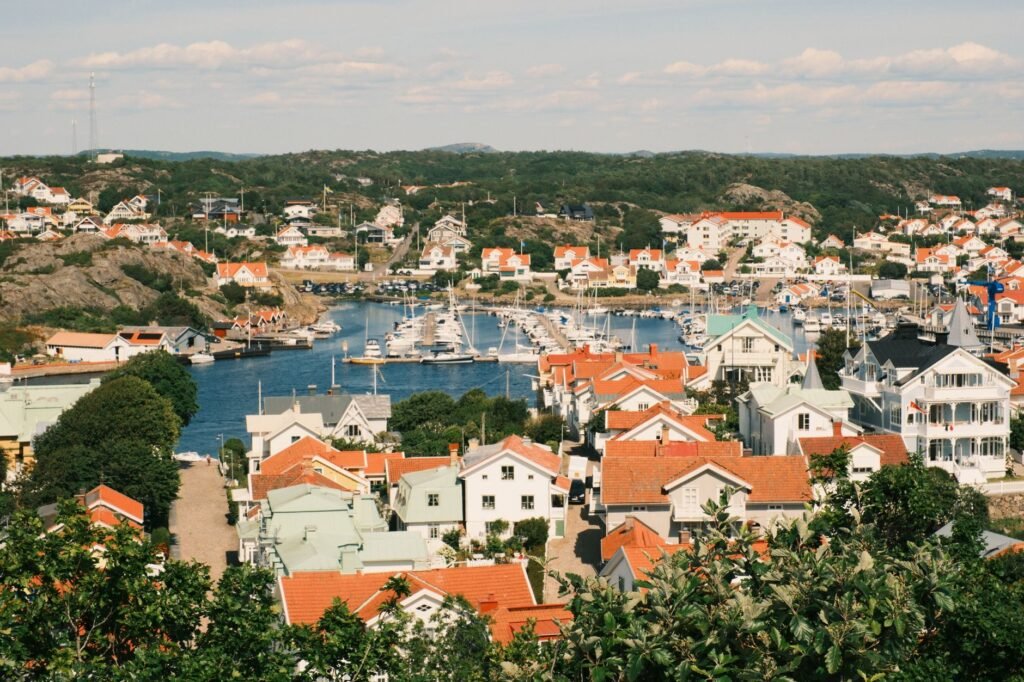
The High Coast, a UNESCO World Heritage site, is one of Sweden’s hidden gems, offering spectacular natural landscapes and a variety of outdoor activities. The area is characterized by dramatic cliffs, lush forests, and a rugged coastline. Hiking trails vary in difficulty, catering to both casual walkers and experienced trekkers. The Skuleskogen National Park features well-marked trails that take you through stunning scenery, including deep ravines and serene lakes.
For those interested in water activities, the High Coast is ideal for kayaking and sailing. Paddle through the archipelago, where you’ll encounter secluded beaches and dramatic rock formations, providing ample opportunities for exploration and relaxation.
- Guided kayaking tours
- Fishing excursions in the Baltic Sea
- Wildlife spotting, including moose and sea eagles
Canoeing in Dalarna
Dalarna is another enchanting region in Sweden, known for its picturesque lakes and rich cultural heritage. Canoeing is a popular activity in this area, allowing visitors to paddle through crystal-clear waters while enjoying the stunning surroundings. The lakes in Dalarna, such as Lake Siljan, are ideal for both leisurely paddles and more adventurous canoeing experiences.
In addition to canoeing, Dalarna is famous for its traditional red wooden houses and folk art. Visitors can explore the region’s cultural sites, such as the Zorn Museum, dedicated to the works of artist Anders Zorn, or participate in local crafts workshops to create your own Dalarna-inspired souvenirs.
- Lake Siljan canoe rentals
- Local craft workshops on Dalarna folk art
- Traditional Swedish fika experiences at lakeside cafés
Winter Sports in Åre
Åre is Sweden’s premier ski resort, attracting winter sports enthusiasts from around the world. With a variety of slopes suitable for all skill levels, Åre offers excellent skiing and snowboarding opportunities. In addition to downhill skiing, visitors can enjoy cross-country skiing, snowshoeing, and even dog sledding in the surrounding mountains.
The town also hosts a vibrant après-ski scene, with numerous restaurants and bars where you can unwind after a day on the slopes. Sampling traditional Swedish cuisine, such as reindeer stew or cloudberry dessert, is highly recommended.
- Guided skiing and snowboarding lessons
- Snowshoeing expeditions through the forest
- Dog sledding tours led by experienced mushers
Åre provides a comprehensive winter experience, making it a must-visit destination for outdoor enthusiasts.
Frequently Asked Questions
What is the best time to visit Scandinavia?
The best time to visit Scandinavia depends on your interests. Summer (June to August) offers warm weather and long days, perfect for outdoor activities. Winter (December to February) is great for winter sports and experiencing the Northern Lights.
How do I travel between Scandinavian countries?
Traveling between countries in Scandinavia is convenient, with options including flights, trains, and ferries. Each country has an efficient transport system, making it easy to explore multiple destinations.
Are there any safety concerns when traveling in Scandinavia?
Scandinavia is generally a safe region for travelers. However, it is always wise to stay aware of your surroundings, secure your belongings, and follow local guidelines, especially in crowded areas.
What unique experiences can I find in Scandinavia?
Scandinavia is rich in unique experiences, such as visiting the Icehotel in Sweden, witnessing the Midnight Sun in Norway, and exploring the vibrant food scene in Copenhagen. Each country has its own cultural festivals and traditions to experience as well.
The Bottom Line
Scandinavia is a diverse region filled with breathtaking landscapes, rich history, and vibrant culture. From the majestic fjords of Norway to the modern design of Copenhagen, there is something for everyone. By exploring the best places to visit in Scandinavia, travelers can immerse themselves in the unique experiences this region has to offer.
Visa rules, prices and opening times change. Always confirm details with official sources before you travel.