Help Me LP Europe Train Trip One Week: Your Itinerary Guide
Plan your perfect one-week train trip across Europe with our practical itinerary guide that covers top destinations and travel tips.
Planning a week-long train trip across Europe can be both exciting and overwhelming. With a rich tapestry of cultures, stunning landscapes, and historical landmarks, Europe offers countless possibilities for exploration. This guide aims to help you navigate your itinerary effectively, ensuring you experience the best that Europe has to offer within a week.
Whether you’re an experienced traveler or embarking on your first European adventure, understanding the train system is essential. Trains in Europe are not only efficient but also provide a scenic backdrop to your journey. From the rolling hills of Tuscany to the charming streets of Paris, a train trip allows you to soak in the beauty of the continent.
This guide will cover recommended routes, essential tips for travel, and a sample itinerary to help you make the most of your time. Prepare to embark on an unforgettable journey through some of Europe’s most iconic cities!
Essential Train Travel Tips
Understanding Train Types
Europe boasts various types of trains catering to different travel needs. Knowing the difference can help you choose the best option for your itinerary:
- High-Speed Trains: Trains like the Eurostar and TGV connect major cities quickly. Ideal for long distances, these trains offer comfort and speed.
- Regional Trains: Slower but more scenic, regional trains connect smaller towns and cities. They provide a more local experience and often pass through beautiful landscapes.
- Night Trains: For those looking to maximize their time, overnight trains allow you to travel while you sleep. This can save on accommodation costs and provide a unique experience.
Booking Train Tickets
Booking train tickets in advance is advisable, especially for high-speed trains that can sell out quickly. Here are some methods for booking:
- Online Booking: Websites like Rail Europe or Trainline allow you to compare prices and book tickets from the comfort of your home.
- Mobile Apps: Many European rail companies have apps for easy booking and real-time updates on schedules.
- At the Station: While you can buy tickets at train stations, be prepared for longer queues and limited availability on popular routes.
Using a Rail Pass
If you plan to travel extensively, consider purchasing a rail pass. The Eurail Pass allows unlimited travel on most trains in Europe for a set number of days. Here are some benefits:
- Flexibility: Travel on your schedule without being tied to specific dates.
- Cost-Effective: If traveling to multiple countries, a pass can save you money compared to buying individual tickets.
- Convenience: Just hop on the train without the hassle of booking each leg of your journey.

Sample Itinerary for a One-Week Train Trip
To make the most of your week in Europe, here’s a sample itinerary that covers some must-see destinations.
Day 1: Arrival in Paris
Your journey begins in Paris, the City of Light. After arriving at Charles de Gaulle Airport, take the RER train into the city center. Spend your day visiting iconic landmarks such as the Eiffel Tower and the Louvre. Enjoy a leisurely evening in Montmartre, soaking in the vibrant atmosphere.
Day 2: Explore Paris
Dedicate your second day to exploring more of Paris. Consider visiting the Notre-Dame Cathedral, and stroll along the Seine River. Don’t miss the chance to try local delicacies at a nearby bistro. In the evening, take a scenic boat cruise on the Seine to see the city illuminated at night.
Day 3: Paris to Amsterdam
On your third day, board a Thalys train to Amsterdam. The journey takes about 3.5 hours. Once in Amsterdam, explore the famous canals by bike or on foot. Visit the Anne Frank House and the Van Gogh Museum for a dose of culture.
Day 4: Amsterdam to Berlin
Travel to Berlin on a regional train, a trip that will take around 6 hours. Spend your day visiting the Berlin Wall, Brandenburg Gate, and Checkpoint Charlie. Berlin’s diverse food scene offers plenty of options for dinner.
Day 5: Discover Berlin
Dedicate your fifth day to fully experience Berlin. Visit Museum Island, home to several world-class museums. If time allows, take a stroll through Tiergarten or enjoy some local beer at a nearby brewery.
Day 6: Berlin to Prague
On day six, catch a train from Berlin to Prague, which takes approximately 4.5 hours. Upon arrival, explore the Old Town Square, Charles Bridge, and the Prague Castle. Enjoy a traditional Czech meal to end your day.
Day 7: Prague to Vienna
Your final day involves a short train ride to Vienna, lasting about 4 hours. Explore the Schönbrunn Palace and St. Stephen’s Cathedral. Wrap up your trip with a delightful dinner and a performance at the Vienna State Opera if possible.
Traveling with Luggage
Types of Luggage
When traveling by train, consider the types of luggage you’ll bring:
- Backpacks: Ideal for mobility, allowing you to navigate stations easily.
- Rolling Suitcases: Good for longer trips but may not be as convenient in crowded areas.
- Day Packs: Useful for carrying essentials while exploring cities.
Luggage Restrictions
Most European trains allow you to bring luggage without extra fees, but restrictions may vary:
- Size and Weight: Check the specific rail company for limits on dimensions and weight.
- Excess Baggage Fees: Be prepared to pay extra for oversized items, such as large backpacks or suitcases.
- Storage Options: Many trains offer overhead compartments and designated luggage areas, but space can fill up quickly.
Tips for Managing Luggage
To travel efficiently with your luggage, consider these tips:
- Packing Light: Bring only the essentials to make travel easier.
- Use Packing Cubes: These help organize your belongings and save space.
- Keep Valuables Close: Always keep important items like passports and electronics in your day pack.
Food and Dining on the Train
Dining Options
Dining while traveling by train can enhance your experience. Here are some options:
- Onboard Cafés: Many high-speed trains have dining cars with meals and snacks available for purchase.
- Bring Your Own Food: Pack a picnic or snacks to enjoy during your journey. Make sure to consider local regulations regarding food on trains.
- Station Eateries: Take advantage of meal options at train stations before boarding.
Recommendations for Local Cuisine
As you travel, sample regional specialties:
- France: Try a baguette sandwich or croissant while in Paris.
- Netherlands: Don’t miss out on stroopwafels or raw herring in Amsterdam.
- Czech Republic: Savor goulash or trdelník while in Prague.
- Austria: Enjoy schnitzel or apple strudel in Vienna.
Eating Etiquette
When dining in Europe, be aware of local customs:
- Table Manners: In many countries, it’s polite to keep both hands on the table (but not elbows).
- Paying the Bill: In some places, it’s common to split the bill, while others may expect one person to pay.
- Dining Hours: Be aware that restaurants may have specific hours for meals, especially lunch and dinner.

Exploring Train Pass Options in Europe
Understanding the Types of Train Passes
When planning your one-week train trip across Europe, it’s essential to understand the various train pass options available. The most popular choices include the Eurail Pass and the Interrail Pass. The Eurail Pass is designed for non-European residents, while the Interrail Pass caters specifically to European residents. Both passes offer unlimited travel within a certain number of days and provide access to most trains across participating countries.
In addition to these passes, some countries have their own specific travel passes. For instance, the German Rail Pass allows unlimited travel within Germany, making it ideal for those focusing their itinerary there. Meanwhile, the BritRail Pass provides unlimited train travel in Great Britain, covering England, Scotland, and Wales.
Choosing the Right Pass for Your Itinerary
Selecting the appropriate train pass can significantly enhance your travel experience. Consider your itinerary carefully. If you plan to visit several countries with a lot of train travel, a Eurail or Interrail Pass may be the best option. However, if your trip focuses on a single country, a national pass could save you money while offering similar benefits.
- Eurail Pass: Best for non-EU travelers, covers multiple countries.
- Interrail Pass: Ideal for EU residents, offers similar multi-country access.
- National Passes: Best for focused travel within a specific country.
How to Purchase Train Passes
Purchasing train passes can be done online through various rail company websites or authorized resellers. It is often advisable to buy in advance to secure the best deals and availability. Some passes require you to validate them at a railway station before your first journey, so be sure to follow the instructions carefully. Additionally, keep an eye out for seasonal promotions or discounts that can provide further savings on your travel expenses.

Maximizing Your Experience at Train Stations
Understanding Train Station Facilities
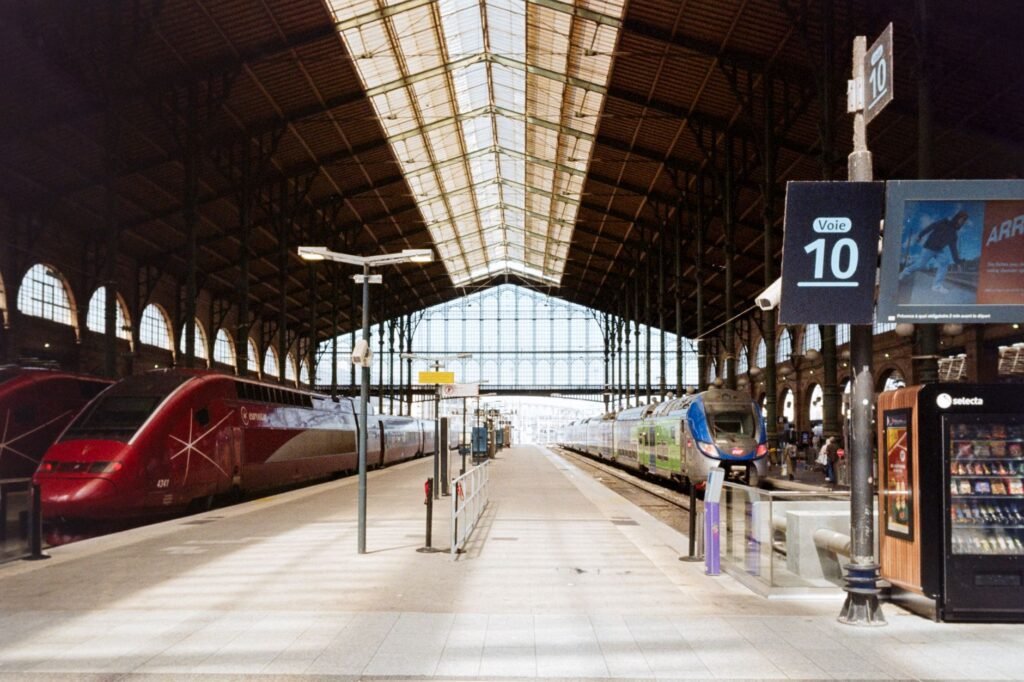
European train stations are not just transit points; they often serve as mini-cities filled with shops, eateries, and services. Familiarize yourself with the facilities available at major train stations along your route. Most large stations feature luggage storage, enabling you to explore a city without the burden of your bags. Additionally, many stations have free Wi-Fi, charging stations, and even lounges for travelers.
Take advantage of the dining options available within train stations. From local cuisine to familiar fast-food chains, you’ll have plenty of choices. Try to sample regional specialties that you may not find elsewhere. For example, if you’re passing through Lyon, France, consider stopping for a bite of the local quenelle.
Safety and Security Considerations
While train travel in Europe is generally safe, it’s wise to remain vigilant at train stations. Keep your belongings secure and be aware of your surroundings, especially in crowded areas. Consider using a money belt or a cross-body bag to deter pickpockets. If you need to leave your luggage unattended, use the station’s luggage storage services rather than leaving bags on the platform.
- Stay aware of your surroundings.
- Use luggage storage services instead of leaving bags unattended.
- Keep valuables in a money belt or secure bag.
Engaging with Local Culture
Train stations can be a great place to engage with local culture. Many stations host art exhibitions, musical performances, or local markets. Take a moment to explore these happenings, as they often provide insight into the region’s culture and history. Additionally, interacting with locals can help you discover hidden gems in the city you’re visiting.
Don’t shy away from asking station staff for recommendations on what to see and do in the area. They often have valuable insights and can direct you to lesser-known attractions that are not in typical tourist guides.
Planning for Unforeseen Circumstances
Dealing with Train Delays and Cancellations
Train travel can sometimes be unpredictable, with delays or cancellations due to various factors. It’s essential to be prepared for such situations. Stay updated on your train status through apps or the rail company’s website. In the event of a delay, check the notice boards at the station for alternative travel options. Most train operators offer compensation or rebooking options if your train is significantly delayed or canceled.
Having a flexible itinerary can help mitigate the frustration of delays. If you have a packed schedule, consider allocating extra time for travel between destinations. This way, a delay won’t throw off your entire day. Alternatively, familiarize yourself with nearby attractions to visit while waiting for your next train.
Communication and Language Barriers
Language barriers can pose a challenge when traveling throughout Europe. While many train staff speak English, it’s beneficial to learn a few basic phrases in the local language of each country you visit. Simple greetings and phrases like ‘thank you’ or ‘where is the platform?’ can go a long way in enhancing your travel experience.
- Learn basic phrases in the local language.
- Use translation apps to bridge communication gaps.
- Practice patience and friendliness when interacting with locals.
Health and Safety Precautions
When traveling, it’s important to keep health and safety in mind. Ensure you have travel insurance that covers health emergencies abroad. Familiarize yourself with local healthcare facilities in the countries you are visiting. Always carry any necessary medications and keep them in their original packaging to avoid issues at border crossings.
Additionally, be aware of any health protocols or travel advisories in place, particularly in light of any recent global health events. Carry hand sanitizer and follow hygiene practices to ensure a safe and enjoyable journey.
Frequently Asked Questions
What is the best time to travel by train in Europe?
The best time for train travel in Europe is during the spring (April to June) and fall (September to October). These months generally offer pleasant weather and fewer crowds compared to the summer peak season.
How do I find train schedules?
Train schedules can be found on the official websites of rail companies, such as Eurostar, SNCF, or Deutsche Bahn. Additionally, mobile apps like Trainline provide real-time updates and schedules.
Can I use my phone for train tickets?
Yes, many train companies allow you to purchase and display tickets on your smartphone. Ensure that your ticket is downloaded and easily accessible before boarding your train.
What should I do if my train is delayed?
If your train is delayed, check the display boards at the station for updates. You can also inquire at the information desk. If you have a valid ticket, you may be entitled to compensation depending on the rail company’s policy.
The Bottom Line
Planning a week-long train trip across Europe offers a unique opportunity to explore diverse cultures and stunning landscapes. With the right itinerary and preparation, you can make the most of your travels. Focus on essential tips such as understanding the train system, booking in advance, and being mindful of your luggage. Enjoy your adventure through Europe, and embrace the beauty this continent has to offer!
Visa rules, prices and opening times change. Always confirm details with official sources before you travel.