
Safety Tips for Traveling in Europe
Introduction
Europe captivates travelers with its historic cities, diverse cultures, art-filled streets, and dynamic food scenes. From the cobblestone alleys of Rome to the modern quarters of Berlin and the serene lakes of Switzerland, every country offers a unique story waiting to be explored. Yet, with so much excitement, many travelers forget that even the most beautiful destinations can come with challenges. Ensuring your safety does not mean limiting your adventure; it means being prepared so you can experience the continent with confidence.
In this detailed guide, you will discover practical and actionable safety tips for traveling in Europe. It covers essential precautions before and during your trip, guidance on avoiding common scams, advice on health and emergency preparedness, and insights into navigating different environments responsibly. Whether you are backpacking across multiple countries or enjoying a single city getaway, these insights will help you travel smart and stay secure.
1. Preparing Before You Go
Research Entry Requirements and Local Laws
Every European country has its own visa rules, customs regulations, and cultural norms. Before you arrive, research the requirements for each destination on your itinerary. For travelers coming from outside the European Union, the Schengen Agreement allows movement between many countries with a single visa, but some destinations like the United Kingdom or Croatia have separate entry policies. Understanding these details helps you avoid unexpected border issues.
Familiarize yourself with local laws, especially those related to identification, public behavior, and controlled substances. Simple habits like carrying your passport or an official copy at all times might be mandatory in some nations, while others expect you to present proof of accommodation when requested by authorities.
Make Copies of Important Documents
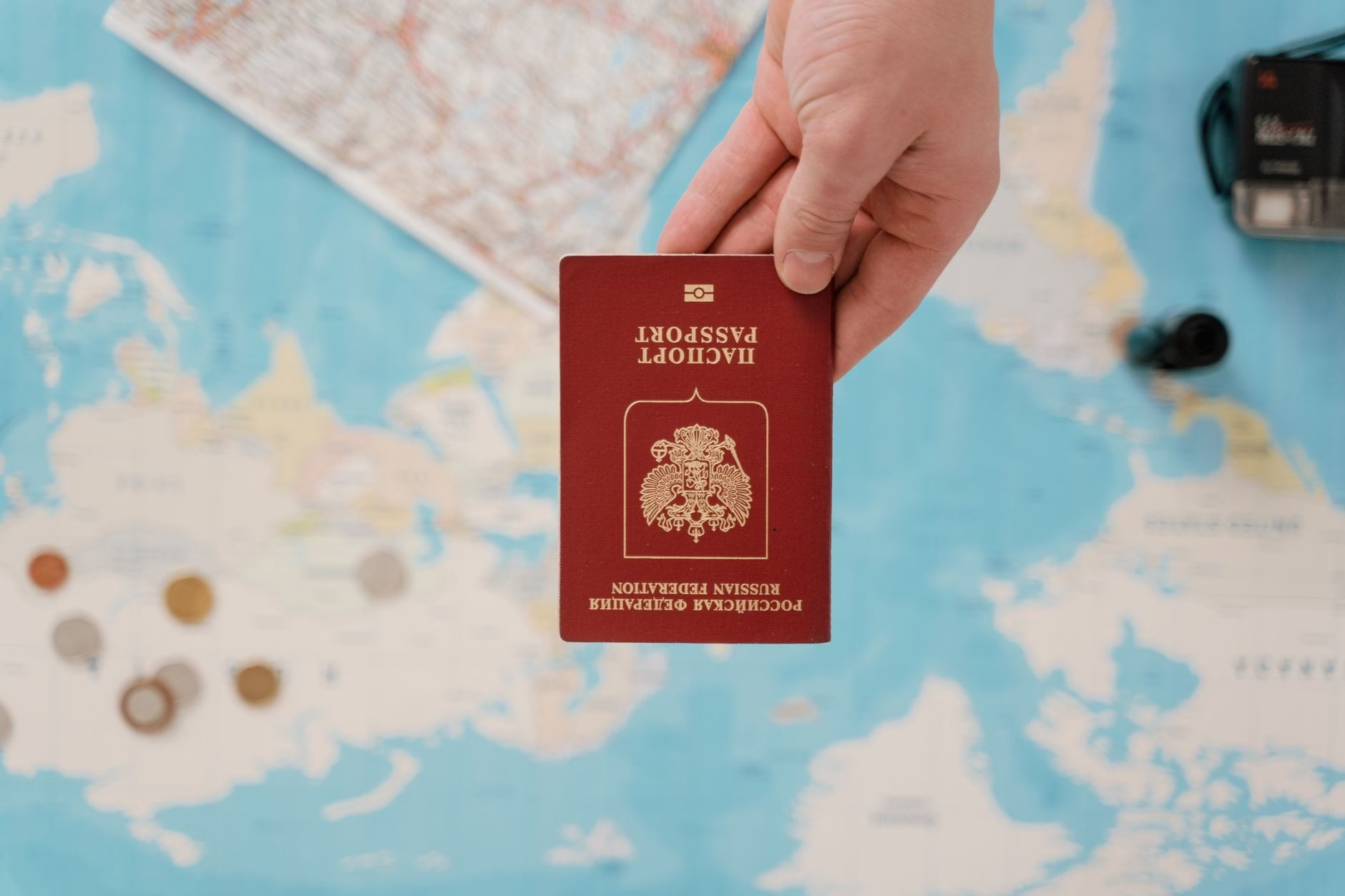
Always make digital and physical copies of your passport, visa, travel insurance, and important phone numbers. Keep these copies in a separate location from the originals. Cloud storage or encrypted digital backups are excellent options, as they allow access in case of loss or theft.
Purchase Comprehensive Travel Insurance
Travel insurance is one of the most important safety investments you can make. Choose a policy that covers theft, medical emergencies, flight cancellations, and evacuation. Healthcare in Europe is excellent, but without insurance, costs can be substantial. Always carry your insurance contact details and know which hospitals or clinics near your destinations accept foreign visitors.
2. Staying Aware in Crowded Places
Understand the Nature of Pickpocketing
Pickpocketing is one of the most common petty crimes in Europe, particularly in heavily visited cities such as Paris, Barcelona, and Prague. Thieves often work in teams and target distracted tourists in crowded attractions, public transportation, and busy cafes.
To protect yourself:
- Keep valuables out of accessible pockets.
- Use crossbody bags that close securely and wear them in front of you.
- Avoid placing phones or wallets on café tables.
- Remain cautious when someone tries to engage you in conversation too eagerly in busy areas.
Use Secure Payment Methods
Instead of carrying large amounts of cash, rely on credit or debit cards that offer fraud protection. Contactless payments and travel-friendly digital wallets reduce your need to withdraw frequent cash. When you must use an ATM, prefer those located inside banks or shopping centers rather than isolated machines on the street.
3. Transportation and Mobility Safety
Navigating Public Transit Efficiently
European transportation networks are reliable and extensive, covering trains, trams, subways, and buses. However, travelers unfamiliar with systems may become easy targets for scammers posing as helpers. Purchase tickets from official counters or machines and validate them before boarding. Keep your belongings on your lap or between your feet instead of in overhead racks.
Taxis and Ride-Sharing Precautions
Use only licensed taxis with visible identification numbers or recognized ride-hailing services. Verify car and driver details before entering. If in doubt, ask your hotel or accommodation host to call a trusted service for you. Refuse offers from drivers who approach you directly at airports or train stations with no official identification.
Renting Cars Safely
When renting a vehicle, inspect it before driving and photograph any existing damage. Understand local driving rules, especially speed limits and parking restrictions. Road signs may not always follow the same conventions as in your home country, so familiarize yourself with the basics ahead of time. Use secure car parks and avoid leaving valuables visible inside vehicles.
4. Health and Emergency Preparedness
Carry a Basic Health Kit
Include essential medications, pain relievers, bandages, and any prescribed treatments in your travel kit. Some countries require prescriptions for medicines that are freely available elsewhere, so bring original documentation for anything you carry.
Stay Informed About Emergency Numbers
Most European countries use 112 as a unified emergency number, connecting you to police, fire, or medical services. Keep this number saved and visible in case of urgent situations. Additionally, note the contact details of your embassy or consulate in each country you visit.
Monitor Your Health in Different Climates
Europe’s climates vary considerably, from the hot Mediterranean summers to colder northern regions. Stay hydrated when exploring sun-soaked cities like Athens or Lisbon, and layer up when visiting mountainous or northern destinations. Travelers often underestimate temperature changes that occur between day and night, especially in spring and autumn.
5. Avoiding Tourist Scams and Fraud
Recognize Common Scams
Europe is generally safe, but tourist scams exist in almost every major city. Some classic examples include:
- Fake petitions or surveys designed to distract you while someone else steals your belongings.
- Overpriced taxi rides where meters are turned off.
- Street performers or photo opportunities that suddenly demand payment.
- Restaurant bills that include charges you did not order.
Always check reviews, confirm prices upfront, and keep a polite yet firm attitude when approached unexpectedly.
Protect Your Digital Information
Cybercrime rarely comes to mind during travel, but unsecured Wi-Fi networks can expose personal information. Use a virtual private network (VPN) when connecting to public Wi-Fi in cafés, airports, or hotels. Avoid logging into banking apps or sensitive accounts unless you are using a trusted network.
6. Cultural Awareness and Local Sensitivity
Understanding local customs enhances safety and enriches your experience. In some southern European cultures, public displays of loud behavior can attract unnecessary attention. In countries such as Germany or Switzerland, crossing streets outside designated zones can result in fines. Dress appropriately in sacred or conservative areas, and show respect by learning a few local greetings and etiquette basics. Awareness demonstrates goodwill and minimizes uncomfortable confrontations.
7. Safe Accommodation Practices
Select accommodations that have consistent positive reviews regarding safety and cleanliness. Upon arrival, familiarize yourself with emergency exits and hotel security policies. Keep valuables in a room safe if provided, but avoid storing cash or passports there for extended periods without verification of the hotel’s reliability. When using vacation rentals or hostels, confirm the legitimacy of listings through trusted platforms and communicate only through official messaging channels.
Conclusion
Traveling through Europe is one of the most rewarding experiences imaginable. Its history, art, and landscapes captivate millions of visitors each year. By taking thoughtful safety measures and staying aware of your surroundings, you can ensure that your journey remains positive and worry-free. Preparation, mindfulness, and respect for local practices are the keys to traveling smart. Europe welcomes adventurous spirits, and when you combine curiosity with careful planning, you gain the confidence to explore every charming square, mountain trail, and seaside village with peace of mind.
Further Reading
3 Day Istanbul Itinerary for First Time Visitors
Travel to Somalia; How I Traveled to Mogadishu
Free Family Things to do in Chicago Today
How to Spend Four Days in Hong Kong