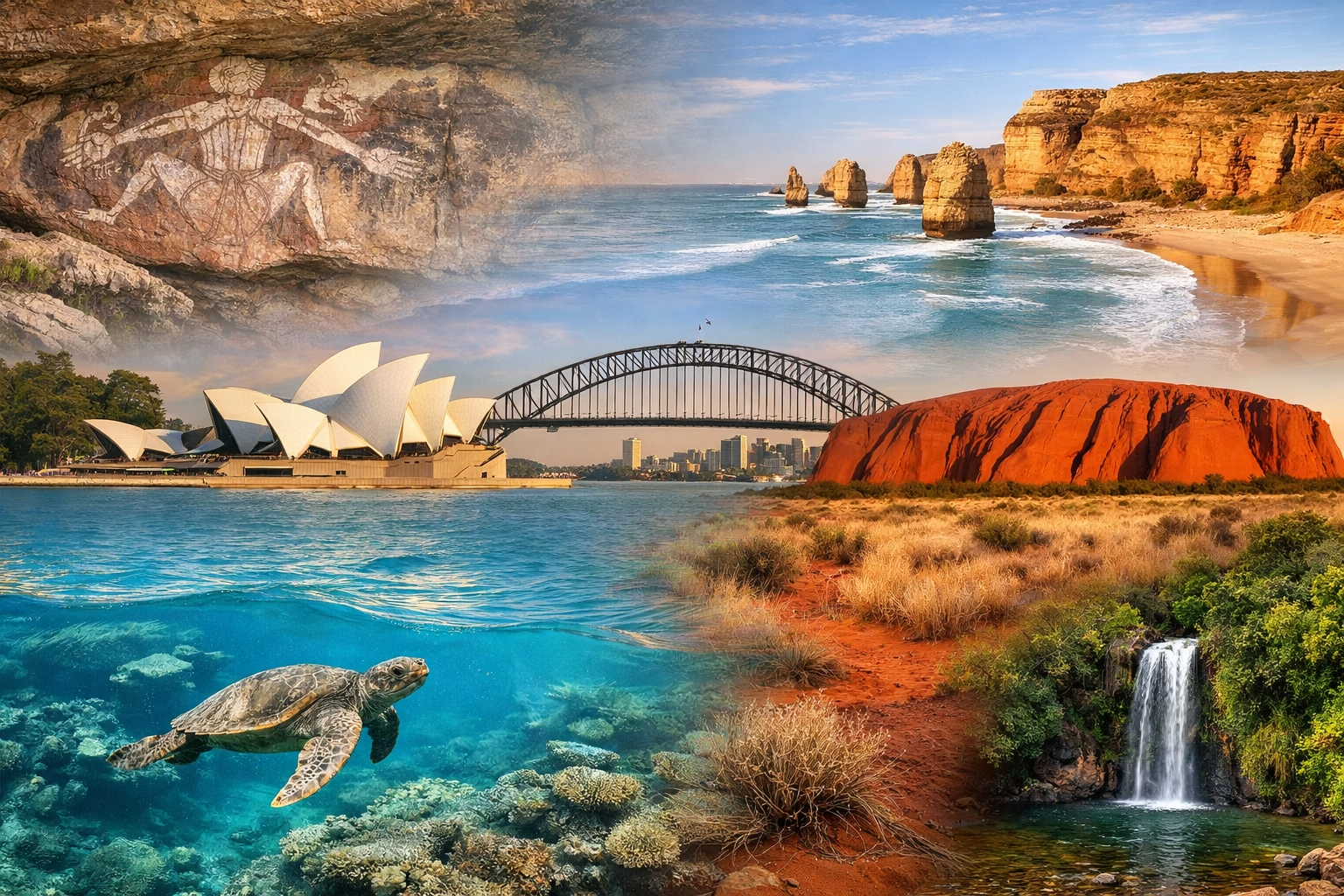
Australia’s natural and cultural heritage is a story written in ancient rock formations, coral gardens, and sacred landscapes that stretch far beyond imagination. From vast deserts shaped by Aboriginal culture to marine worlds teeming with life, the country is home to some of the most extraordinary UNESCO World Heritage Sites on Earth. By exploring them, travelers not only witness breathtaking scenery but also gain a profound understanding of Australia’s deep historical and environmental legacy.
In this guide, we will take a detailed journey through some of Australia’s most remarkable UNESCO World Heritage Sites. You will discover where they are, what makes them exceptional, and how to experience them responsibly. Whether you are a nature lover, adventurer, historian, or cultural traveler, these destinations will leave you inspired and connected to the world on a new level.
The Great Barrier Reef
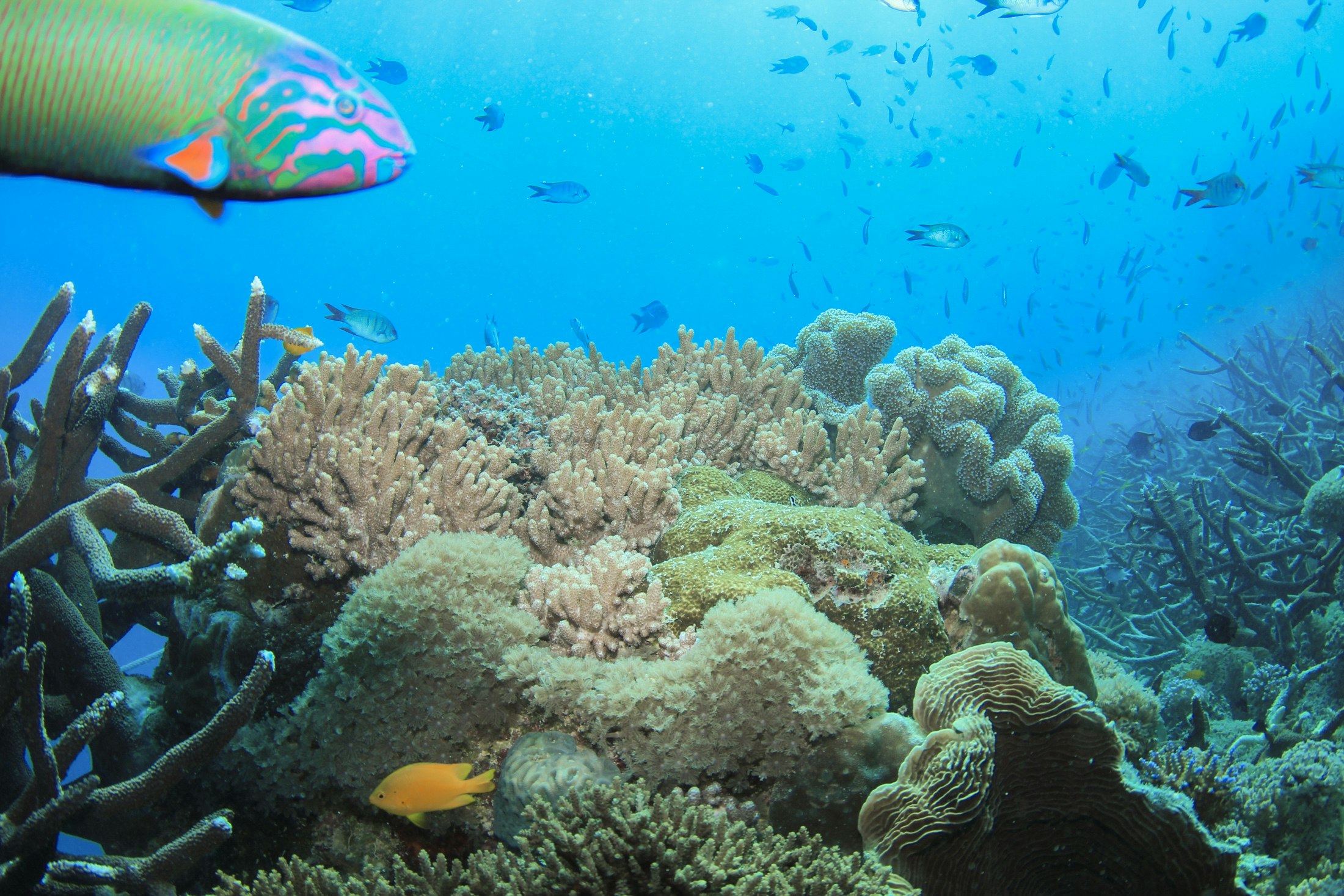
No destination captures the wonder of the natural world quite like the Great Barrier Reef. Stretching over 2,300 kilometers along Queensland’s coast, this marine paradise is the largest coral reef system on the planet and one of Australia’s most famous attractions.
Why It Matters
The reef’s immense biodiversity includes more than 1,500 species of fish, 400 types of coral, dolphins, sea turtles, and even the elusive dugong. It is not just a stunning natural wonder but also a living laboratory illustrating the delicate balance of marine ecosystems.
How to Experience It
Travelers can explore the reef from numerous coastal towns such as Cairns, Port Douglas, and the Whitsunday Islands. The most rewarding ways to experience it include:
- Snorkeling and Diving: Join eco-certified operators who focus on reef preservation while offering access to pristine coral gardens.
- Sailing Adventures: Charter a catamaran around the Whitsundays for a serene encounter with turquoise lagoons and secluded beaches.
- Scenic Flights: Discover the reef’s immensity from above, with panoramic views that reveal its swirling coral patterns and endless shades of blue.
Conservation is key here. Travelers should always follow sustainable practices, such as using reef-safe sunscreen and supporting tour operators that actively contribute to restoration efforts.
Uluru-Kata Tjuta National Park
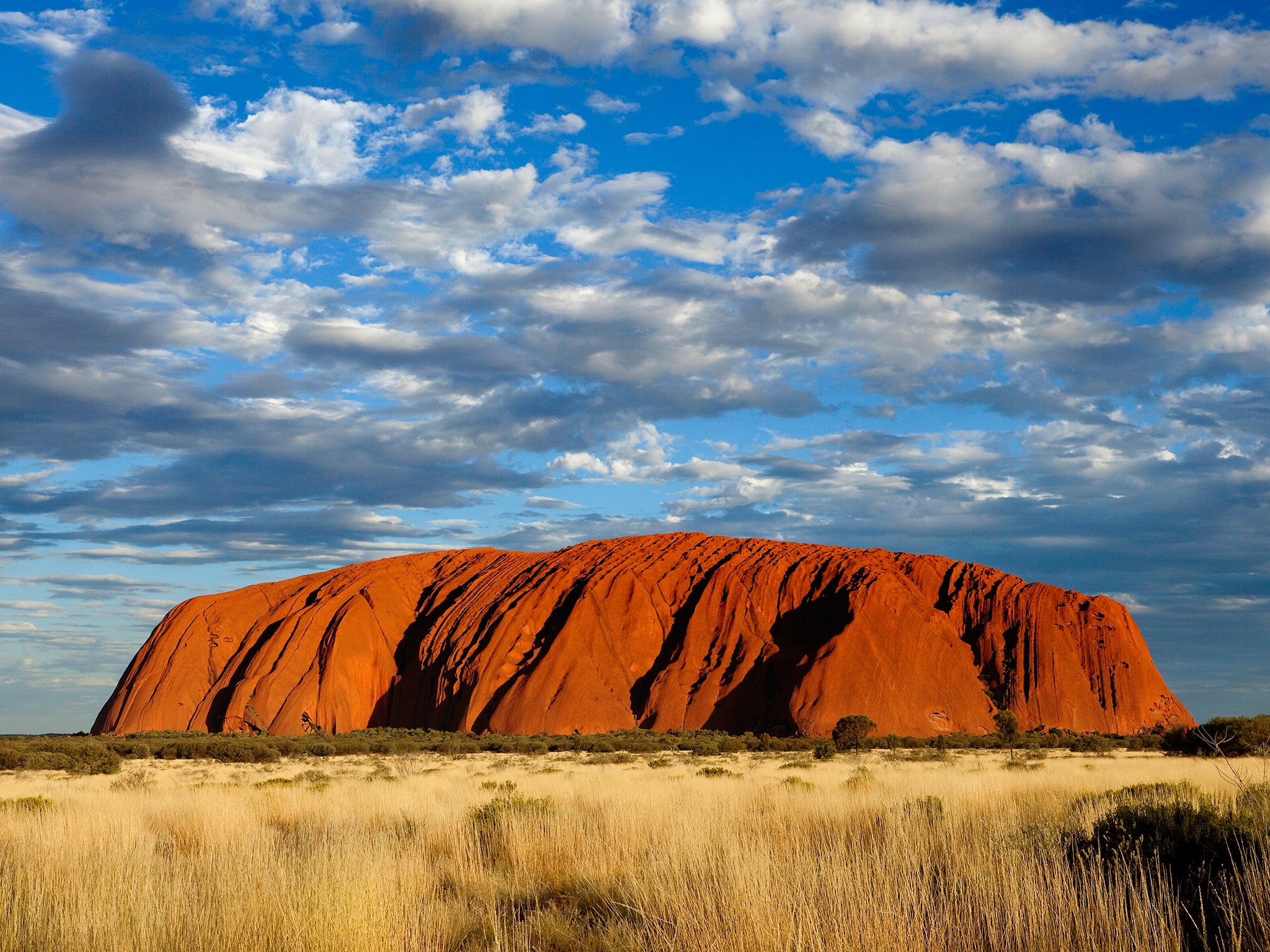
Deep in Australia’s Red Centre lies Uluru-Kata Tjuta, a landscape that embodies the spiritual heartbeat of Aboriginal Australia. The park, recognized by UNESCO for both its cultural and natural significance, is owned by the Anangu people who have lived here for tens of thousands of years.
Cultural Significance
Uluru, the massive sandstone monolith, rises dramatically from the desert plain, transforming in color as the sun moves across the sky. Every shade of ochre tells a story from the Dreamtime, the sacred narrative of Aboriginal creation. Nearby, the 36 domes of Kata Tjuta, meaning “many heads,” hold equally rich cultural connections.
Visitors can join Anangu-guided walks that provide deep insight into the land’s meaning, ancient rock art, and traditional bush foods. The experience goes far beyond sightseeing—it is a chance to listen, learn, and reflect.
Travel Tips
Base yourself in the nearby town of Yulara, where eco lodges and cultural centers provide comfort and context. Sunset and sunrise viewing areas offer unforgettable perspectives, but remember that climbing Uluru is no longer allowed out of respect for its sacred value.
Kakadu National Park
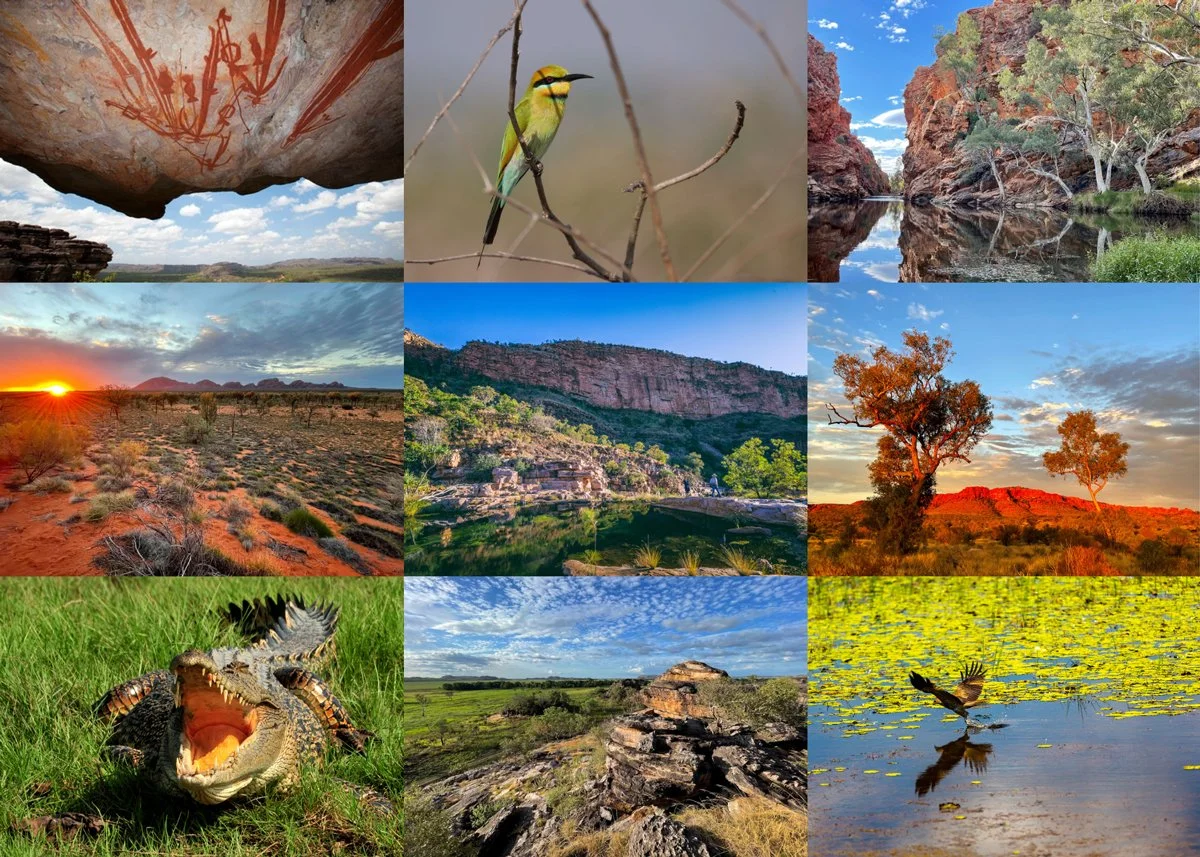
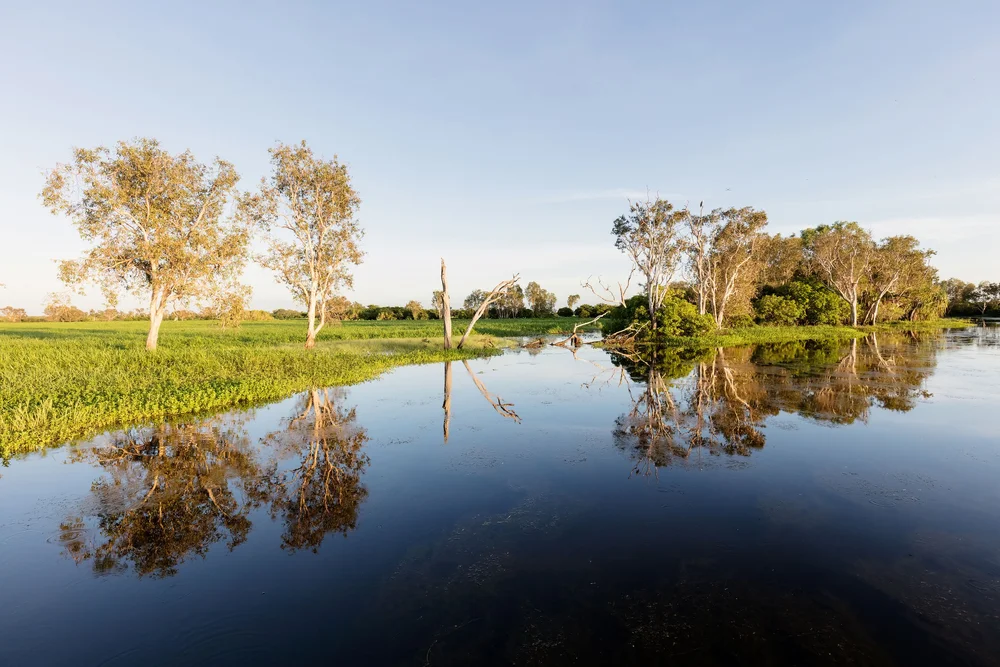
In Australia’s Northern Territory, Kakadu National Park spreads across a vast area of tropical savanna, wetlands, and sandstone escarpments. It is the country’s largest national park and a living cultural archive that tells stories spanning over 65,000 years.
Nature and Culture Intertwined
Kakadu’s ecosystems are incredibly diverse. You can witness saltwater crocodiles in rivers, spot wallabies along hiking trails, and admire waterfalls that thunder down red cliffs during the wet season. Yet, it is the rock art sites that truly make Kakadu extraordinary, with thousands of ancient paintings still visible in places like Ubirr and Nourlangie.
Planning Your Visit
The best time to explore Kakadu is between May and October, when the dry season allows for easy access to walking trails and waterfalls. Some experiences not to miss include:
- Yellow Water Billabong Cruise: A peaceful trip through wetlands alive with birdlife.
- Jim Jim Falls and Twin Falls: Powerful cascades surrounded by jungle and towering cliffs.
- Cultural Tours: Led by local Bininj and Mungguy people who share stories about traditional life and spiritual connection to the land.
Because of its remoteness, it is wise to allow at least three to four days for a proper visit. If traveling during the wet season, check road conditions before setting out.
The Tasmanian Wilderness World Heritage Area
Covering nearly one fifth of Tasmania, this vast protected region offers one of the purest natural environments on the planet. The Tasmanian Wilderness World Heritage Area combines awe inspiring landscapes with ancient cultural history.
Why It’s Exceptional
It contains dramatic mountain ranges, glacial lakes, temperate rainforests, and caves that hold evidence of human occupation dating back more than 30,000 years. UNESCO recognized it for both its outstanding natural beauty and its archaeological importance, one of the few places on Earth to hold this dual listing.
How to Explore
Travelers can experience the best of this wilderness in several ways:
- Cradle Mountain-Lake St Clair National Park: Hike the world famous Overland Track or enjoy day walks among alpine peaks and reflective lakes.
- Franklin-Gordon Wild Rivers National Park: Ideal for white water rafting or scenic drives through untouched forests.
- Southwest National Park: A remote area best explored by small aircraft or extended trekking, perfect for those seeking solitude in nature.
Tasmania’s unpredictable weather means visitors should plan flexibly and always carry proper gear. The reward is complete immersion in nature that feels timeless and untouched.

The Greater Blue Mountains Area
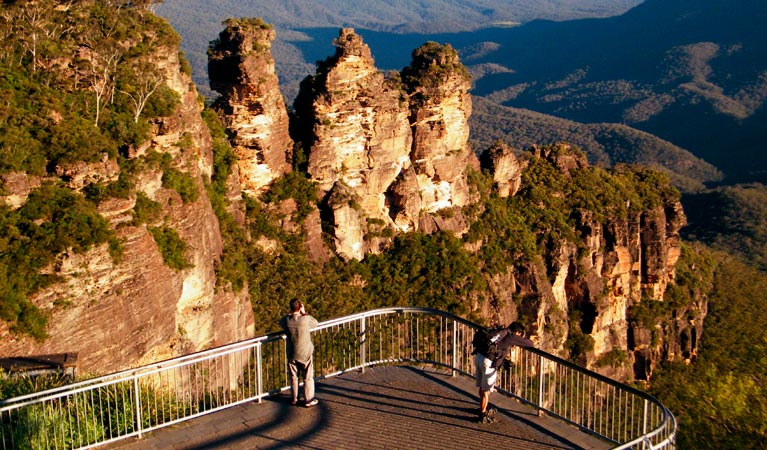
Just a short journey from Sydney, the Greater Blue Mountains Area reveals a world of sandstone cliffs, deep valleys, and eucalyptus forests that stretch endlessly into the horizon. Protected as a UNESCO site for its ecological diversity, this region showcases why Australia is a continent defined by its landscapes.
Experience Highlights
- Scenic Lookouts: Echo Point in Katoomba offers views of the iconic Three Sisters rock formation.
- Bushwalking Trails: The Grand Canyon Walk and Wentworth Falls tracks lead through lush forest and cascading waterfalls.
- Aboriginal Heritage: Guided tours reveal ancient rock art and Dreamtime stories that connect the land and its people.
Visitors can easily make a day trip from Sydney, but an overnight stay in a mountain lodge allows time to explore the charming local towns such as Leura and Blackheath, known for boutique cafes and gardens.
Shark Bay, Western Australia
On the edge of the Indian Ocean lies Shark Bay, a place where marine science meets raw beauty. It is known for its evolutionary significance and otherworldly landscapes, making it one of Australia’s most unique World Heritage Sites.
What Makes It Special
Shark Bay is home to stromatolites, ancient living fossils that represent some of the earliest forms of life on Earth. The area also hosts one of the planet’s largest seagrass meadows which supports a diverse population of dugongs, turtles, and dolphins.
How to Visit
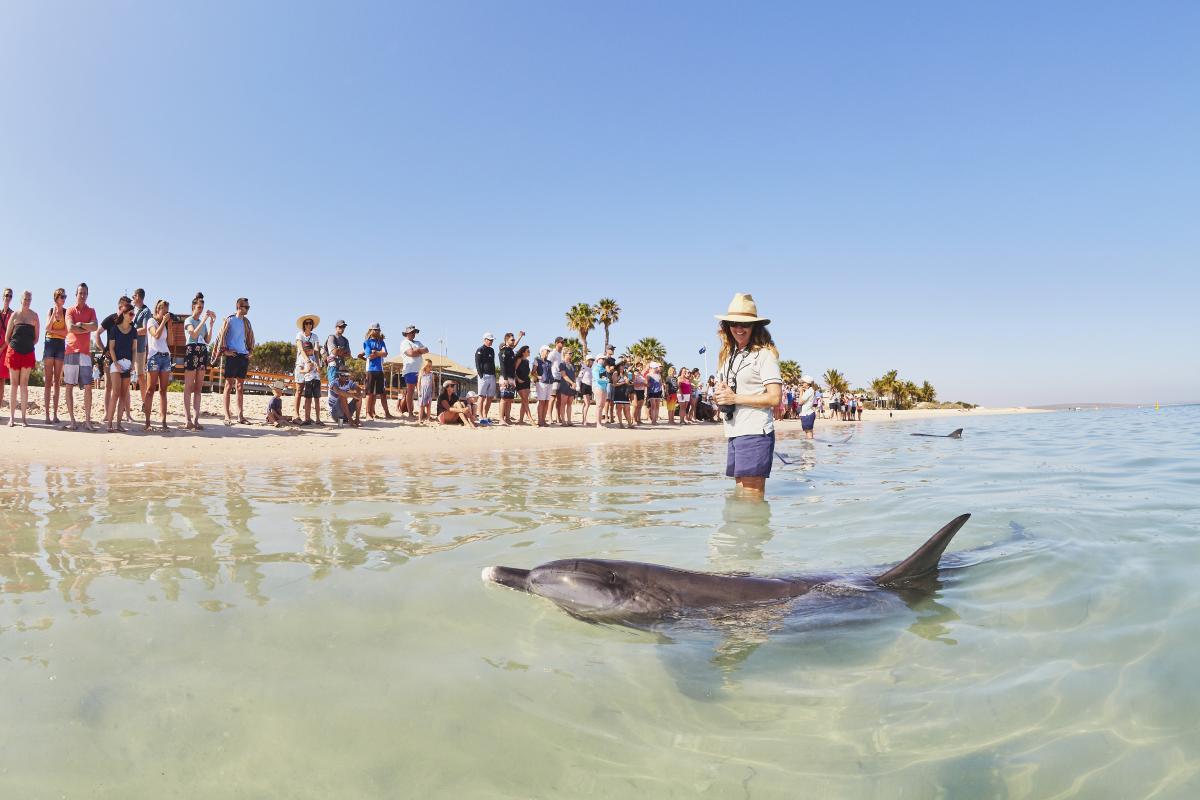
Monkey Mia, the most famous spot in the bay, offers a chance to watch wild dolphins approach the shore under the guidance of park rangers. Travelers can also explore Francois Peron National Park for vibrant red dunes contrasting with turquoise seas, or take a scenic drive to Shell Beach, composed entirely of tiny white shells instead of sand.
Traveling here requires a sense of adventure and respect for nature, but the reward is an intimate encounter with ecosystems that feel primeval and delicate.
Conclusion
Australia’s UNESCO World Heritage Sites reveal a nation shaped by both ancient natural forces and living cultural traditions. From the coral gardens of the Great Barrier Reef to the sacred desert monolith of Uluru, from rainforest depths in Tasmania to the timeless wetlands of Kakadu, these sites tell the story of a continent still wild at heart.
Traveling to these places is not just about sightseeing. It is about connection— to history, to nature, and to the people who safeguard them. For every traveler who values authenticity and discovery, exploring Australia’s World Heritage Sites is an experience that changes how you see the planet itself.
Further Reading
China Visa Guide for Tourists
5 Day Rome Itinerary with Must See Attractions
Travel to Somalia; How I Traveled to Mogadishu
Free Family Things to do in Chicago Today
How to Spend Four Days in Hong Kong