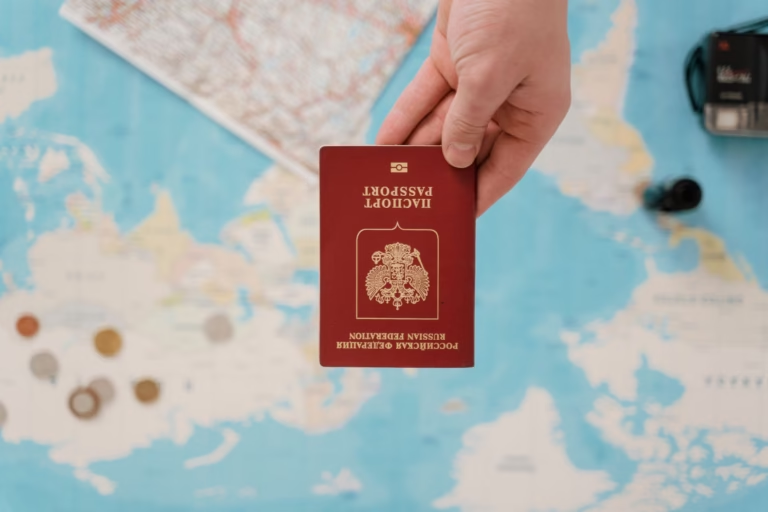
Visa Requirements for Taiwan: Essential Information for Travelers
Discover essential visa requirements for Taiwan, including types of visas, application processes, and tips for a smooth travel experience.
Traveling to Taiwan can be an exciting adventure, as this island nation is rich in culture, history, and stunning landscapes. However, before you pack your bags and book your flight, it’s crucial to understand the visa requirements for Taiwan. This guide will provide you with detailed information on the types of visas available, application processes, and other essential tips to ensure a smooth travel experience.
Whether you’re planning a short vacation, studying abroad, or embarking on a business trip, knowing the visa regulations can save you time and potential complications. Taiwan’s immigration policies are designed to facilitate tourism and business while ensuring security. Therefore, it’s important to stay informed about the latest updates and requirements.
In this comprehensive guide, we will explore different visa types, the application process, visa-free entry options for various nationalities, and tips for extending your stay. Let’s dive into the specifics of obtaining a visa for Taiwan.
Types of Visas for Taiwan
Taiwan offers several types of visas depending on the purpose of your visit. Understanding these categories is essential for selecting the correct visa. Below are the main types of visas available:
Visitor Visa (Tourist Visa)
The Visitor Visa, often referred to as a tourist visa, is for individuals traveling to Taiwan for leisure, tourism, or visiting friends and family. This visa typically allows for stays of up to 90 days. Depending on your nationality, you may need to apply for this visa in advance.
Business Visa
If you plan to visit Taiwan for business purposes, such as attending meetings, conferences, or exploring business opportunities, you will need a Business Visa. This visa is generally valid for multiple entries and allows stays of up to 90 days per visit.
Student Visa
Students wishing to study in Taiwan must apply for a Student Visa. This visa is available for full-time study programs and is typically valid for the duration of the course. Applicants must provide proof of enrollment from a recognized educational institution in Taiwan.
Work Visa
For individuals seeking employment in Taiwan, a Work Visa is required. This visa type necessitates sponsorship from an employer in Taiwan and is subject to specific regulations based on the type of work performed.
Residence Visa
Individuals planning to stay in Taiwan for an extended period, such as permanent residents or family members of Taiwanese citizens, must apply for a Residence Visa. This visa has various categories, including marriage to a Taiwanese citizen or investment in a business in Taiwan.
Visa Application Process
Applying for a visa to Taiwan involves several steps, and the process may vary based on the type of visa you are applying for. Below is a general overview of the application process:
Gather Required Documents
Before applying, ensure you have all necessary documents. Common requirements include:
- Completed visa application form
- Passport valid for at least six months beyond your intended stay
- Recent passport-sized photographs
- Proof of travel arrangements (flight itinerary)
- Proof of accommodation (hotel booking)
- Financial statements demonstrating sufficient funds for your stay
- Additional documents based on visa type (e.g., invitation letter for business visa, acceptance letter for student visa)
Submit Your Application
Once you have gathered all required documents, you can submit your application to a Taiwanese diplomatic mission or consulate in your country. Some applicants may also have the option to apply online, depending on their nationality and the type of visa.
Pay Application Fees
Application fees vary based on the visa type and processing time. Ensure that you check the specific fee for your visa category and payment methods accepted by the consulate or embassy. Keep in mind that fees are generally non-refundable, even if your visa is denied.
Visa-Free Entry to Taiwan
Many countries have visa-free arrangements with Taiwan, allowing travelers to enter without a visa for short stays. Understanding these exemptions can simplify your travel plans significantly.
Countries Eligible for Visa-Free Entry
Below is a list of countries whose citizens can enter Taiwan without a visa for short stays, typically ranging from 14 to 90 days, depending on the nationality:
- United States
- Canada
- United Kingdom
- Australia
- Japan
- South Korea
- Most European Union countries
Length of Stay and Conditions
The length of stay allowed under visa-free entry can vary. For example, citizens from the United States can stay for up to 90 days, while travelers from certain Southeast Asian countries may only be allowed to stay for 30 days. It’s crucial to check the specific terms that apply to your nationality before traveling.
Requirements for Visa-Free Entry
Even if you qualify for visa-free entry, there are still requirements to fulfill, including:
- A passport valid for at least six months
- Proof of onward travel (return ticket)
- Proof of sufficient funds for your stay
Extending Your Stay in Taiwan
If you find yourself wanting to stay longer in Taiwan than your visa allows, it is possible to apply for an extension. However, certain conditions must be met.
Eligibility for Extension
Not all visa types are eligible for extension. Typically, visitor visas can be extended for an additional 30 days, provided that:
- You apply before your current visa expires.
- You can demonstrate valid reasons for the extension (e.g., medical issues, family emergencies).
- You provide the required documentation.
Application Process for Extension
To extend your stay, visit the National Immigration Agency (NIA) office in Taiwan. Bring the necessary documents, including your passport and any supporting documentation for your extension request. The process usually takes a few days, so it’s advisable to apply well in advance of your visa expiration.
Fees for Visa Extension
There is typically a fee associated with the visa extension application. Be prepared to pay this fee when submitting your extension request. The exact amount can vary, so check with the NIA for the most current fees.
Health and Safety Considerations
When traveling to Taiwan, it’s essential to consider health and safety factors, especially in the context of visa requirements.
Health Insurance Requirements
While health insurance is not a mandatory requirement for entering Taiwan, it is highly advisable to have coverage during your stay. This is particularly important for visitors on a long-term visa or those planning to engage in activities with potential risks, such as extreme sports.
COVID-19 Regulations
Travelers should also stay informed about any COVID-19-related regulations in Taiwan. Depending on the situation, requirements may include proof of vaccination, negative test results, or quarantine upon arrival. Ensure that you check the latest updates from the Taiwanese government before your trip.
Local Safety Tips
Taiwan is generally considered a safe destination for travelers. However, it is always wise to exercise caution. Some practical safety tips include:
- Keep your belongings secure, especially in crowded areas.
- Be aware of local laws and customs.
- Know emergency contact numbers and the location of your country’s embassy or consulate.
Visa Fees and Payment Methods
Understanding Visa Fees
When applying for a visa to Taiwan, it is essential to understand the associated fees. The cost of a visa can vary depending on the type of visa you are applying for, the duration of your stay, and your nationality. Generally, tourist visas are less expensive compared to work or student visas. Here are some typical visa fees based on the visa type:
- Tourist Visa: Approximately $50 – $100
- Business Visa: Approximately $100 – $200
- Student Visa: Approximately $50 – $150
It is always advisable to check the official website of the Taipei Economic and Cultural Office (TECO) in your country for the most current fees, as they can change without notice.
Payment Methods
When you are ready to pay for your visa application, be aware that different offices may accept various payment methods. Common options include:
- Credit and Debit Cards: Most TECO offices accept major credit cards.
- Bank Transfer: Some applicants may opt to transfer funds directly to the embassy’s account.
- Cash: In certain locations, cash payments might be accepted.
Before making any payments, it is wise to confirm the acceptable methods of payment with the specific TECO office handling your application.

Visa Processing Times
Standard Processing Times
The processing time for a visa application can vary widely depending on the type of visa and the volume of applications being handled by the embassy or consulate. Generally, applicants should expect:
- Tourist Visa: 3 to 5 working days
- Business Visa: 5 to 10 working days
- Student Visa: 5 to 15 working days
It is advisable to apply for your visa well in advance of your planned travel date, as delays can occur due to factors such as peak application periods and incomplete documentation.
Expedited Processing Options
If you find yourself in need of a visa on short notice, some TECO offices offer expedited processing for an additional fee. This can significantly reduce the waiting time, often to as little as 24 hours. However, this service may not be available in all regions, and you must confirm its availability beforehand.
When utilizing expedited services, ensure that all your documents are complete and correct to avoid further delays. It is also crucial to inquire about any additional costs associated with expedited processing.
Special Considerations for Specific Nationalities
Countries with Special Visa Agreements
Some countries have special agreements with Taiwan that simplify the visa application process. Citizens from these countries may enjoy streamlined procedures or lower fees. For example, citizens from nations such as Japan, South Korea, and certain EU countries may benefit from a more accessible application process.
It is important to check if your country has any specific agreements with Taiwan that might facilitate your travel plans. Here’s a list of countries typically enjoying such agreements:
- Japan
- South Korea
- United States
- United Kingdom
- Canada
Additional Documentation Requirements
Depending on your nationality, additional documentation may be required during the application process. For instance, applicants from certain countries might need to provide proof of financial stability, such as bank statements or sponsorship letters. Furthermore, some nationalities might be asked to submit additional identification or travel history.
Always confirm the specific requirements related to your nationality and prepare the necessary documentation ahead of time to ensure a smooth application process.
In summary, understanding the nuances of visa fees, processing times, and the unique considerations for specific nationalities can help you navigate the visa application process with greater ease and confidence.

Visa Policies for Special Circumstances
Students and Academic Exchange
International students planning to study in Taiwan must apply for a student visa, which can be obtained after receiving an acceptance letter from a recognized educational institution. The process may vary slightly depending on the level of education, whether it is an undergraduate or postgraduate program. Students should prepare the following documents:
- Acceptance letter from the university
- Proof of financial stability
- Health certificate
- Passport-sized photographs
After securing a student visa, it is crucial for students to familiarize themselves with the regulations regarding work while studying, as there are specific guidelines that need to be followed.
Business and Work Visas
For individuals looking to work in Taiwan, a work visa is mandatory. Employers in Taiwan are usually responsible for applying for the work permit on behalf of their employees. Key requirements for this process include:
- A signed employment contract
- Proof of qualifications and experience
- Company registration documents
Once the work permit is granted, applicants can then apply for a work visa at their local Taiwanese embassy or consulate.
Transit Visa Requirements
When is a Transit Visa Necessary?
Travelers transiting through Taiwan should be aware that a transit visa may be required depending on their nationality and the length of their stay. Generally, if you plan to leave the airport during your layover or if your layover exceeds 24 hours, obtaining a transit visa is necessary.
How to Apply for a Transit Visa
Applying for a transit visa typically involves submitting a few required documents, including:
- Passport with at least six months’ validity
- Flight itinerary showing onward travel
- Completed visa application form
It is advisable to apply for the transit visa well in advance of your travel date to avoid any last-minute complications.

Visa Regulations for Dual Nationals
Understanding Your Status
Travelers with dual nationality should be aware of the regulations that apply to them when entering Taiwan. Depending on your nationality, you may be required to present different documentation or apply for a specific visa type. It is crucial to check the most current regulations that pertain to each of your nationalities.
Documentation Needed for Entry
When entering Taiwan as a dual national, the following documentation is generally required:
- Valid passport for the nationality you are using to enter Taiwan
- Proof of residence if applicable
- Visa (if required for the nationality being used)
Be sure to clarify your status with the immigration authorities upon arrival to ensure a smooth entry process.
Frequently Asked Questions
1. Do I need a visa to visit Taiwan?
Whether you need a visa depends on your nationality and the purpose of your visit. Many countries have visa-free arrangements, while others require a visa for entry.
2. How long does it take to process a Taiwan visa?
Visa processing times vary but typically range from 3 to 5 business days. It’s advisable to apply well in advance of your intended travel date.
3. Can I work in Taiwan with a visitor visa?
No, a visitor visa does not permit you to engage in employment in Taiwan. If you wish to work, you must apply for a Work Visa.
4. What should I do if my visa application is denied?
If your visa application is denied, you will receive a notification explaining the reasons. Depending on the reason, you may have the option to appeal or reapply with additional documentation.
The Bottom Line
Understanding the visa requirements for Taiwan is essential for a smooth travel experience. Whether you need a visa or qualify for visa-free entry, being informed about the application process, potential for extensions, and health considerations will help ensure your trip is both enjoyable and hassle-free. Be sure to check the latest regulations and requirements specific to your nationality before embarking on your journey.
Visa rules, prices and opening times change. Always confirm details with official sources before you travel.