South Korea has a magnetic charm that draws travelers from every corner of the world. It is a fascinating mix of centuries old traditions and cutting edge modernity, where temple bells echo in the shadow of glass towers and neon lights glow above quiet hanok neighborhoods. Yet many travelers assume that exploring Seoul, Busan, or Jeju Island requires a sizable budget. The good news is that South Korea can be surprisingly affordable when you know where to look and how to plan.
This comprehensive budget travel guide to South Korea will help you experience the country’s best attractions, cuisine, and culture without overspending. You will learn how to save on accommodation, transportation, meals, and entrance fees, while still traveling comfortably and meaningfully. By the end, you will see that South Korea is one of Asia’s most rewarding destinations for travelers who value authenticity and affordability in equal measure.
Understanding Travel Costs in South Korea
Before diving into practical strategies, it helps to know what typical daily expenses look like in South Korea. Although costs fluctuate by region and season, most budget travelers spend between 50 and 80 US dollars per day, which covers accommodation, food, local transport, and a few attractions. Larger cities like Seoul are more expensive, while smaller towns and rural areas, especially in the southern provinces, offer dramatically lower costs.
Key factors influencing travel costs include:
- City vs countryside: Downtown Seoul and Busan have higher accommodation and dining prices than cities like Gyeongju or Daegu.
- Type of lodging: Guesthouses and capsule hotels provide excellent comfort for less than half the price of mid range hotels.
- Transportation method: South Korea’s public transportation system is efficient, reliable, and economical, making it easy to save on travel between cities.
- Dining options: Choosing local eateries and traditional markets over restaurant chains can cut your food budget by more than half.
Understanding these dynamics is the first step in designing a budget friendly itinerary that does not compromise on experience.
Affordable Accommodation Across South Korea
South Korea’s diverse accommodation scene makes it easy to find a place that suits your budget. Even in Seoul’s most popular districts, budget options are plentiful.
1. Guesthouses and Hostels:
These are the lifelines of budget travel. Many are small, family run places that offer free breakfast, communal kitchens, and laundry facilities. Popular neighborhoods like Hongdae, Itaewon, and Myeongdong in Seoul have dozens of clean, well rated hostels with beds starting at about 15 US dollars per night.
2. Hanok Stays:
For travelers who want a cultural touch, a night in a traditional Korean-style house can be surprisingly affordable. Hanoks are found in areas such as Bukchon Hanok Village in Seoul or Jeonju Hanok Village. Prices vary from 30 to 70 US dollars depending on the style and season, but staying in one offers an immersive experience that feels far richer than the cost.
3. Business Hotels and Capsule Hotels:
In recent years, capsule style and compact business hotels have become popular among budget travelers and short stay guests. Brands like Toyoko Inn and Hotel PJ combine comfort, cleanliness, and modern conveniences at reasonable prices.
Booking platforms such as Naver Travel, Agoda, and Booking.com often offer discounts if you book early or stay longer than three nights.
Getting Around Economically
Transportation in South Korea is one of its greatest strengths. Whether you are exploring Seoul’s metro network or traveling between provinces, the system is efficient and cost effective.
Seoul Metro and City Transit:
The Seoul metro is extensive and affordable, connecting virtually every corner of the city. A single ride costs about 1 US dollar and fares decrease further when using a T-money card, a rechargeable transit card accepted on subways, buses, and even taxis nationwide.
Intercity Travel:
Taking a train between cities can be economical if you plan strategically. The high-speed KTX is fast but slightly pricier, while regular trains or express buses offer a comfortable and affordable alternative. For example, a bus from Seoul to Busan costs less than half the price of a KTX ticket and only takes about an hour longer.
Buying transportation passes such as the Korea Rail Pass (KR Pass) can offer value for travelers visiting multiple cities over a short period.
Local Buses and Biking:
In smaller towns, local buses run on fixed schedules and are remarkably affordable. Many cities like Seoul and Daejeon also offer public bike-sharing programs that allow you to explore neighborhoods at a leisurely pace for minimal cost.
Eating Well Without Overspending
Korean cuisine is one of the great joys of traveling the country and it does not need to strain your wallet. Even budget travelers can feast like locals by knowing where and what to eat.
Street Food and Markets:
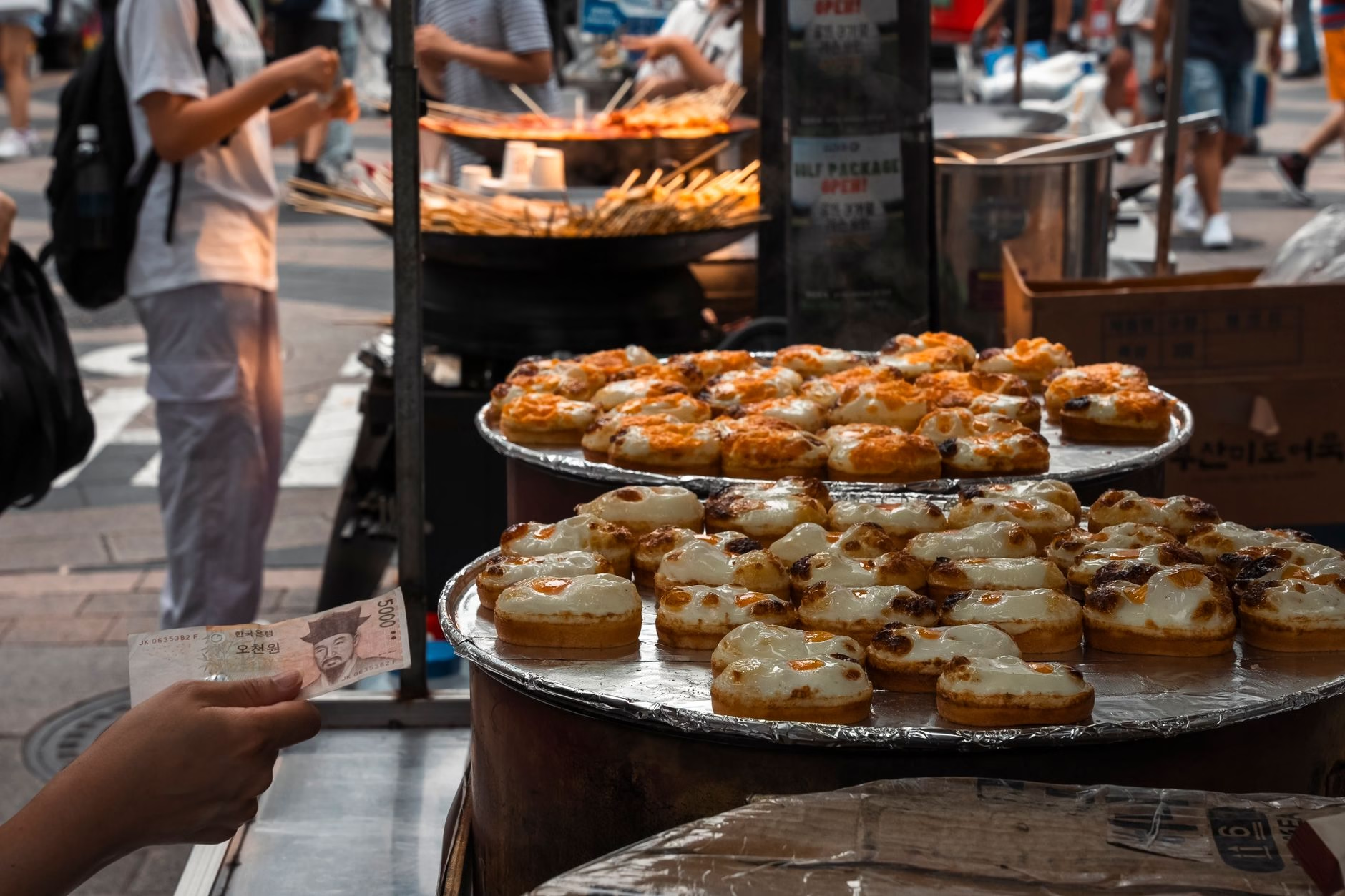
Food markets are a cornerstone of Korean daily life. Head to Gwangjang Market in Seoul or Seomun Market in Daegu to taste local favorites like tteokbokki, gimbap, and pajeon for just a few dollars. Many street food vendors serve generous portions, making it easy to turn snacks into full meals.
Convenience Stores and Dosirak Meals:
Convenience stores across South Korea serve delicious and inexpensive meals that suit travelers on the move. Bento style dosirak boxes or freshly made kimbap rolls usually cost less than 5 US dollars. Many convenience stores provide microwaves, hot water, and seating areas for quick and easy dining.
Local Restaurants:
Traditional restaurants serving home-style Korean food can be surprisingly reasonable. Dishes such as bibimbap, kimchi jjigae, or soondubu tofu stew typically range between 6 and 10 US dollars and often come with unlimited side dishes.
A useful tip is to explore areas around universities. College neighborhoods tend to offer hearty meals at lower prices to cater to students, giving travelers both quality and value.
Attractions and Experiences That Cost Little or Nothing
South Korea’s best experiences are not limited to big-budget attractions. The country is full of free or low-cost sites that showcase its deep culture, natural beauty, and friendly local life.
Cultural and Historical Sites:
While some palaces in Seoul charge a small entrance fee, parks such as Namsan Tower’s surrounding grounds or Gyeongui Line Forest Park are free to explore. In Gyeongju, known as the museum without walls, many ancient tombs, temples, and relics can be visited at no cost.
Nature and Hiking:
South Korea’s national parks are stunning and accessible. Bukhansan near Seoul offers dozens of scenic trails with no entry fee, and Seoraksan National Park in Gangwon Province can be reached by bus for a full day of hiking and breathtaking views.
Festivals and Local Markets:
Throughout the year, cities host colorful festivals celebrating everything from cherry blossoms to lanterns and street art. Many of these events are free, adding vibrant culture to your stay. The annual Jinju Lantern Festival and the Busan Sea Festival are two that provide unforgettable memories without spending a great deal.
Practical Money Saving Tips
- Use Mobile Payment Apps: Many locals use apps such as KakaoPay or Naver Pay that sometimes link to visitor promotions.
- Get a T-money Card: It simplifies transit payments and gives small discounts with every ride.
- Visit During Shoulder Seasons: Traveling in spring (April to June) and autumn (September to November) avoids peak season prices and still offers comfortable weather.
- Take Advantage of Free Wi-Fi: South Korea has one of the world’s best connectivity networks, and free Wi-Fi is widely available in cafes, public spaces, and even on buses.
Conclusion
Traveling through South Korea on a budget does not mean sacrificing comfort or depth of experience. With a bit of planning and curiosity, it is possible to enjoy gourmet quality meals, comfortable accommodation, and meaningful cultural interactions for much less than you might expect. South Korea rewards travelers who take the time to move beyond the tourist track, sample local life, and experience the country as its people do.
So pack smart, plan with purpose, and get ready to see the best of South Korea without breaking the bank.
Further Reading
3 Day Istanbul Itinerary for First Time Visitors
Travel to Somalia; How I Traveled to Mogadishu
Free Family Things to do in Chicago Today
How to Spend Four Days in Hong Kong