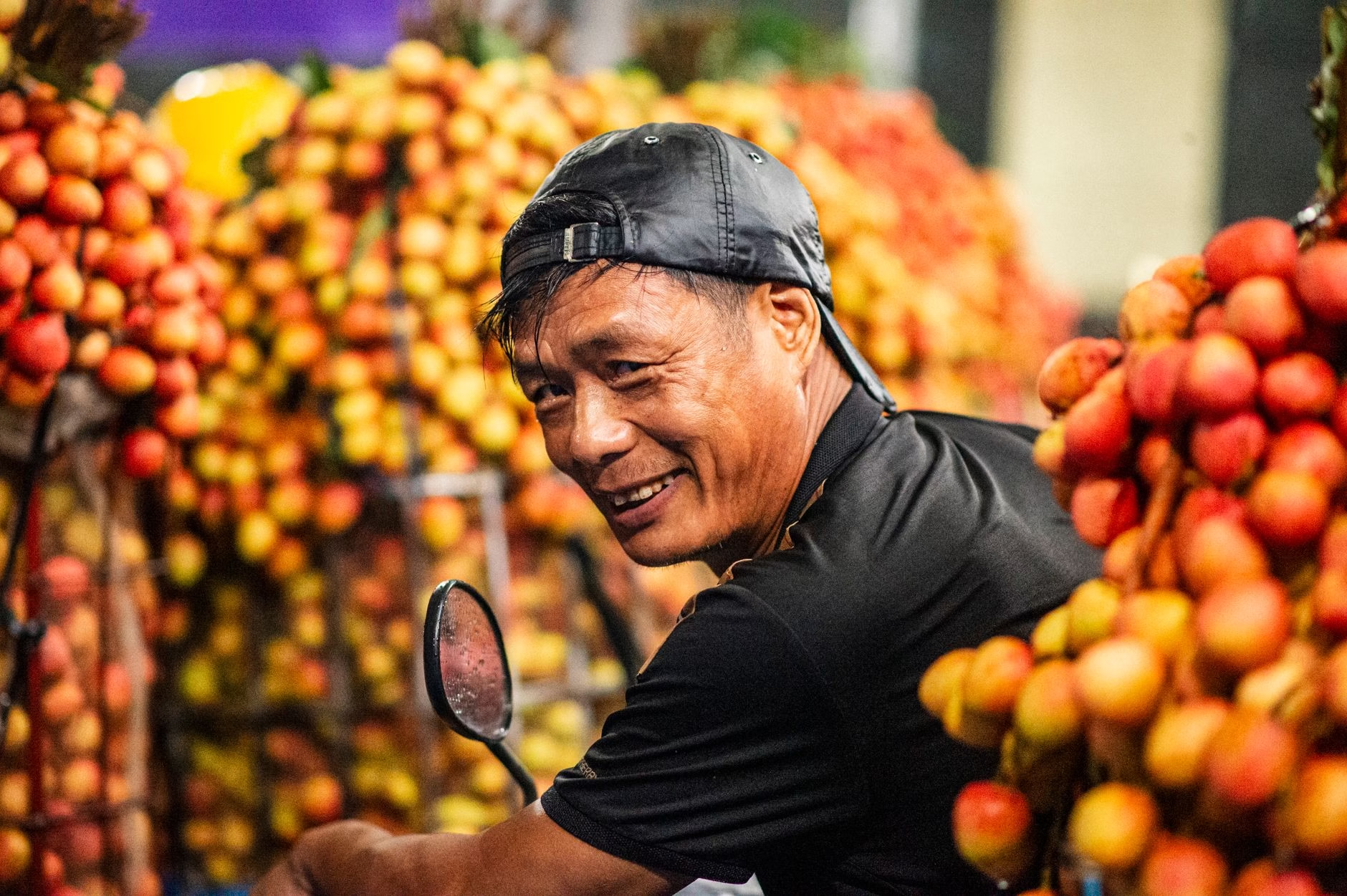
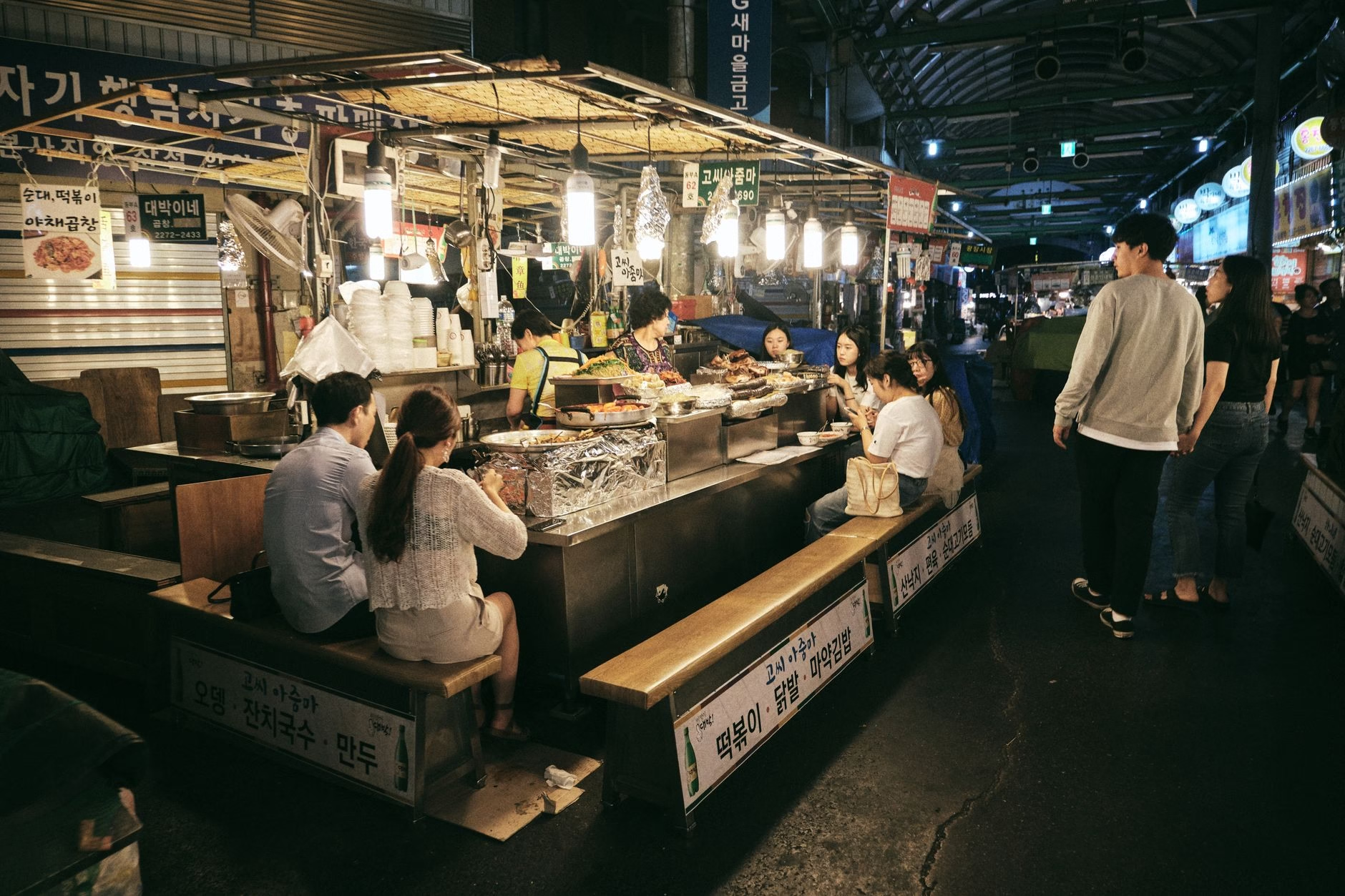
Few places in the world can match South Korea’s culinary energy. From the sizzling aroma of street-side barbecue to the meticulous beauty of royal temple dishes, Korean cuisine is a fascinating mix of flavor, history, and emotion. For travelers, food in Korea is not simply sustenance; it is a cultural experience that tells stories of region, season, and memory.
This Korean Food Guide for Travelers will walk you through the essentials of eating like a local. You will learn what dishes to try, how to navigate restaurants and markets, regional specialties worth traveling for, and essential dining etiquette that will make your food adventures smooth and respectful. Whether it is your first time in Seoul or you are exploring the islands off Jeju, this guide will help you uncover the heart of Korea through its food.
Understanding the Soul of Korean Cuisine
Before diving into individual dishes, it helps to understand what defines Korean food. Harmony is the foundation of Korean dining. Traditional meals are carefully balanced between spicy, salty, sweet, sour, and bitter elements, and they always emphasize freshness and seasonality.
Meals are usually served bapsang style, meaning a main dish surrounded by a colorful spread of side dishes known as banchan. These side plates create a contrast of textures and flavors that complete the meal. Kimchi, the famous fermented cabbage or radish dish, almost always appears and represents the essence of Korean flavor, bold, acidic, and full of life.
Fermentation plays a major role, giving depth and character to foods like soybean paste (doenjang), chili paste (gochujang), and soy sauce (ganjang). These staples form the backbone of sauces, soups, marinades, and countless home-cooked dishes.
Must-Try Dishes for Every Traveler
When planning your food journey in Korea, a handful of classic dishes deserve a place on your list. Each represents a different aspect of Korean culinary culture.
1. Bibimbap
A vibrant bowl of rice topped with vegetables, chili paste, and a fried egg. Often mixed together before eating, bibimbap is both visually beautiful and deeply satisfying. Regional variations, such as Jeonju bibimbap, use local sesame oil and sprouts for added richness.
2. Korean Barbecue (Samgyeopsal or Galbi)
Eating Korean barbecue is as much about atmosphere as taste. You grill thick slices of pork belly or marinated beef at your table, wrap the meat in lettuce with garlic and chili paste, and eat it in one perfect bite. It’s social dining at its best — smoky, lively, and delicious.
3. Tteokbokki
This beloved street food features chewy rice cakes simmered in a spicy red sauce. The heat can vary from mild to mouth-numbing, and stalls often add boiled eggs or fish cakes for extra flavor. It’s the perfect late-night snack after a day of exploring.
4. Kimchi Jjigae (Kimchi Stew)
Hearty, comforting, and slightly tangy, this stew is the soul of Korean home cooking. Made with aged kimchi, tofu, pork, and broth, it pairs perfectly with a bowl of white rice. It is especially satisfying during Korea’s chilly winters.
5. Haemul Pajeon (Seafood Pancake)
This crispy, savory pancake filled with green onions and seafood is a popular comfort food. Locals often enjoy it with a glass of makgeolli, a slightly sweet rice wine, particularly on rainy days.
6. Samgyetang (Ginseng Chicken Soup)
A nourishing soup of whole chicken stuffed with rice, ginseng, and jujube berries. Traditionally eaten during the hottest part of summer to replenish stamina, it is both delicate and rejuvenating.
Street Food and Market Adventures
For many travelers, Korea’s food markets are the most vivid culinary experience. Every city has its own flavor scene, and markets bring together locals and visitors in a feast of sounds, smells, and colors.
- Gwangjang Market in Seoul is famous for savory mung bean pancakes and knife-cut noodle soups. You can watch vendors prepare dishes right in front of you, then share a table with strangers for a true communal vibe.
- Nandaemun and Tongin Markets cater to snack lovers, with stalls offering small tasting plates served on traditional coins.
- In Busan, head to Jagalchi Fish Market where vendors serve the freshest seafood imaginable — raw fish, grilled eel, and spicy seafood soups that capture the spirit of the ocean.
Tip: Visit markets during late morning or early evening when the atmosphere is lively but not overwhelming. Carry some cash, as smaller stalls may not accept cards.
Regional Specialties Worth Traveling For
Korean cuisine changes beautifully from region to region. Understanding regional dishes adds an extra layer to your trip and gives a taste of local character.
Jeonju
Known as the birthplace of bibimbap, Jeonju is a culinary capital where tradition reigns. The city’s food culture emphasizes balance and artistry, showcased in multi-course meals and handmade makgeolli.
Busan
This seaside city is paradise for seafood lovers. Try milmyeon, a refreshing cold noodle dish, or eomuk, Busan’s famous fish cake snacks served on skewers at every corner.
Jeju Island
Jeju’s volcanic soil and clean waters give rise to distinctive local flavors. Look for black pork barbecue and haenyeo seafood, harvested by the island’s legendary female divers.
Gyeongju
Often referred to as a living museum, Gyeongju features delicate temple cuisine reflecting Buddhist traditions. Dishes here are subtly seasoned and deeply connected to spirituality and nature.
Dining Etiquette and Practical Tips
Korean dining is governed by etiquette that shows respect and harmony. Following a few basic customs will make your dining experiences smooth and appreciated.
- Wait for the eldest person to start eating before you do. It is a simple gesture of respect.
- Use both hands when accepting drinks or passing something at the table.
- Do not stick chopsticks vertically into rice, as it resembles a funeral ritual.
- Sharing is expected. Most dishes are communal, so it is polite to serve others before yourself.
- Try everything at least once. Even if unfamiliar, tasting a little of each dish is considered good manners.
For travelers new to Korean food, keep in mind that spice levels vary. If you prefer milder flavors, mention it by saying “ann-mae-wo-yo” which means “not too spicy please.” Also, tap water is free and safe to drink in restaurants.
Navigating Dietary Preferences
Korean food is evolving quickly to accommodate various dietary choices. Vegetarians can explore Buddhist temple cuisine offered in Seoul’s temples or specialty restaurants. Gluten-free travelers should note that soy sauce often contains wheat, so it is best to inquire in advance. Halal dining options are expanding in larger cities such as Seoul and Busan, with a growing number of certified eateries and Muslim-friendly menus.
If you have food allergies, learning the key words for nuts, seafood, and shellfish in Korean or carrying a translation card can be very helpful, as English labeling is not always consistent.
Savoring Korea Beyond the Plate
Dining in Korea extends far beyond eating. It is about connection, sharing, and emotion. Even a small bowl of soup at a neighborhood restaurant represents a piece of Korean identity. Attend a cooking class in Seoul to learn the craft of making kimchi or join a local food tour that introduces you to hidden eateries and traditional tea houses. These experiences will enrich your journey and deepen your understanding of Korean hospitality.
Conclusion
Korean cuisine is one of the most dynamic and expressive food cultures in the world. It welcomes travelers with dishes that tell stories of heritage, innovation, and community. From bustling markets to serene temple kitchens, every meal presents an invitation to see Korea through its flavors.
When you explore Korean food with curiosity and respect, you will find that it becomes more than just a taste experience; it becomes a way of connecting with the people and the pulse of the nation itself. So come hungry, ask questions, and let your appetite lead you through one of Asia’s most remarkable culinary landscapes.
Further Reading
3 Day Istanbul Itinerary for First Time Visitors
Travel to Somalia; How I Traveled to Mogadishu
Free Family Things to do in Chicago Today
How to Spend Four Days in Hong Kong