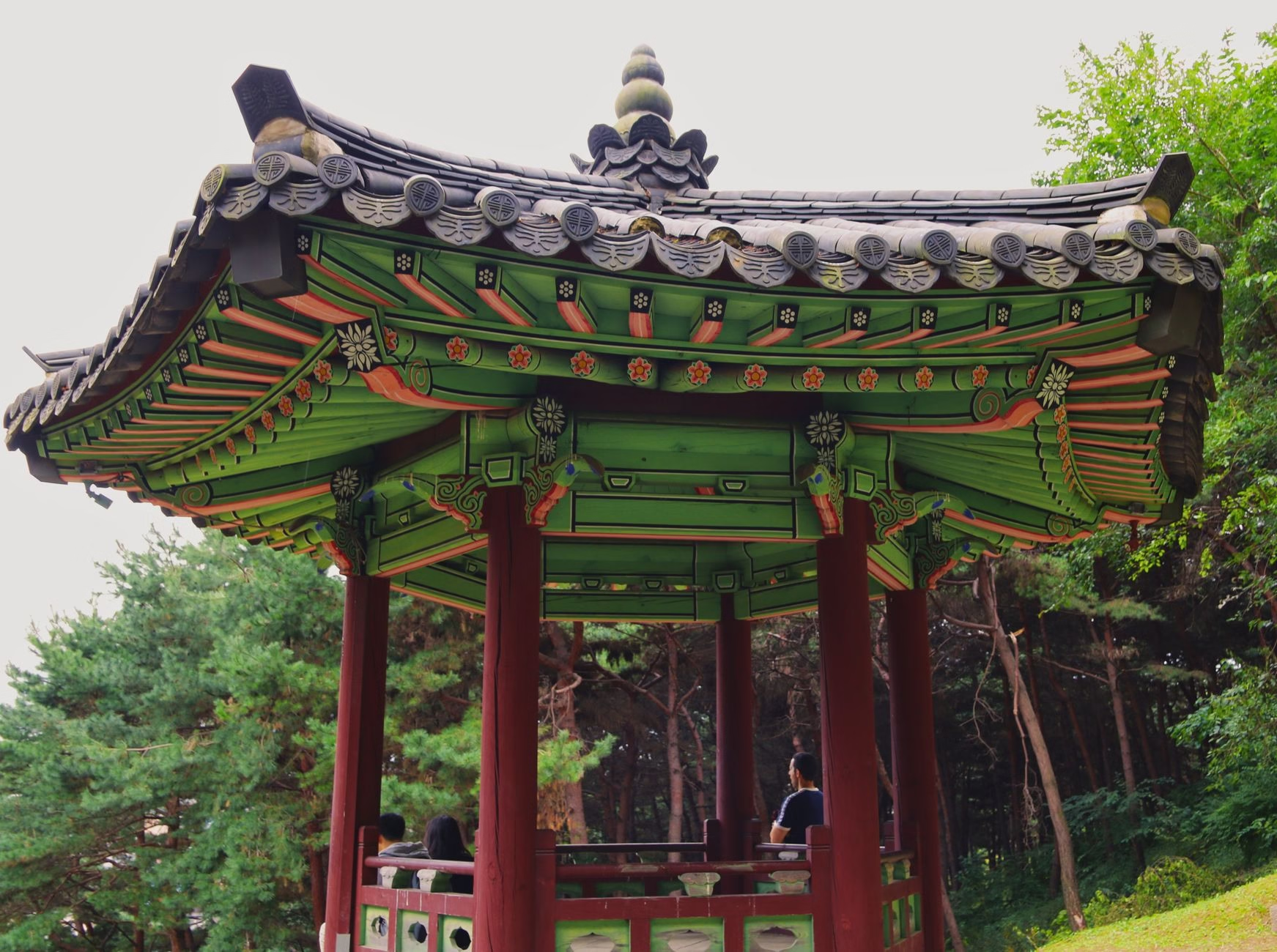
South Korea is a country where timeless tradition meets futuristic innovation. From ancient palaces tucked into the heart of Seoul to tranquil mountain temples and neon-lit coastal cities pulsing with life, this country captures the imagination of every traveler who visits. Whether you are drawn by world-class cuisine, fascinating cultural heritage, or breathtaking landscapes, South Korea delivers an experience that is both deeply cultural and brilliantly modern.
In this detailed travel guide, we will uncover the top attractions in South Korea—places that reveal the nation’s spirit, showcase its creativity, and help you understand what makes it one of Asia’s most captivating destinations. You will discover where to experience authentic Korean culture, what natural wonders should be on your itinerary, and how to make the most of each region you explore.
Seoul: A Dynamic Blend of Past and Future
South Korea’s capital city is often the first stop for most travelers, and rightly so. Seoul is an energetic metropolis where history, pop culture, and cutting-edge technology coexist seamlessly.
Historic Highlights
- Gyeongbokgung Palace: Built during the Joseon Dynasty in 1395, Gyeongbokgung Palace is the grandest of Seoul’s five royal palaces. Visitors can stroll through its vast courtyards, witness the Changing of the Guard ceremony, and appreciate the stunning architecture that mirrors Korea’s Confucian heritage. For an immersive experience, rent a traditional hanbok before entering.
- Bukchon Hanok Village: Between Gyeongbokgung and Changdeokgung lies Bukchon, a charming neighborhood of centuries-old hanok homes. As you wander the narrow lanes, you get a vivid sense of Seoul’s past and can visit local tea houses and artisan workshops that preserve traditional crafts.
Modern Marvels
- N Seoul Tower: Rising above Mount Namsan, the tower is a favorite vantage point for panoramic views, especially at sunset. Love locks attached to its fences symbolize romance, making it a popular spot for couples.
- Gangnam District: Known globally through music and fashion, Gangnam embodies modern Seoul’s cosmopolitan flair. Explore the luxury shopping streets, vibrant nightlife venues, and stylish cafes that define the area’s trendsetting atmosphere.
Busan: A City of Sea, Sand, and Spirit
South Korea’s second largest city offers a refreshing coastal contrast to the urban intensity of Seoul. Busan combines a relaxed seaside vibe with cultural depth and natural beauty.
Essential Sights
- Haeundae Beach: Famous for its long sandy coastline and lively energy, Haeundae is the heart of Busan’s summer scene. The beach area is surrounded by seafood restaurants, art installations, and open-air performances.
- Gamcheon Culture Village: Once a humble hillside neighborhood, Gamcheon has transformed into a colorful maze of art, street murals, and boutique galleries. The vibrant pastel houses perched on winding alleys make it one of Korea’s most photogenic spots.
- Haedong Yonggungsa Temple: Perched on a cliff overlooking the East Sea, this Buddhist temple offers one of the most scenic views in the country. Sunrise here is particularly captivating, with waves crashing beneath the temple’s stone terraces.
Local Experience
Stroll through Jagalchi Fish Market, Busan’s largest seafood market, where you can taste freshly caught fish and shellfish prepared right in front of you. The experience captures the straightforward warmth of local life and the pride Koreans take in their coastal cuisine.
Gyeongju: The Museum Without Walls
If you want to journey deep into Korea’s past, Gyeongju is essential. Once the capital of the ancient Silla Kingdom, the city is filled with centuries-old relics and timeless charm.
- Bulguksa Temple: Recognized by UNESCO, this temple exemplifies Silla artistry through its stone pagodas and beautiful carvings. It sits harmoniously amidst forested hills, offering a spiritual and historical retreat.
- Seokguram Grotto: A short drive from Bulguksa, this cave temple shelters an exquisite statue of Buddha gazing out to sea, symbolizing enlightenment and peace. Visiting both sites offers a deeper appreciation for ancient Korean craftsmanship.
- Tumuli Park: This serene area dotted with royal burial mounds provides insight into the grandeur of Silla royalty. Some tombs are open to visitors, displaying ancient treasures unearthed from within.
Exploring Gyeongju by bicycle is ideal, as the city’s compact layout allows for leisurely rides past temples, lotus ponds, and quiet residential streets that carry echoes of Korea’s illustrious past.
Jeju Island: Nature’s Masterpiece
Jeju Island feels like another world within South Korea. Formed by volcanic activity, it is a haven for travelers seeking outdoor adventure, natural beauty, and island tranquility.
Natural Wonders
- Hallasan Mountain: South Korea’s highest peak dominates the island’s landscape. Several hiking trails lead to breathtaking crater views and wildflower fields that change color with each season.
- Manjanggul Cave: This astonishing lava tube is one of the longest in the world, formed thousands of years ago by flowing magma. Walking through its cool, illuminated chambers is an unforgettable experience.
- Jeongbang and Cheonjiyeon Waterfalls: Both waterfalls are easily accessible and surrounded by lush forest. Jeongbang is particularly unique as it drops directly into the sea, an incredibly rare phenomenon.
Cultural Experience
Discover the heritage of the Haenyeo, Jeju’s legendary female divers known for harvesting seafood without the use of breathing equipment. Their endurance and spirit reflect the island’s connection to the sea and the resilience of Korean women.
Andong: Guardians of Korean Tradition
Andong offers an unfiltered view of Korea’s Confucian roots and rural traditions. It is often called the cultural heart of the country, and a visit here provides a deeper understanding of Korean values and heritage.
- Hahoe Folk Village: Another UNESCO site, this preserved village is located along a graceful bend in the Nakdong River. The thatched houses, traditional masks, and annual mask dance festivals make it a living museum of Korean village life.
- Andong Mask Dance Festival: Usually held in autumn, the festival brings to life Korea’s ancient mask dramas, blending satire, humor, and spiritual storytelling. Attending a performance allows travelers to witness centuries-old performing arts still thriving today.
Seoraksan National Park: A Natural Wonder for Every Season
For nature lovers, Seoraksan National Park is a paradise of rugged peaks, dense forests, and serene temples. Located in the northeast, it is one of the best hiking destinations in Korea.
Popular routes lead to Ulsanbawi Rock, offering panoramic views of granite cliffs and neighboring valleys. In autumn, the park blazes with red and gold foliage, attracting photographers and hikers from around the world.
Cable cars provide an easier alternative for those who prefer sightseeing over strenuous hiking, giving everyone a chance to appreciate the mountain vistas and nearby Buddhist shrines.
After a day of hiking, visitors can relax at Osaek Hot Springs, known for their mineral-rich waters and peaceful mountain atmosphere—an ideal way to experience nature’s restorative power.
Conclusion: Experiencing the Heartbeat of South Korea
South Korea offers a remarkable spectrum of experiences, from ancient palaces and sacred temples to volcanic islands and neon cityscapes. Each destination tells a story of resilience, creativity, and an unbroken link between tradition and progress.
Traveling through Korea is more than just sightseeing; it is an invitation to understand a society that treasures both its roots and its forward momentum. Whether you visit for cultural heritage, nature, food, or modern attractions, you will leave with a deep appreciation for a country that constantly reinvents itself while staying true to its spirit.
Further Reading
3 Day Istanbul Itinerary for First Time Visitors
Travel to Somalia; How I Traveled to Mogadishu
Free Family Things to do in Chicago Today
How to Spend Four Days in Hong Kong