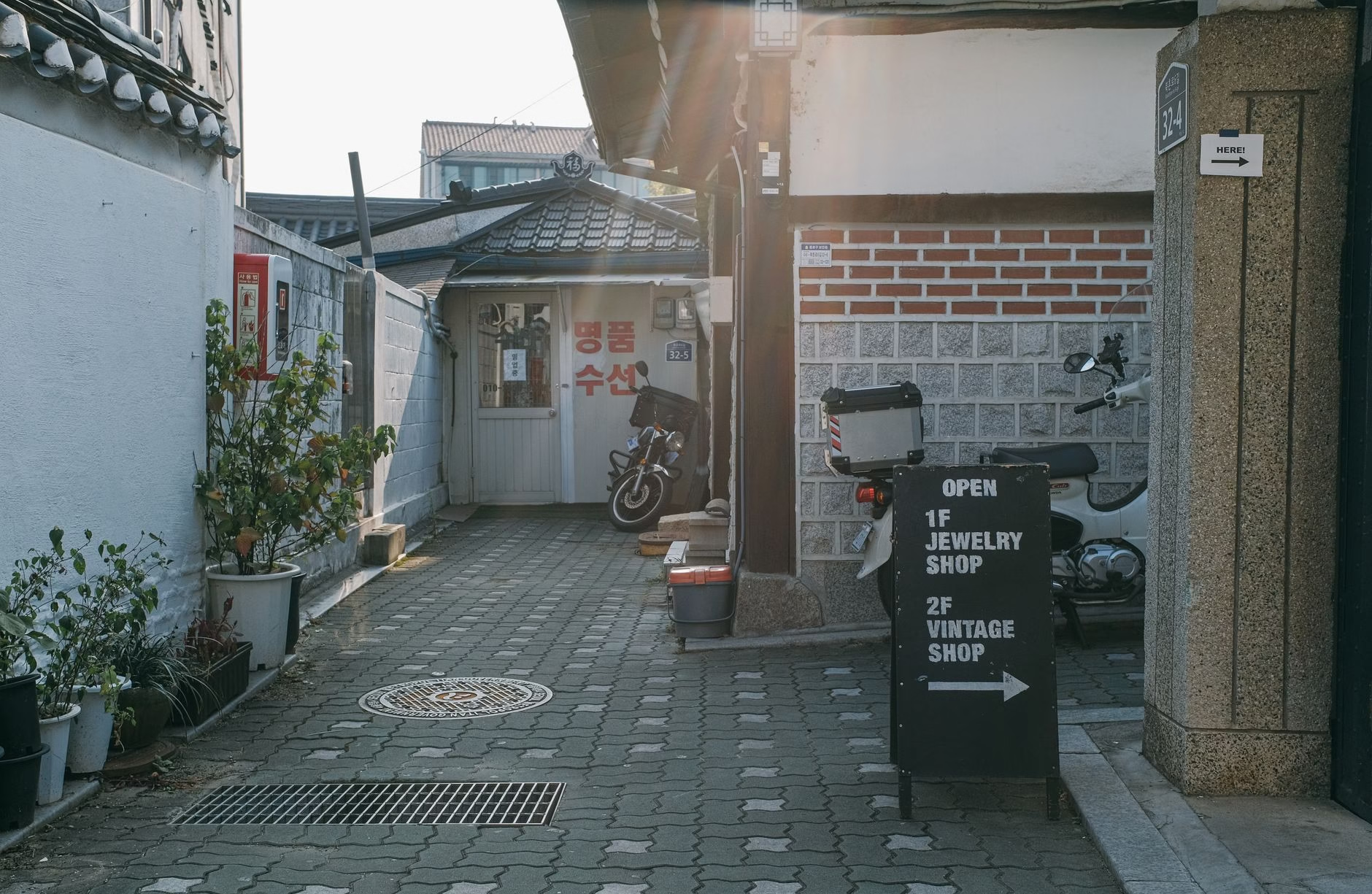
When most travelers think of South Korea, images of Seoul’s neon lights, Busan’s busy beaches, and the cultural townscape of Gyeongju often come to mind. Yet beyond these well known destinations lies an entirely different Korea: a country of mist covered mountains, tranquil islands, ancient villages, and local markets untouched by mass tourism. Discovering these lesser known corners reveals a deeper, more authentic side of Korean culture and hospitality.
This guide explores some of South Korea’s most remarkable hidden gems, from secret hiking trails and remote temples to cultural towns where time seems to slow down. Whether you are a return visitor looking for something new or a first timer eager to move beyond the usual tourist path, these destinations will enrich your journey with the beauty, flavor, and soul of Korea’s quieter regions.
The Idyllic Charm of Boseong Green Tea Fields
Located in the southern province of Jeollanam, Boseong is often described as one of Korea’s most visually stunning landscapes. Rolling hills of lush tea plants stretch as far as the eye can see, creating a green ocean that changes shade with the sunlight. Though a few day tours touch upon the area, the fields remain refreshingly peaceful compared to the country’s more crowded sights.
Why Visit:
Boseong is Korea’s largest producer of green tea and offers travelers a combination of scenic beauty and cultural immersion. The most famous viewpoint, Daehan Dawon Tea Plantation, provides winding paths where visitors can walk through the terraces, breathe in the earthy aroma, and capture panoramic photos.
Travel Tips:
- Visit early in the morning or late afternoon for the best light and to avoid crowds.
- Try the region’s unique green tea ice cream or green tea infused bibimbap at a local café.
- Explore nearby Yulpo Beach where a public bath uses water infused with green tea and seawater for a truly local experience.
Jeonju Hanok Village Beyond the Postcards
While Jeonju Hanok Village is not entirely unknown, it often gets overshadowed by Seoul’s Bukchon Hanok Village. The difference is that Jeonju offers a more immersive experience. The city is famous as the birthplace of bibimbap, and its cultural heritage spills naturally into every alleyway of the village.
What Makes It Special:
Hundreds of traditional hanok houses fill the neighborhood, many of which have been converted into guesthouses, tea rooms, and small museums. As evening falls, paper lanterns light up the lanes, and visitors in rented hanbok wander to find hidden tea gardens.
Insider Recommendations:
- Spend at least one night in a traditional guesthouse to appreciate the calm rhythm of hanok life.
- Visit Jeonju’s Makgeolli Alley to sample homemade rice wine paired with a variety of local side dishes served in true communal style.
- Step into Gyeonggijeon Shrine, where the portrait of the Joseon Dynasty’s founder is housed, and stroll under the ancient ginkgo trees behind it.
The Tranquility of Hahoe Folk Village
Deep in the countryside near Andong, Hahoe Folk Village sits alongside the Nakdong River, preserved in its original form from the Joseon period. Recognized as a UNESCO World Heritage Site, it remains a living village rather than a museum. People still reside in the thatched roof homes, carrying on generations of tradition.
Cultural Insight:
Hahoe is famous for its masked dance drama, known as Hahoe Byeolsingut Talnori, which has been performed for over six centuries. The masks and costumes represent village spirits and evoke humor, satire, and wisdom from Korea’s Confucian past.
How to Make the Most of Your Visit:
- Visit the Hahoe Mask Museum before watching the live performance to appreciate the storytelling behind each mask.
- Walk or bike to the Buyongdae Cliff viewpoint for an overlook that captures the entire village cradled by mountains and river bends.
- Try to coincide your trip with the annual Hahoe Mask Festival held around September or October for an unforgettable cultural celebration.
The Untouched Nature of Seoraksan’s Hidden Trails
Seoraksan National Park is a favorite among Korean hikers, but most visitors limit themselves to the main cable car and short paths near the park entrance. Venture deeper into the valleys, and you will find hidden trails that unveil waterfalls, secluded temples, and pristine forest silence.
What to Discover:
The less frequented Osaek and Hangyeryeong routes lead to mineral springs, narrow ridges, and temples such as Baekdamsa and Osaekyaksu, where you can sometimes join monks for morning chanting. In autumn, the forest becomes a natural kaleidoscope, rivaling any fall foliage destination in Asia.
Planning Tips:
- The park has well maintained trails, but some are challenging; sturdy footwear is essential.
- Use Sokcho as a base, a town that blends seaside atmosphere with access to fresh seafood.
- Arrive before sunrise if you aim to see the mist lifting over the mountain peaks.
The Quiet Beauty of Ulleungdo Island
Few travelers realize that a small, volcanic island lies far off the east coast of Korea. Ulleungdo, often called the “mystery island,” is shaped by rugged cliffs, emerald waters, and villages that cling to dramatic rock ledges. It is a paradise for those seeking seclusion and natural beauty.
Why It Is Worth the Journey:
Reaching Ulleungdo requires a ferry ride from Pohang, Mukho, or Gangneung, which keeps the island largely untouched by mass tourism. Once there, visitors can drive or cycle the coastal road that loops around the island, revealing sea stacks, caves, and unspoiled beaches.
Highlights Include:
- The Haengnam Coastal Walk built along the cliffs, offering breathtaking views of the sea.
- Seonginbong Peak, the highest point on the island, accessible via a scenic but steep hiking trail.
- A visit to Dodong Port where you can savor fresh squid, a local specialty often caught the same morning it is served.
Travel Advice:
Ulleungdo’s weather changes quickly, so check ferry schedules carefully. Bring cash, as ATMs are limited, and spend at least two nights to allow time for both relaxation and exploration.
A Glimpse into the Future and Past in Chungju and Danyang
Central Korea often remains overlooked, yet it is home to spectacular river scenery, dramatic limestone caves, and a strong sense of heritage. The twin destinations of Chungju and Danyang are perfect for travelers who love nature balanced with local authenticity.
What to Explore:
- Enjoy a boat cruise along Chungju Lake surrounded by cliffs and hanging pine forests.
- Visit Gosu Cave in Danyang, famous for its glittering limestone formations and cool underground atmosphere.
- Try local specialties such as garlic themed dishes, a regional pride, and homemade tofu paired with traditional soy sauce.
The region also offers unique accommodations such as hanok style pensions and wellness resorts featuring outdoor hot springs. Travelers who want to avoid the crowds of Seoul will find these towns peaceful yet convenient to reach by train or bus.
Conclusion
South Korea’s hidden gems reveal a remarkable diversity beyond its modern cities. From the misty green tea terraces of Boseong and the cultural echoes of Hahoe to the volcanic cliffs of Ulleungdo, each of these lesser known places tells a different story of Korean life. Exploring them allows travelers to connect not only with the landscapes but also with the people and traditions that make Korea so enchanting.
If you have already experienced Seoul’s fast pace and Busan’s buzzing coastline, consider venturing deeper into rural Korea. The reward is the discovery of a country that feels timeless, welcoming, and endlessly intriguing.
Further Reading
3 Day Istanbul Itinerary for First Time Visitors
Travel to Somalia; How I Traveled to Mogadishu
Free Family Things to do in Chicago Today
How to Spend Four Days in Hong Kong