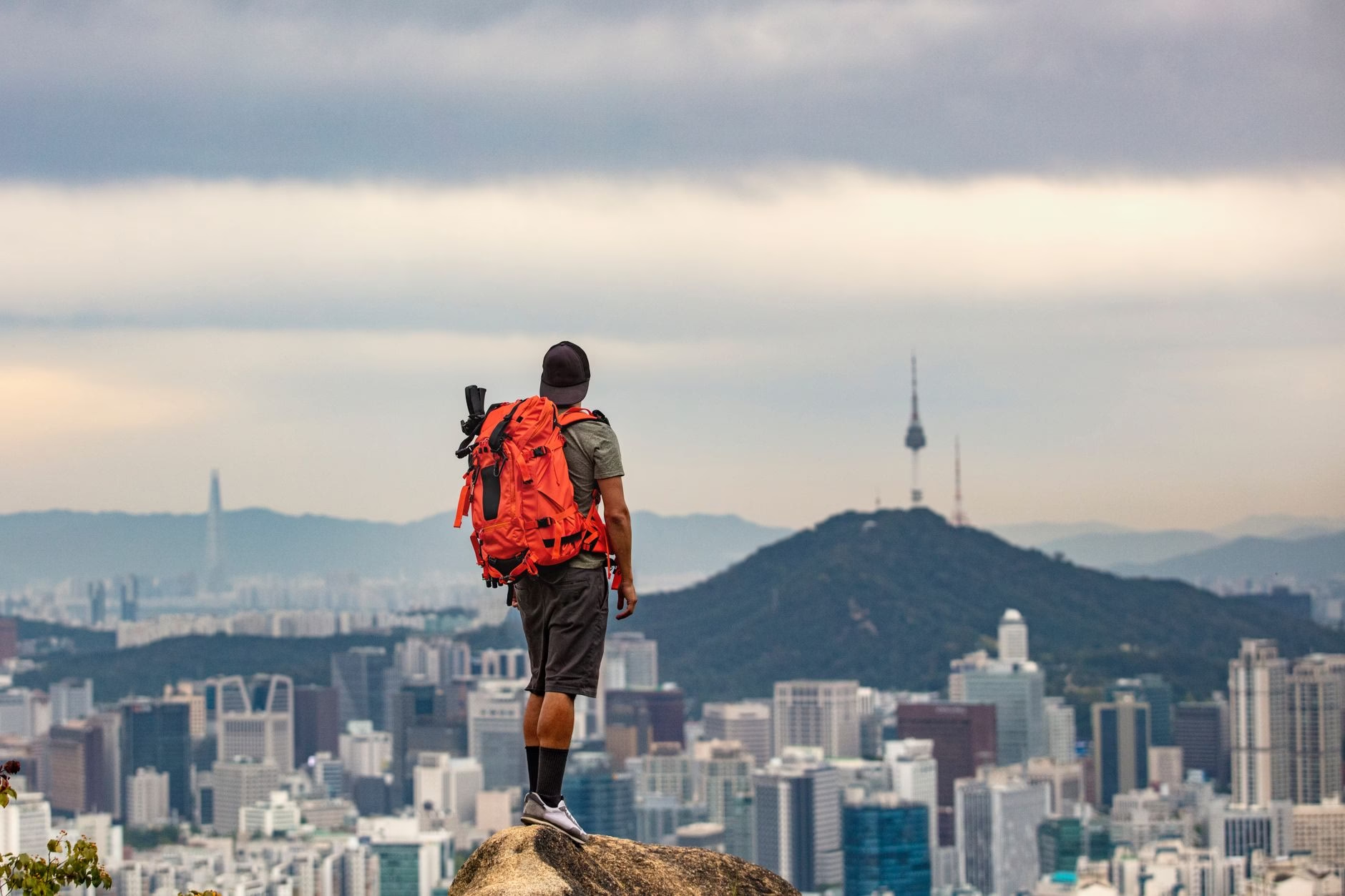
Traveling to South Korea for the first time is an exciting and memorable experience. From the futuristic skyline of Seoul to the tranquil temples tucked into forested mountains, South Korea offers a fascinating blend of modern life and ancient tradition. Yet, for first time visitors, the country can also feel a little overwhelming. Customs, transportation systems, language differences, and cultural nuances all play an important role in shaping your trip.
This guide is crafted to help beginners travel through South Korea with confidence. You will learn essential travel tips that go beyond typical advice, covering everything from planning and cultural etiquette to transportation, dining, and connectivity. By the end, you will not only feel ready to explore but also understand how to experience South Korea authentically and respectfully.
Understanding South Korea’s Culture and Etiquette
South Korea places great emphasis on respect and social harmony, which are core aspects of everyday life. As a visitor, observing local customs will enrich your interactions and show appreciation for the country’s deep cultural roots.
Greetings and Politeness
Bowing slightly when greeting someone is a sign of respect and is customary in both formal and casual settings. Handshakes are also common but usually accompanied by a slight bow. When receiving or offering something, use both hands as a mark of courtesy.
Dining Etiquette
In Korean culture, eating is a communal activity often centered around shared dishes. Always wait for the eldest at the table to start eating first. Avoid sticking chopsticks upright in a bowl of rice as it resembles a funeral ritual. When drinking with locals, fill each other’s glasses rather than pouring your own.
Shoes Off Indoors
Be prepared to remove your shoes before entering traditional restaurants, temples, and private homes. Many guesthouses and even some accommodations follow this custom, so wearing easy to slip off footwear is practical.
By understanding these small gestures, you gain not only respect from locals but also a deeper appreciation of South Korean culture.
Getting Around the Country
South Korea’s transportation network is highly efficient, reliable, and traveler friendly. Once you understand the system, moving between cities or exploring local neighborhoods becomes effortless.
Navigating Seoul’s Subways and Buses
Seoul’s subway system is one of the best in the world with English signage and color coded lines that make it easy to follow. Purchase a rechargeable T money card which can be used across the subway, buses, and even in convenience stores. Buses operate on a color scheme indicating type and direction, with blue routes covering long distances and green buses serving local neighborhoods.
Intercity Travel
For travel beyond Seoul, the Korea Train Express (KTX) is the fastest and most comfortable option. This high speed train connects major cities such as Busan, Daegu, and Daejeon. If you plan to explore several destinations, consider purchasing the Korea Rail Pass to save money and time. For shorter trips, express and intercity buses provide an affordable alternative and run frequently between towns.
Taxis and Apps
Taxis in South Korea are clean and safe, though not all drivers speak English. Having your destination written in Korean or using navigation apps like Kakao T can help. Apps such as Naver Map or Kakao Map are more accurate than Google Maps for route planning.
Efficient public transport is one of the major strengths of traveling in South Korea, making it easy to move around even for beginners.
Accommodation Tips for First Time Visitors
The range of accommodations in South Korea suits every budget and travel style. Whether you want a modern hotel downtown or a traditional hanok stay, choosing the right lodging can define your travel experience.
Hotels and Guesthouses
Budget friendly guesthouses often provide shared spaces where you can meet other travelers, while mid range hotels offer comfort and convenience. International chains are widespread in large cities, but exploring local boutique hotels can add unique flair to your stay.
Traditional Hanok Stays
A hanok is a traditional Korean house built with natural materials and thoughtful architecture that emphasizes harmony with nature. Staying in one allows you to experience ondol, Korea’s traditional floor heating system, and enjoy peaceful courtyard surroundings. You can find hanok stays in heritage areas such as Bukchon Village in Seoul and Jeonju Hanok Village.
Capsule Hotels and Jjimjilbangs
For short or spontaneous stays, capsule hotels provide cozy, secure sleeping pods, while jjimjilbangs (public bathhouses) allow overnight stays in communal sleeping areas. These are favored by locals for budget friendly rest and cultural immersion.
Exploring these accommodation options not only provides comfort but also a window into different aspects of Korean lifestyle.
Dining and Food Adventures
Korean cuisine is vibrant, diverse, and full of bold flavors. Even if you are new to spicy food, there are plenty of dishes and experiences for all palates.
Must Try Dishes
- Bibimbap: A mixed rice dish topped with vegetables, meat, and a fried egg, often served with spicy gochujang sauce.
- Korean Barbecue: A classic experience where diners grill their own meat at the table. Try samgyeopsal (pork belly) or galbi (marinated beef).
- Tteokbokki: Chewy rice cakes simmered in spicy sauce, commonly found at street food stalls.
- Kimchi: Fermented vegetables that accompany nearly every meal.
Street Food and Markets
Exploring local markets gives travelers a deeper connection with daily life. Visit Gwangjang Market in Seoul for delicious mung bean pancakes or Busan’s Jagalchi Fish Market for freshly grilled seafood. Street snacks like fish shaped pastries filled with red bean paste or crispy fried chicken make perfect on the go treats.
Dining Mechanics
Many restaurants use call buttons at tables to summon staff, and you may be asked to pay at the front counter instead of the table. Water and side dishes are usually complimentary and refillable.
Trying local food is one of the most rewarding ways to connect with South Korean culture, so approach it with curiosity and an open mind.
Connectivity, Language, and Daily Essentials
Being prepared with the right tools can make communication and navigation much smoother.
Internet and SIM Cards
South Korea has one of the fastest internet networks globally. You can easily purchase local SIM cards at major airports or opt for portable Wi Fi devices to stay connected. Many cafes and public spaces offer free Wi Fi, which helps with maps and translation apps on the go.
Useful Apps
Install Naver Map for accurate navigation, Papago for language translation, and Klook or Trazy for local activity bookings. Having these tools ready reduces travel stress and gives you independence to explore confidently.
Money and Payments
Credit cards are widely accepted, but it is still advisable to carry some cash for smaller shops or older markets. ATMs inside convenience stores or banks can process foreign cards, though you should notify your bank before travel.
Preparation and organization go a long way in making your South Korean adventure effortless and enjoyable.
Seasonal Travel and Packing Advice
South Korea experiences four distinct seasons, each adding its own charm and character to the landscape. Packing appropriately ensures comfort and flexibility throughout your journey.
Spring
Between March and May, cherry blossoms and mild weather draw visitors outdoors. Light layers and comfortable walking shoes are ideal for city explorations and festivals.
Summer
From June to August, temperatures rise and humidity can be high. Bring breathable clothing, sunscreen, and a portable fan. Sudden rain showers are common, so pack a small umbrella.
Autumn
From September to November, crisp air and colorful foliage create a stunning backdrop for travel. A light jacket and cozy layers make it comfortable to spend long days outside.
Winter
December to February brings cold conditions with possible snow. Expect subzero temperatures in northern regions and pack warm clothing, thermal wear, and gloves.
Knowing what to expect each season allows you to plan your activities and clothing strategically for maximum comfort.
Conclusion
Traveling to South Korea for the first time is a journey filled with discovery and connection. The country’s efficient infrastructure, vibrant culture, and welcoming people make it accessible to anyone willing to explore with respect and curiosity. By understanding the etiquette, mastering transportation, tasting local cuisine, and preparing for the seasons, you will experience authentic moments that go far beyond the surface.
Armed with these practical tips, you can approach your trip with confidence and openness, ready to embrace both the traditions and modern energy that define South Korea. Whether you wander through the neon streets of Seoul or the tranquil landscapes of Gyeongju, your adventure will leave a lasting impression.
Further Reading
3 Day Istanbul Itinerary for First Time Visitors
Travel to Somalia; How I Traveled to Mogadishu
Free Family Things to do in Chicago Today
How to Spend Four Days in Hong Kong