Perched along the southeastern coast of South Korea, Busan is a city where the sea meets the mountains and ancient traditions coexist with modern design and energy. It is a destination that effortlessly blends the laid-back rhythm of a coastal escape with the sophistication and vibrancy of an urban center. Whether you are drawn by the wide golden beaches, the aroma of sizzling seafood, or the centuries-old temples tucked into misty hillsides, Busan offers an experience that feels both refreshing and deeply rooted in Korean heritage.
In this guide, we will explore Busan’s best beaches and cultural attractions, dive into its local flavors and practical travel insights, and provide a roadmap for travelers seeking a balance of relaxation, discovery, and authentic connection with the spirit of this remarkable city.
Haeundae Beach: Busan’s Iconic Shoreline
Haeundae Beach is Busan’s most famous stretch of sand and a reason in itself to visit the city. It embodies the Korean idea of beach leisure: organized, lively, and full of energy. The beach runs for about one and a half kilometers and is lined with cafes, art installations, and modern high-rises that catch the evening light.
During summer, crowds flock here to bask in the sun or join the countless beach festivals that fill the season with fireworks, music, and local performances. But Haeundae is more than a summer destination. In winter, the soft sea mist creates an atmosphere perfect for relaxed walks, and the nearby Haeundae Market tempts visitors with street food favorites such as hot fish cakes and sweet Korean pancakes.
A short walk inland leads to Dongbaekseom Island, a verdant coastal park that offers one of Busan’s most scenic promenades. Its coastal trail winds past the iconic APEC House, a symbol of the city’s global presence, and ends with breathtaking views of both the sea and the skyscrapers that define modern Busan.
Gwangalli Beach and the Beauty of Gwangan Bridge
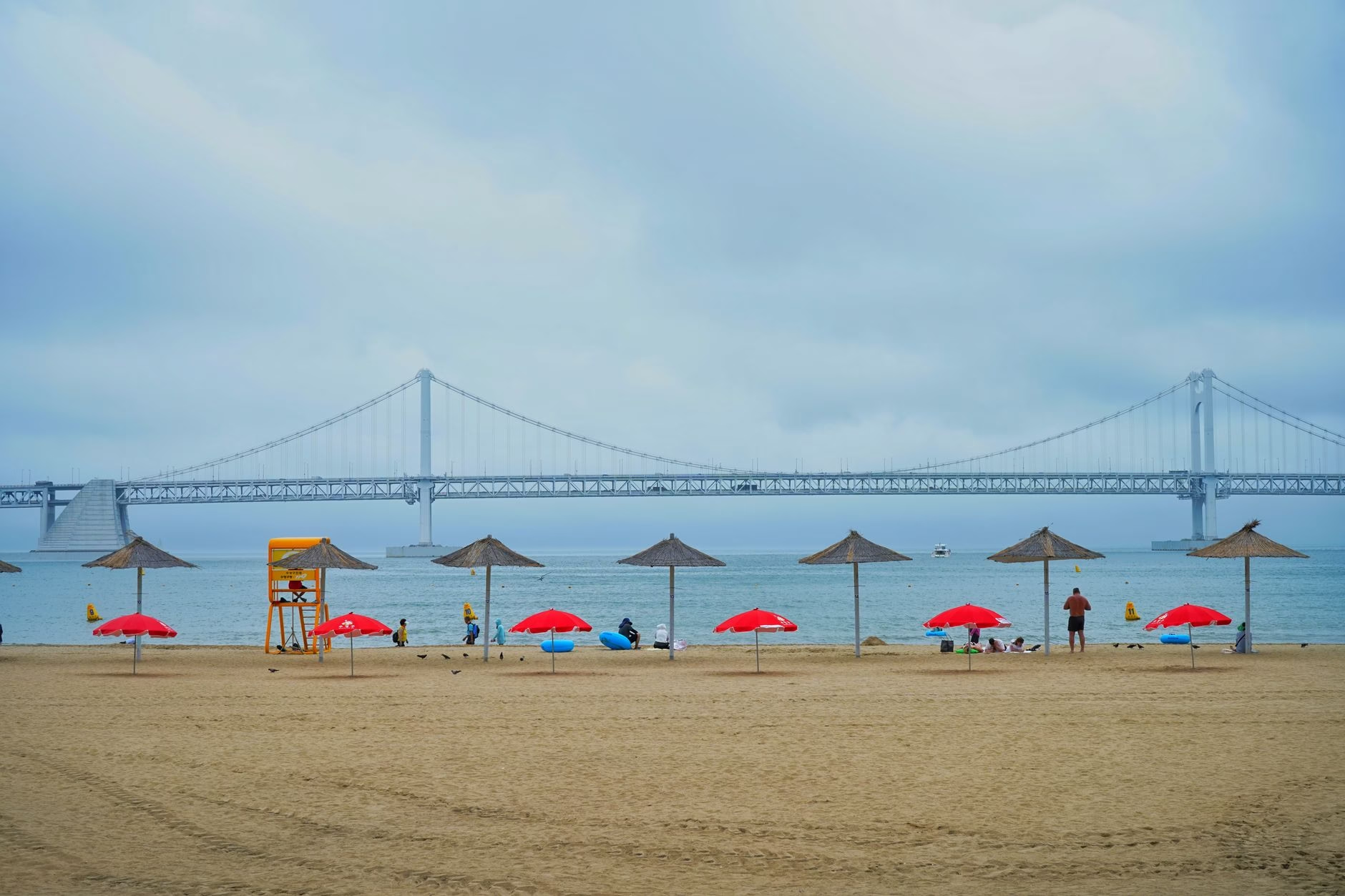
If Haeundae is about energy and glamour, Gwangalli Beach offers a more local and romantic version of seaside life. The beach charms visitors with its crescent-shaped shoreline and soft white sand, but what makes it unforgettable is the view of the Gwangan Bridge stretching gracefully across the bay.
By day, Gwangalli feels laid back with families enjoying the calm waters and friends gathering in small cafes along the promenade. When night falls, the bridge illuminates with an ever-changing display of lights, transforming the area into one of the most photogenic spots in Korea. Restaurants along the beachfront specialize in dishes made with freshly caught seafood, and the atmosphere is enhanced by live music drifting from rooftop terraces.
For travelers seeking a local rhythm, Gwangalli offers a slice of everyday Busan life while still providing the irresistible charm of a beach resort atmosphere. It is a perfect setting for a sunset stroll, an evening drink by the water, or simply soaking in the city’s coastal elegance.
Exploring Busan’s Cultural Depth
Busan’s soul is not only found along its beaches but also in its hills, markets, and temples. To understand the city fully, visitors must explore its cultural landscapes that tell stories of resilience, craftsmanship, and faith.
Haedong Yonggungsa Temple is one of the most scenic temples in all of Korea, famous for its dramatic position overlooking the ocean. Built during the Goryeo Dynasty, it offers a serene setting where the sound of waves becomes part of the spiritual experience. Sunrise here is particularly special, as the sun rises directly over the sea and temple complex, creating a moment that feels timeless.
Another essential stop is Gamcheon Culture Village, often described as the “Santorini of the East.” Once a modest hillside community, it has been transformed into a maze of brightly colored houses and creative installations. Visitors can wander the narrow lanes, explore local art galleries, and enjoy panoramic views that change with every turn. It is both a living museum and a dynamic neighborhood that reflects Busan’s creative revival.
For a glimpse of urban tradition, Jagalchi Fish Market remains the beating heart of Busan’s seafood trade. The market bursts with life as vendors shout prices, piles of fresh fish glisten under the morning light, and nearby restaurants prepare everything from spicy stews to delicate sashimi. It is not only a market but also an essential piece of Busan’s identity.
Savoring Busan’s Food Culture
No exploration of Busan is complete without tasting its rich culinary offerings. The city’s cuisine is anchored in the sea, but it also embraces modern Korean fusion trends.
Visitors should start with hoe, a Korean version of raw fish, served fresh at the restaurants surrounding Jagalchi Market. Next, sample milmyeon, a local noodle dish served in chilled broth that was created in Busan during the Korean War and remains a regional favorite today.
Street food also has a special place in Busan’s culture. In markets such as Gukje and BIFF Square, you can find skewers of fish cakes, fried dumplings, and hotteok filled with melted brown sugar and nuts. These markets are lively, social spaces where locals and visitors mingle while snacking on classic Busan flavors.
Cafes in the Haeundae and Seomyeon areas further showcase Busan’s evolving food scene. Many of them serve local coffee blends and use oceanfront views or artistic interiors as part of the experience, adding style and comfort to every cup.
Practical Travel Insights
To make the most of a trip to Busan, planning around accessibility, timing, and local rhythm is key.
When to visit:
- For beach activities, the best months are June through August, although May and September provide pleasant weather with fewer crowds.
- Spring and autumn are ideal for cultural sightseeing and hiking, with cherry blossoms and autumn foliage adding color to the city.
How to get around:
Busan’s subway system is efficient, clean, and easy to navigate. Taxis are affordable for shorter distances, and buses connect most neighborhoods and tourist areas. For scenic travel, consider the coastal train from Haeundae to Songjeong for a beautiful view of the shoreline.
Where to stay:
Haeundae suits travelers seeking beach access and nightlife, Gwangalli appeals to those looking for a charming waterfront vibe, and Seomyeon offers central access to shopping and dining. For a more local experience, the Nampo area near Jagalchi Market provides traditional guesthouses within walking distance of major sights.
Conclusion
Busan is a city of connections where beaches and cultural treasures live side by side. It offers both energy and peace, old traditions and new ideas. Travelers who take the time to explore beyond the sand will find a city whose personality extends from coastal serenity to mountain temples, from quiet alleyway art to the bustle of oceanfront life.
Whether you come to unwind beside the waves, immerse yourself in Korean hospitality, or simply walk through history one street at a time, Busan leaves a deep and lasting impression. It is not merely a destination but an experience that captures the very essence of coastal Korea.
Further Reading
3 Day Istanbul Itinerary for First Time Visitors
Travel to Somalia; How I Traveled to Mogadishu