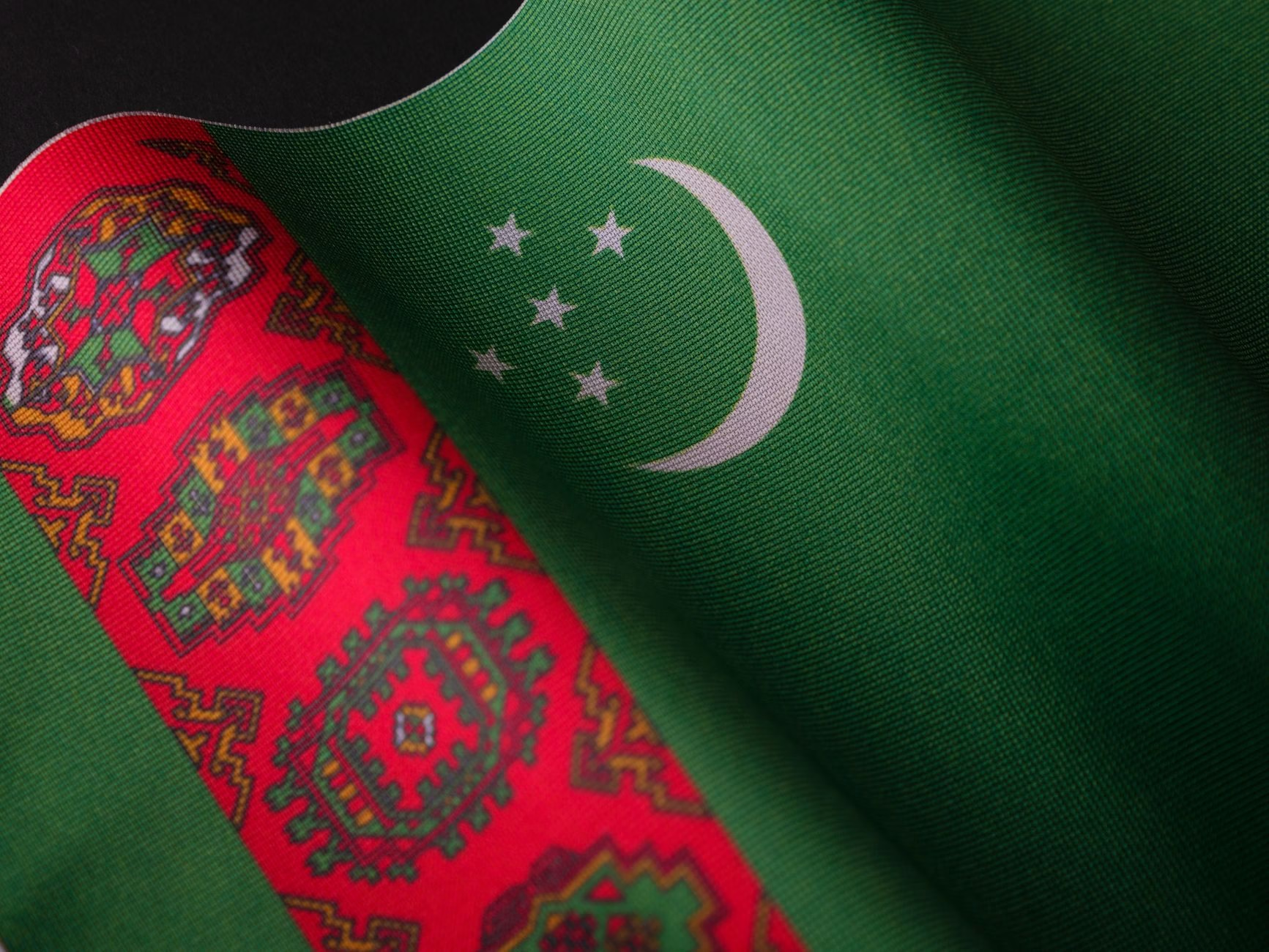
Mysterious, rarely visited, yet full of grandeur and timeless beauty, Turkmenistan is one of the most fascinating destinations in Central Asia. Sandwiched between Iran, Uzbekistan, and the Caspian Sea, this desert nation remains one of the least explored countries in the world, offering adventurous travelers a glimpse into a place where modern opulence meets ancient Silk Road traditions. From the burning crater known as the Door to Hell to the towering marble buildings of Ashgabat, Turkmenistan is a destination like no other.
In this guide, you will learn what to expect when traveling to Turkmenistan including practical entry information, top attractions, cultural etiquette, and travel logistics. Whether you are drawn by its surreal landscapes, Soviet era architecture, or Silk Road heritage, this article will help you plan a smooth and unforgettable journey through one of the most enigmatic countries on earth.
Understanding Turkmenistan: A Country of Contrasts
Turkmenistan is a land of paradoxes. Vast deserts stretch across much of its territory while elegant white marble cities rise in the middle of barren plains. The country’s unique blend of modernity and mysticism stems from its complex history under Persian, Russian, and Soviet influence, making it a fascinating mosaic of cultures and architectural styles.
The Turkmen people are known for their deep hospitality and strong traditions. As a visitor, you will quickly notice the pride Turkmen have in their heritage, from their ornate carpets and vibrant clothing to their equestrian culture centered around the prized Akhal Teke horse. Despite its limited exposure to global tourism, Turkmenistan rewards those who make the effort with rare authenticity and unforgettable encounters.
Entry and Visa Requirements
Turkmenistan has one of the most controlled entry policies in the world, so understanding the visa process is crucial.
- Visa Application: Almost all visitors require a visa to enter Turkmenistan. You will typically need to arrange an invitation letter from a registered local tour operator before applying. Independent travel is restricted, so most tourists join a guided tour.
- Transit Visas: For travelers passing through overland, a short term transit visa can be an option but is granted sparingly.
- Arrival: Most visitors arrive through Ashgabat International Airport, though overland entry is possible from Uzbekistan, Iran, or Kazakhstan.
- Registration: Once you arrive, you must register with the State Migration Service within three days. Your travel agency will usually assist with this process.
These requirements may seem complex, but agencies based in Ashgabat or Tashkent can handle much of the paperwork, allowing you to focus on the experiences ahead.
When to Visit Turkmenistan
Turkmenistan is predominantly desert, meaning temperatures can be extreme depending on the season.
- Spring (April to June): The best time to visit, with moderate temperatures, blooming desert flowers, and clear skies ideal for sightseeing and photography.
- Autumn (September to November): Another excellent period offering cooler weather and calm travel conditions.
- Summer (July to August): Temperatures often exceed 40°C, making desert travel uncomfortable.
- Winter (December to February): Cold but generally dry, suitable for cultural city visits rather than outdoor adventures.
For most travelers, late spring and early autumn strike the perfect balance between comfort and exploration.
Top Destinations in Turkmenistan
Ashgabat: The City of White Marble
Ashgabat, the capital, is unlike any other city in Central Asia. Known for its grandiose architecture, spotless streets, and futuristic layout, the city feels both surreal and symbolic. Visitors often describe it as an open air museum of modern monumentality.
Key highlights include:
- Independence Park and Monument: A vast landscaped area filled with symbolic statues and ornate fountains celebrating national pride.
- Turkmenbashi Ruhy Mosque: One of the largest mosques in Central Asia, adorned with verses from the Ruhnama, a spiritual and national text.
- National Museum of Turkmenistan: An insightful place to learn about the country’s ancient civilizations, Silk Road heritage, and natural history.
- Local Markets: The Tolkuchka Bazaar is a must visit for carpets, traditional jewelry, spices, and textiles.
While the city may feel formal and regulated, beneath the surface lies a friendly population eager to share their culture with curious travelers.
Darvaza Gas Crater: The Door to Hell
Few natural sights in the world are as mysterious as the Darvaza Gas Crater, located deep in the Karakum Desert. This fiery crater, created when a drilling site collapsed in the 1970s and ignited, has been burning ever since.
Visiting the crater is an adventure that requires planning but offers an unforgettable experience. Most tours depart from Ashgabat and travel several hours into the desert. Staying overnight near the crater allows you to witness its glow under a starlit sky, one of the most surreal scenes imaginable. Remember to carry sufficient water and protective clothing as desert conditions can be harsh.
Ancient Merv: The Silk Road Wonder
Once a flourishing oasis city on the Silk Road, Merv is now a UNESCO World Heritage Site and one of the most important archaeological complexes in Central Asia. Located near Mary, it reveals the layered history of civilizations that rose and fell over millennia.
Walk among the ruins of fortresses, mausoleums, and ancient walls that once defined one of the world’s largest cities. Hire a local guide to fully appreciate the historical context and discover how Merv connected merchants and travelers from Persia, China, and Europe. Visiting in the early morning or late afternoon provides the best light for photography and a quieter atmosphere.
Kunya Urgench: A Forgotten Capital
In the north of the country lies Kunya Urgench, another UNESCO listed site that served as the capital of the Khorezm Empire. The complex features magnificent mausoleums and ancient minarets, many dating back to the twelfth century.
Do not miss:
- The Kutlug Timur Minaret, which towers at nearly 60 meters and offers panoramic views.
- The Turabeg Khanym Mausoleum, adorned with intricate tilework and decorative Islamic geometry.
Kunya Urgench provides profound insight into the architectural and cultural depth of medieval Central Asia.
Culture, Customs, and Etiquette
Turkmen culture places strong emphasis on respect and hospitality. Understanding local customs will enrich your visit and help you connect authentically with people.
- Dress Code: Modest clothing is recommended, especially in rural areas and religious sites. Women may cover their heads inside mosques.
- Social Etiquette: Greeting with a light handshake is common among men, while a polite nod or placing your hand over your heart is preferred between men and women.
- Photography: Always ask permission before photographing people or sensitive areas such as government buildings or military zones.
- Hospitality: Turkmens often invite guests to share a meal or tea. Accepting such invitations is seen as a gesture of respect and friendliness.
Engaging with the culture respectfully opens doors to meaningful interactions and treasured memories.
Getting Around
Traveling within Turkmenistan can be both scenic and challenging due to vast distances and limited transport infrastructure.
- Domestic Flights: The fastest way to move between regions, with Turkmenistan Airlines connecting major cities such as Ashgabat, Mary, and Turkmenabat.
- Trains: Comfortable for long journeys and ideal for travelers wanting to experience local life.
- Private Transfers: Many tourists use private drivers arranged through tour operators for flexible, comfortable travel.
- Road Conditions: Desert routes are often bumpy and isolated, so prepare accordingly with plenty of water, fuel, and supplies.
Public transportation exists but is limited for independent travelers due to the need for prearranged itineraries.
Safety and Practical Tips
Turkmenistan is considered very safe for tourists, though its highly controlled environment can feel unique. Always follow local laws and respect regulations, as the country maintains tight rules on movement and photography in certain areas.
- Money: The Turkmen manat is the national currency, and cash is essential since credit card use is limited.
- Language: Turkmen is the official language, though Russian is still widely understood in urban areas. English is rare, so learning a few local phrases will be rewarding.
- Internet and Connectivity: Access is limited and heavily filtered. Bring entertainment or offline resources for downtime.
- Health: Carry essential medications, as pharmacies may not stock international brands. Always drink bottled or purified water.
Preparedness and respect for local systems go a long way toward ensuring a smooth, enriching journey.
Conclusion
Traveling to Turkmenistan is not simply a journey but an exploration into a world few have seen. It challenges expectations, rewards curiosity, and connects travelers to an ancient region still shrouded in mystery. From the marble glow of Ashgabat to the eternal fire of Darvaza and the timeless ruins of Merv, this country invites those who seek discovery beyond the ordinary.
While travel logistics require patience and preparation, the cultural depth, architectural marvels, and unforgettable landscapes of Turkmenistan make every effort worthwhile. For those with a love of adventure and authenticity, Turkmenistan stands as one of the last great frontiers of modern travel.
Further Reading
3 Day Istanbul Itinerary for First Time Visitors
Travel to Somalia; How I Traveled to Mogadishu
Free Family Things to do in Chicago Today
How to Spend Four Days in Hong Kong