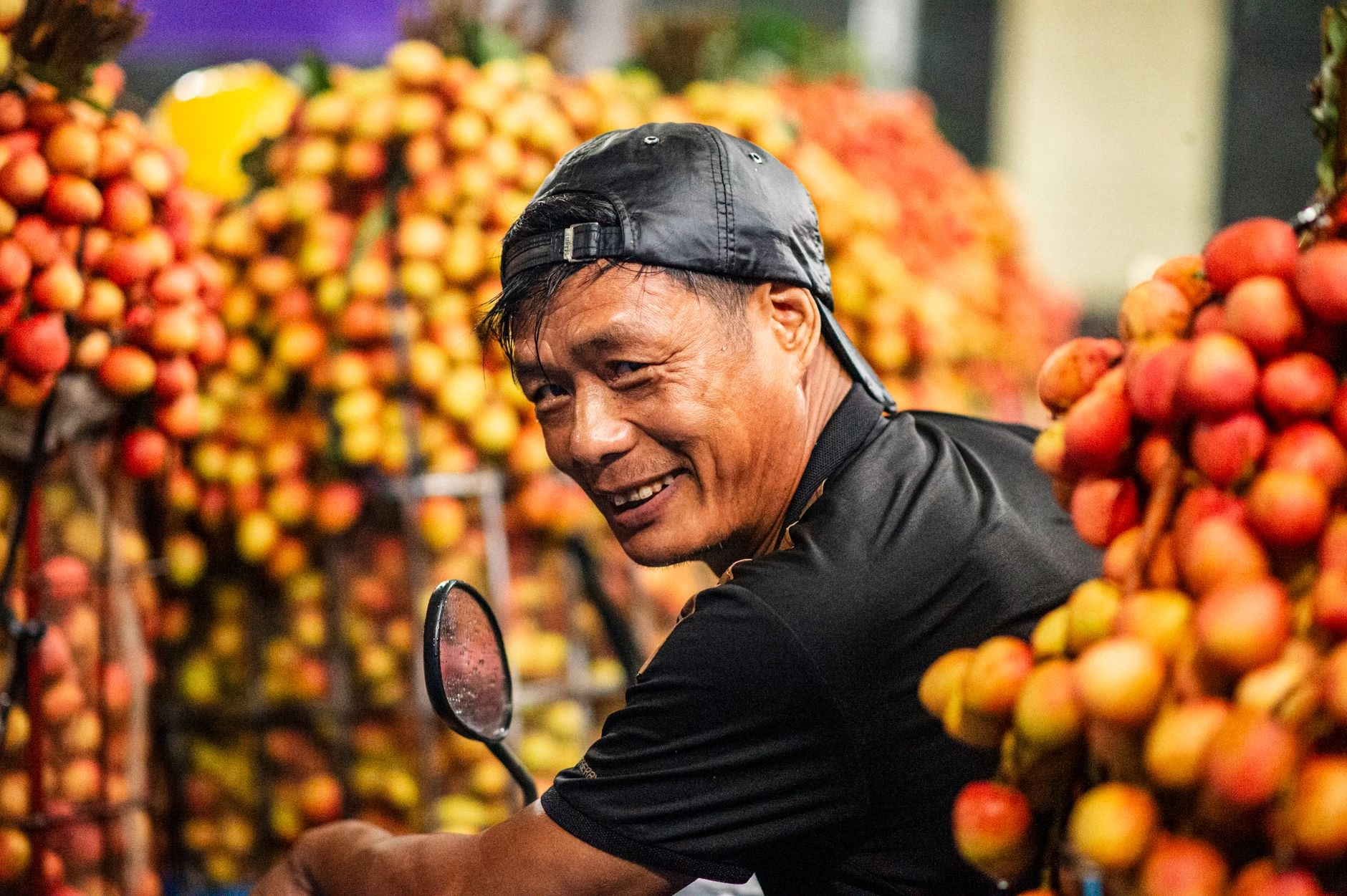
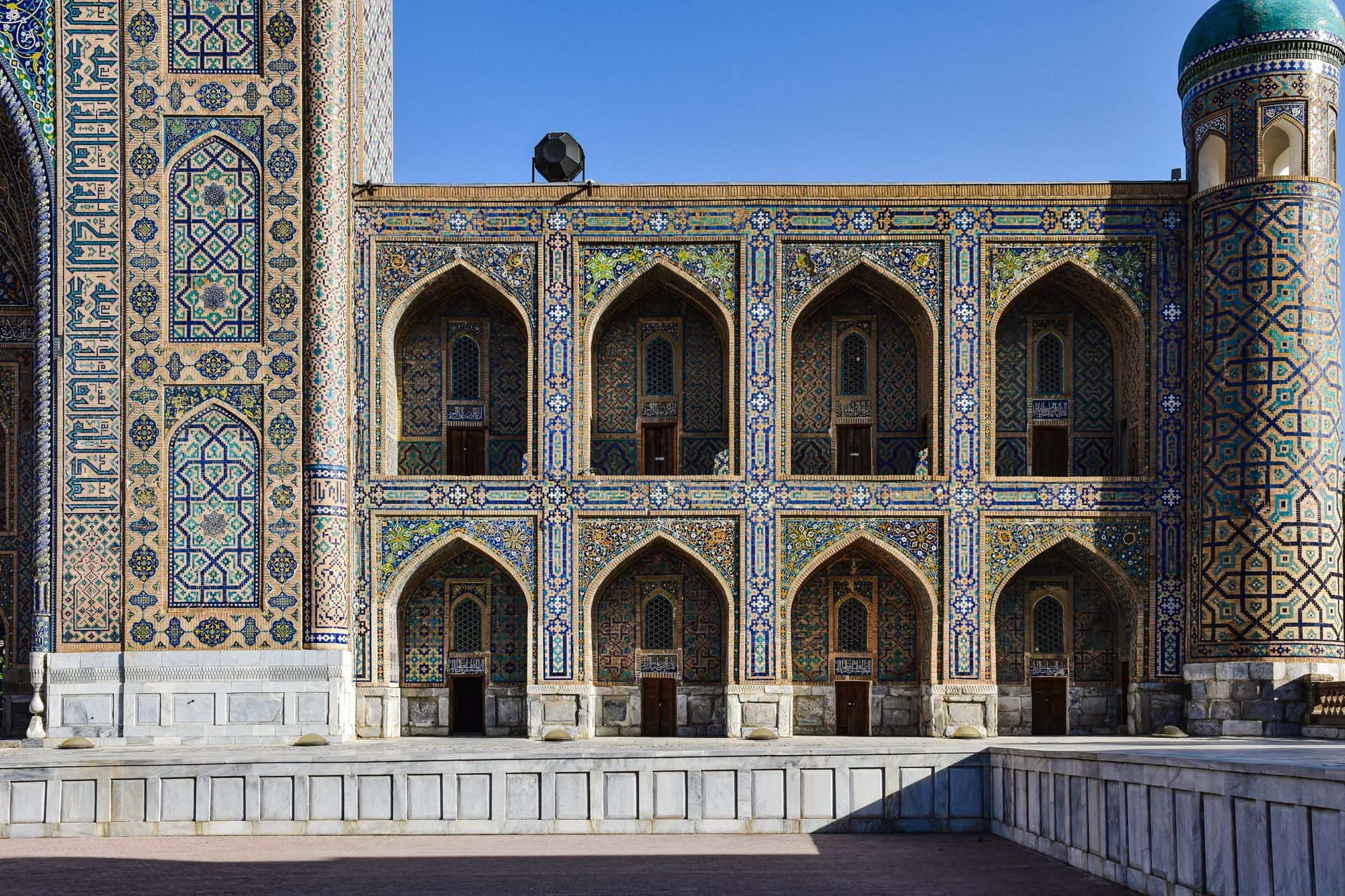
Central Asia is one of the world’s most fascinating yet underexplored regions. Stretching from the snow‑covered peaks of the Pamirs to the desert cities of Uzbekistan and the steppe of Kazakhstan, this vast area has long captured the imagination of travelers seeking adventure along the ancient Silk Road. Countries such as Kyrgyzstan, Kazakhstan, Uzbekistan, Tajikistan, and Turkmenistan offer an incredible blend of natural beauty, rich history, and warm hospitality.
Traveling through Central Asia can be deeply rewarding, but it also requires preparation, awareness, and respect for local customs. In this guide, you will find detailed tips on how to plan your journey, stay safe, handle logistics, and make the most of your time in this extraordinary region. Whether you are backpacking through mountain passes or exploring old caravan towns, this post will help you travel confidently, responsibly, and with greater insight.
Understanding Central Asia Before You Go
Before setting foot in Central Asia, take time to understand what makes the region unique. Its history is intertwined with trade, conquest, and cultural exchange, and this mix continues to influence daily life across its five republics.
Geography and Climate
Central Asia covers a massive area. The landscapes are as varied as they are spectacular. You will find deserts in Uzbekistan and Turkmenistan, alpine lakes in Kyrgyzstan, fertile valleys in Tajikistan, and endless grassy plains in Kazakhstan.
The climate can be extreme. Summers are hot and dry, while winters are intensely cold. Spring and early autumn are generally the best seasons for comfortable travel, especially for those who plan outdoor activities or wish to explore historical cities without the heat or crowds.
Cultural Diversity
The region’s people are incredibly diverse, with roots in Turkic, Persian, and nomadic cultures. Russian is still widely spoken, but learning a few local phrases in Uzbek, Kyrgyz, or Tajik can create genuine connections. Each country has its distinct identity, yet they share a tradition of generosity toward guests. Hospitality is a cornerstone of life here, often symbolized by being offered tea or bread whenever you visit a home.
Planning Your Trip
Visa and Entry Requirements
Visa rules in Central Asia have improved significantly over the past decade. Countries such as Kazakhstan, Kyrgyzstan, and Uzbekistan offer visa‑free entry or simplified e‑visas for many nationalities. Tajikistan and Turkmenistan require more preparation. Always verify the latest embassy updates before you travel, since regulations can change.
If you plan to cross borders overland, make sure you understand which checkpoints are open to foreigners, as not all are. Keep multiple copies of your passport and visa, since border officials may request them at various points.
Transportation and Getting Around
Traveling between countries can be both scenic and time consuming. Trains are reliable and a comfortable option between major cities like Almaty, Tashkent, and Samarkand. Long‑distance shared taxis and marshrutkas (minibuses) are common for shorter routes.
For remote areas such as Kyrgyzstan’s mountains or Tajikistan’s Pamir Highway, hiring a private 4×4 with a driver is often the safest and most flexible choice. Roads can be unpredictable, and weather changes quickly at high altitude. Booking in advance through a reputable operator helps avoid delays and confusion.
Accommodation Choices
From boutique guesthouses in historic centers to traditional yurts in alpine meadows, Central Asia’s accommodation scene has grown considerably. In large cities, you will find good hotels with modern amenities, while rural areas offer homestays that allow you to experience local life firsthand.
When staying in smaller villages, bring a flashlight and keep cash on hand, as power outages and lack of ATMs are not unusual. Make reservations during peak seasons such as summer trekking months or major festivals.
Safety and Security Essentials
General Safety
Central Asia is generally safe for travelers, with low crime rates and a strong sense of community in most places. Petty theft can occur in crowded markets or public transport hubs, so keep valuables out of sight. Avoid walking alone at night in city outskirts and use official taxis or ride‑hailing apps where available.
Police checkpoints are common, especially near borders and highways. Carry your documentation at all times and remain polite during any inspection. A calm attitude and patience make these encounters quick and easy.
Health and Medical Care
Medical facilities in major cities like Almaty or Tashkent are adequate, but rural regions have limited health services. Travelers should have comprehensive travel insurance that includes evacuation coverage. Pack a personal medical kit with basic supplies and prescription medicines, as specific brands may be unavailable locally.
Altitude sickness is a concern in many parts of Kyrgyzstan and Tajikistan. Acclimatize gradually and stay hydrated. Tap water is not always safe to drink, so use bottled or filtered water whenever possible.
Women Travelers
Women generally find Central Asia welcoming. Modest dress is appreciated, particularly in conservative or rural areas. Long sleeves, loose trousers, and scarves help you blend in respectfully. Solo female travelers often report feeling safe, especially when staying in family‑run guesthouses where hosts are protective and helpful.
Local Laws and Customs
Respect for tradition runs deep in Central Asia. Dress modestly when visiting religious sites and remove shoes before entering homes or mosques. Avoid public displays of affection, and ask permission before photographing people, especially elders.
Do not discuss sensitive political topics in public or online during your stay. Police officers are usually approachable, but it is best to stay polite and cautious when dealing with authority.
Money, Connectivity, and Practical Tips
Cash and Payments
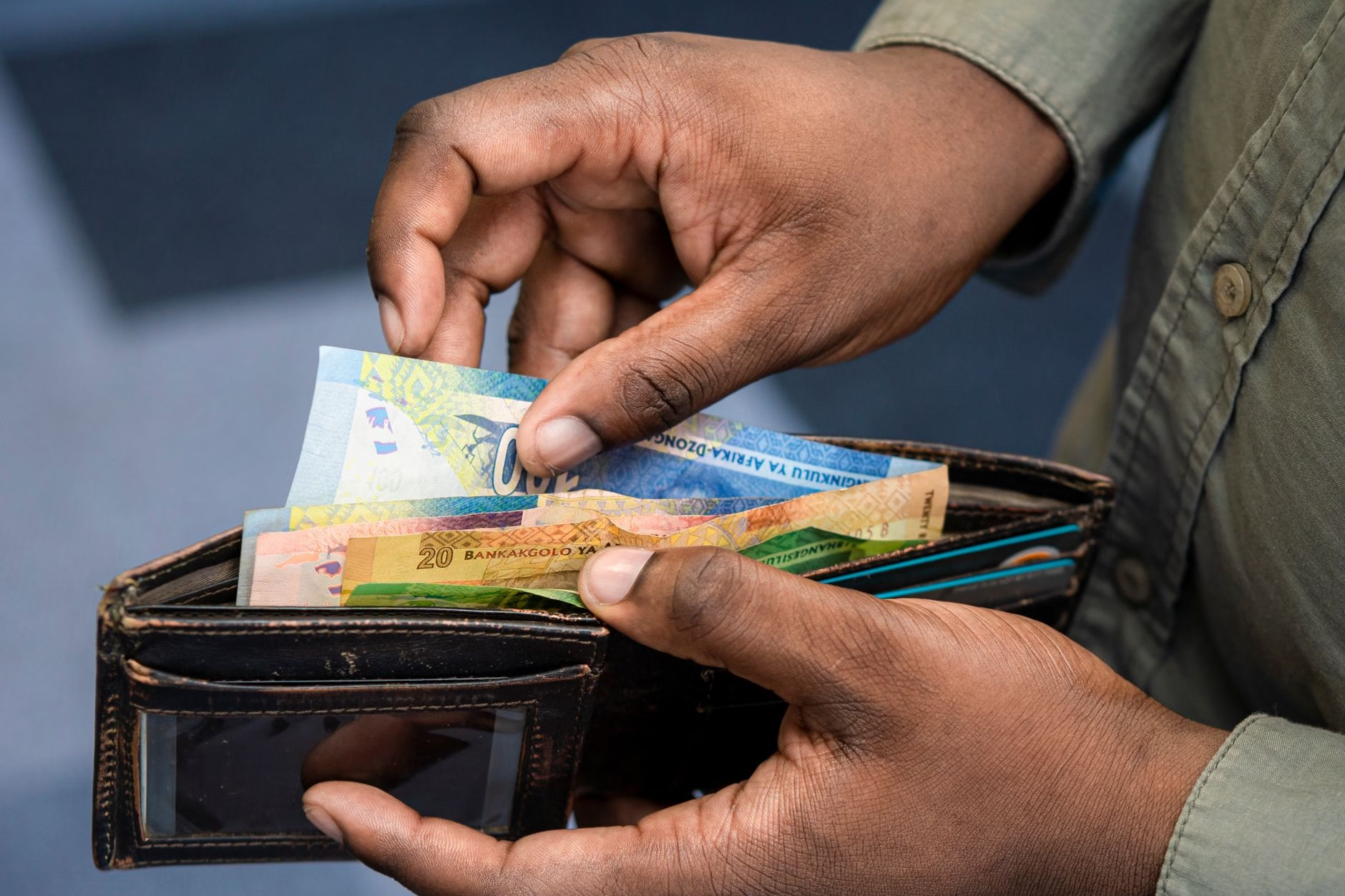
Credit cards are accepted in large hotels and restaurants in main cities, but cash is essential elsewhere. The local currencies include the Kazakhstani tenge, Uzbek som, Kyrgyz som, Tajik somoni, and Turkmen manat. Exchange rates differ widely, so use official exchange offices only.
Carry small denominations since rural shops and vendors often cannot provide change for large bills. ATMs are reliable in cities but scarce in the countryside, so plan withdrawals accordingly.
Internet and Communication
Wi‑Fi is widely available in urban areas, although speeds vary. Buying a local SIM card is inexpensive and practical. Be sure to register your SIM at the point of purchase, as this is a government requirement in most countries. For long cross‑country journeys, having maps and translations downloaded offline makes travel far smoother.
Food and Dining
One of the great pleasures of Central Asia is its cuisine. Expect hearty dishes with influences from Russia, China, Persia, and the Middle East. Staples include plov (a rice pilaf often cooked with lamb and carrots), manty (steamed dumplings), and lagman (noodles in spicy broth). Vegetarians may need to plan meals carefully, as meat often features prominently.
Street food is popular, inexpensive, and generally safe if cooked fresh and served hot. Always wash hands or use sanitizer before eating. In remote areas, it is polite to accept food offered by locals, as sharing meals is part of their deep-rooted hospitality.
Cultural Etiquette and Responsible Travel
Understanding and respecting local customs can greatly enrich your experience. Central Asian people take pride in welcoming guests, and showing interest in their culture goes a long way toward forming meaningful connections.
- Always greet elders first and use your right hand for handshakes.
- Never step over food laid out on a cloth or reach across it; the act is considered disrespectful.
- When invited into a home, sit where the host directs and wait to be served rather than helping yourself.
Responsible travel also means supporting local businesses. Buy crafts from artisans, hire local guides for trekking routes, and stay in community-run accommodations where possible. This ensures your travel contributes positively to the region’s economy and preserves its cultural heritage.
Emergency Preparedness and Travel Insurance
Central Asia’s remote landscapes require travelers to be self-reliant. Always register your itinerary with your embassy or a trusted contact. In mountainous regions, inform local authorities about trekking plans and estimated return dates.
Travel insurance that covers adventure activities, lost baggage, and medical emergencies is essential. Make sure it includes transportation from remote areas in case of illness or injury. Having emergency numbers saved offline and a small paper copy of hotel addresses written in Cyrillic or local script can be very useful when internet access is unreliable.
Conclusion
Exploring Central Asia offers something few destinations can: the thrill of old-world adventure combined with authentic cultural immersion. With preparation, respect, and an open mind, travelers can safely navigate its ancient Silk Road cities, wind through breathtaking mountain passes, and connect with people whose traditions are proudly preserved yet welcoming to outsiders.
Use this guide as a foundation for your planning, but let curiosity lead the way once you are there. Central Asia rewards those who travel thoughtfully, approach its culture with humility, and take the time to appreciate every encounter. With a careful balance of awareness and wonder, you will leave with not only incredible photographs but also lasting memories of human warmth and discovery.
Further Reading
3 Day Istanbul Itinerary for First Time Visitors
Travel to Somalia; How I Traveled to Mogadishu