Introduction: Discover the Heart of Central Europe
Elegant medieval cities, tranquil lakes, atmospheric forests, and an unexpectedly modern energy make Poland one of Europe’s most rewarding travel destinations. Whether you are drawn to the colorful architecture of Kraków’s old town, the Baltic sea breeze in Gdańsk, the somber history of Warsaw, or the raw beauty of the Tatra Mountains, Poland offers a perfect balance of past and present.
This complete Poland travel guide is designed for anyone planning a visit, whether it is your very first trip or a return journey to explore deeper cultural layers. You will learn where to go, what to see, when to visit, essential travel insights, and the memorable experiences that give Poland its unique allure.
Understanding Poland: A Country of Rich Contrasts
Poland sits at the crossroads of Central and Eastern Europe, bordered by seven countries and the Baltic Sea. Its geography gives it a diverse character, where historic towns coexist with peaceful countryside and vibrant urban centers.
The Polish spirit is defined by resilience, respect for tradition, and an infectious sense of optimism. Centuries of changing borders and foreign influence have created a culture that is deeply connected to heritage yet remarkably forward looking. As you travel, you will notice both carefully preserved medieval town squares and striking modern architecture. Museums tell stories of endurance, while festivals and open air markets reveal a celebration of life that feels genuinely heartfelt.
When to Visit: Choosing the Right Season
Poland’s climate varies across regions, so timing your visit depends on the type of experience you want.
Spring (April to June) brings gentle warmth, blooming parks, and fewer tourists. It is ideal for leisurely city exploration and countryside drives. Cities like Kraków and Wrocław feel especially lively with outdoor cafés reopening after winter.
Summer (July to August) sees long days and numerous festivals. Expect higher prices and more visitors, especially in coastal areas and popular mountain resorts. Beaches along the Baltic coast and lakes in Mazury become vibrant with local holidaymakers.
Autumn (September to November) is perhaps the most cinematic season. Forests turn amber and gold, cities are less crowded, and cultural life remains active. For photographers, Poland in autumn is a dream.
Winter (December to March) is a magical time for travelers who enjoy snow tipped landscapes and cozy lodges. The Christmas markets in Poznań, Gdańsk, and Kraków are among the most atmospheric in Europe, and ski enthusiasts can head to Zakopane in the Tatras for winter sports.
Must Visit Destinations in Poland
Each region of Poland offers something distinct. Below are the key places every traveler should consider.
Warsaw – The Rebuilt Capital
The capital city is a triumph of resilience. Once destroyed during World War II, Warsaw rose again, blending reconstruction with modern innovation. Explore the meticulously rebuilt Old Town, stroll along the Royal Route, and spend time in Łazienki Park, a serene escape filled with palaces and peacocks. The Warsaw Rising Museum offers a powerful insight into the city’s wartime history, while the trendy Praga district shows its creative and bohemian side.
Kraków – The Cultural Heart
Kraków charms instantly with its storybook old town, medieval churches, and lively market squares. Wander through Rynek Główny, visit Wawel Castle, and take in the artistic energy of Kazimierz, the historic Jewish quarter. The nearby Auschwitz-Birkenau Memorial offers a sobering yet essential journey through history. Day trips from Kraków can include the shimmering chambers of the Wieliczka Salt Mine, a UNESCO listed site beneath the earth.
Gdańsk – The Maritime Jewel
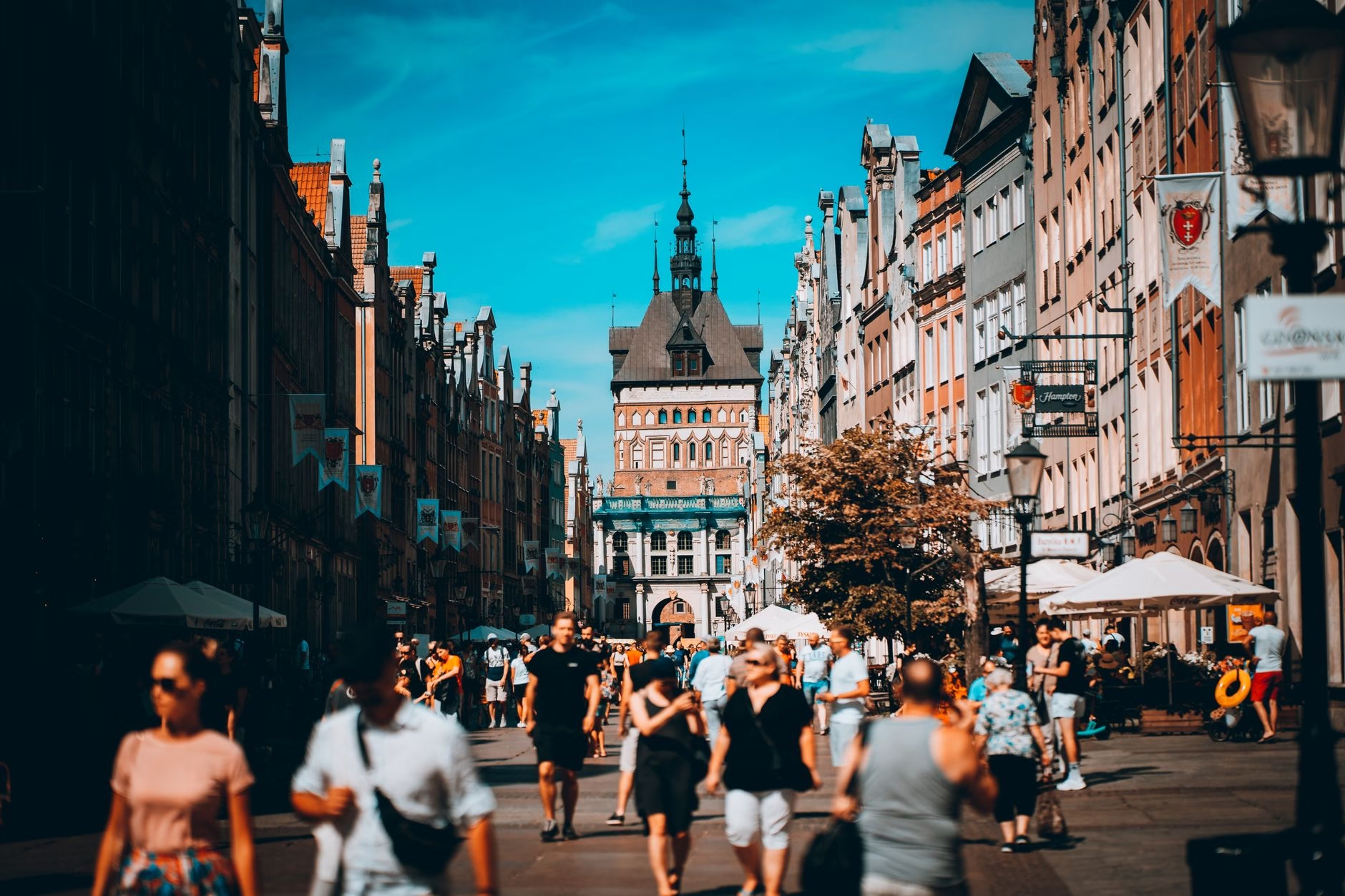
On the Baltic coast, Gdańsk impresses with its colorful waterfront facades, maritime heritage, and independent spirit. Stroll along Długi Targ, admire the decorative gables, and visit the Museum of the Second World War for one of Europe’s finest historical exhibitions. The nearby seaside towns of Sopot and Gdynia create a seamless coastal triangle ideal for summer escapes.
Wrocław – The City of Bridges
Wrocław, often described as Poland’s most beautiful city, is built across dozens of islands connected by charming bridges. Its lively Market Square, Gothic Cathedral Island, and network of hidden dwarfs scattered across the streets give the city a whimsical character. Local cafés and riverside terraces make it a great destination for slow travel.
Zakopane and the Tatra Mountains
Nature lovers will find paradise in Zakopane, the alpine town beneath the Tatras. Hiking trails, mountain lakes, and traditional wooden chalets create a setting that feels both wild and welcoming. In winter, Zakopane transforms into a major ski resort. Try oscypek, the local smoked cheese served warm with cranberry jam, at one of the rustic roadside stalls.
Polish Cuisine: A Feast of Tradition and Comfort
Polish food is hearty, flavorful, and rooted in family traditions. It reflects a mix of influences from neighboring regions while maintaining its own distinct identity. Make sure to sample:
- Pierogi – Dumplings filled with everything from potatoes and cheese to mushrooms and meat.
- Żurek – A sour rye soup often served in a bread bowl, especially popular during Easter.
- Bigos – A hunter’s stew made from cabbage, sausage, and fragrant spices, a perfect meal after a winter walk.
- Placki ziemniaczane – Golden potato pancakes served with sour cream or goulash.
- Polish desserts like sernik (cheesecake) and pączki (jam filled doughnuts) showcase the country’s love for simple, comforting sweets.
Pair your meals with local craft beers or try traditional vodka flavored with honey or herbs. Dining in Poland often feels like being welcomed into a family kitchen rather than a restaurant.
Practical Travel Tips for Visitors
Language and Communication
Polish is the official language, but English is widely understood in major cities and tourist areas. Learning a few basic greetings or thank you phrases is always appreciated by locals.
Currency and Payments
Poland uses the złoty (PLN). Most shops and restaurants accept credit cards, though having cash on hand for smaller establishments and rural areas is wise. ATMs are plentiful.
Transportation
Poland’s transportation network is efficient and affordable. Intercity travel is best done by train, with modern connections linking Warsaw, Kraków, Gdańsk, and Wrocław. Buses reach smaller towns and villages. Car rental is ideal for exploring countryside regions like Mazury or the Tatra foothills where flexibility is key.
Accommodation Options
From historic boutique hotels in renovated castles to budget friendly hostels and countryside guesthouses, Poland suits a wide range of travel styles. Booking well in advance is essential during summer or winter holiday periods.
Safety and Etiquette
Poland is considered one of the safer destinations in Europe. As in any country, take normal precautions in crowded places. Poles value politeness and personal respect, so a simple “dzień dobry” (good day) goes a long way in daily interactions.
Cultural Etiquette and Local Experiences
Polish culture places strong emphasis on family, hospitality, and heritage. Visitors are often pleasantly surprised by how warmly they are greeted when showing genuine interest. Join local events such as folk festivals in rural villages, or attend a classical concert in Kraków’s old theaters.
If you are in Poland during national holidays like Constitution Day on May 3 or Independence Day on November 11, you will witness proud displays of patriotism, cultural performances, and fireworks.
Take time to explore beyond the obvious tourist attractions. Visit regional museums, walk through local markets, and sample street food. These experiences reveal a more intimate side of Poland that guidebooks sometimes overlook.
Conclusion: Why Poland Deserves a Place on Your Travel List
Poland delivers history, natural beauty, and heartfelt hospitality in equal measure. It offers travelers the rare chance to walk through stories that span centuries yet still feel fresh and inviting. Whether you are exploring the grandeur of Warsaw, eating pierogi in a tiny Kraków café, or hiking through misty mountain trails, you are witnessing a country that treasures its past while confidently embracing the future.
Every journey through Poland leaves behind not just photographs but genuine emotional impressions. For anyone seeking a European adventure that feels both meaningful and memorable, Poland is an experience that lingers long after you return home.
Further Reading
3 Day Istanbul Itinerary for First Time Visitors
Travel to Somalia; How I Traveled to Mogadishu