Introduction
Visiting East Africa is not just another trip; it is an adventure through some of the most spectacular landscapes and wildlife experiences on Earth. This corner of the continent embodies raw beauty, vibrant culture, and a rhythm of life that captures the soul of every traveler. From the sweeping savannas of Kenya and Tanzania to the mist-shrouded mountains of Uganda and Rwanda, the region offers a year-round appeal. However, choosing the right time to go can make all the difference in how deeply you connect with its people, its wildlife, and its natural wonders.
In this guide, we will break down the best time to visit East Africa based on weather, wildlife viewing opportunities, and cultural experiences. You will gain practical insights to help plan your safari, beach holiday, or mountain trek and understand what each season truly offers.
Understanding East Africa’s Climate
Although East Africa lies near the equator, its climate varies widely depending on altitude, topography, and proximity to the Indian Ocean. The region experiences two major dry seasons and two rainy periods that shape travel conditions throughout the year.
- Long Dry Season (June to October): This is the most popular time for safaris across East Africa. The weather is sunny, vegetation is thin, and wildlife congregates around water sources, making animals easier to spot.
- Short Rains (November to early December): Short rains bring light showers that refresh the landscape without drastically affecting travel. It is a quieter and often more affordable time to visit.
- Long Rains (March to May): These months see heavier rainfall, especially in coastal and mountain areas. Roads can become muddy, and some lodges close temporarily, but the scenery transforms into lush green beauty.
- Short Dry Season (January to February): Warm, clear days dominate this brief dry window. Wildlife viewing remains excellent, and this period is particularly good for birdwatching.
Each of these climate patterns creates unique travel conditions that can enhance specific types of adventures.
Best Time for Safaris and Wildlife Viewing
When travelers imagine East Africa, images of lions prowling the Maasai Mara or elephants crossing Amboseli come to mind. The region’s dry seasons stand out as the most rewarding times for wildlife encounters.
June to October: The Prime Safari Window
Game drives during these months are extraordinary. The bush thins out, making visibility excellent, and the chance to witness predators hunting increases dramatically. Travelers can follow:
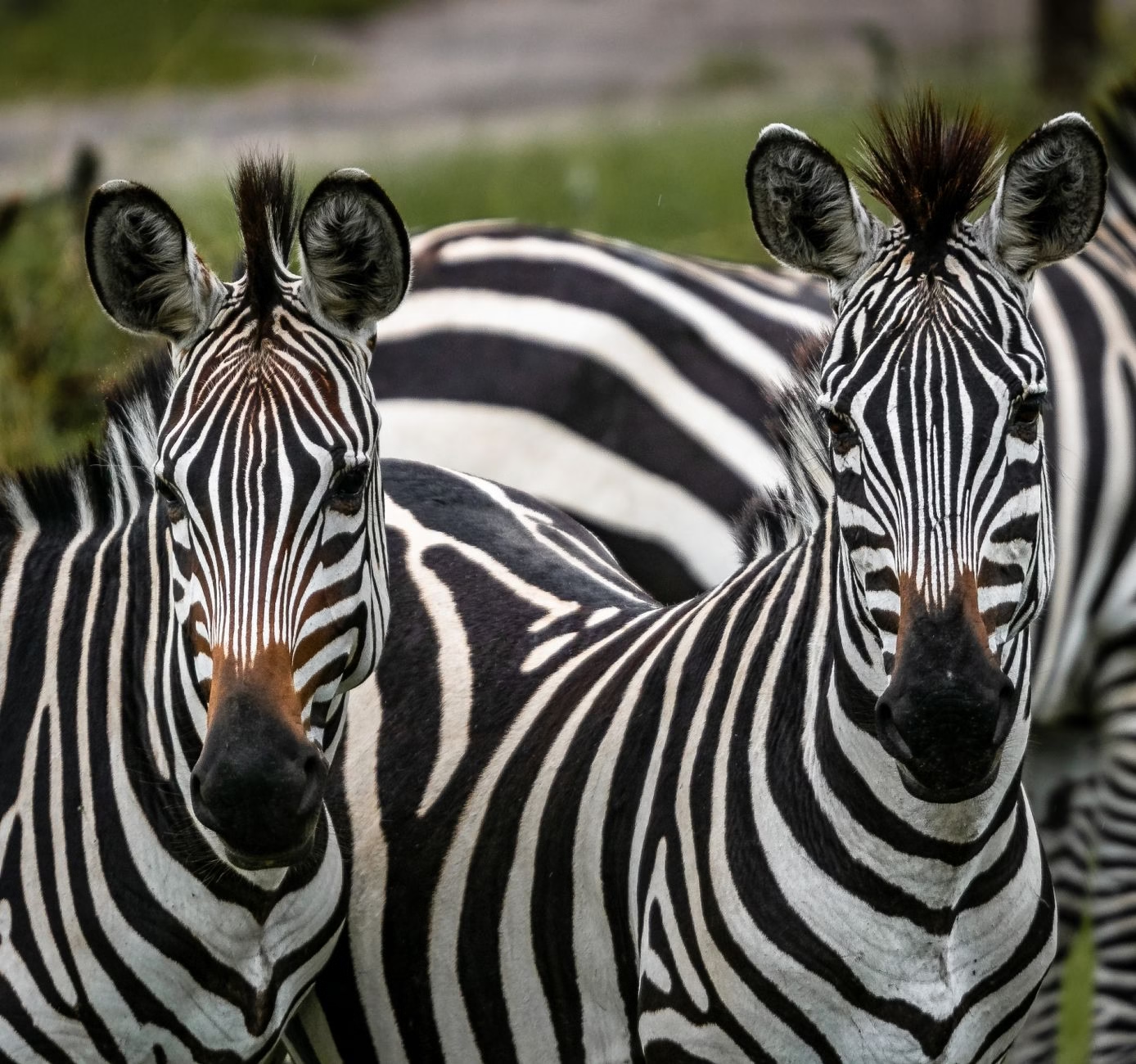
- The Great Migration in Kenya’s Maasai Mara or Tanzania’s Serengeti, where millions of wildebeest and zebra move in search of fresh grass.
- Elephant herds in Amboseli with clear views of Mount Kilimanjaro in the dry air.
- Rhino spotting in Lake Nakuru and big cat sightings in the Serengeti under bright skies.
Because this is high season, early booking is essential. Prices are higher, but the clarity of game viewing and the quality of experiences make it well worth it.
January to February: A Secret Favorite
Although shorter, this dry season offers equally impressive wildlife sightings. It coincides with the calving season in the southern Serengeti, when newly born wildebeest attract predators, providing travelers with dramatic interactions in the wild. Bird lovers also delight in this period due to the arrival of migratory species.
Best Time for Trekking and Mountain Adventures
For those drawn to adventure beyond the savanna, East Africa’s majestic peaks await. Mount Kilimanjaro in Tanzania, Mount Kenya, and the Rwenzori Mountains in Uganda are world-class trekking destinations.
- June to October and January to February are the best periods to climb Mount Kilimanjaro and Mount Kenya. The weather is dry, trails are firmer underfoot, and the chances of clear summit views are excellent.
- The Rwenzori Mountains experience steady rainfall, but the drier months of December to February and June to August offer the most stable conditions for climbing.
When planning a trek, always allow extra days for acclimatization and choose experienced guides. The difference between a rushed climb and a well-paced adventure is immense, both in safety and enjoyment.
Best Time for Gorilla and Chimpanzee Trekking
East Africa’s rainforests hold some of the continent’s most extraordinary wildlife experiences. Trekking to see mountain gorillas in Rwanda or Uganda or tracking chimpanzees in Kibale National Park is an unforgettable encounter.
The ideal time to visit for these treks is generally during the dry months from June to September and December to February. Trails are less slippery, the forest is more navigable, and light conditions for photography are better. However, since gorillas live in rainforests, occasional showers occur year-round.
Permits for gorilla trekking are limited and should be booked months in advance. Choose early morning treks for cooler temperatures and better photographic lighting.
Best Time for East African Beaches
After your safari or trek, there is nothing more rewarding than relaxing by the turquoise waters of the Indian Ocean. Zanzibar, the Kenyan coast, and Diani Beach offer warm seas, palm-fringed sands, and vibrant marine life.
- June to October: Ideal for diving, snorkeling, and deep-sea fishing thanks to calm waters and excellent visibility.
- December to February: Another great beach period, perfect for sunbathing and enjoying laid-back coastal festivals.
Avoid the long rains of March to May, when heavy showers can disrupt water activities and limit beach time.
Cultural Festivals and Events Worth Timing Your Trip Around
East Africa’s appeal extends far beyond its landscapes. The region offers an array of cultural experiences, and timing your trip around unique festivals brings communities, music, and art to life.
- Zanzibar International Film Festival (July): A celebration of African and Indian Ocean cinema held in the historic streets of Stone Town.
- Maralal Camel Derby (August): A vibrant blend of sport, tradition, and color in northern Kenya.
- Lake Turkana Festival (May): Highlights the cultural diversity of more than ten tribes from Kenya’s northern frontier.
- Kigali Up Music Festival (varies annually): A showcase of East African creativity that reveals Rwanda’s emerging cultural identity.
Attending these events gives travelers insight into local traditions and the opportunity to engage deeply with East African life beyond the safari circuit.
Budget and Crowds by Season
Travel costs and crowd levels in East Africa fluctuate with the seasons. Understanding these patterns helps travelers maximize value and comfort.
- High Season (June to October): Top wildlife viewing, but higher accommodation rates and busier parks.
- Shoulder Seasons (November and March through May): Fewer visitors, discounted rates, and lush scenery. Excellent for photographers willing to embrace occasional rain.
- Festive Season (December to February): Busy around Christmas and New Year, especially in beach destinations. Early booking is essential.
For many travelers, a mix of value and good weather occurs in the shoulder months, when the landscape shines in vibrant green and wildlife is still easily spotted.
Conclusion
East Africa offers extraordinary travel experiences throughout the year, but the best time to visit depends on what you seek. Wildlife enthusiasts find unparalleled drama during the dry months from June to October. Climbers and trekkers enjoy clearer paths and skies between June and February. Culture lovers and beach seekers have their own windows of opportunity tied to festivals and coastal weather.
No matter when you go, East Africa rewards those who plan thoughtfully. The rhythm of its seasons shapes unforgettable adventures, from tracking gorillas in misty forests to standing before herds of wildebeest sweeping across golden plains. Choose your moment wisely, and you will discover a region that is both timeless and ever-changing.
Further Reading
3 Day Istanbul Itinerary for First Time Visitors
Travel to Somalia; How I Traveled to Mogadishu
Free Family Things to do in Chicago Today
How to Spend Four Days in Hong Kong