Introduction
There are few travel experiences on earth as transformative as an East African safari. The first golden light of dawn spilling over the endless savannah, the distant roar of a lion echoing across the plains, and the unforgettable sight of elephants crossing your path in perfect silence—these moments stay with you forever. For many travelers, a safari in East Africa is the realization of a long-held dream, but with so many national parks, countries, and experiences to choose from, crafting the ideal itinerary can feel overwhelming.
This guide offers a detailed, carefully planned East Africa safari itinerary that takes you through Kenya, Tanzania, and Uganda—three of the region’s most iconic safari destinations. You will discover practical insights on when to visit, how to move between parks, where to stay, and which experiences should not be missed. By the end, you will have all the tools to plan an itinerary that blends comfort, adventure, and authentic encounters with nature and culture.
Understanding the East African Safari Experience
Before diving into the itinerary, it is important to understand what makes East Africa unique. The region’s ecosystems are incredibly diverse: from Kenya’s wide open savannahs to Tanzania’s volcanic plains and Uganda’s misty rainforests. This means there is no single safari formula; instead, the best itineraries weave together landscapes and activities that match the traveler’s interests.
- Kenya is famous for its classic game drives across vast plains filled with lions, cheetahs, and dramatic sunsets. The Maasai Mara is the crown jewel.
- Tanzania offers the iconic Serengeti, the unique Ngorongoro Crater, and remote parks like Tarangire, where ancient baobabs frame elephant herds.
- Uganda adds a deeply emotional dimension with gorilla trekking in Bwindi Impenetrable Forest, a once in a lifetime wildlife encounter.
An itinerary that combines these three destinations offers a well balanced journey through different ecosystems and cultures, maximizing your chance to witness Africa’s most spectacular natural wonders.
The Perfect 10 Day East Africa Safari Itinerary
This itinerary is designed as a 10 day journey beginning in Nairobi, Kenya, continuing into Tanzania, and concluding in Uganda. It is ideal for travelers seeking the full diversity of East Africa without feeling rushed.
Day 1–2: Nairobi and the Maasai Mara, Kenya
Begin your adventure in Nairobi, a lively city that embodies the modern yet rooted rhythm of East Africa. Spend a day visiting the Giraffe Centre or David Sheldrick Wildlife Trust to meet rescued elephants and giraffes. These experiences offer a gentle introduction to wildlife conservation and the importance of protecting the ecosystems you will later explore.
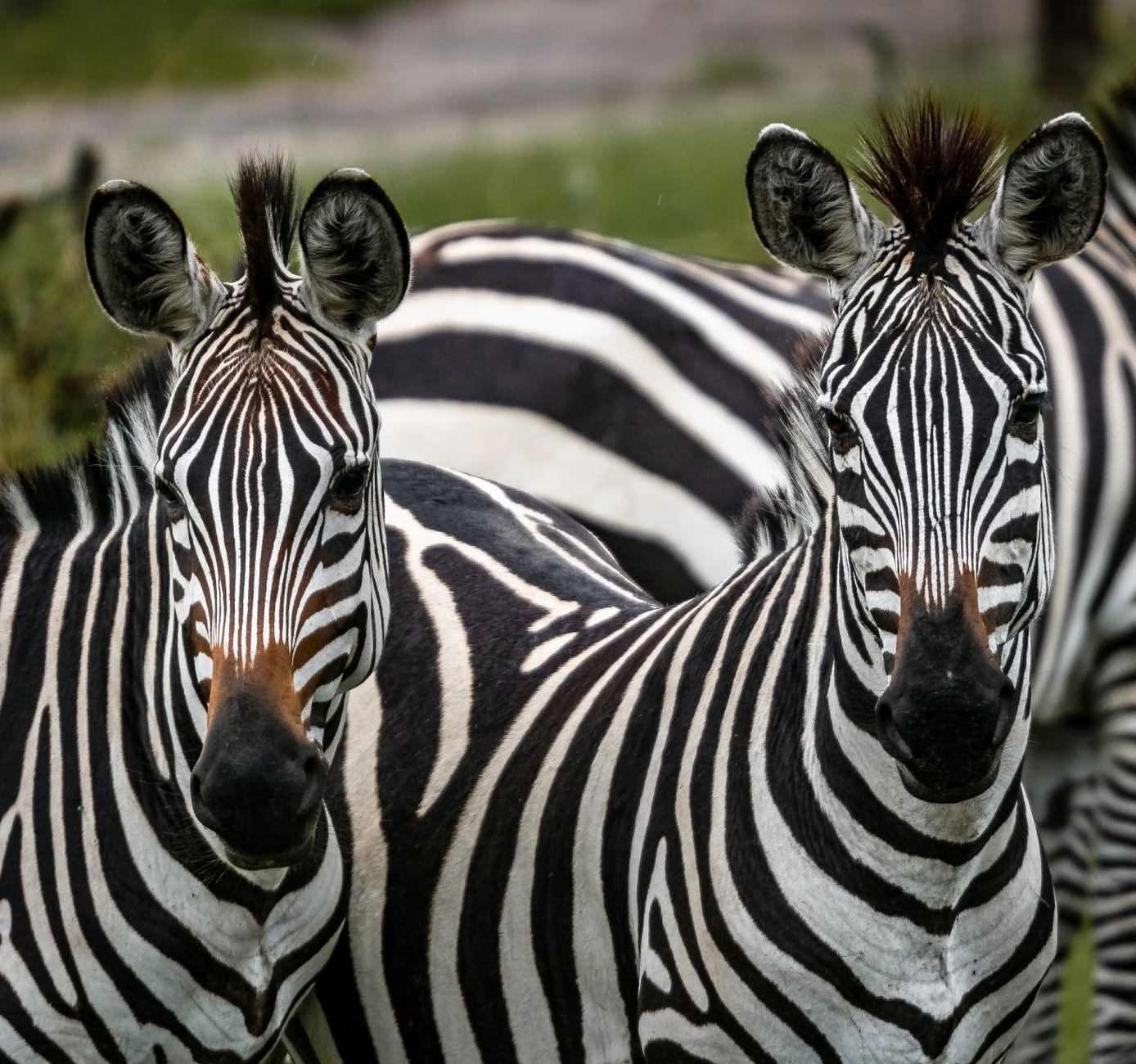
On day two, fly or drive to the Maasai Mara National Reserve. Once inside the reserve, you will find yourself surrounded by endless grasslands teeming with life. Game drives here deliver some of the best wildlife viewing in Africa, particularly during the Great Migration season from July to October when millions of wildebeest and zebra move northward from the Serengeti. Even outside the migration, the Mara’s density of predators is unmatched.
Stay in a tented camp along the Mara River for an authentic yet comfortable experience. In the evening, enjoy stories around the campfire under a starlit sky.
Day 3–4: Serengeti National Park, Tanzania
Cross the border into Tanzania and enter the Serengeti, a UNESCO World Heritage Site celebrated for its sweeping plains and dramatic horizons. The transition from Maasai Mara to Serengeti is seamless: together, they form one of the largest continuous ecosystems on Earth.
Spend two full days exploring both the central and northern areas of the park. You might witness lions stalking antelope, elephants bathing in rivers, or the vibrant colors of the African sunrise reflected on acacia trees. Early morning and late afternoon drives offer the best photographic light and most active wildlife behavior.
For accommodation, choose a lodge that prioritizes sustainable tourism. Many lodges in the Serengeti run on solar power and contribute to local communities, ensuring your stay supports long-term conservation.
Day 5: Ngorongoro Crater and Karatu Highlands
From the Serengeti, journey to one of the world’s most breathtaking natural wonders: Ngorongoro Crater. This massive volcanic caldera shelters over 25,000 animals within its walls, creating an environment of intense biodiversity. Descend to the crater floor early in the morning to see black rhinos, lions, flamingos, and herds of wildebeest grazing in the mist.
In the afternoon, head to the nearby Karatu Highlands for an overnight stay surrounded by lush coffee plantations. This region’s cooler climate and gentle hills provide a refreshing break after the open plains. A local village walk or coffee estate tour can make this stop culturally enriching.
Day 6–7: Lake Manyara and Tarangire National Parks
Continue to Lake Manyara National Park, known for its tree climbing lions and pink flamingo-filled shores. Although small compared to the Serengeti, the park’s compact landscapes allow for rich, varied wildlife encounters in a single day.
Next, visit Tarangire National Park, often overshadowed by its more famous neighbors but loved by seasoned travelers for its off-the-beaten-path charm. Massive herds of elephants, clusters of baobab trees, and colorful bird species make Tarangire a highlight. Stay at a camp that overlooks the Tarangire River to watch wildlife gather at the water’s edge during sunset.
Day 8–10: Fly to Uganda for Gorilla Tracking
The final leg takes you to Uganda, where the rhythm of your safari shifts from wide open plains to dense, mist-shrouded rainforests. Fly into Entebbe and then onward to Bwindi Impenetrable Forest. This is one of the last remaining homes of the mountain gorilla, an awe-inspiring species that shares more than 95 percent of its DNA with humans.
Your gorilla trekking day will begin early, guided by expert trackers and park rangers who will lead you through thick jungle terrain in search of a specific gorilla family. The moment you find them—watching a mother cradling her infant or a silverback quietly observing his group—is one that defies description.
Spend your final day in Uganda relaxing on the peaceful shores of Lake Bunyonyi before returning to Entebbe for your flight home. The stillness of the lake and the rolling green hills offer a serene conclusion to an extraordinary journey.
Timing Your Safari: When to Go
While safaris in East Africa are possible year-round, certain months offer distinct advantages depending on your goals.
- June to October: Dry season, excellent for game viewing and coinciding with the Great Migration in Kenya and Tanzania.
- December to February: Another dry period, ideal for birdwatching and lush landscapes after short rains.
- March to May: Wet season, green scenery and fewer crowds, but some roads may be challenging to navigate.
Each season offers a unique atmosphere, so consider whether you prefer quieter, greener surroundings or peak wildlife action.
Practical Tips for a Seamless Safari
- Book early: Popular parks like the Maasai Mara and Serengeti fill up quickly, especially during migration season.
- Work with a reputable operator: Choose tour companies that partner with local guides and support conservation initiatives.
- Health and safety: Ensure vaccinations and malaria prophylaxis are up to date, and always carry travel insurance that covers adventure activities.
- Pack thoughtfully: Neutral-colored clothing, binoculars, a good camera, and reusable water bottles are essential.
- Cultural respect: Always ask before taking photos of local people, and engage politely with communities you visit.
These small considerations can make your experience smoother and more meaningful, both for you and for the communities that host you.
Conclusion
An East Africa safari is far more than a holiday—it is an immersion into the rhythm of the wild, where every sunrise and sunset tells a new story. Whether it is the thundering hooves of the Great Migration, the quiet intelligence of a family of gorillas, or the timeless connection with local cultures along the way, this journey invites you to see the world through a deeper lens.
Crafting the right itinerary lets you balance adventure and reflection, adrenaline and tranquility. East Africa’s landscapes, wildlife, and people create a harmony few places can match, making every moment in the region both humbling and unforgettable.
Further Reading
3 Day Istanbul Itinerary for First Time Visitors
Travel to Somalia; How I Traveled to Mogadishu
Free Family Things to do in Chicago Today
How to Spend Four Days in Hong Kong