Romania Travel Guide: Castles and Nature
Introduction
Romania is a country that seems to exist halfway between myth and reality. Travelers are drawn here by hauntingly beautiful castles, dramatic mountains, mysterious forests, and timeless rural landscapes that feel untouched by modern haste. From the legendary peaks of Transylvania to the gentle hills of Maramureș, and from medieval villages to glacial lakes, Romania reveals a version of Europe that still holds its secrets close.
In this guide, you will uncover how to explore Romania’s most captivating castles and awe inspiring natural landscapes. You will find practical advice on where to go, what to expect, and how to plan your journey so you can experience both the architectural grandeur and natural wonder that make this Eastern European gem so special.
The Magnificent Castles of Romania
Romania’s castles are much more than striking silhouettes against mountain backdrops. They are living witnesses of the country’s complex history, shaped by royalty, legend, and folklore. Each castle tells its own story, and visiting them is like turning pages in a centuries old tale.
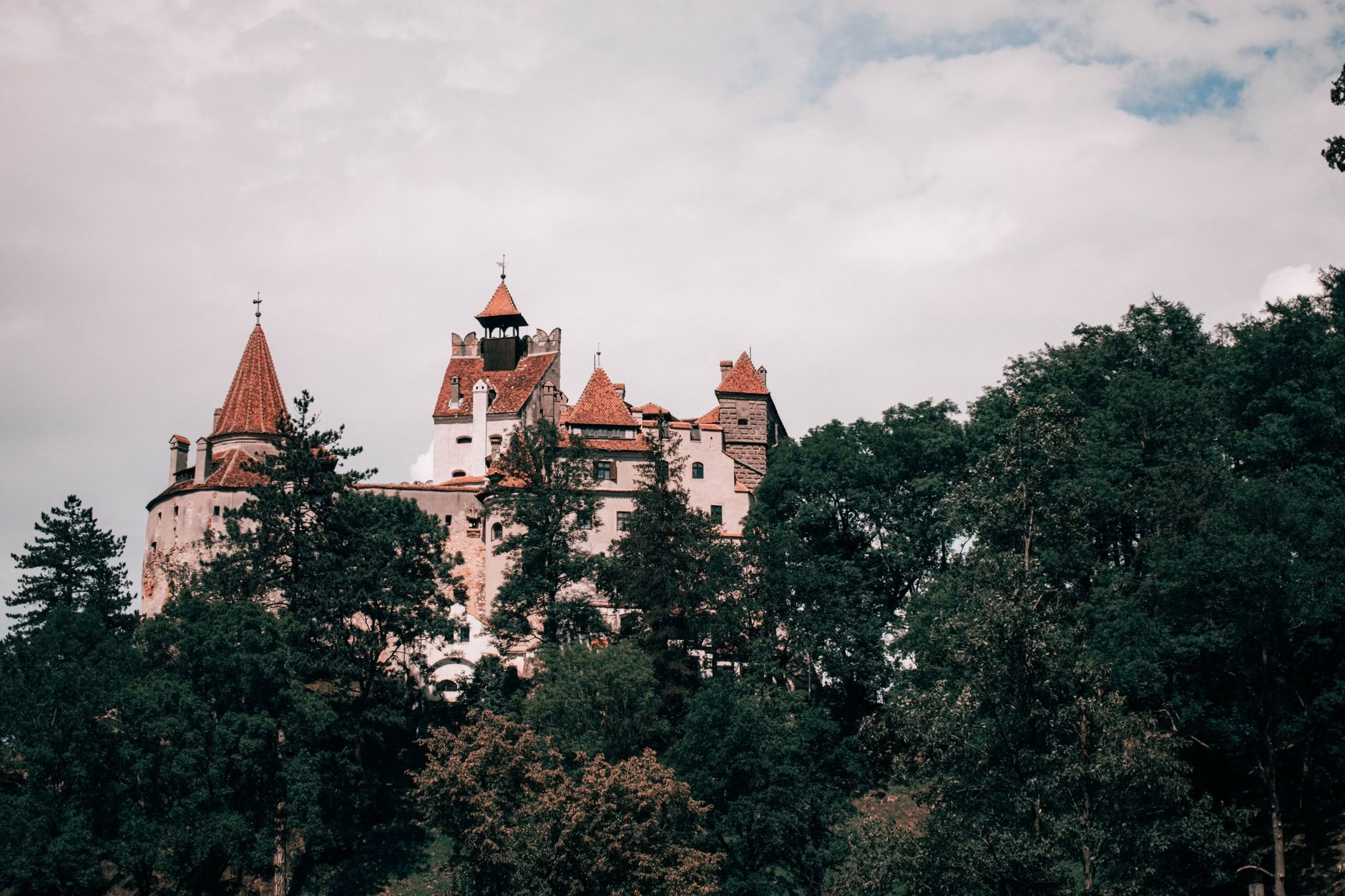
Bran Castle – The Myth and the Mountain
Perched on a hilltop between Transylvania and Wallachia, Bran Castle is famously linked to the Dracula legend. However, beyond the fictional connection, it captivates visitors with its medieval charm and strategic mountain setting.
Inside, winding staircases lead you through narrow passageways, secret doors, and rooms filled with period furniture and collections from Queen Marie of Romania. From the towers, you’ll enjoy breathtaking views of the surrounding Carpathian Mountains. To make the most of your visit, arrive early in the morning to avoid crowds and linger afterward in Bran village, where local markets sell handmade crafts and traditional snacks.
Peleș Castle – Royal Elegance at the Foot of the Carpathians
Few castles in Europe rival Peleș Castle in terms of refinement. Located near the resort town of Sinaia, this masterpiece of Neo Renaissance architecture rests along a forested valley, surrounded by crisp mountain air.
Built in the late 19th century for King Carol I, Peleș dazzles with its ornate interiors, finely carved woodwork, and collection of European art. Every room feels like its own museum, reflecting influences from Gothic to Baroque design. Guided tours offer insight into the royal family’s lifestyle and historical events that shaped modern Romania. Visiting in spring or autumn provides a quieter and more immersive experience, with vibrant seasonal colors enhancing the setting.
Corvin Castle – A Journey into the Gothic Past
Located in Hunedoara, Corvin Castle stands as one of the largest Gothic castles in Europe. Its fortress like towers, stone bridges, and large courtyard conjure images of knights and medieval tales. Unlike Peleș, which exudes royal sophistication, Corvin Castle evokes a raw, powerful atmosphere.
Inside, exhibits illustrate the life of the Hunyadi family and the military history of Transylvania. Photographers will particularly enjoy the contrast between the reddish turrets and the green valley below. Allow at least two hours to explore and consider visiting later in the day when the light creates dramatic shadows along the stone walls.
Nature Beyond Imagination
Romania’s natural beauty is as legendary as its castles. Vast mountain ranges, glacial lakes, and unspoiled forests make this one of Europe’s most rewarding destinations for nature lovers. Whether you prefer challenging hikes or peaceful countryside walks, Romania offers endless ways to connect with the outdoors.
The Carpathian Mountains – The Heart of Adventure
The Carpathians curve gracefully across Romania, forming the backbone of the country’s geography and outdoor culture. They are home to brown bears, lynx, and wolves, making Romania one of the last strongholds of European wilderness.
Popular areas such as Bucegi and Făgăraș offer trails for all fitness levels. The ascent to Bâlea Lake in the Făgăraș Mountains rewards hikers with glacial scenery, and the nearby Transfăgărășan Road provides one of the most spectacular drives in the world. Summer is ideal for trekking and photography, while winter transforms the same areas into ski destinations. You can stay in mountain chalets or small family pensions, enjoying local cuisine that often includes hearty soups and organic cheeses.
The Transylvanian Countryside – Timeless Villages and Rolling Hills
Beyond the mountains, Transylvania’s countryside is where time seems to slow down. Villages such as Viscri, Biertan, and Cincșor preserve fortified churches and Saxon heritage that dates back hundreds of years.
Cycling between these villages allows you to experience Romania at a gentle pace. The rhythm of daily life here revolves around farming, traditional crafts, and community gatherings. Many local guesthouses offer family cooked meals made from ingredients grown in their gardens, providing a genuine glimpse of rural hospitality.
The Danube Delta – Europe’s Wildest Wetland
For a complete change of scenery, head east to the Danube Delta, a UNESCO protected biosphere reserve. This labyrinth of canals, lakes, and reed islands is a paradise for birdwatchers and anyone seeking serenity away from crowded destinations.
Guided boat trips reveal pelicans gliding over calm waters and locals fishing from small wooden boats. Villages such as Crișan and Sfântu Gheorghe are perfect bases for exploring while enjoying freshly caught fish prepared according to traditional recipes. Visiting between April and September ensures good weather and the best chance to see migratory bird species.
Cultural Encounters and Local Traditions
Romania’s charm lies not only in its architecture and landscapes but also in its people and traditions. Travelers who take the time to engage with locals often find their experience becomes far richer.
Throughout the year, Romania hosts numerous folk festivals celebrating harvest, crafts, and seasonal customs. Sighișoara Medieval Festival, held each summer in the fortified old town, revives centuries old traditions through music, costumes, and storytelling. In Maramureș, handcrafted wooden churches stand as masterpieces of local carpentry and remain active places of worship today. Visiting them with a local guide helps you understand the symbolism and historical significance behind each carving.
Learning a few Romanian phrases or joining a traditional cooking workshop deepens cultural appreciation. Many rural communities welcome travelers who want to help with bread making, cheese preparation, or traditional weaving, giving you insight into Romania’s everyday rhythm.
Planning Your Trip to Romania
To explore Romania’s castles and nature effectively, consider spending at least ten days in the country. The transport network is improving but distances can be longer than they appear, so plan travel routes wisely.
- Best time to visit: Spring and autumn bring mild temperatures and colorful scenery. Summer is ideal for mountain activities, while winter delights snow lovers in places like Poiana Brașov.
- Getting around: Romania’s train system connects most major towns, though renting a car offers greater freedom, especially in rural or mountainous regions.
- Accommodation: From boutique hotels inside medieval towns to rustic guesthouses in remote valleys, Romania provides options for every style and budget.
- Local cuisine: Do not miss dishes like sarmale (cabbage rolls), mămăligă (cornmeal dish), and cozonac (sweet bread). Regional wines, especially from Dealu Mare and Transylvania, pair beautifully with traditional meals.
Conclusion
Romania is a destination where history, legend, and nature intertwine seamlessly. Its castles rise from mist clad hillsides as reminders of royal heritage, while its forests and mountains offer freedom and tranquility that modern travelers often crave. Whether you are following the tales of Dracula or seeking untouched landscapes, Romania rewards curiosity with genuine discovery.
Every journey here becomes an encounter with living traditions, breathtaking scenery, and quiet moments that feel suspended in time. If your soul craves authenticity, and your heart longs for both architectural beauty and natural grace, Romania promises an experience that lingers long after you return home.
Further Reading
3 Day Istanbul Itinerary for First Time Visitors
Travel to Somalia; How I Traveled to Mogadishu
Free Family Things to do in Chicago Today
How to Spend Four Days in Hong Kong