
Introduction: Exploring the Heart of Africa Without Breaking the Bank
East Africa is often imagined as a land of luxury safaris and remote lodges, but the truth is that this region can be a dream destination even for travelers on a tight budget. Stretching from the Indian Ocean coastline to the highlands of Uganda and the savannas of Tanzania, East Africa offers a rich mix of landscapes, cultures, and wildlife that you can experience without spending a fortune.
This guide is designed for travelers who want to explore responsibly and affordably. You will discover practical advice for transportation, food, accommodation, activities, and local experiences that bring real value to your money. Whether you are venturing out alone, backpacking with friends, or planning a slow travel journey across borders, this article will help you craft an inspiring and budget friendly East African adventure.
Choosing Where to Go: Understanding East Africa’s Budget Friendly Highlights
East Africa is a vast region, and understanding where to base your travels can make all the difference to your wallet. Some destinations are naturally more affordable due to local prices and infrastructure, while others require clever planning to stay within budget.
Kenya offers a remarkable variety of experiences, from safaris in the Maasai Mara to lazy beach days in Lamu or Diani. Nairobi, often your entry point, has a vibrant hostel and street food culture that makes it easier to manage costs.
Tanzania is famous for world class safari destinations and the beaches of Zanzibar. While some national parks are expensive, there are budget alternatives such as Mikumi or Lake Manyara, and public transport makes cross country travel surprisingly cheap.
Uganda is a gem for adventure travelers. It is often more affordable than its neighbors and packed with activities such as hiking through Rwenzori Mountains, kayaking on the Nile, or exploring budget community run chimpanzee treks in Kibale.
Rwanda is smaller but beautifully organized. Although gorilla trekking is costly, you can make the rest of your stay economical through local guesthouses and street markets in Kigali or the scenic Lake Kivu region.
If you want to experience the coast and islands beyond the mainstream, Mozambique’s northern coast and the Swahili culture of the Comoros also blend well into a longer East African journey for travelers looking for extended overland routes.
Getting Around: Affordable Transportation Across Borders and Within Regions
Public transport in East Africa is an experience in itself. How you move through the region will strongly shape your travel budget and style.
-
Buses and minibuses: Each country has its own network of long distance buses and smaller matatus or dala dalas for local routes. They are inexpensive, reliable, and also great opportunities to interact with local people. Traveling between major cities like Nairobi, Kampala, and Dar es Salaam can be done comfortably by modern intercity bus lines for a fraction of the cost of flights.
-
Shared taxis or boda bodas: In cities, motorcycle taxis or shared cars are fast and cheap for short distances. Always agree on a price before hopping in, and for longer distances, use ride hailing apps where available.
-
Trains: The modern Standard Gauge Railway between Nairobi and Mombasa offers an affordable and scenic alternative to domestic flights, with clean carriages and coastal views. Tanzania’s older train routes are slower but still used by budget travelers who love the nostalgic journey through rural landscapes.
-
Ferries: For those heading to islands like Zanzibar, ferries are much cheaper than flights, especially when booked locally.
If you plan on crossing multiple borders, use overland buses to connect neighboring capitals. Most routes are straightforward and immigration offices along the way cater to backpackers who hold East African tourist visas, which cover Kenya, Uganda, and Rwanda under one permit.
Staying for Less: Accommodation That Works for Every Traveler
East Africa offers a range of accommodation that fits nearly every budget, from rural guesthouses to eco hostels and community homestays.
-
Budget hostels: Nairobi, Kampala, and Arusha have growing hostel networks that are safe, social, and affordable. Expect dorm beds with breakfast for around the same price as a meal at a cheap café.
-
Guesthouses and local hotels: In smaller towns, local guesthouses provide private rooms at very reasonable prices. They may be basic, but they offer genuine hospitality and a chance to interact with local families.
-
Community based stays: Some rural communities run eco lodges and small camps which reinvest profits into conservation or education projects. Not only are these affordable, but they also add cultural value to your trip.
-
Beach bungalows and camping: Along the Indian Ocean coast, simple beach huts or tented camps offer the best overnight prices, especially outside peak holiday seasons. Bring a lightweight mosquito net and travel sheet for additional comfort.
To keep your accommodation costs under control, book the first couple of nights in advance, then explore on foot to find better local deals once you are there. Flexibility often leads to savings and more authentic stays.
Eating Well on a Budget: Local Food, Street Snacks, and Cultural Dining
Eating out in East Africa is an adventure of flavors, and it is surprisingly affordable once you follow local habits. Street food and small restaurants offer some of the best value and quality.
In Kenya, look out for chapati, samosas, and ugali with sukuma wiki (greens). Small eateries known as “hotels” serve hearty meals at minimal prices.
In Tanzania, try chipsi mayai (a simple but delicious French fries omelet) and pilau rice sold at roadside stalls. Local markets also sell fresh tropical fruit perfect for quick snacks.
In Uganda, popular dishes include Rolex (an egg rolled with chapati) and matoke (steamed plantains). The smaller markets outside Kampala are good places to find full plates of local food for just a few dollars.
Wash your meal down with local beer, African tea, or freshly squeezed juice. Western style restaurants or imported groceries tend to be much more expensive, so sticking to local cuisine keeps your costs low while connecting you to local life.
Affordable Adventures: How to Experience Nature and Culture on a Budget
East Africa is known for its big ticket attractions, but there are countless affordable experiences beyond luxury game drives and high end lodges.
-
National parks with lower fees: Instead of focusing only on the famous parks such as Serengeti or Amboseli, consider visiting less commercialized reserves like Tarangire, Lake Mburo, or Hell’s Gate, where you can cycle among giraffes instead of sitting in a jeep.
-
Community wildlife programs: Many villages near parks now operate community conservancies where you can join guided walks and cultural tours for a small contribution. This not only costs less but also supports local conservation efforts.
-
Hiking and nature trails: East Africa’s highlands and crater lakes are filled with free or inexpensive trails. Hike around Mount Longonot in Kenya, trek through Sipi Falls in Uganda, or enjoy Rwanda’s green hills by foot.
-
Beaches and islands: The coastlines of Kenya and Tanzania are ideal for backpackers. Diani Beach, Tanga, and Zanzibar’s lesser-known beaches like Matemwe are all accessible by public transport and have budget friendly lodges that occasionally overlook million dollar views.
By combining a mix of outdoor adventure, cultural exploration, and relaxation, you can build a diverse itinerary that is rich in experience but light on cost.
Smart Budget Tips: Planning for Comfort Without Overspending
Traveling on a budget does not mean giving up comfort. It simply means being strategic with your choices.
- Travel during low season: The months from March to May and October to early December usually bring lower prices and fewer crowds. Rain showers may occur, but they rarely disrupt an entire trip.
- Use local sim cards: Buying a prepaid sim from providers like Safaricom or Airtel saves money on data and calls.
- Carry reusable water bottles and filtration tablets: Not only will you save money on bottled water, but you will also reduce waste.
- Join local tours directly: Avoid booking online middlemen when you reach your destination. Visit local tour offices or speak to hostel staff for trusted operators with better deals.
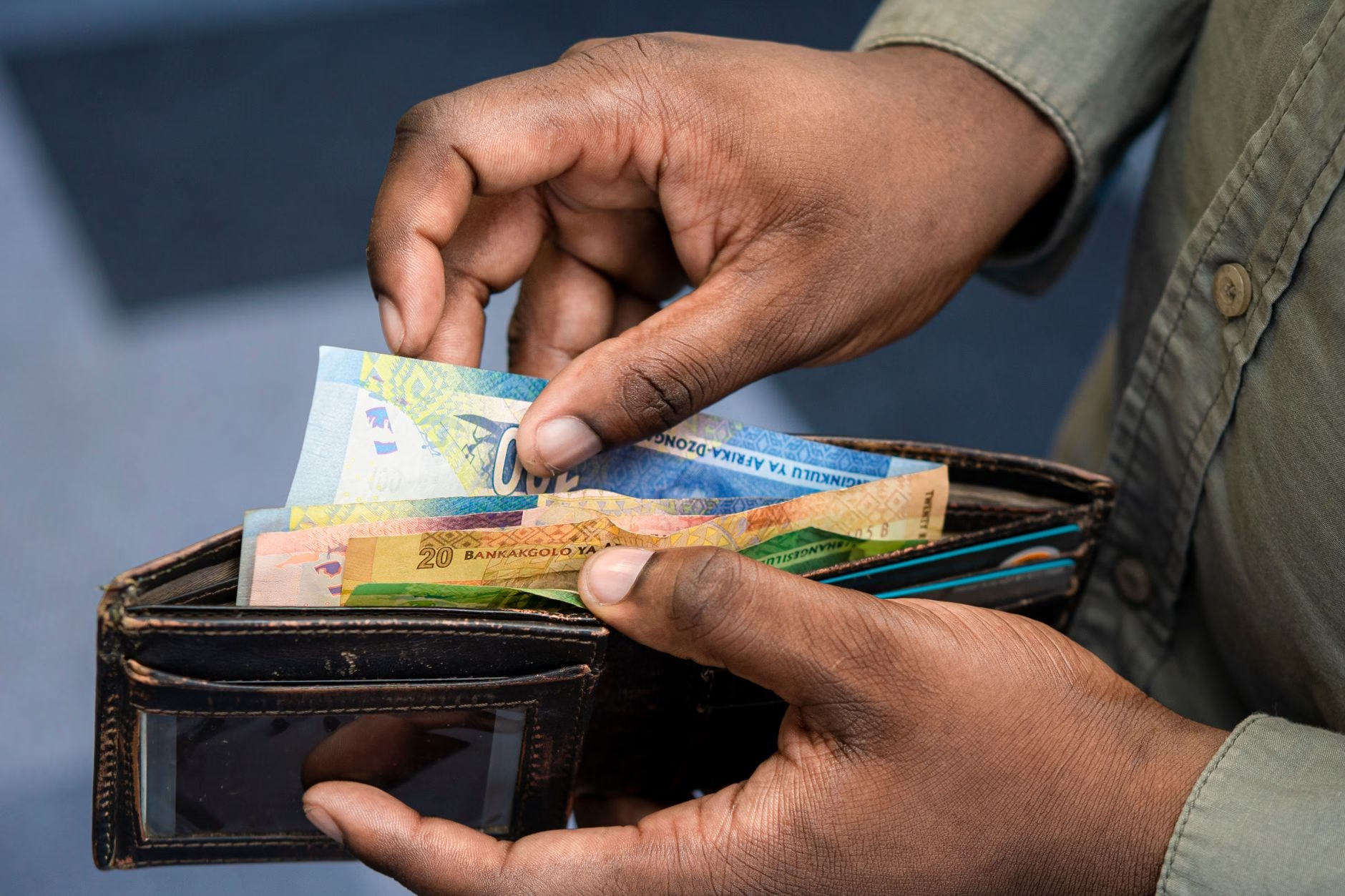
- Keep cash handy: While cards are gaining popularity, smaller shops and rural transport are often cash only. Always have small denominations ready.
With the right awareness and casual flexibility, traveling through East Africa can be incredibly rewarding without unnecessary costs.
Conclusion: A Journey of Rich Experiences at Modest Costs
Budget travel in East Africa is not only possible; it is one of the most enriching ways to experience the region. Traveling affordably encourages meaningful interaction with local communities, opens doors to authentic culture, and helps sustain small businesses that rely on tourism. The blend of stunning landscapes, warm hospitality, and vibrant traditions across Kenya, Tanzania, Uganda, and Rwanda will leave you with priceless memories rather than a drained account.
By planning wisely and choosing experiences that matter, you can turn your East African journey into a life changing adventure that remains financially comfortable and deeply rewarding.
Further Reading
3 Day Istanbul Itinerary for First Time Visitors
Travel to Somalia; How I Traveled to Mogadishu
Free Family Things to do in Chicago Today
How to Spend Four Days in Hong Kong