Introduction: Discover the Soul of West Africa
Few places in the world offer a blend of vibrant culture, deep history, stunning nature, and warm hospitality quite like Ghana. For travelers looking to explore a destination filled with life, rhythm, and resilience, Ghana presents an unforgettable adventure. From its coconut-fringed beaches and ancient slave forts to its lively markets and welcoming communities, the country offers a captivating introduction to Africa for both first-time visitors and experienced travelers alike.
- Friendly, stable nation with English widely spoken and rich ethnic diversity offering distinct foods, crafts, music, and festivals.
- Visit in the dry season (November to March) for clear skies; rainy season (April to October) brings lush landscapes and fewer crowds.
- Must-see destinations: Accra city life, Cape Coast and Elmina castles, Kumasi's Ashanti heritage, Mole wildlife safaris, and Volta outdoor adventures.
- Year-round festivals invite participation; Homowo, Aboakyir, and Panafest showcase community, music, dance, and cultural continuity.
- Practical tips: get vaccinations and malaria prevention, carry cedi cash for markets, use taxis, and respect local greeting and photography etiquette.
In this guide, you will find everything you need to plan your trip to Ghana with confidence. We will explore the best places to visit, when to go, what to expect culturally, how to travel safely, and the unique experiences that make Ghana one of Africa’s most rewarding destinations.

Understanding Ghana: A Destination Beyond Expectations
Ghana sits on the Gulf of Guinea in West Africa, bordered by Ivory Coast, Burkina Faso, and Togo. What immediately stands out for most visitors is the warmth of its people. Known as one of the friendliest nations on the continent, Ghana has built a reputation for peace and stability, making it a comfortable and accessible entry point to exploring Africa.
English is the official language, which eases communication for many visitors, but Ghana’s true richness lies in its diversity of local languages and traditions. Over 70 ethnic groups call the country home, each contributing unique foods, crafts, music, and festivals that make every region feel distinct.
When to Visit: The Best Time to Experience Ghana
Ghana enjoys a tropical climate with two main seasons: the dry season and the rainy season. Understanding when to travel can make a big difference in how you experience your trip.
The Dry Season (November to March)
This is the most popular time to visit. Skies are clear, temperatures are warm, and the conditions are ideal for exploring the coast, hiking trails, and cultural sites. The Harmattan winds blow in from the Sahara around December and January, bringing a slight haze but also cooler temperatures and lower humidity, which make travel comfortable.
The Rainy Season (April to October)
While heavy rains can occasionally disrupt road trips, this period shows Ghana at its greenest. Travelers who prefer fewer crowds and lush landscapes will enjoy this time. It is worth noting that some rural roads may become challenging during heavy rains, so plan with flexibility if visiting during these months.

Top Destinations to Visit in Ghana
Accra: The Beating Heart of Modern Ghana
Accra, the capital city, is a lively showcase of Ghana’s progress and personality. Surf-lined beaches host music festivals, modern art galleries celebrate creativity, and markets like Makola buzz with everyday life.
- Jamestown: One of the oldest districts, known for colonial architecture, street art, and the annual Chale Wote Festival, a vibrant celebration of art and performance.
- Osu: A dynamic neighborhood filled with restaurants, bars, and boutiques perfect for evening strolls.
- Kwame Nkrumah Memorial Park: Honoring Ghana’s first president, this peaceful site offers an inspiring glimpse into the country’s independence movement.

Cape Coast and Elmina: A Journey through History
These twin coastal towns are home to two of Africa’s most poignant historical landmarks, Cape Coast Castle and Elmina Castle. Both were major stops in the transatlantic slave trade and are now preserved as UNESCO World Heritage Sites. Walking through their stark white courtyards and chambers while hearing the stories of those who passed through is a deeply moving experience that offers perspective on global history.

Kumasi: The Cultural Capital of the Ashanti Kingdom
Known as the seat of the Ashanti Empire, Kumasi provides a deeper understanding of Ghana’s royal heritage and craftsmanship.
- Manhyia Palace Museum: A fascinating site that tells the story of Ashanti kings and their influence on Ghanaian identity.
- Kejetia Market: One of the largest markets in West Africa, where artisans sell handwoven kente cloth, wood carvings, and traditional beads.

Mole National Park: Wildlife Encounters in Northern Ghana
For travelers seeking a safari experience, Mole National Park is a highlight. Elephants, antelopes, and baboons roam freely here. Unlike many African parks, visitors can enjoy guided walking safaris, offering rare close-up encounters with wildlife. The park also provides beautiful lodges with panoramic views of the savanna, ideal for sunset relaxation.

Volta Region: Nature and Adventure
The Volta Region is a paradise for outdoor enthusiasts. Hike Mount Afadjato, Ghana’s highest peak, swim beneath Wli Waterfalls, and explore serene Lake Volta, one of the world’s largest man-made lakes. The scenery here is breathtaking, and the hospitality of local communities makes every stop memorable.

Festivals and Culture: Experiencing Ghanaian Life Up Close
Ghana’s festivals are deeply rooted in tradition and community. Nearly every month features a celebration somewhere in the country.
- Homowo Festival (Accra): A lively harvest celebration filled with drumming, dancing, and storytelling.
- Aboakyir Festival (Winneba): A dramatic deer-hunting ritual followed by colorful parades and music.
- Panafest (Cape Coast): A powerful celebration of African culture, unity, and diaspora connection that draws visitors from around the world.
These festivals are not just for spectators; attending one offers insight into how Ghanaians preserve history and embrace joy through communal experiences.

Food and Drink: A Taste of Ghana
Ghanaian cuisine is rich, flavorful, and hearty. Meals often center around starches like yam, plantain, or rice, paired with distinct sauces and stews.
- Jollof Rice: A beloved West African dish of spiced rice cooked in tomato sauce with vegetables and meat or fish.
- Banku and Tilapia: A coastal favorite, this fermented corn and cassava dough served with grilled fish embodies the essence of local dining.
- Red Red: A comforting bean stew made with palm oil and fried plantains.
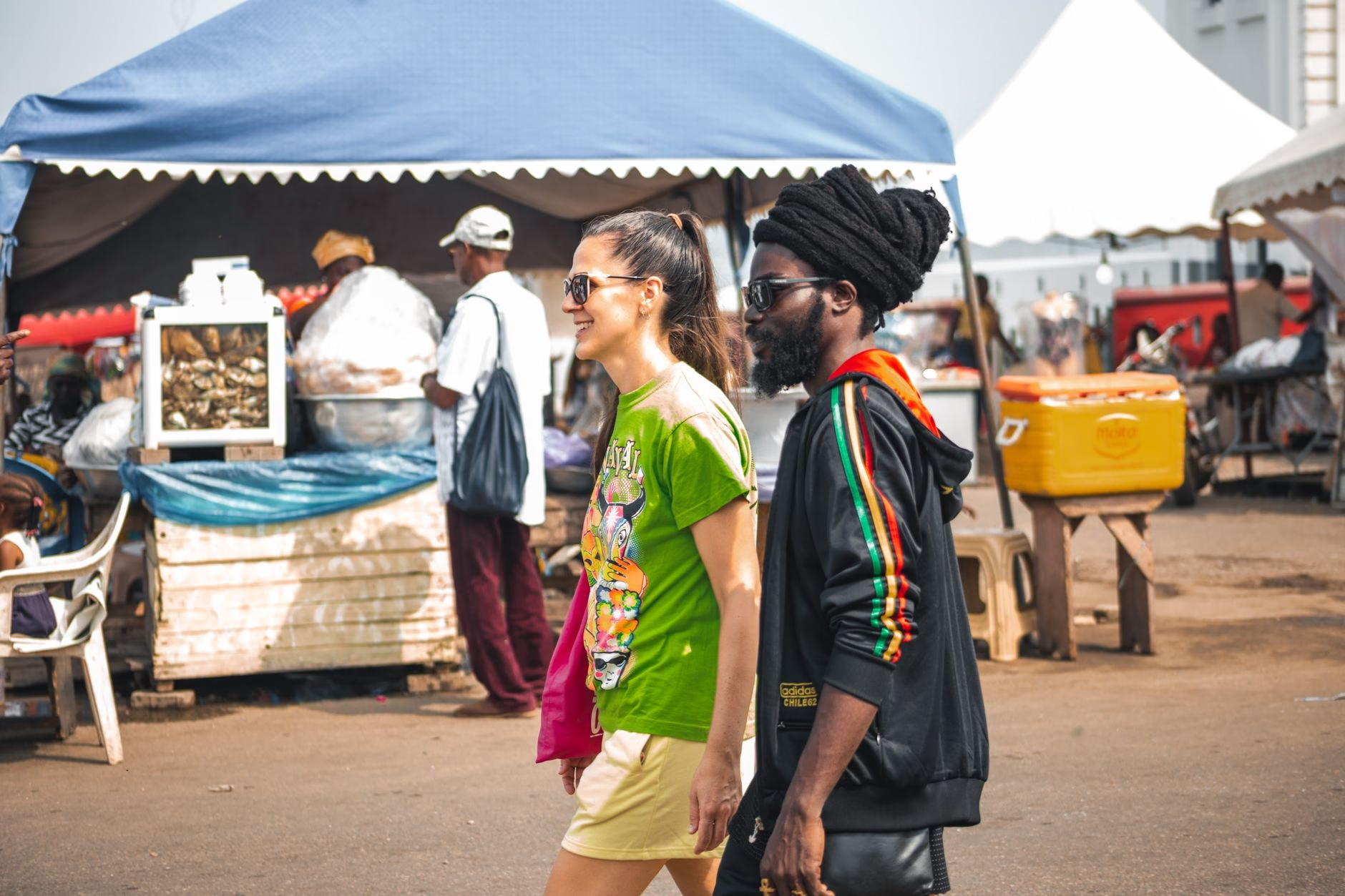
Street food is both affordable and delicious, though it is worth choosing well-known vendors for freshness. For drinks, try palm wine, locally brewed beer, or freshly pressed fruit juices.
Practical Tips for Traveling in Ghana
Health and Safety:
Consult a travel clinic before your trip for vaccinations and malaria prevention. Ghana is generally safe, but common sense precautions such as avoiding isolated areas at night and keeping your belongings close are recommended.
Transportation:
Domestic flights connect major cities, while intercity buses are reliable and affordable. For short trips within cities, taxis and ride-hailing apps are convenient.
Currency and Payments:
The national currency is the Ghanaian cedi. Credit cards are accepted in most hotels and upscale restaurants, though cash remains useful in markets and rural areas. ATMs are widely available.
Cultural Etiquette:
Greet people warmly before beginning a conversation, as courtesy is deeply valued. Eating with your right hand is customary, and asking permission before photographing locals is respectful.

Conclusion: Why Ghana Should Be on Every Traveler’s List
Ghana is more than a travel destination; it is an experience that awakens curiosity and connection. From the rhythms of Accra’s nightlife to the quiet reflection at the Cape Coast castles, from the laughter of market vendors to the gentle waves of the Atlantic coast, Ghana captures the heart in every sense. Whether you come for its cultural riches, historical significance, or natural beauty, you will leave with a sense of warmth and belonging that lingers long after you return home.
For anyone seeking an Africa experience that balances authenticity with comfort, Ghana stands ready to welcome you with open arms.
Further Reading
3 Day Istanbul Itinerary for First Time Visitors
Travel to Somalia; How I Traveled to Mogadishu
Free Family Things to do in Chicago Today
How to Spend Four Days in Hong Kong