
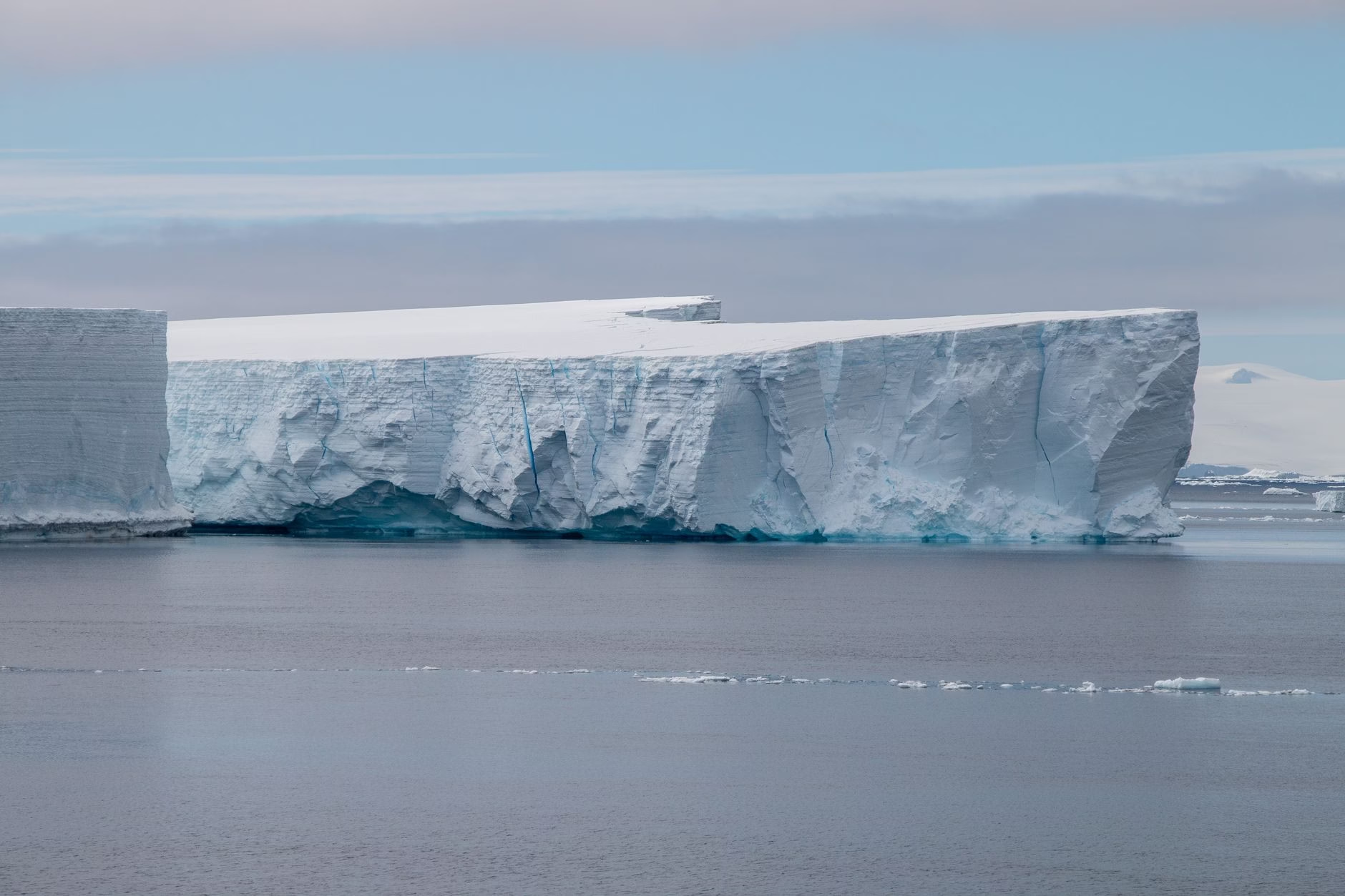
Visiting Antarctica is unlike any other travel experience on Earth. This is a journey of extremes, of color and silence, of raw nature and profound isolation. For many travelers, the very idea of stepping foot on the frozen continent feels otherworldly, and indeed, it is. There are no bustling markets, crowded museums, or souvenir shops. Instead, there are vast glaciers, pristine snowfields, and curious penguins that approach with surprising confidence.
- Book early with a reputable operator; most travelers arrive by cruise or fly-cruise. Be flexible, itineraries change with weather and ice.
- Layer clothing: waterproof shell, insulating mid-layers, thermals, warm hat, gloves, waterproof boots, polarized sunglasses and high SPF sunscreen for intense UV.
- Travel responsibly: follow IAATO guidelines, maintain wildlife distance, carry medical evacuation insurance, and prepare physically for icy terrain and Zodiac transfers.
If you are planning your first trip to Antarctica, you are embarking on one of the most transformative adventures imaginable. In this article, you will learn everything you need to know before venturing south. We will explore what to expect in terms of travel logistics, weather, wildlife encounters, daily life aboard expedition vessels, and how to prepare both physically and mentally for the experience.
By the end, you will have a clear understanding of what awaits you at the bottom of the world and how to make this once-in-a-lifetime journey safe, comfortable, and deeply rewarding.
Understanding How to Get There
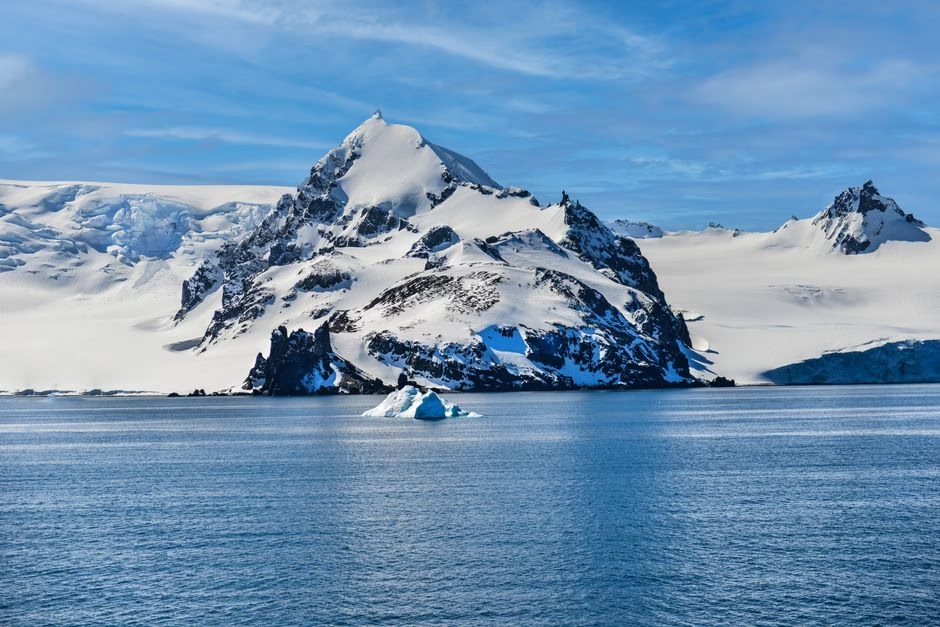
Reaching Antarctica is a logistical challenge that adds to the allure of the adventure. There are no commercial airports or direct flights from most parts of the world. Almost all visitors arrive by expedition cruise from Ushuaia in Argentina, known as the gateway to the Antarctic Peninsula.
Most expedition cruises last between 10 and 20 days and include a two-day crossing of the Drake Passage, which is famous for its rough seas and unforgettable waves. This voyage is often cited by travelers as a defining memory, sometimes turbulent, sometimes surprisingly calm, but always spectacular. For those who wish to avoid the sea crossing, there are fly-cruise options where travelers fly to King George Island from Punta Arenas in Chile and board their vessel directly in Antarctica.
The key is to book early and research the operator thoroughly. Reputable expedition companies follow strict environmental guidelines and employ trained guides who enhance the experience with lectures on geology, wildlife, and Antarctic history. Remember that itineraries depend heavily on weather and ice conditions. Flexibility is not just recommended; it is essential.
What to Expect from the Weather and Environment
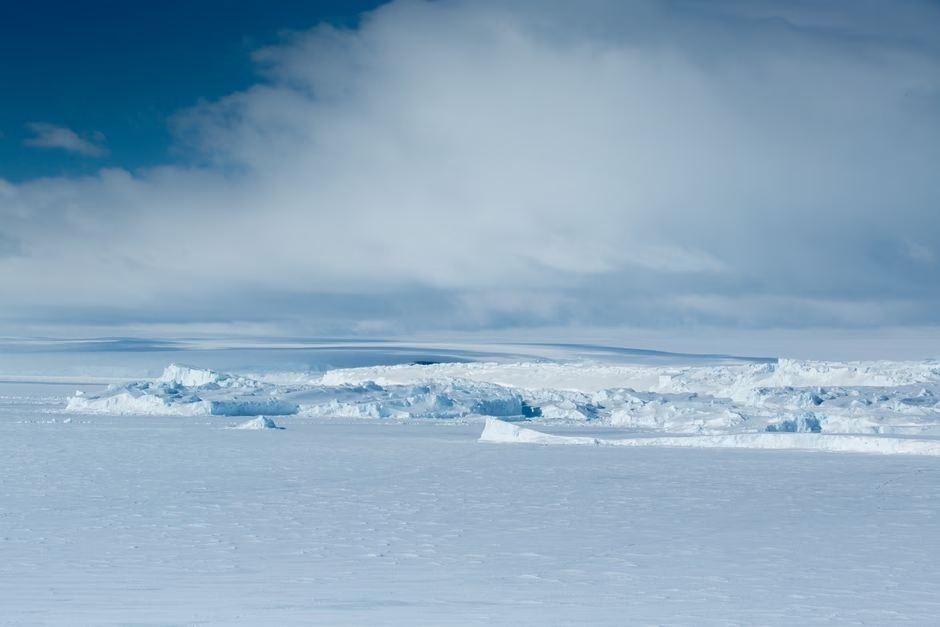
Antarctica is the coldest and windiest continent on Earth, but during the austral summer from November to March, temperatures along the coast can be surprisingly manageable. Expect daytime temperatures between minus two and five degrees Celsius. The air is crisp and dry, and when the sun reflects off the snow and ice, the landscape glows in mesmerizing shades of white and blue.
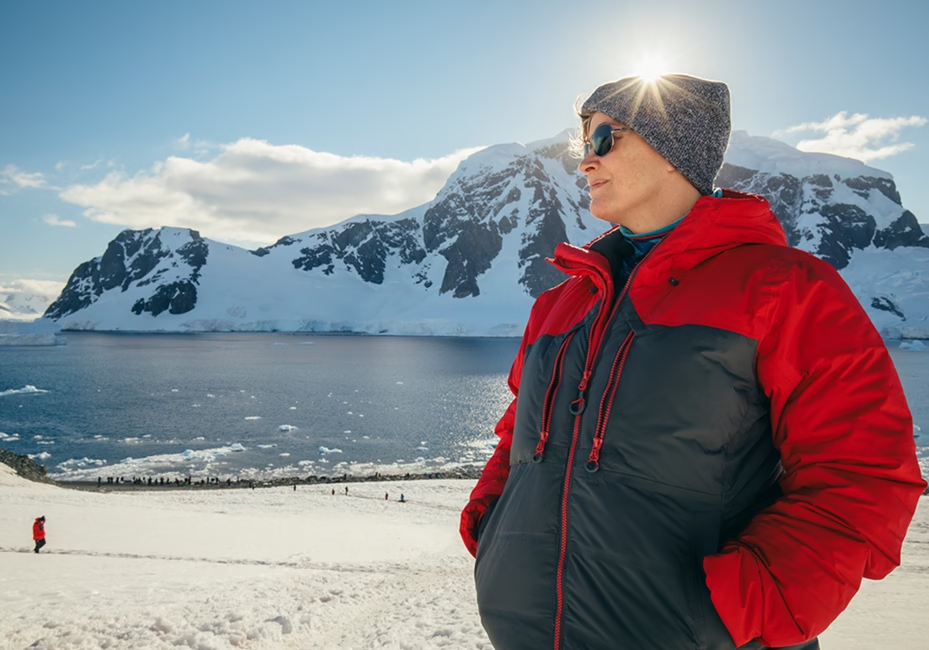
Winds can shift suddenly, and conditions change fast. Being prepared means layering clothing correctly. Travelers should pack:
- A waterproof outer shell to block wind and sea spray
- Insulating mid-layers made of fleece or wool
- Thermal base layers for warmth without bulk
- A warm hat, gloves, and waterproof boots (cruise companies often provide the latter)
- Polarized sunglasses and high-SPF sunscreen, as ultraviolet exposure is intense
The environment demands respect. Everything in Antarctica is influenced by the climate, from your mood to the wildlife behavior. Embracing the unpredictability is part of the magic.
Wildlife Encounters: An Intimate Look at Nature
Antarctica hosts some of the most extraordinary wildlife encounters anywhere in the world. First-time visitors are often astonished by how close they come to animals without disturbing the ecosystem.
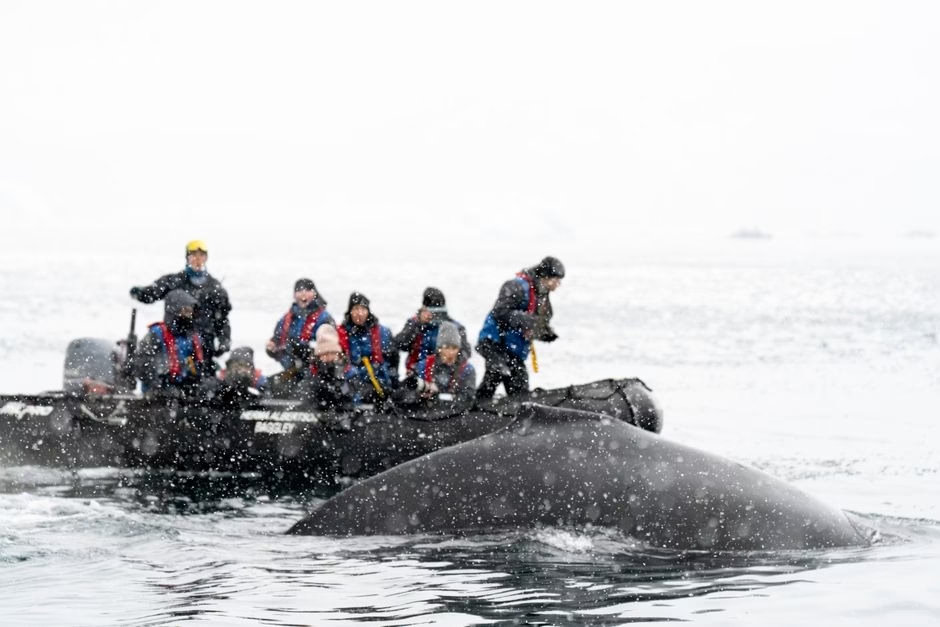
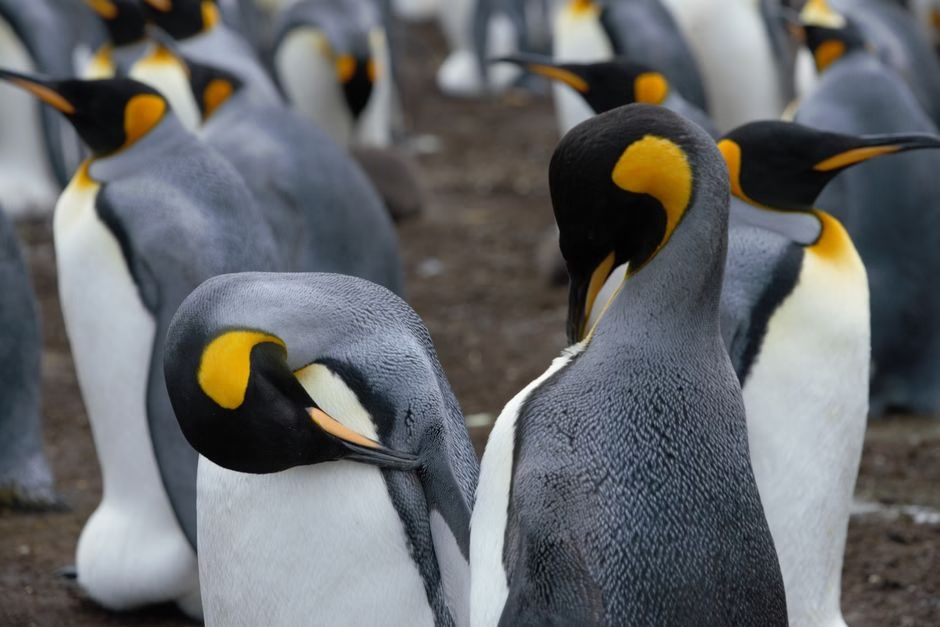
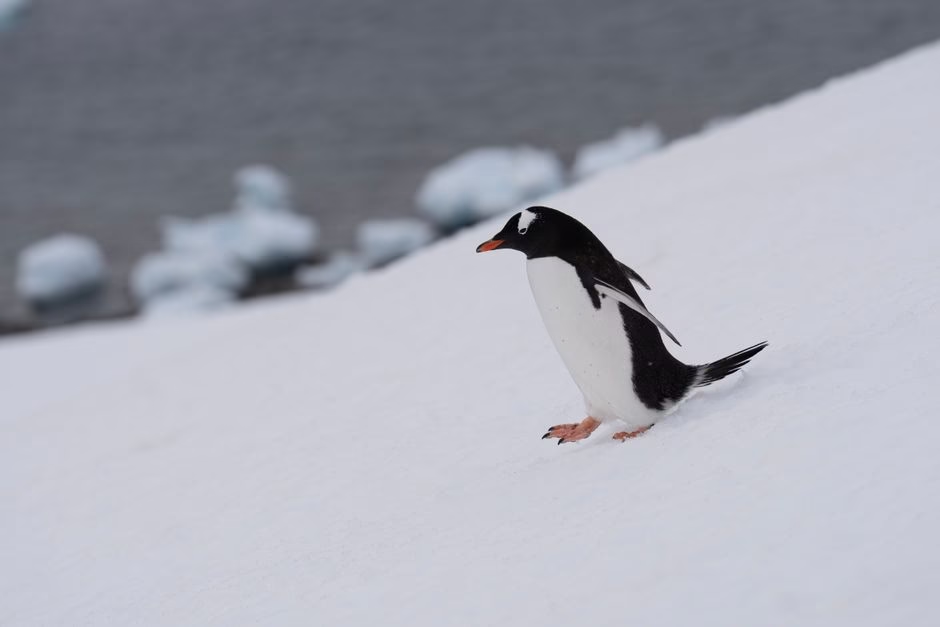
You are likely to see thousands of penguins, Adélie, Gentoo, and Chinstrap species are common. Watching them waddle in colonies the size of small towns, feeding their chicks, or sliding playfully on ice is endlessly captivating. Beyond penguins, you may encounter Weddell seals lounging on the ice, leopard seals hunting at sea, and humpback whales breaching beside your Zodiac boat.
The experience of seeing these animals in their natural habitat, unbothered by human presence, is unforgettable. Respect for the environment is paramount, and expedition leaders will brief travelers on how to maintain appropriate distance and avoid disrupting natural behavior. Photography is welcome, but patience and stillness often yield the best images.
Life Aboard an Antarctic Expedition Vessel
Cruise vessels in Antarctica are not typical luxury liners. They are specialized ships designed for icy waters and small enough to access remote bays and landings.
A typical day often begins early with breakfast followed by updates from the expedition team about weather conditions and planned activities. Passengers may enjoy two landings per day, using Zodiac boats to reach beaches, glaciers, and scientific outposts. You will find yourself hiking on snow, visiting penguin colonies, or taking silent moments to absorb the vastness that surrounds you.
Afternoons and evenings are filled with lectures, wildlife spotlights, and social gatherings. The camaraderie among passengers often becomes one of the most cherished parts of the experience. Scientists, photographers, and experienced guides share personal stories, turning every moment into an opportunity to learn.
While amenities vary by ship, travelers can expect comfortable cabins, hearty meals, and a shared sense of adventure. Wi-Fi is limited or nonexistent, and that disconnection is part of the appeal—it allows you to live completely in the moment.
Essential Preparation and Travel Advice
Antarctica rewards careful preparation. Here are some key aspects to consider before departure:
1. Choosing the right expedition: Smaller vessels generally offer more frequent shore landings due to passenger limits. Evaluate itineraries for their focus, some emphasize wildlife, others history or photography.
2. Medical and travel insurance: This is non-negotiable. Policies must cover medical evacuation, as there are no permanent hospitals on the continent.
3. Physical readiness: While not strenuous, daily excursions may include slippery terrain or icy inclines. Light fitness training before your trip ensures you enjoy each landing with confidence.
4. Packing smart: Most operators provide detailed packing lists. Packing light but with thoughtful layering will make daily dressing far simpler. Waterproof daypacks are useful for carrying cameras and personal items during Zodiac rides.
5. Environmental consciousness: Follow the IAATO (International Association of Antarctica Tour Operators) guidelines. Every visitor plays a role in protecting the fragile ecosystem by avoiding litter, keeping distance from wildlife, and cleaning gear to prevent introducing foreign species.
Entering Antarctica is an act of mindfulness as much as exploration. By traveling responsibly, you become part of a growing global effort to preserve one of the planet’s last untouched wilderness areas.
When to Visit and What Each Month Offers
The Antarctic travel season runs from late October to early March, corresponding to the Southern Hemisphere summer. Each period offers unique highlights:
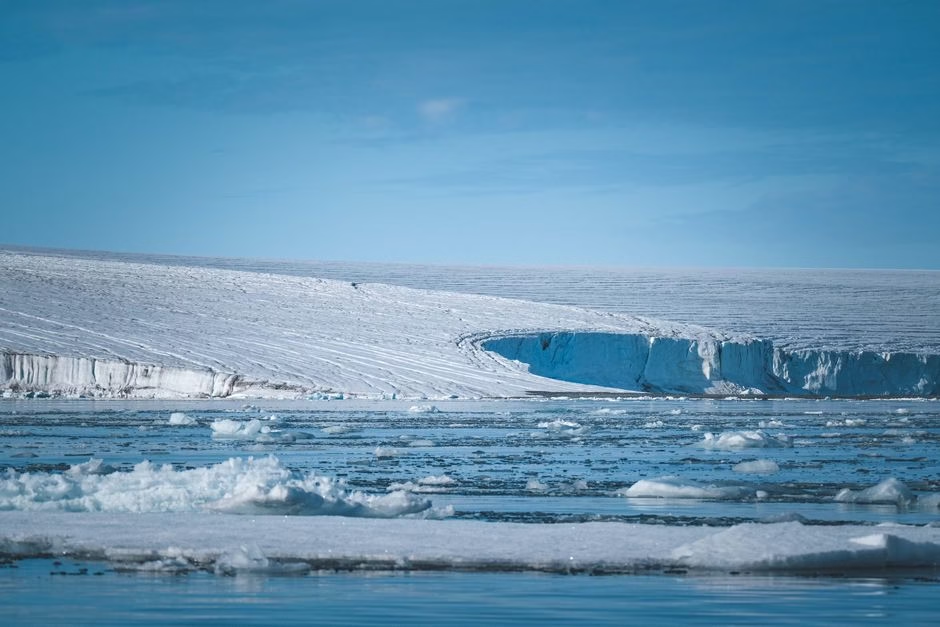
- November to early December: Icebergs are at their most dramatic, and penguins begin nesting. Snow cover is pristine and light conditions are ideal for photography.
- December to January: This is high summer. Wildlife activity peaks, chicks begin to hatch, and daily temperatures are mildest.
- February to early March: Whale watching reaches its best moments as sea ice recedes. Penguins molt and sunsets deepen in color.
Choosing your timing depends on what you wish to see. There is no single best month, only different versions of Antarctica’s extraordinary story.
Conclusion: Experiencing the Last Frontier
Traveling to Antarctica for the first time redefines what it means to explore. It is not simply about seeing new landscapes but about witnessing a place that remains largely untouched by human influence. Every iceberg, every seal, every gust of cold wind reminds you that the world is vast and still holds secrets worth discovering.
Preparation and awareness will ensure that your journey is both responsible and rewarding. If you step onto the ice with respect and curiosity, Antarctica will reward you with memories that last a lifetime. It is not only the end of the world, it is, in many ways, the beginning of a deeper understanding of our planet.
Further Reading
Best Beaches in Southern Europe
Cheapest Countries to Visit in Africa
Travel to Somalia; How I Traveled to Mogadishu