Sustainable Great Barrier Reef: Protecting Nature While Exploring
Explore the sustainable practices for visiting the Great Barrier Reef and learn how to enjoy this natural wonder responsibly.
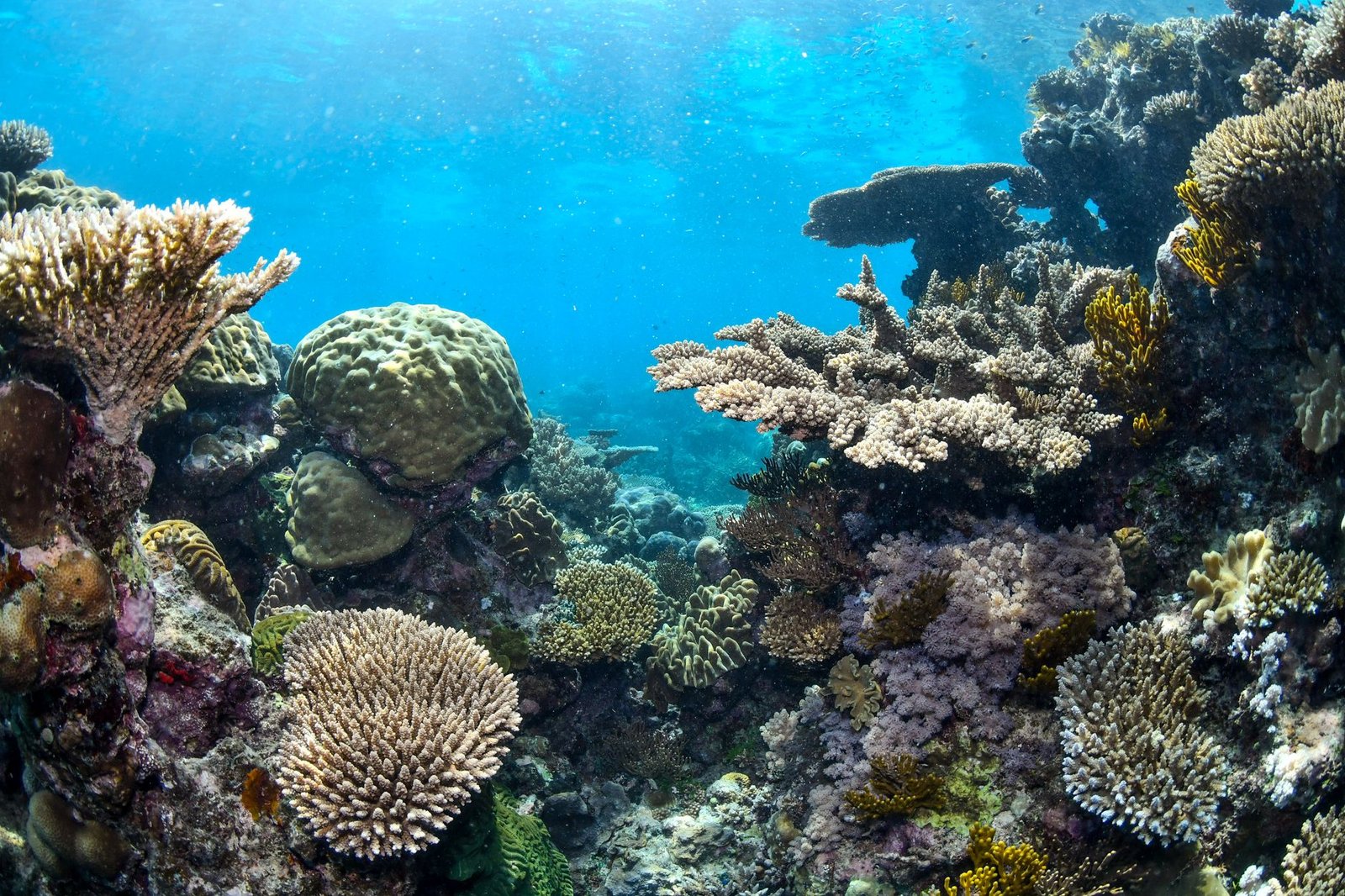
The Great Barrier Reef, a UNESCO World Heritage Site, is one of the most remarkable natural wonders on the planet. Stretching over 2,300 kilometers along the Queensland coast, this vibrant ecosystem is home to thousands of marine species and offers breathtaking underwater scenery. However, the reef faces significant threats from climate change, pollution, and over-tourism. To preserve this incredible habitat, sustainable tourism practices are essential.
As travelers become more conscious of their environmental impact, the concept of sustainable tourism is gaining traction. This guide will explore what sustainable practices can be adopted when visiting the Great Barrier Reef, ensuring that future generations can enjoy its beauty. Whether you are scuba diving among coral formations or exploring the islands, understanding how to engage with the reef responsibly is crucial.
This article will provide practical tips and insights into sustainable tourism at the Great Barrier Reef, including eco-friendly activities, conservation initiatives, and ways to minimize your environmental footprint. Let’s embark on a journey to explore how we can enjoy the wonders of the reef while protecting it for the future.
Understanding Sustainable Tourism
Sustainable tourism is defined as travel that minimizes the negative impact on the environment and local communities. It encompasses a range of practices aimed at protecting natural resources and promoting conservation. At the Great Barrier Reef, sustainable tourism focuses on preserving the delicate marine ecosystem while allowing visitors to experience its beauty.
One of the primary goals of sustainable tourism is to reduce the carbon footprint associated with travel. This includes choosing eco-friendly transportation options, supporting local businesses, and participating in conservation efforts. For example, many tour operators offer educational experiences that emphasize the importance of preserving marine life and the reef’s ecosystem.
Additionally, sustainable tourism encourages responsible behavior among travelers. Visitors are urged to respect wildlife, adhere to guidelines while snorkeling or diving, and avoid touching coral or disturbing marine life. By fostering a culture of respect and awareness, we can help protect the reef and its inhabitants.
Eco-Friendly Activities at the Great Barrier Reef
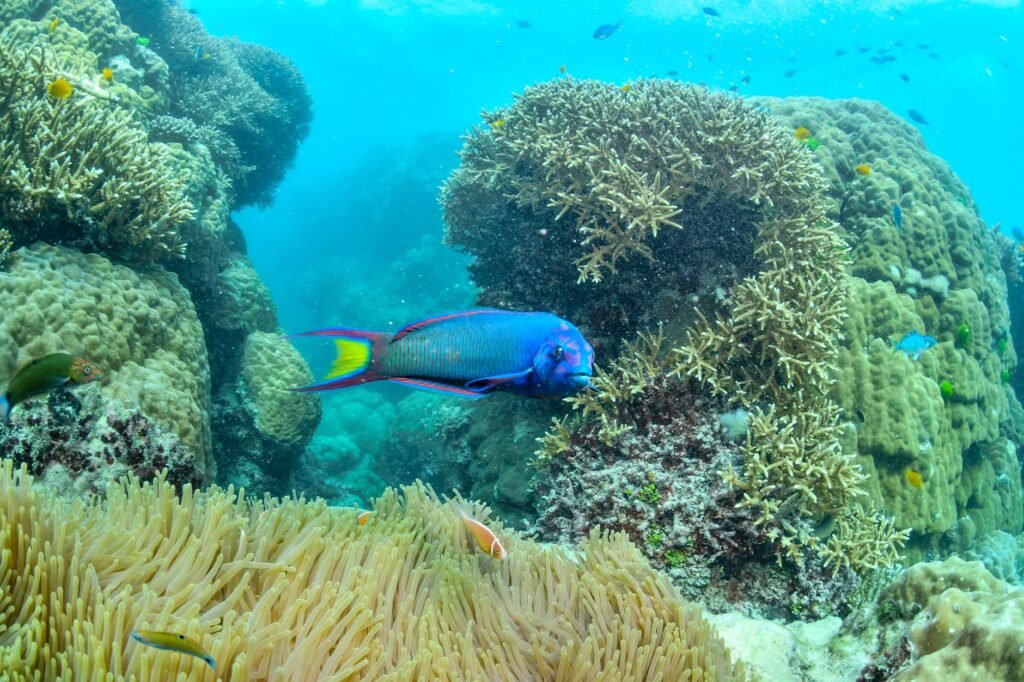
There are numerous eco-friendly activities available for those looking to explore the Great Barrier Reef sustainably. Here are some popular options:
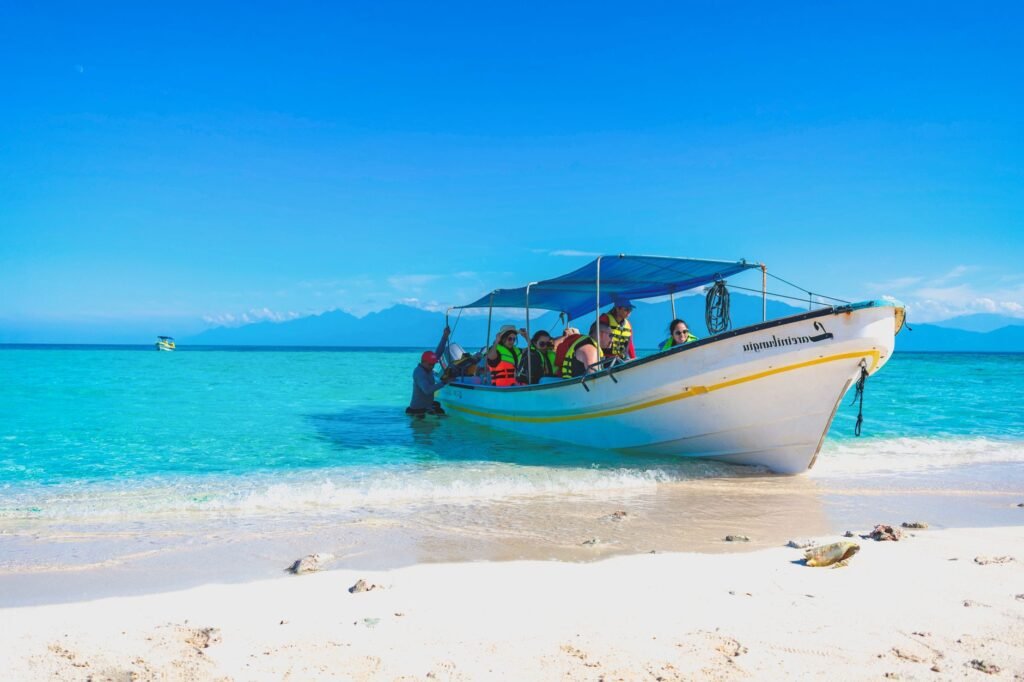
- Snorkeling Tours: Opt for guided snorkeling tours that follow strict environmental guidelines. Many operators offer small group sizes and emphasize conservation education.
- Diving Experiences: Choose dive companies that are committed to sustainable practices, such as using mooring buoys to prevent anchor damage to coral reefs.
- Kayaking and Paddleboarding: Explore the reef’s shallow waters by kayak or paddleboard. This offers a unique perspective while minimizing disturbance to marine life.
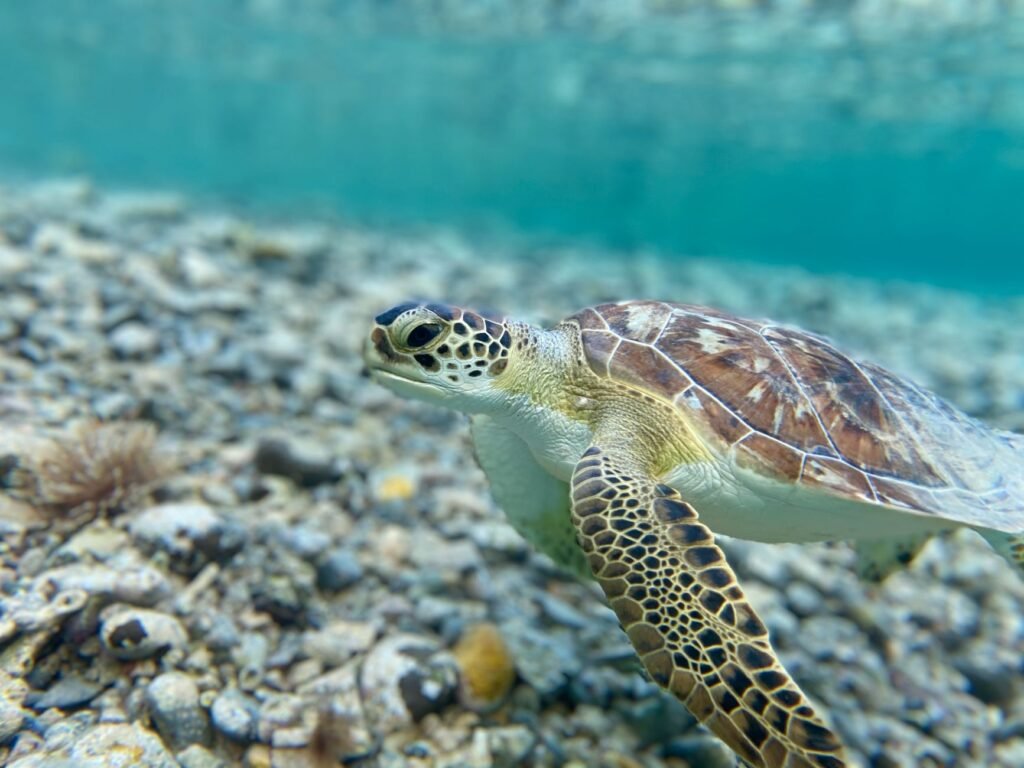
- Wildlife Spotting Tours: Participate in tours focused on observing marine life, such as turtles and dolphins, in their natural habitat without causing harm.
- Beach Clean-Ups: Join local initiatives for beach clean-ups, an excellent way to contribute to the conservation of the reef while enjoying the outdoors.
Conservation Initiatives and Local Efforts
The Great Barrier Reef is supported by various conservation initiatives aimed at protecting its delicate ecosystem. Organizations such as the Great Barrier Reef Marine Park Authority (GBRMPA) play a pivotal role in managing the reef’s health and promoting sustainable tourism practices. They implement zoning plans that regulate activities to minimize environmental impact.
Many local communities and NGOs are also actively involved in conservation efforts. These organizations work to restore damaged coral areas through coral planting programs and conduct research on marine species to better understand their needs. For instance, the Coral Triangle Initiative focuses on conserving marine biodiversity and promoting sustainable fisheries in the region.
Visitors can support these initiatives by choosing to participate in tours led by operators who contribute to conservation efforts. Some operators donate a portion of their profits to local environmental projects, helping to fund research and restoration activities. By aligning your travel choices with these initiatives, you can make a positive impact on the reef’s future.
Minimizing Your Environmental Impact
When visiting the Great Barrier Reef, it is essential to be mindful of your environmental impact. Here are several practical tips to help you minimize your footprint:
- Choose Eco-Friendly Accommodations: Stay at hotels and resorts that prioritize sustainability through energy-efficient practices, water conservation efforts, and waste reduction strategies.
- Use Reef-Safe Sunscreen: Opt for biodegradable and reef-safe sunscreen to protect both your skin and the delicate coral ecosystem.
- Stay on Designated Paths: When exploring the islands and beaches, stick to marked paths to avoid trampling on native vegetation and disturbing wildlife habitats.
- Avoid Single-Use Plastics: Bring reusable water bottles, bags, and utensils to reduce plastic waste while traveling.
- Educate Yourself: Learn about the local environment and the challenges it faces. This knowledge can help you make informed decisions and advocate for responsible tourism practices.
Real-Life Example: Eco-Resorts on the Reef
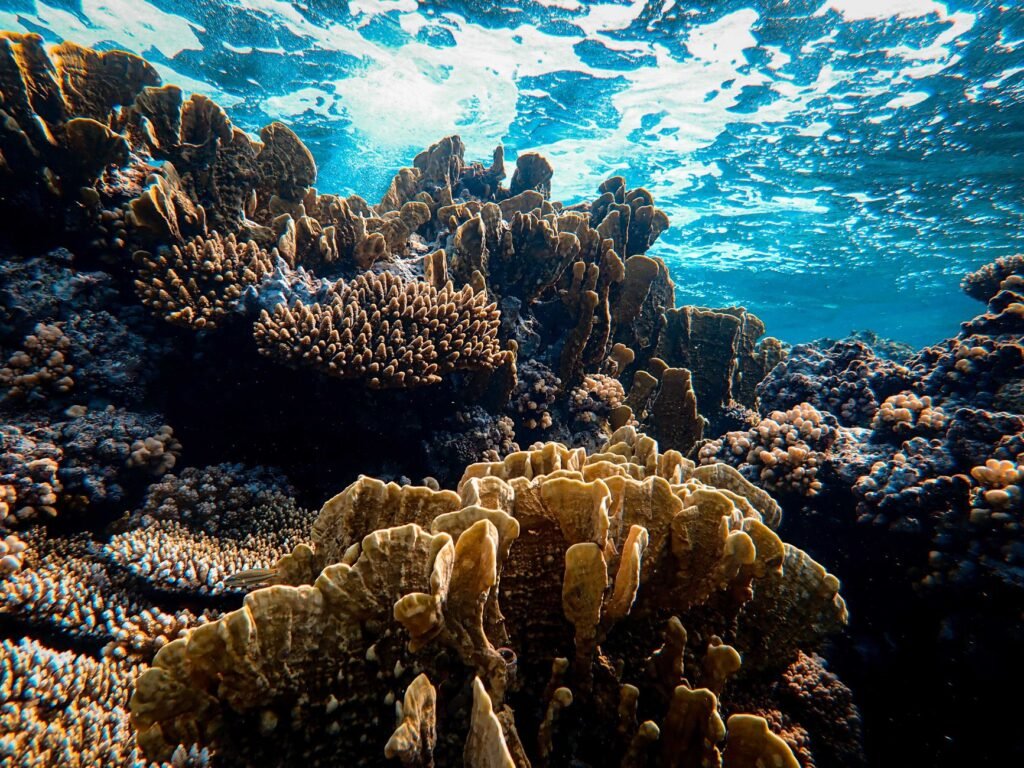
One notable example of sustainable tourism at the Great Barrier Reef is the eco-resort movement that has gained traction in recent years. These resorts are designed to blend seamlessly with their natural surroundings while implementing sustainable practices.
For instance, an eco-resort located on one of the reef’s islands may utilize solar energy, collect rainwater for use, and focus on permaculture principles in their food sourcing. Guests enjoy luxurious accommodations while knowing their stay contributes to environmental preservation. The resort often organizes educational programs for guests, raising awareness about marine conservation and encouraging participation in local initiatives.
This model not only enhances the visitor experience but also fosters a deeper connection to the natural world. By choosing to stay at an eco-resort, travelers can directly support the conservation of the reef while enjoying a unique and responsible vacation.
The Role of Indigenous Knowledge in Reef Conservation
Integrating Traditional Ecological Knowledge
Indigenous communities have lived in harmony with the Great Barrier Reef for thousands of years. Their traditional ecological knowledge (TEK) offers invaluable insights into sustainable practices and environmental stewardship. TEK encompasses an understanding of local ecosystems, species behavior, and seasonal changes, which can be crucial for effective conservation efforts.
By collaborating with Indigenous peoples, researchers and conservationists can develop more informed management strategies that respect cultural significance while promoting biodiversity. This includes recognizing the importance of certain species and habitats that are integral to Indigenous cultures.
- Traditional fishing practices that avoid overexploitation.
- Seasonal management of resources based on ecological patterns.
- Preservation of sacred sites that also serve as critical habitats.
Empowering Indigenous Communities
Empowering Indigenous communities to manage their own lands and waters is essential for sustainable reef conservation. This empowerment often leads to better protection of marine resources, as local populations have a vested interest in maintaining the health of their environment. Various programs have been established to train Indigenous rangers, who monitor reef health and engage in conservation activities.
These rangers play a vital role in education and advocacy, helping to raise awareness about the importance of the reef and its ecosystems among both locals and tourists. Their firsthand knowledge of the reef can enhance visitor experiences while ensuring that conservation efforts align with Indigenous values.
- Training programs focused on marine conservation techniques.
- Community-led initiatives that promote sustainable tourism.
- Partnerships with government agencies for resource management.
Collaborative Research and Monitoring
Collaborative research initiatives between scientists and Indigenous groups are vital for understanding the changing dynamics of the Great Barrier Reef. These partnerships can lead to innovative solutions for monitoring and preserving marine biodiversity. By combining scientific methods with traditional knowledge, these collaborations can provide a more holistic approach to reef conservation.
Research findings can also be used to advocate for policy changes that support sustainable practices, ensuring that the reef’s ecological integrity is maintained for future generations. This collaborative model can serve as a blueprint for conservation efforts worldwide.
- Jointly developed monitoring programs for key species.
- Assessment of the impacts of climate change on local ecosystems.
- Sharing data to inform management decisions.
Innovative Technologies in Reef Conservation
Remote Sensing and Monitoring
Technological advancements have revolutionized the way we monitor and manage the Great Barrier Reef. Remote sensing technologies, such as satellite imagery and drone surveillance, allow scientists to gather data on coral health, water quality, and marine biodiversity over large areas. This data is crucial for identifying stressors affecting the reef and implementing timely conservation measures.
These technologies enable researchers to monitor changes in reef health without the need for extensive fieldwork, making it easier to track the effectiveness of conservation efforts. Additionally, they can facilitate citizen science projects where tourists and locals contribute to data collection, fostering a sense of community involvement.
- Identification of coral bleaching events through aerial imagery.
- Water quality assessment using remote sensors.
- Mapping of marine habitats for better resource management.
Artificial Intelligence in Data Analysis
Artificial intelligence (AI) is increasingly being used to analyze vast amounts of data collected from the Great Barrier Reef. AI algorithms can identify patterns and trends that may not be readily visible to human researchers. This can lead to more efficient resource allocation and targeted conservation efforts based on real-time data.
For instance, machine learning models can predict how coral reefs will respond to environmental changes, helping conservationists to devise proactive strategies. The integration of AI into conservation efforts is still in its early stages, but its potential to enhance decision-making processes is significant.
- Predictive modeling for coral resilience under climate change.
- Automated species identification from underwater images.
- Data-driven management of fishing and tourism activities.
Innovative Restoration Techniques
As coral reefs face unprecedented threats, innovative restoration techniques are being explored to rehabilitate damaged areas. Techniques such as coral gardening, where fragments of healthy coral are grown in nurseries before being transplanted back to the reef, have shown promise in restoration efforts. This method not only helps to revive coral populations but also engages local communities in conservation.
Another emerging technique is the use of probiotics to enhance coral resilience. Research is being conducted on how beneficial microorganisms can be introduced to stressed coral to improve their health and stress tolerance. These innovative techniques represent a hopeful direction for the future of reef conservation.
- Coral gardening and transplanting initiatives.
- Probiotic treatments for coral health.
- Community involvement in restoration projects.
Educating Visitors on Sustainable Practices
Visitor Education Programs
Educating visitors about the importance of the Great Barrier Reef is crucial for fostering a culture of sustainability. Visitor education programs can be implemented at various entry points, including visitor centers, guided tours, and online resources. These programs should focus on the ecological significance of the reef, threats it faces, and the role that tourists can play in its conservation.
Interactive workshops and hands-on experiences can help engage visitors, making them more aware of their impact on the environment. By equipping tourists with knowledge, they can make informed choices that support reef conservation during their visit.
- Workshops on responsible snorkeling and diving practices.
- Interactive exhibits showcasing local marine life.
- Online resources for pre-visit education.
Promoting Responsible Tourism
Responsible tourism is key to ensuring the sustainability of the Great Barrier Reef. Tour operators can play a significant role in promoting responsible practices among their clients. This includes providing clear guidelines on how to engage with marine life without causing harm, such as avoiding touching corals or feeding fish.
Operators should also emphasize the importance of reducing waste and using eco-friendly products, such as reef-safe sunscreen. By fostering a sense of responsibility among tourists, operators can help create a more sustainable tourism experience that benefits both the reef and the local community.
- Guidelines for safe and respectful interaction with marine life.
- Encouragement of waste reduction and recycling initiatives.
- Promotion of eco-friendly products among visitors.
Engaging Local Communities in Tourism
Engaging local communities in tourism initiatives not only supports economic development but also enhances conservation efforts. By involving locals in tourism, communities can share their knowledge and culture while promoting sustainable practices. This can lead to a more authentic experience for visitors and a stronger connection to the reef.
Programs that encourage local participation in tourism, such as cultural tours or guided snorkeling experiences, can provide economic benefits while fostering stewardship of marine resources. This approach helps to ensure that the local community has a stake in protecting the reef.
- Community-led cultural and eco-tours.
- Partnerships with local businesses for sustainable tourism.
- Incentives for locals to participate in conservation efforts.
Frequently Asked Questions
What is sustainable tourism?
Sustainable tourism refers to travel practices that aim to minimize negative environmental impacts while promoting conservation and local community well-being. It encourages responsible behavior among travelers and supports initiatives that protect natural resources.
How can I participate in reef conservation?
You can participate in reef conservation by choosing eco-friendly tour operators, joining beach clean-up events, and supporting local conservation organizations. Additionally, practicing responsible tourism by minimizing your environmental impact contributes to the reef’s health.
Are there any restrictions for visiting the Great Barrier Reef?
Yes, there are specific restrictions in place to protect the Great Barrier Reef. These include zoning regulations that limit activities in certain areas, guidelines for wildlife interactions, and requirements for tour operators to adhere to sustainable practices.
What should I bring for a sustainable trip to the reef?
When visiting the Great Barrier Reef, consider bringing reef-safe sunscreen, reusable water bottles, bags, and utensils, as well as comfortable clothing and footwear for outdoor activities. Educating yourself about the local environment is also beneficial.
The Bottom Line
The Great Barrier Reef is a stunning natural wonder that deserves protection. By adopting sustainable practices and being mindful of your impact, you can enjoy this breathtaking ecosystem while contributing to its preservation. From participating in eco-friendly tours to supporting local conservation efforts, every action counts toward ensuring the reef’s future for generations to come.
Visa rules, prices and opening times change. Always confirm details with official sources before you travel.