Discovering the Best Places to Visit in Southeast Asia
Explore the best places to visit in Southeast Asia, from breathtaking beaches to vibrant cities, with practical travel tips for your journey.
Southeast Asia is a vibrant region that combines stunning natural beauty, rich history, and diverse cultures. Travelers flock to this part of the world for its affordability, welcoming locals, and countless experiences waiting to be discovered. From the beaches of Thailand to the ancient temples of Cambodia, there is something for everyone in this enchanting area.
This guide will explore the best places to visit in Southeast Asia, offering practical information on how to get there, the best times to visit, costs, and travel tips. Whether you’re seeking adventure, relaxation, or cultural immersion, you’ll find inspiration here.
Let’s embark on a journey through Southeast Asia’s must-see destinations, highlighting what makes each location unique and worthwhile.
1. Thailand: The Land of Smiles
Thailand is often the first stop for many travelers venturing into Southeast Asia. The country is famous for its stunning beaches, vibrant cities, and rich cultural heritage. Bangkok, the capital, is a bustling metropolis known for its ornate temples and vibrant street life.
In addition to Bangkok, there are several other must-visit places in Thailand:
- Chiang Mai: Nestled in the mountains, Chiang Mai is known for its historic temples, including Wat Phra That Doi Suthep, and the famous Night Bazaar.
- Phuket: Thailand’s largest island, Phuket, offers beautiful beaches, vibrant nightlife, and opportunities for water sports.
- Ayutthaya: Once the capital of the Kingdom of Siam, the ruins of Ayutthaya are a UNESCO World Heritage Site, showcasing impressive temples and historical sites.
Visiting Thailand can be budget-friendly, with accommodations ranging from luxury hotels to guesthouses. Street food is not only delicious but also incredibly affordable, making it easy to enjoy the culinary delights of Thai cuisine.
2. Vietnam: A Culinary and Cultural Haven
Vietnam is a country rich in history, culture, and delicious food. The landscape is varied, featuring mountains, jungles, and stunning coastlines. Major cities like Hanoi and Ho Chi Minh City offer a mix of old and new, with colonial architecture alongside bustling markets.
Some of the best places to visit in Vietnam include:
- Hanoi: The capital city is known for its well-preserved colonial architecture, vibrant street food scene, and historical sites such as Hoan Kiem Lake and the Old Quarter.
- Halong Bay: Famous for its emerald waters and thousands of limestone islands topped with rainforests, Halong Bay is a UNESCO World Heritage Site and perfect for boat tours.
- Hoi An: This ancient town is known for its well-preserved Ancient Town, lantern-filled streets, and unique blend of Vietnamese, Chinese, and French architecture.
Budget travelers will find that Vietnam offers a range of affordable accommodations and food options. Street food stalls serve delicious local dishes like pho and banh mi, often at a fraction of the cost of dining in restaurants.
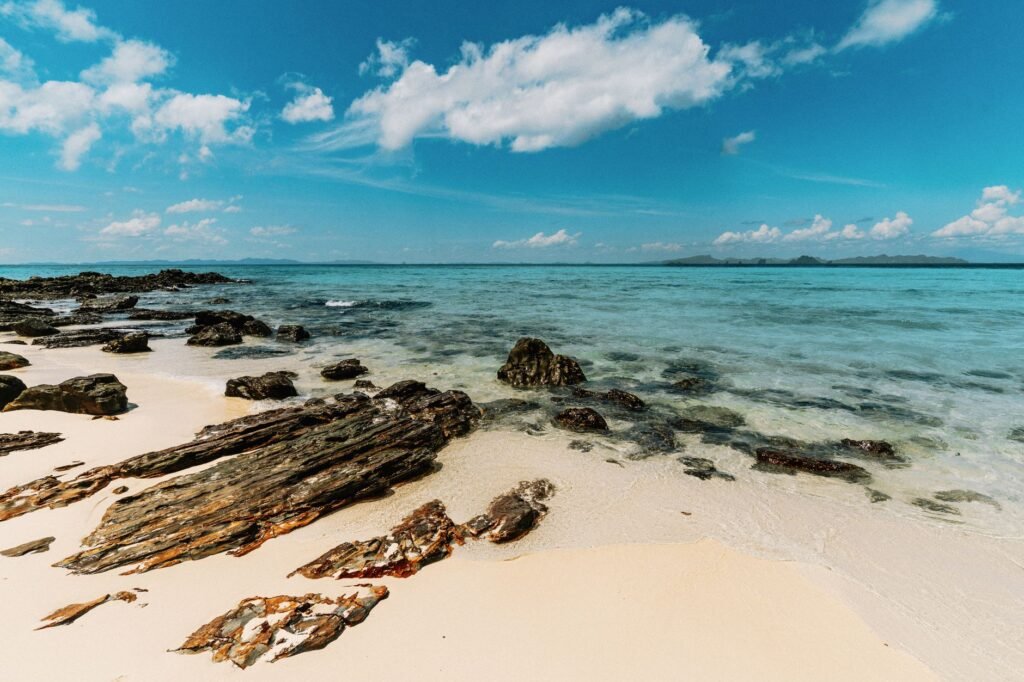
3. Indonesia: An Archipelago of Wonders
Indonesia, the largest archipelago in the world, consists of over 17,000 islands, each offering unique experiences. Bali is the most famous, known for its stunning beaches, vibrant culture, and lush landscapes. However, other islands are equally captivating.
Key destinations in Indonesia include:
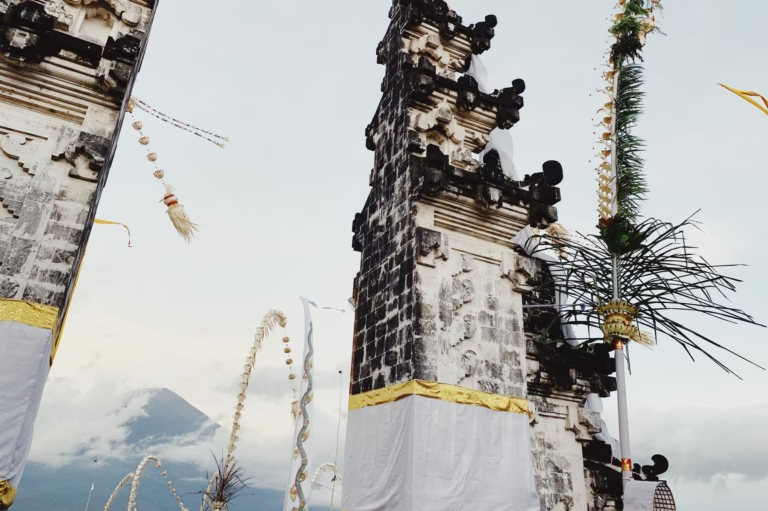
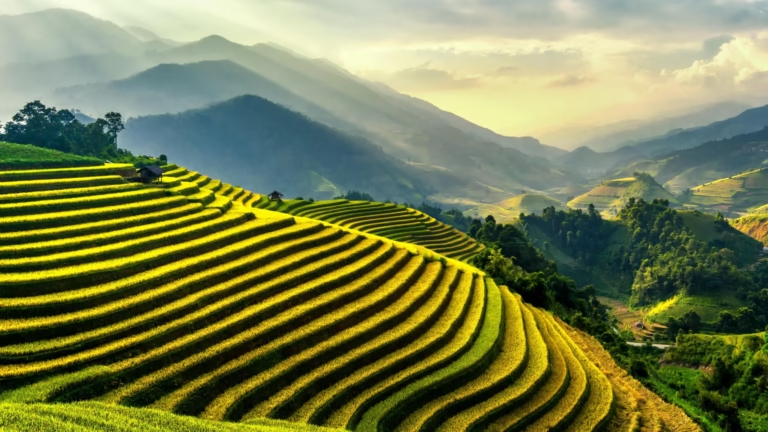
- Bali: Enjoy beautiful beaches, rice terraces, and a rich spiritual culture. Ubud is known for its art scene and wellness retreats.
- Java: Home to Jakarta, the capital city, and historical sites like Borobudur and Prambanan temples, Java is a cultural hub.
- Komodo Island: Famous for its unique Komodo dragons, this island offers incredible diving and snorkeling opportunities.
The cost of traveling in Indonesia can vary greatly depending on the island and location. While Bali can be expensive, other islands offer more affordable options for accommodation and food.
4. Malaysia: A Cultural Mosaic
Malaysia is a melting pot of cultures, where Malay, Chinese, Indian, and indigenous traditions coexist. This diversity is evident in its cuisine, festivals, and architecture. Kuala Lumpur, the capital, is known for its modern skyline and cultural heritage.
Must-visit places in Malaysia include:
- Kuala Lumpur: Visit the iconic Petronas Twin Towers, explore the Batu Caves, and wander through the vibrant markets.
- Penang: Known for its historical architecture and street food, Georgetown in Penang is a UNESCO World Heritage Site.
- Langkawi: An archipelago known for its stunning beaches, clear waters, and lush rainforests, ideal for relaxation and adventure.
Malaysia is relatively affordable, especially outside the capital. Street food is popular and a great way to experience local flavors without breaking the bank.
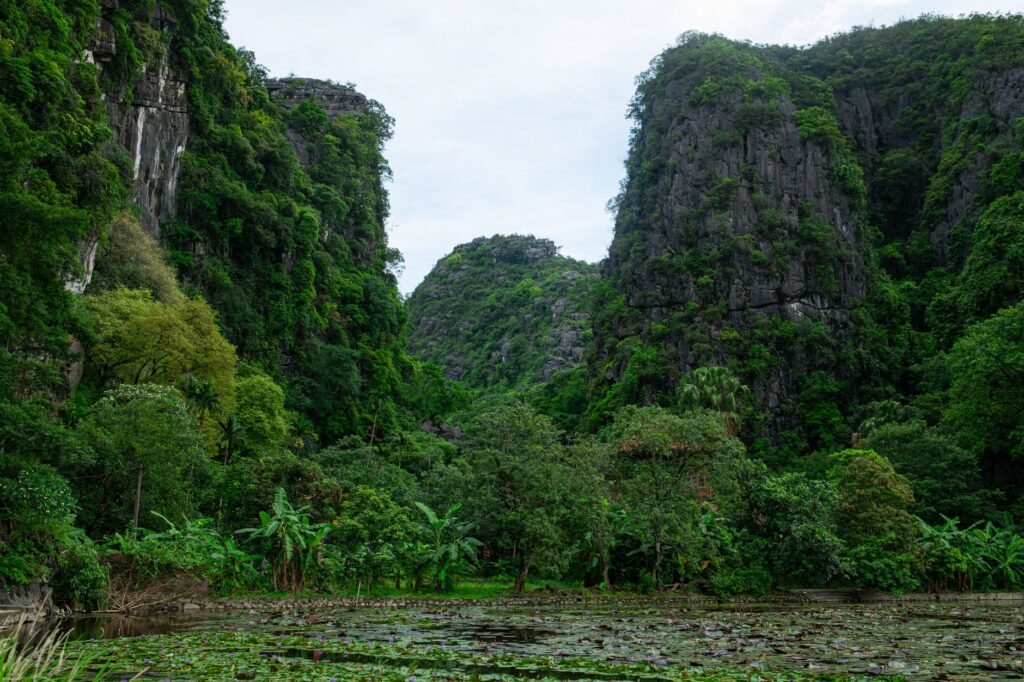
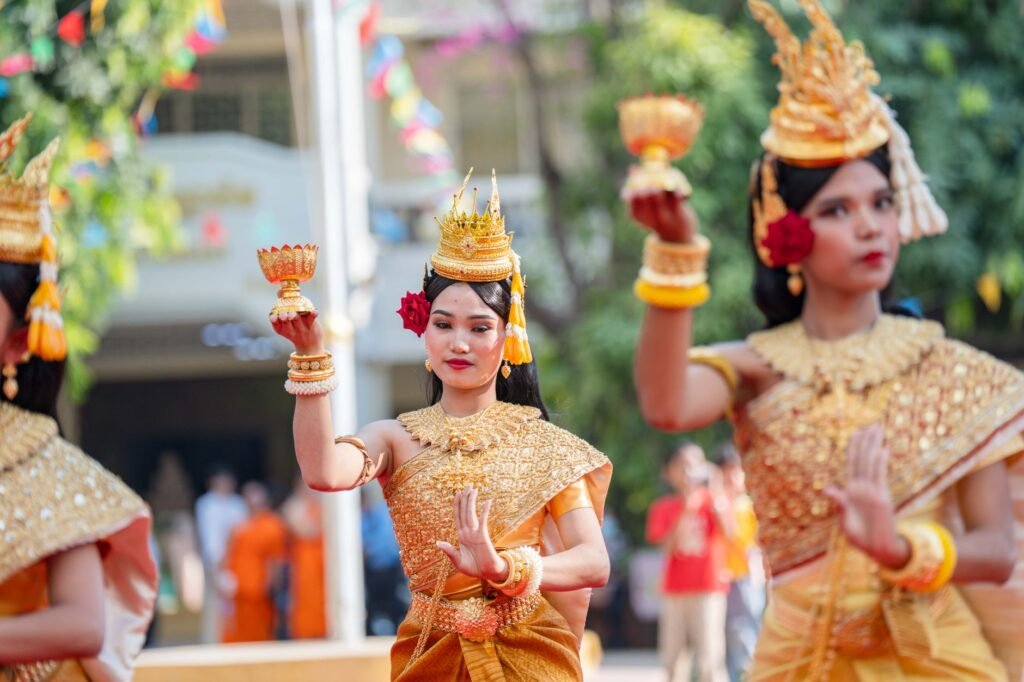
5. Cambodia: The Land of Temples
Cambodia is perhaps best known for the Angkor Wat temple complex, a UNESCO World Heritage Site and one of the most important archaeological sites in Southeast Asia. Beyond the temples, Cambodia offers beautiful landscapes and a rich history.
Key locations to explore in Cambodia include:
- Siem Reap: The gateway to Angkor Wat, Siem Reap is filled with hotels, restaurants, and markets, making it a popular base for exploring the temples.
- Phnom Penh: The capital city features the Royal Palace, the Silver Pagoda, and museums that commemorate the Khmer Rouge era.
- Koh Rong: Known for its pristine beaches and clear waters, Koh Rong is an island paradise perfect for relaxation and water activities.
While Cambodia is generally affordable, prices can vary in tourist areas. Accommodations and local cuisine are typically budget-friendly, making it an attractive destination for travelers.
6. The Philippines: A Tropical Paradise
The Philippines is renowned for its stunning beaches, vibrant marine life, and warm hospitality. With over 7,000 islands, it offers endless opportunities for adventure and relaxation. Palawan, Boracay, and Cebu are among the most popular destinations.
Highlights of the Philippines include:
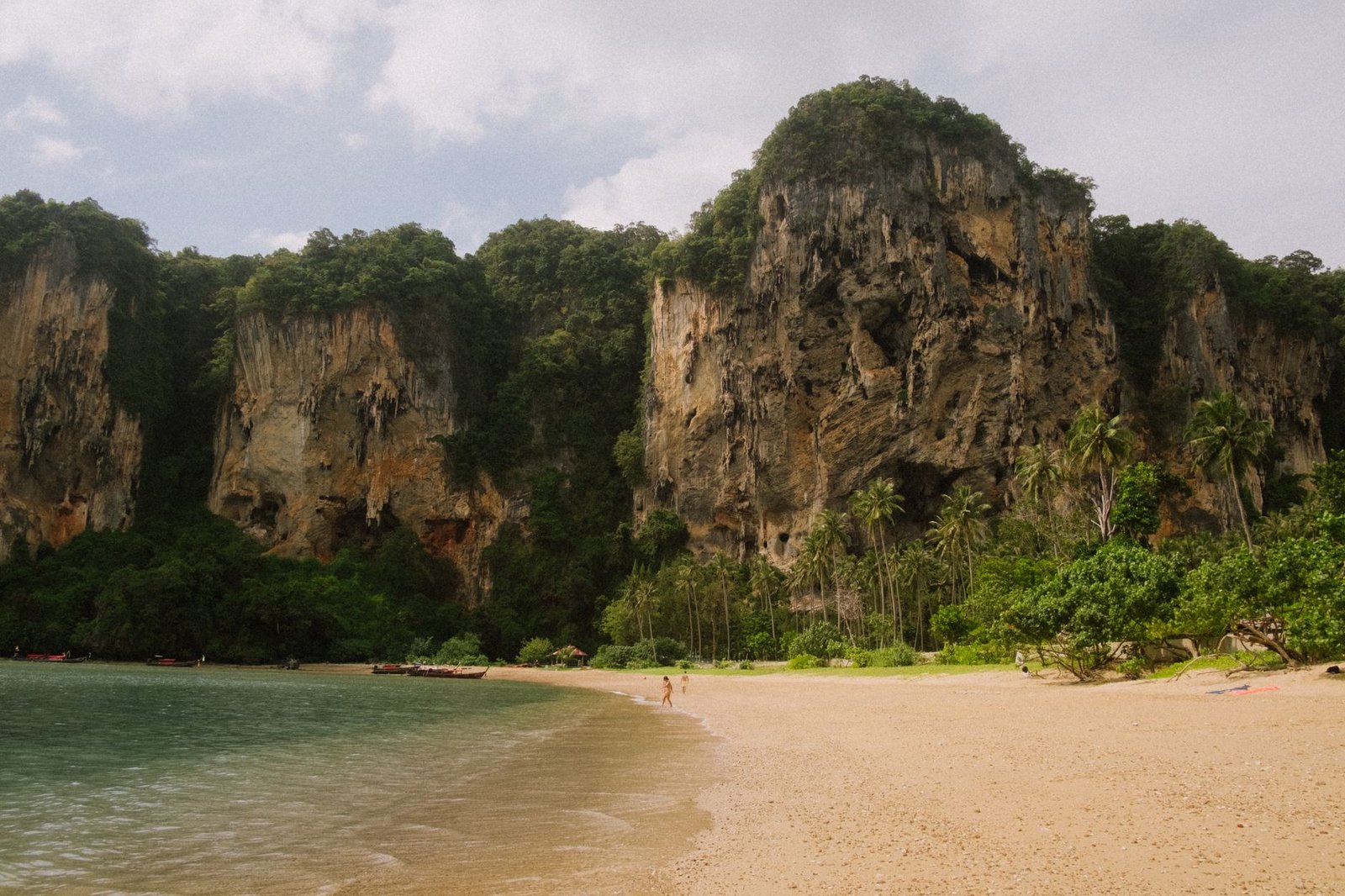
- Palawan: Often referred to as the most beautiful island in the world, Palawan is famous for its stunning landscapes and crystal-clear waters, with attractions like El Nido and Coron.
- Boracay: Known for its powdery white sand beaches, Boracay is a popular destination for beach lovers and partygoers alike.
- Cebu: Offers a mix of historical sites, stunning beaches, and opportunities for diving and snorkeling.
Traveling in the Philippines can be affordable, particularly for food and accommodations. However, inter-island travel may incur additional costs, so planning ahead is advisable.
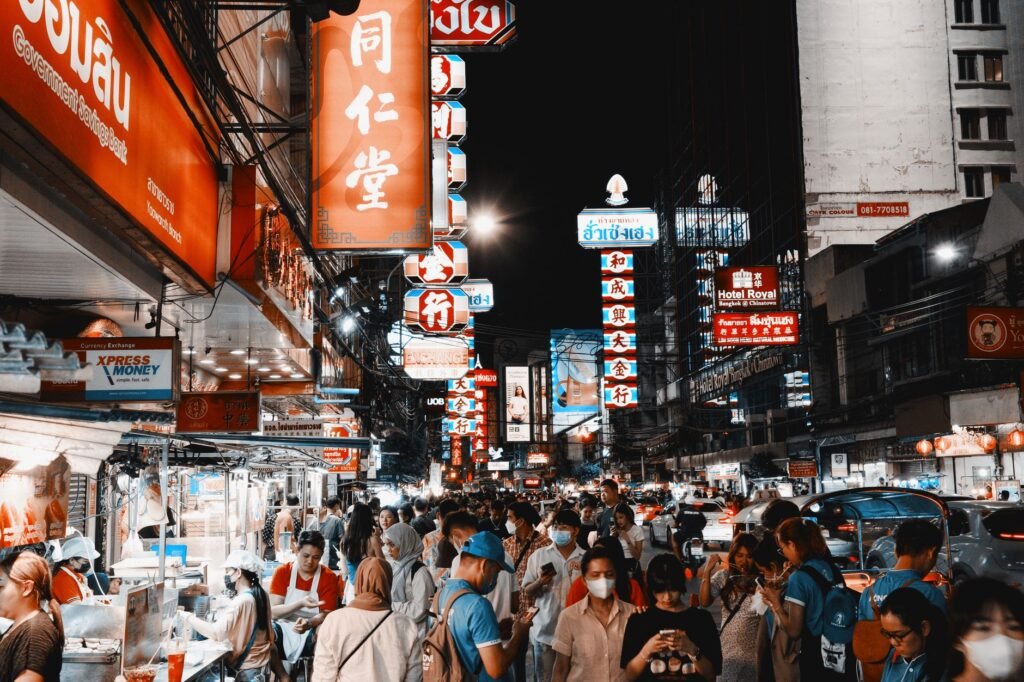
7. Laos: A Hidden Gem
Laos is often overlooked by travelers, but it offers a serene and beautiful environment that is perfect for those seeking tranquility. The country is known for its stunning landscapes, rich culture, and friendly locals.
Key places to explore in Laos include:
- Luang Prabang: A UNESCO World Heritage Site, known for its well-preserved temples, French colonial architecture, and vibrant night market.
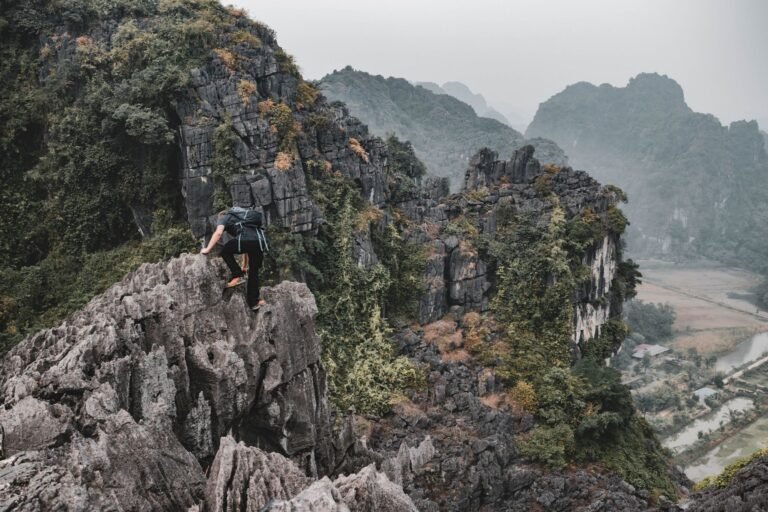
- Vang Vieng: Famous for its stunning karst landscapes and outdoor activities, including tubing and hiking.
- Vientiane: The capital city offers a mix of traditional Lao culture and modern attractions, with sites like the Patuxai Monument and That Luang Stupa.
Laos remains an affordable destination, with inexpensive accommodations and food options. The slower pace of life makes it an excellent place to unwind and connect with nature.
8. Myanmar: A Journey Through Time
Myanmar (Burma) is a country rich in history and culture, known for its ancient temples, diverse ethnic groups, and stunning landscapes. The country is gradually opening up to tourism, offering travelers a unique experience.
Must-visit destinations in Myanmar include:
- Bagan: Home to thousands of ancient temples and pagodas, Bagan is a breathtaking sight, especially during sunrise and sunset.
- Yangon: The largest city in Myanmar, Yangon is known for its colonial architecture and the iconic Shwedagon Pagoda.
- Inle Lake: Famous for its floating gardens and unique fishing techniques, Inle Lake offers a glimpse into traditional local life.
Traveling in Myanmar can be affordable, but travelers should be aware of varying infrastructure and plan accordingly. Accommodations range from budget guesthouses to more luxurious options.
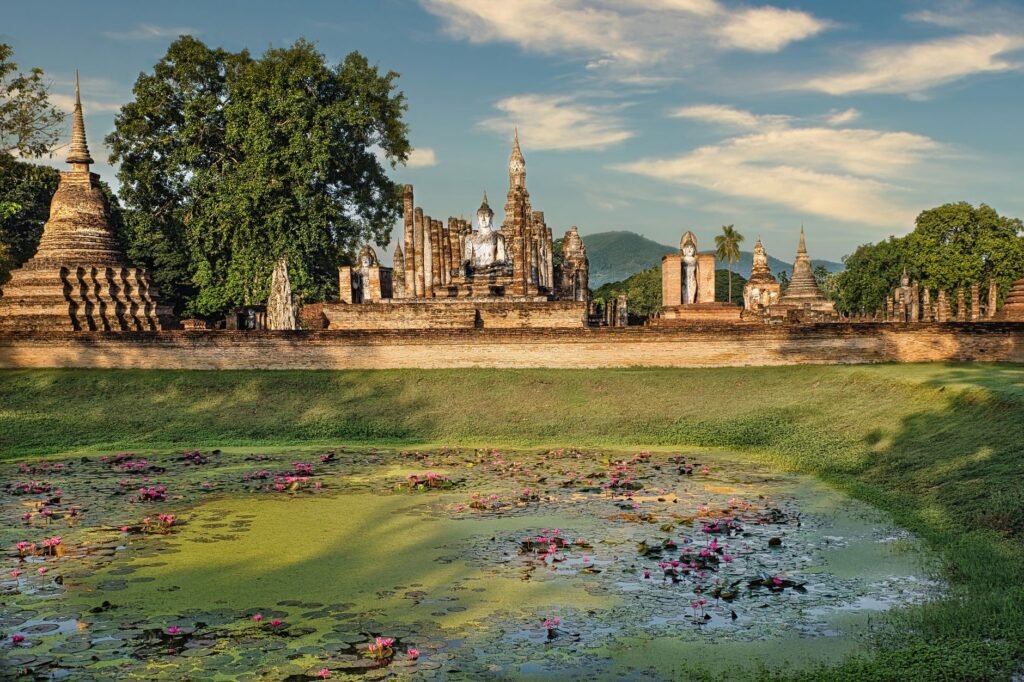
Exploring the Untouched Beauty of Brunei
Nature Reserves and Wildlife Sanctuaries
Brunei may be small, but its natural beauty is vast and largely untouched. The Ulu Temburong National Park, known as the ‘Green Jewel of Brunei,’ offers pristine rainforests and diverse wildlife. Visitors can explore the park through guided eco-tours, which often include canopy walks that provide stunning views of the surrounding jungle. The park is home to various species, including the endangered proboscis monkey and over 300 species of birds.
Travelers should also consider visiting the Brunei River, where one can spot unique wildlife such as otters and crocodiles. A boat tour along the river at dusk reveals a different side of Brunei’s ecosystem, as many animals become more active during the cooler hours.
- Ulu Temburong National Park
- Brunei River wildlife tours
- Jubilee Park for casual wildlife observation
Cultural Experiences in Kampong Ayer
Kampong Ayer, often referred to as the Venice of the East, is a historical water village that showcases Brunei’s rich cultural heritage. This village, built on stilts along the Brunei River, is home to approximately 30,000 people. Visitors can explore the various wooden houses and experience the vibrant community life.
A guided tour often includes visits to local mosques and schools, providing insight into the daily lives of residents. The village is also known for its traditional crafts, such as handwoven textiles and intricate wood carvings. Don’t miss the chance to taste local delicacies at the floating restaurants, where fresh seafood is a highlight.
- Visit the Sultan Omar Ali Saifuddien Mosque
- Try local dishes like Nasi Katok and Ambuyat
- Engage with local artisans for craft demonstrations
Unraveling the Mysteries of Timor-Leste
Historical Sites and Cultural Landmarks
Timor-Leste, one of the newest countries in Southeast Asia, is rich in history and cultural landmarks that reflect its struggle for independence and diverse heritage. The Resistance Museum in Dili provides a profound insight into the nation’s fight against colonial rule and Indonesian occupation, presenting powerful narratives through photographs and artifacts.
Another notable site is the Cristo Rei statue, a towering representation of Christ overlooking the bay of Dili. Standing at 27 meters tall, this landmark offers panoramic views and is a significant pilgrimage site. Visiting these landmarks provides an understanding of the resilience of the Timorese people.
- Resistance Museum
- Cristo Rei statue
- Old Portuguese forts along the coast
Beaches and Natural Wonders
Timor-Leste is also known for its stunning beaches and natural beauty. The beaches of Atauro Island, just a short ferry ride from Dili, boast crystal-clear waters and vibrant coral reefs, making them ideal for snorkeling and diving. The island is relatively undeveloped, providing a tranquil escape from the hustle and bustle of city life.
For those seeking adventure, the mountainous terrain of the interior offers hiking opportunities, such as the climb to Mount Ramelau, the highest peak in East Timor. The view from the summit is breathtaking, especially during sunrise. This combination of beaches and mountains provides a unique experience for nature lovers.
- Atauro Island for snorkeling
- Mount Ramelau hiking trails
- Visit the beautiful beaches of Com and Areia Branca
The Charms of Singapore Beyond the Skyline
Gardens and Green Spaces
While Singapore is famous for its iconic skyline, the city-state also offers an abundance of green spaces that provide a refreshing escape from urban life. Gardens by the Bay is a prime example, featuring the stunning Supertree Grove and two cooled conservatories, the Flower Dome and Cloud Forest. Visitors can enjoy a leisurely walk among the futuristic structures and diverse plant species from around the world.
Another must-visit is the Singapore Botanic Gardens, a UNESCO World Heritage Site. This expansive garden showcases the region’s tropical flora, including the National Orchid Garden, which boasts over 1,000 species and hybrids of orchids. It’s an ideal spot for a picnic or a leisurely stroll amidst nature.
- Gardens by the Bay
- Singapore Botanic Gardens
- Fort Canning Park for historical insights
Cultural Neighborhoods and Local Markets
Exploring Singapore’s cultural neighborhoods is a fantastic way to experience its multicultural identity. Each area offers a unique atmosphere, culinary delights, and shopping options. Little India is vibrant, filled with colorful shops, temples, and eateries serving authentic Indian cuisine. Visitors can savor dishes like biryani and dosai, and shop for spices and traditional textiles.
Chinatown is another cultural hub where visitors can explore heritage centers and sample local treats at the Chinatown Food Street. The rich history of the Chinese community is evident in the architecture and cultural events held throughout the year. Local markets in these neighborhoods provide a glimpse into everyday life in Singapore.
- Little India for Indian cuisine
- Chinatown for food and heritage
- Visit the Tekka Centre for a local market experience
Frequently Asked Questions
What is the best time to visit Southeast Asia?
The best time to visit Southeast Asia generally falls between November and February when the weather is cooler and drier. However, specific timing can vary by country.
Is Southeast Asia safe for travelers?
Southeast Asia is generally safe for travelers, but it is important to remain vigilant and follow local laws and customs. Always be cautious of your belongings and avoid risky areas at night.
What is the average cost of traveling in Southeast Asia?
The average cost of traveling in Southeast Asia can vary greatly depending on the destination and travel style. Budget travelers can often get by on $30 to $50 per day, while those seeking more comfort may spend $100 or more.
Do I need a visa to visit Southeast Asia?
Visa requirements vary by country and nationality. Some countries offer visa-free entry or visa-on-arrival for certain nationalities, while others require a visa in advance. It’s essential to check the specific requirements for each country you plan to visit.
The Bottom Line
Southeast Asia is a diverse region filled with incredible places to visit, each offering its own unique experiences. Whether you’re exploring the bustling streets of Bangkok, relaxing on a beach in Bali, or marveling at the ancient temples of Angkor, the best places to visit in Southeast Asia promise unforgettable adventures. With careful planning and a spirit of curiosity, you can create a memorable journey through this captivating part of the world.
Visa rules, prices and opening times change. Always confirm details with official sources before you travel.