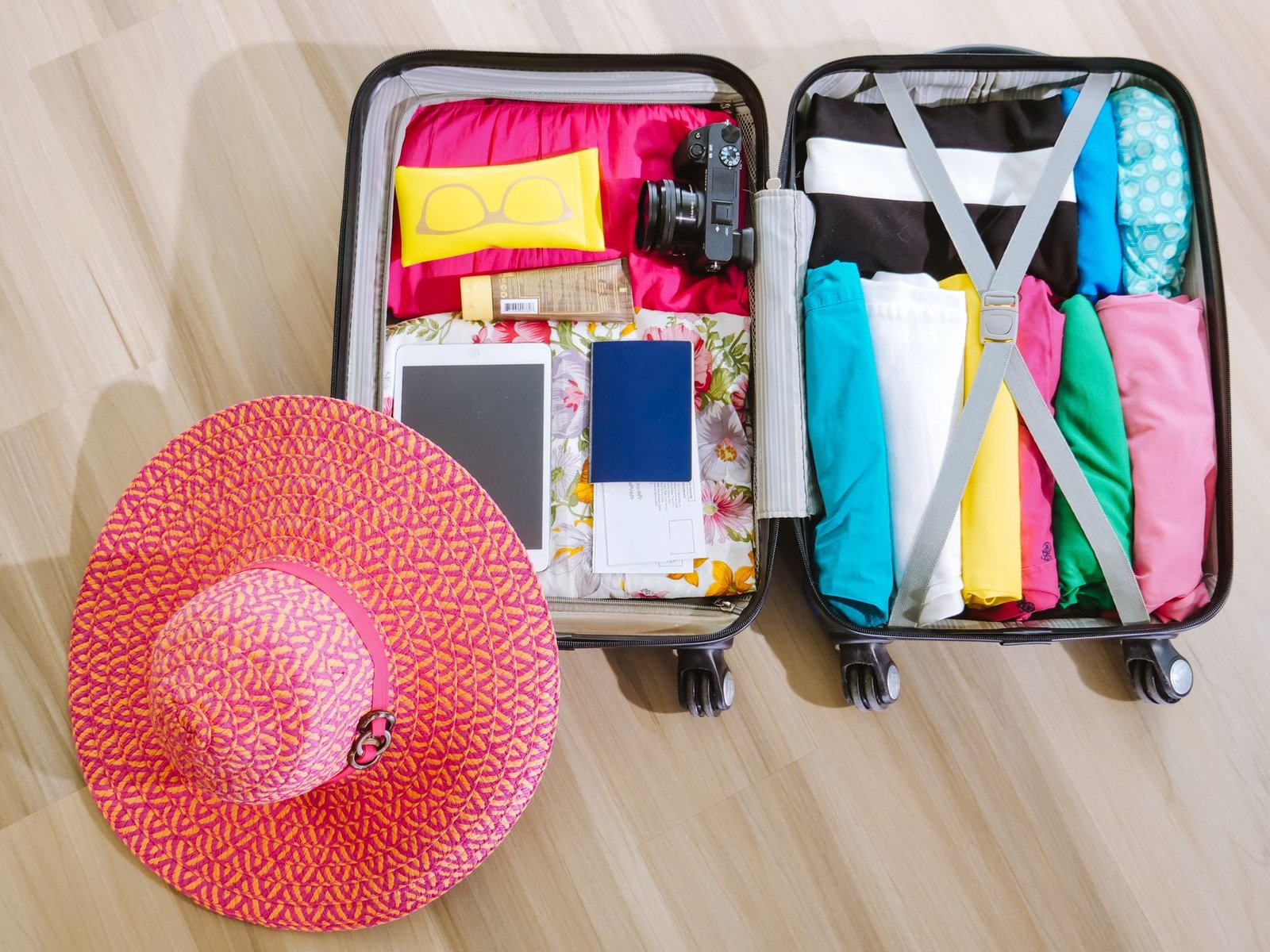
Packing List Advice for Italy: Essentials for Every Traveler
Discover essential packing list advice for Italy, including clothing, accessories, and tips to ensure a smooth travel experience.
Traveling to Italy is a dream for many, thanks to its rich history, stunning architecture, and delicious cuisine. However, the excitement of visiting this beautiful country can quickly turn into stress if you’re not adequately prepared. One of the most crucial aspects of your preparation is creating a well-thought-out packing list. This guide will provide you with practical packing list advice for Italy, ensuring you have everything you need for a smooth and enjoyable trip.
Whether you’re exploring the bustling streets of Rome, the romantic canals of Venice, or the picturesque landscapes of Tuscany, knowing what to pack will enhance your travel experience. This article will cover essential clothing, accessories, travel documents, and tips tailored to Italy’s unique climate and culture.
Let’s dive into the essentials that should be on your packing list for Italy, helping you focus on enjoying your adventure rather than worrying about forgotten items.
Understanding Italy’s Climate and Culture
Italy’s diverse geography means that its climate can vary significantly depending on the region and the time of year. The northern areas, such as Milan and the Dolomites, experience colder winters, while southern regions like Sicily and Naples enjoy a Mediterranean climate with hot summers.
When planning your trip, consider the season during which you will be traveling. Spring (April to June) and autumn (September to October) are generally the best times to visit due to mild weather and fewer tourists. Summers can be hot, especially in the south, while winters can be quite chilly, particularly in the north. Understanding the climate will help you choose the appropriate clothing for your trip.
Italy is also known for its fashion and cultural norms. Italians tend to dress stylishly and put effort into their appearance. This means that while comfort is essential, you may also want to consider packing items that are chic and suitable for dining out or visiting cultural sites.
Essential Clothing for Your Trip
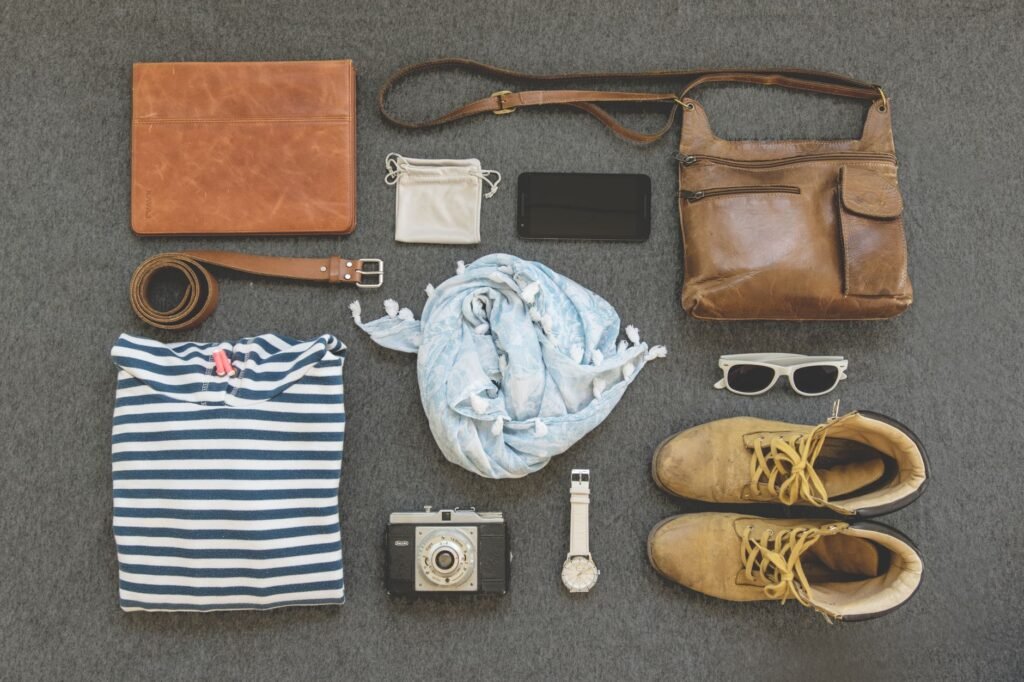
Creating a packing list for Italy starts with clothing. Here are some essential items you should consider bringing, tailored to the climate and cultural expectations:
- Lightweight Layers: Given the varying temperatures, especially during spring and autumn, packing layers is crucial. Lightweight sweaters or cardigans can be easily added or removed as needed.
- Comfortable Walking Shoes: Italy is best explored on foot, so comfortable shoes are a must. Consider packing a pair of stylish yet functional shoes for daytime excursions and another pair for evenings out.
- Weather-Appropriate Outerwear: If traveling in the cooler months, include a warm coat or jacket. Conversely, if visiting during the summer, a light rain jacket or windbreaker is advisable for unexpected showers.
- Dressy Outfits: If you plan to dine at upscale restaurants or attend cultural events, include at least one dressy outfit. Italians appreciate style, so a nice dress or smart trousers can make a good impression.
- Accessories: Scarves, hats, and sunglasses are great for both style and practicality. A scarf can also be used to cover your shoulders when visiting religious sites.
Travel Documents and Essentials
Before leaving for Italy, ensure you have all necessary travel documents and essentials. This section covers what to include in your packing list:
- Passport and Copies: Your passport is essential for international travel. Make copies of your passport and keep them separate from the original in case of loss.
- Visa (if required): Check whether you need a visa to enter Italy. Depending on your nationality, some travelers may require a Schengen visa.
- Travel Insurance: Consider purchasing travel insurance that covers health, accidents, and trip cancellations. This is particularly important when traveling abroad.
- Health Essentials: Include any necessary medications, prescriptions, and a basic first-aid kit. Also, pack hand sanitizer and face masks if needed to comply with health regulations.
- Credit Cards and Cash: Italy uses the Euro, so it’s wise to have some cash on hand for smaller purchases. Ensure your credit cards will work internationally and inform your bank about your travel plans.

Practical Accessories for Comfort and Convenience
Accessories can enhance your travel experience by providing comfort and convenience. Here are some items to consider including in your packing list:
- Travel Adapter: Italy uses type C, F, and L plugs, so make sure to pack a travel adapter to keep your devices charged.
- Portable Charger: Exploring cities can drain your phone’s battery quickly, especially when using GPS. A portable charger can ensure you stay connected and navigate without worry.
- Reusable Water Bottle: Staying hydrated is essential, especially during hot days. A reusable bottle can be filled at water fountains commonly found in Italian cities.
- Daypack: A lightweight daypack is handy for carrying essentials while sightseeing. It’s perfect for storing water, snacks, and a light jacket.
- Guidebook or App: While smartphones are great for navigation, having a physical guidebook can be helpful if you find yourself in areas with limited Wi-Fi. Consider downloading travel apps for offline access.
What to Leave Behind
In addition to knowing what to pack, it’s equally important to recognize what not to bring. Overpacking can lead to unnecessary stress and discomfort while traveling. Here’s a list of items to consider leaving behind:
- Excessive Clothing: Avoid packing too many outfits. Choose pieces that can be mixed and matched, reducing the number of items you need to carry.
- Valuable Jewelry: Leave expensive jewelry at home. It’s safer and will prevent any potential loss or theft.
- Heavy Books: Instead of packing physical books, consider downloading e-books or audiobooks to save space and weight.
- Too Many Toiletries: Pack only essential toiletries. Many items can be purchased in Italy if you run out.
- Formal Attire: Unless you have specific plans for formal events, it’s best to skip heavy formal wear that takes up space.

Tips for Packing Efficiently
Packing efficiently can make your travel experience much smoother. Here are some practical tips to help you pack effectively for Italy:
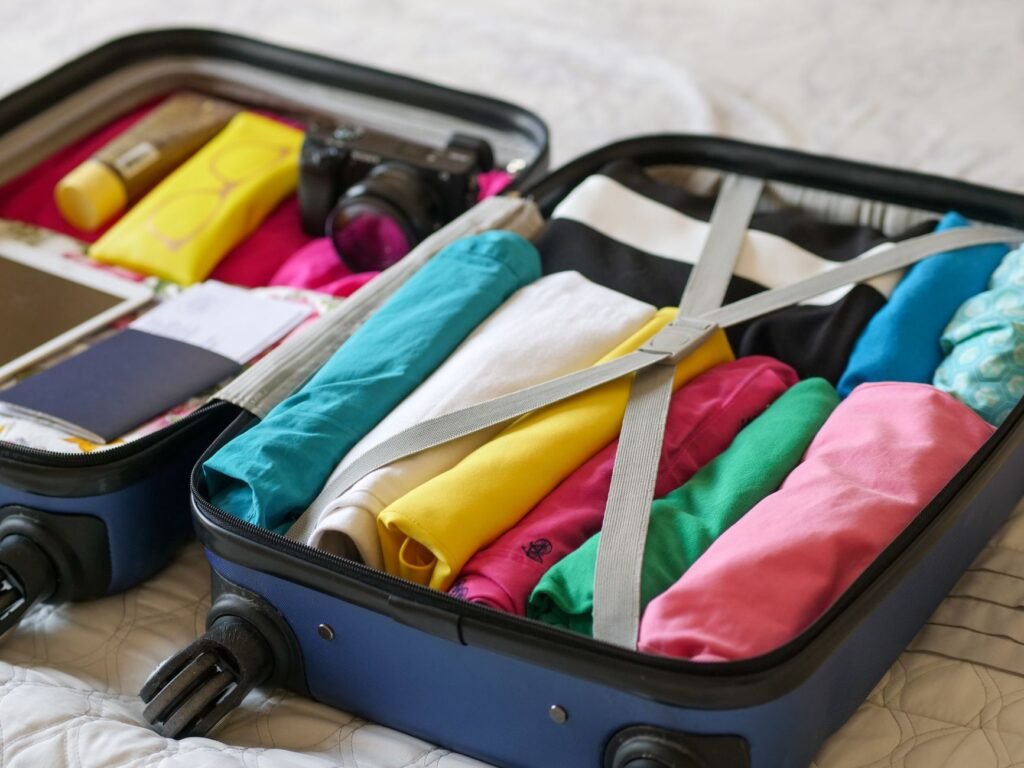
- Use Packing Cubes: Packing cubes can help organize your luggage and maximize space. Group similar items together, making it easier to find what you need.
- Roll Your Clothes: Rolling clothes instead of folding them can save space and reduce wrinkles. This method also allows you to see everything in your suitcase at a glance.
- Create a Checklist: Before you start packing, create a checklist based on this guide. This ensures you don’t forget any essential items and helps you stay organized.
- Pack for the Return Journey: Consider what you may acquire during your trip, whether souvenirs or additional clothing. Leave some space in your suitcase for these items.
- Wear Bulky Items: If you’re bringing heavy shoes or jackets, wear them during your flight to save space in your luggage.
Health and Safety Essentials
Travel Insurance
Travel insurance is a crucial aspect of any trip, especially when traveling abroad. It covers unexpected events like trip cancellations, lost luggage, and medical emergencies. Ensure your policy includes coverage for COVID-19-related incidents, as regulations can change rapidly. When in Italy, having travel insurance can give you peace of mind to explore freely, knowing that you’re protected against unforeseen circumstances.
When selecting a travel insurance policy, look for the following features:
- Medical expenses coverage
- Trip cancellation and interruption coverage
- Lost or delayed luggage protection
- 24/7 customer support
- Emergency evacuation services
Health Precautions
Staying healthy while traveling is essential to enjoying your trip. Before leaving, check if any vaccinations are recommended or required for Italy. Common vaccines include those for measles, mumps, rubella, and seasonal flu. Carry a basic first-aid kit with essentials like adhesive bandages, antiseptic wipes, and any personal medications. Italy has a good healthcare system, but you may need to pay upfront for services and seek reimbursement later if you’re not covered by insurance.
Additionally, keep these health tips in mind:
- Stay hydrated, especially in warmer months.
- Practice good food safety by avoiding street food that doesn’t seem fresh.
- Be cautious with tap water in certain regions; bottled water is often the safer choice.
- Wear sunscreen to protect against the strong Mediterranean sun.
Emergency Contacts
Familiarizing yourself with local emergency numbers can be invaluable during your trip. In Italy, the emergency services number is 112, which connects you to police, medical, and fire services. It’s wise to also have the contact information for your country’s embassy or consulate in Italy, as they can provide assistance in case of lost passports, legal issues, or other emergencies.
Consider storing this information on your phone and writing it down in your travel journal. Here’s a list of important contacts to have:
- Local emergency services: 112
- Hospital or clinic nearest to your accommodation
- Your country’s embassy or consulate
- Local police station
- Travel insurance provider’s hotline
Local Etiquette and Customs
Dining Etiquette
Italy is renowned for its rich culinary traditions, and following local dining etiquette can enhance your experience. When dining out, it’s customary to greet your server with a friendly “Buongiorno” or “Buonasera” and to wait for your host to invite you to sit. Tipping is appreciated but not obligatory; rounding up the bill or leaving small change is sufficient.
Additionally, be aware of the following dining customs:
- Italians typically have dinner later, often around 8 PM or 9 PM.
- Don’t ask for modifications to traditional dishes; it’s considered disrespectful to local cuisine.
- When drinking coffee, remember that cappuccinos are usually only consumed in the morning.
- It’s polite to say “Grazie” when receiving service.
Public Behavior
Understanding local customs can help you navigate social situations more smoothly. Italians value politeness and might be sensitive to loud or disruptive behavior in public spaces. When on public transport, keep conversations at a moderate volume and offer your seat to the elderly or pregnant women.
Here are a few additional tips for public behavior:
- Maintain a respectful distance during conversations; personal space might be smaller than you’re used to.
- Greet shopkeepers or anyone you interact with; a simple “Ciao” goes a long way.
- In churches and religious sites, dress modestly to show respect.
- Be mindful of photography; always ask permission before taking photos of people.
Understanding Gestures
Italians are known for their expressive body language, and understanding common gestures can enhance your communication. For instance, a simple hand wave can mean various things depending on the context, while the “thumbs up” gesture is a positive sign. However, some gestures may be misinterpreted, so it’s best to observe and follow local customs.
Here are a few gestures to recognize:
- The “OK” sign with your thumb and index finger can be seen as offensive in some contexts.
- Pointing at someone may be considered rude; use your whole hand instead.
- The “chin flick” gesture (sweeping your fingers under your chin) can mean “get lost” or express disdain.
- When asking for silence, the gesture of placing your finger to your lips is universally understood.
Local Transportation Tips
Navigating Public Transport
Italy’s public transport system is extensive and efficient, making it easy to explore cities and regions without a car. Major cities like Rome, Milan, and Florence have reliable buses, trams, and metro systems. Purchasing a multi-day pass can save you money if you plan to use public transport frequently. Be sure to validate your ticket before boarding to avoid fines.
Remember to keep these tips in mind while using public transport:
- Check the schedule online or via local apps for real-time updates.
- Stand aside when the doors open; let passengers exit before boarding.
- Keep your belongings secure and be vigilant against pickpockets, especially in crowded areas.
- Respect quiet hours, especially during early mornings and late evenings.
Using Taxis and Rideshares
Taxis are widely available in cities and can be hailed on the street or ordered via phone. Ensure the taxi is licensed; it should have a meter and display a taxi sign. Rideshare apps like Uber operate in select cities, but their availability may be limited compared to other countries. Always check local regulations and options before your trip.
Here’s how to navigate taxis and rideshares effectively:
- Confirm the driver’s identity and vehicle details before getting in.
- Agree on a price before starting the ride if the meter isn’t used.
- Keep cash handy, as not all taxis accept credit cards.
- Use official taxi ranks at airports and train stations for safety.
Exploring on Foot and Biking
Many Italian cities are best explored on foot, allowing you to soak in the architecture and local culture. Wear comfortable shoes, as cobbled streets can be challenging. Alternatively, consider renting a bicycle, which is popular in cities like Florence and Bologna. Look for bike lanes and follow local traffic rules to ensure a safe ride.
For walking and biking, keep these pointers in mind:
- Plan your route ahead of time, especially in larger cities.
- Stay aware of your surroundings and watch for vehicles, as traffic can be unpredictable.
- Carry a small backpack for essentials and water.
- Take breaks at local cafés to enjoy the atmosphere and recharge.
Frequently Asked Questions
What is the best time to visit Italy?
The best time to visit Italy is during spring (April to June) and autumn (September to October) when the weather is mild and tourist crowds are smaller.
Do I need a visa to travel to Italy?
Visa requirements vary based on nationality. Many travelers from the EU and other countries can enter Italy without a visa for short stays. Check your specific requirements before traveling.
How much cash should I bring to Italy?
It’s advisable to have some cash on hand for small purchases. Approximately €100-€200 is usually sufficient, but credit cards are widely accepted.
Are there any specific dress codes in Italy?
While there are no strict dress codes, Italians tend to dress stylishly. It’s advisable to wear smart casual clothing, especially when dining out or visiting religious sites.
The Bottom Line
Packing for a trip to Italy doesn’t have to be overwhelming. By understanding the climate, culture, and essential items needed, you can create a practical and efficient packing list. Focus on versatile clothing, important travel documents, and practical accessories to ensure a smooth travel experience. With careful planning, you’ll be well-prepared to explore the beautiful landscapes and rich heritage of Italy.
Visa rules, prices and opening times change. Always confirm details with official sources before you travel.