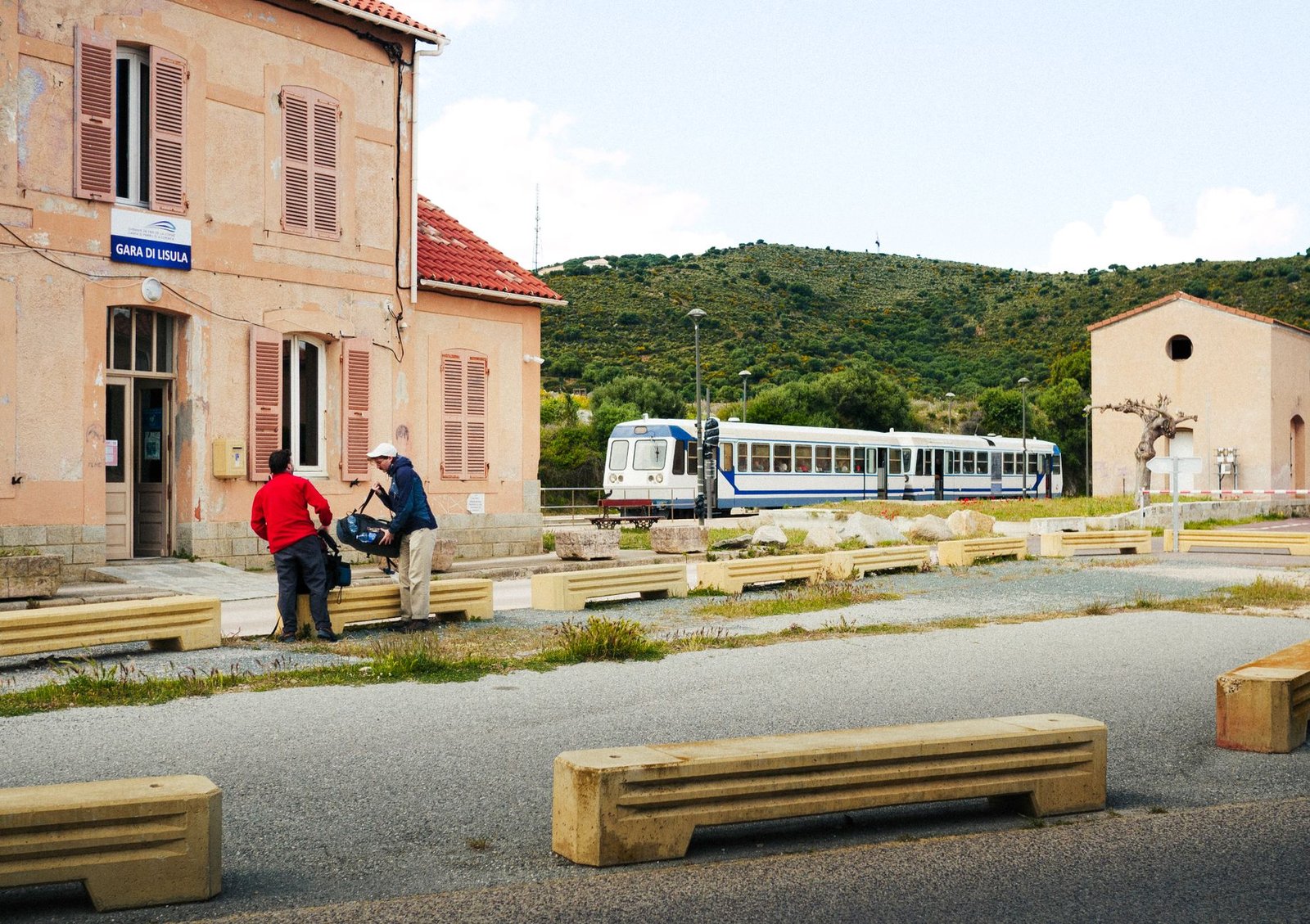
Exploring Slow Travel in Corsica by Train: A Unique Journey
Discover the charm of slow travel in Corsica by train, exploring the island's scenic landscapes, cultural highlights, and practical travel tips.
Corsica, the stunning Mediterranean island known for its rugged coastline and mountainous interior, offers a unique experience for travelers interested in slow travel. One of the best ways to explore this beautiful destination is by train. The concept of slow travel encourages travelers to immerse themselves in local cultures, savor experiences, and appreciate the journey rather than rushing to the next destination. In this guide, we will dive into the joys of slow travel in Corsica by train, highlighting train routes, must-visit spots, and practical tips for an unforgettable journey.
Traveling by train in Corsica not only allows you to enjoy breathtaking views but also provides an opportunity to connect with the island’s rich history and culture. The train routes take you through picturesque landscapes, charming towns, and renowned landmarks, making the journey just as rewarding as the destinations themselves. As Corsica is not as heavily populated as other tourist hotspots in Europe, the experience can feel more personal and authentic.
In this article, we will explore the various train options available, the best times to travel, and the highlights of a slow travel experience in Corsica. Whether you’re a solo traveler, a couple, or a family, this guide will help you navigate the enchanting island and make the most of your time.
Understanding the Corsican Train System
Corsica’s rail network, while not extensive, offers a scenic way to traverse the island. The main railway line runs from Bastia in the north to Ajaccio in the south, passing through various towns and beautiful landscapes. The train service is operated by the Chemins de Fer de la Corse (CFC), which has been a vital part of Corsican transport since the late 19th century.
The trains are known for their vintage charm and can be a delightful experience for those looking to travel at a leisurely pace. With regular services connecting key towns, you can plan your itinerary around the train schedules, ensuring you have ample time to explore each destination. The journey itself can be as captivating as the places you visit, with views of the rugged mountains, lush valleys, and the sparkling Mediterranean Sea.
Another benefit of traveling by train in Corsica is the ability to meet locals and other travelers. Many people use the train as their primary means of transport, which fosters a sense of community and connection. The relaxed atmosphere of the train allows for conversations and shared experiences, making your travel even more enriching.
Key Train Routes
- Bastia to Ajaccio: This is the main route of the Corsican train system, covering approximately 150 kilometers. The scenic ride takes about 3.5 hours and passes through beautiful landscapes, including mountains and vineyards.
- Ajaccio to Calvi: Although there is no direct train service, you can travel from Ajaccio to Calvi via bus, with the option to enjoy the stunning coastal views along the way.
- Porto to Corte: This scenic route offers access to the interior of the island, showcasing Corsica’s natural beauty, including the famous Restonica Valley.

Best Times to Travel
The best time to travel to Corsica largely depends on your preferences for weather and activities. The island enjoys a Mediterranean climate, with hot, dry summers and mild winters. Here’s a breakdown of the seasons:
- Spring (April to June): This is an excellent time for slow travel, with mild temperatures and blooming landscapes. The crowds are smaller, allowing for a more intimate experience.
- Summer (July to August): While summer brings warm weather and lively festivals, it can also mean larger crowds, especially in popular tourist areas. Booking train tickets in advance is advisable during this peak season.
- Autumn (September to October): Early autumn is another fantastic time for slow travel, with pleasant temperatures and fewer tourists. The fall foliage adds a unique charm to your journey.
Regardless of when you choose to visit, it’s essential to check the train schedules in advance, as services can vary between seasons. During peak times, trains may run more frequently, while in the off-season, schedules may be limited.
Must-Visit Destinations Along the Train Routes
Corsica is dotted with charming towns and breathtaking natural wonders, many of which are easily accessible by train. Here are some must-visit destinations to include in your slow travel itinerary:
- Bastia: As the northern gateway to Corsica, Bastia is rich in history and culture. Explore the Old Port, visit the Citadel, and enjoy the local cuisine in the bustling markets.
- Corte: Located in the heart of Corsica, Corte is surrounded by stunning mountains and is home to the historic Citadel. It’s a great starting point for hiking and exploring the Restonica Valley.
- Ajaccio: The capital city is known for its beautiful beaches, the birthplace of Napoleon Bonaparte, and a vibrant market scene. Take a leisurely stroll along the waterfront promenade.
Each of these destinations offers unique experiences, from cultural festivals to outdoor adventures. By taking your time to explore these towns, you can appreciate the local way of life and create lasting memories.
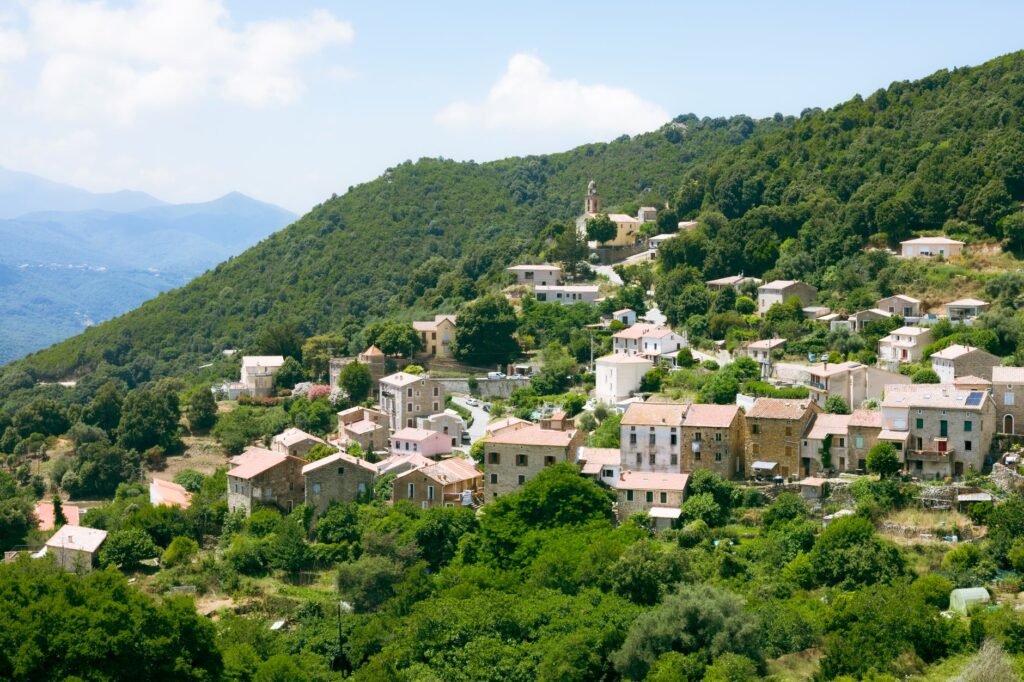
Tips for a Successful Slow Travel Experience
To make the most of your slow travel experience in Corsica, consider the following practical tips:
- Plan Your Itinerary: While spontaneity is part of slow travel, having a rough plan can help you manage train schedules and ensure you don’t miss out on key attractions.
- Pack Light: Traveling by train means you’ll need to carry your luggage between stations. A small, manageable suitcase or backpack will make your journey easier.
- Embrace Local Culture: Take time to interact with locals, try regional dishes, and participate in local events or festivals. This will enhance your experience and support the local economy.

Accommodations and Dining Options
When traveling by train in Corsica, you will find various accommodation options ranging from budget hostels to luxurious hotels. Here are some popular options in key towns:
- Bastia: Look for budget-friendly hostels or guesthouses in the city center. For a more upscale experience, consider hotels with views of the harbor.
- Corte: This town offers charming bed and breakfasts and rustic lodges, ideal for those wanting to experience the mountainous surroundings.
- Ajaccio: In Ajaccio, you can find a range of hotels, from budget to luxury, many with easy access to the beach and city attractions.
Dining in Corsica is a treat, with a focus on fresh, local ingredients. Try traditional dishes such as:
- Figatellu: A type of Corsican sausage that’s often grilled.
- Brocciu: A fresh cheese made from sheep’s milk, used in various dishes.
- Wild Boar Stew: A hearty dish that showcases the island’s rich flavors.
Many restaurants prioritize local produce, so be sure to ask for regional specialties. Dining at local establishments provides an authentic taste of Corsican culture.
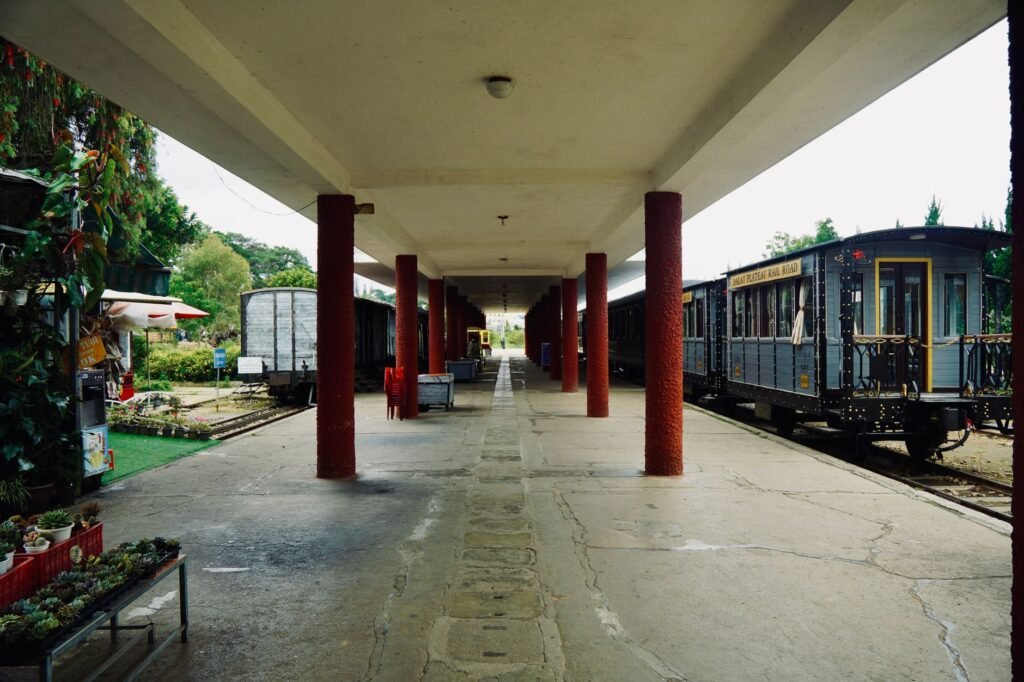
Experiencing Corsican Culture Through Train Travel
Local Events and Festivals
Traveling by train in Corsica allows you to immerse yourself in the island’s rich cultural tapestry. Numerous local events and festivals are held throughout the year, many of which are easily accessible from train stations. For instance, the Fiera di u Vinu in the town of Porto-Vecchio celebrates local wines with tastings, music, and artisan markets. This event typically occurs in early June and is a fantastic way to experience Corsican culture while enjoying scenic train rides.
Another notable festival is the Nuits de la Guitare in Patrimonio, which showcases local and international musicians in a variety of genres. Taking the train to this festival not only provides a unique musical experience but also offers stunning views of the Corsican landscape. Attending these events can enrich your travel experience, allowing you to connect with locals and learn about their traditions.
Culinary Delights on the Journey
Traveling by train in Corsica presents numerous opportunities to savor the island’s unique culinary offerings. As you journey through picturesque villages, consider stopping at local markets to sample traditional Corsican products. Look for:
- Figatellu: A type of cured sausage made from pork, often grilled.
- Brocciu: A fresh cheese made from sheep’s milk, commonly used in various dishes.
- Chestnut flour: A staple ingredient in Corsican cuisine, used for baking and cooking.
Many train stations are located near local eateries where you can taste authentic Corsican dishes. Try to plan your travel around meal times, as many small villages host delightful restaurants that feature seasonal menus showcasing local ingredients. Engaging with the culinary scene is an essential part of the slow travel experience, allowing you to enjoy Corsica’s flavors at a leisurely pace.
Art and Craft Opportunities
The train routes in Corsica also connect you to various artisan workshops and galleries, providing a unique chance to explore local art and crafts. Many artisans welcome visitors to their studios, offering workshops in traditional crafts such as pottery, weaving, and painting. For instance, the village of Sartène is known for its ceramics, where you can observe and participate in the pottery-making process.
In addition, Corsica has a rich history of textile production. Visit the small workshops in the region of Ajaccio to learn about weaving techniques and take home a handcrafted souvenir. Participating in these activities not only supports local artisans but also allows for a deeper understanding of Corsican heritage. Make sure to look up workshop schedules in advance to secure your spot.
Environmental Sustainability and Responsible Travel
Choosing Eco-Friendly Transportation
Slow travel is inherently linked to sustainability, and using the train system in Corsica is one of the greenest ways to explore the island. Trains are less polluting compared to cars, contributing to a reduced carbon footprint during your travels. By opting for trains rather than rental cars, you help preserve Corsica’s stunning natural landscapes for future generations.
Moreover, many train operators are committed to sustainable practices, such as reducing energy consumption and promoting recycling on board. When planning your trip, consider purchasing a multi-day train pass that encourages longer stays in fewer locations, further minimizing environmental impact.
Respecting Local Communities
As a slow traveler, it’s essential to respect the local communities that you visit. This includes being mindful of noise levels, supporting local businesses, and engaging with the residents in a positive way. When stopping in a village, consider dining at family-owned restaurants or purchasing souvenirs from local craftsmen instead of larger commercial stores. This not only enriches your travel experience but also aids in the economic sustainability of the community.
Additionally, when traveling through natural areas, follow the Leave No Trace principles. Stay on marked trails, dispose of waste properly, and avoid disturbing wildlife. By being a responsible traveler, you contribute to the preservation of Corsica’s beautiful environment.
Participating in Conservation Efforts
Many organizations in Corsica focus on environmental conservation and sustainability. Consider volunteering for a day or participating in local clean-up events while you travel. Some groups offer opportunities for travelers to join conservation efforts, which can be an enriching way to give back to the places you visit.
Joining a group that focuses on preserving Corsica’s unique ecosystems, like its maquis shrubland and mountainous regions, can deepen your understanding of the island’s environmental challenges. Many of these initiatives are promoted through local train stations and visitor centers, making them accessible during your travels.

Connecting with Nature Through Scenic Routes
Exploring Nature Reserves
The train routes in Corsica pass close to several stunning nature reserves that showcase the island’s diverse flora and fauna. The Scandola Nature Reserve, a UNESCO World Heritage site, is accessible by train and offers breathtaking views of cliffs, crystal-clear waters, and rich biodiversity. Although you cannot travel directly by train into the reserve, you can take a short taxi ride from the nearest station to explore its hiking trails and scenic coastlines.
Another must-visit destination is the Regional Natural Park of Corsica, which features hiking paths for all skill levels. The park is known for its rugged landscapes, mountain lakes, and endemic species. Utilizing the train system allows you to minimize travel time between these natural wonders, making your outdoor adventures more enjoyable.
Walking and Hiking Trails Near Train Stations
Many train stations in Corsica are conveniently located near walking and hiking trails that allow you to experience the island’s natural beauty. Some popular trails include:
- The GR20: A challenging long-distance hike that traverses the island’s mountainous backbone.
- The Mare a Mare: An easier trail that connects the north and south coasts through lush landscapes.
- The Sentier des Douaniers: A coastal path offering stunning sea views and opportunities for swimming.
Before embarking on these hikes, check local resources for trail conditions and accessibility. Many train stations provide maps and information on nearby trails, ensuring you can plan your hikes effectively while enjoying the slow travel experience.
Wildlife Watching Opportunities
Corsica is home to a variety of wildlife, offering excellent opportunities for nature enthusiasts. While traversing the island by train, keep an eye out for local species such as the Corsican mouflon, golden eagles, and endemic plants. The best time for wildlife watching is early morning or late afternoon when animals are most active.
Consider bringing binoculars and a field guide to enhance your experience. Many travelers find joy in simply observing the natural world from the comfort of their train seats, catching glimpses of changing landscapes and diverse wildlife. Engaging with nature in this way enhances the slow travel philosophy, as it allows you to savor each moment as you journey through Corsica.
Frequently Asked Questions
Is it easy to travel by train in Corsica?
Yes, traveling by train in Corsica is relatively easy, with a well-connected network between major towns. However, it’s advisable to check schedules in advance, especially during off-peak seasons.
What are the ticket prices for trains in Corsica?
Train ticket prices vary depending on the route and class of service. Generally, prices are affordable, making it a budget-friendly option for travelers.
Can I buy train tickets online?
Yes, train tickets for Corsican trains can often be purchased online through the Chemins de Fer de la Corse website or at train stations.
What should I bring on a train journey in Corsica?
It’s recommended to bring comfortable clothing, snacks, a water bottle, and a camera to capture the stunning views along the way. A light jacket may be useful for cooler evenings.
The Bottom Line
Slow travel in Corsica by train offers a unique opportunity to explore the island’s diverse landscapes, rich culture, and charming towns at a leisurely pace. By taking the time to appreciate the journey, you can create meaningful experiences and connections that will enhance your visit to this beautiful Mediterranean destination. Whether you’re enjoying a scenic ride from Bastia to Ajaccio or savoring local delicacies in Corte, the train journey through Corsica is sure to be a memorable part of your adventure.
Visa rules, prices and opening times change. Always confirm details with official sources before you travel.