CDC Vaccinated Travel USA: Essential Information for Travelers
Explore essential information about CDC vaccinated travel in the USA, including guidelines, safety tips, and travel restrictions.
The COVID-19 pandemic has reshaped travel norms, influencing how people plan and embark on their journeys. For travelers in the USA, understanding the guidelines set forth by the Centers for Disease Control and Prevention (CDC) is essential, especially for those who are vaccinated. This guide provides detailed information about traveling in the USA for vaccinated individuals, including what to expect, safety measures, and state-specific guidelines.
As vaccination rates increase and restrictions begin to ease, many Americans are eager to explore the country again. However, the CDC has implemented various recommendations and requirements that must be adhered to, ensuring the safety of all travelers and communities. This article aims to clarify these guidelines and provide practical tips for navigating travel in the current climate.
Whether planning a weekend getaway or a longer vacation, staying informed about the latest travel policies can help make your trip smoother and more enjoyable. From understanding entry requirements to state-specific regulations, this guide serves as a comprehensive resource for vaccinated travelers in the USA.
Understanding CDC Guidelines for Vaccinated Travelers
The CDC has established specific guidelines for vaccinated travelers to minimize the risk of COVID-19 transmission. These guidelines are crucial for ensuring both personal safety and the safety of others in the community.
Vaccinated travelers are considered to be at a lower risk for severe illness from COVID-19. However, it is still essential to follow safety precautions, including wearing masks in crowded places and practicing social distancing when possible. The CDC recommends that fully vaccinated individuals should:
- Wear a mask in indoor public places in areas of substantial transmission.
- Monitor for symptoms of COVID-19 and get tested if symptoms develop.
- Follow local and state regulations regarding mask-wearing and social distancing.
Additionally, travelers should be aware that different states may have varying guidelines. It is advisable to check the specific regulations for each destination before travel. This can include information about mask mandates, capacity limits in restaurants and attractions, and testing requirements.
Domestic Travel Guidelines for Vaccinated Individuals
Traveling domestically within the USA has become more accessible for vaccinated individuals, but understanding the guidelines is still crucial. The CDC states that vaccinated travelers can generally travel without the need for testing or quarantine, provided they follow local health guidelines.
Before embarking on a trip, travelers should:
- Check the COVID-19 infection rates in the destination area. If rates are high, consider postponing your trip.
- Review any travel advisories issued by the CDC or local health authorities.
- Prepare any necessary documentation, such as vaccination cards, as some venues may require proof of vaccination.
For example, a traveler planning a trip from New York to California should check California’s specific health guidelines. This may include knowing whether indoor dining is permitted and if masks are required in public spaces.
State-Specific Restrictions and Guidelines
Each state in the USA has the autonomy to implement its own health and safety regulations regarding travel. As such, it is essential for travelers to research the specific guidelines of their destination before planning their trip.
Some states may have stricter measures in place than others, including:
- Mandatory quarantine periods for out-of-state travelers.
- Testing requirements before entry.
- Mask mandates in public settings.
For instance, Hawaii has maintained strict travel regulations at various points during the pandemic. While fully vaccinated travelers may bypass certain restrictions, they still need to provide proof of their vaccination status and might be required to submit to a health questionnaire upon arrival. In contrast, states like Florida have adopted more lenient policies, allowing greater freedom for travelers.
Safety Measures During Travel
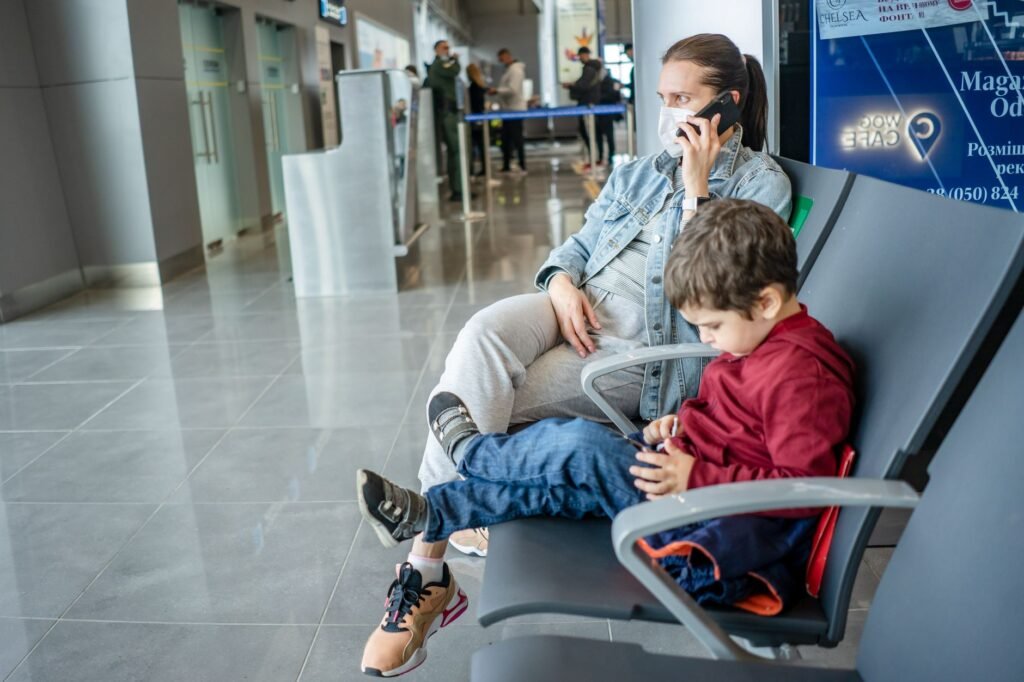
Traveling during the pandemic requires heightened awareness and preparation. Here are several safety measures that vaccinated travelers can take to protect themselves and others:
- Wear masks: When in crowded or enclosed spaces, wearing a mask remains an effective way to reduce the risk of transmission.
- Practice hand hygiene: Regularly wash hands with soap and water or use hand sanitizer with at least 60% alcohol.
- Avoid crowded places: Opt for outdoor activities where possible, and avoid places that are overly crowded.
Additionally, consider using contactless payment methods and digital boarding passes to minimize physical interactions during travel. For example, many airlines now offer mobile check-in services that allow passengers to avoid long lines at the airport.
Traveling by Air: What to Expect
Air travel has significantly changed due to the pandemic. Vaccinated travelers should be prepared for enhanced safety measures at airports and on flights. Airlines are implementing various protocols to ensure passenger safety, including:
- Increased cleaning and disinfecting of aircraft.
- Mandatory mask-wearing for passengers and crew.
- Health screenings at check-in or boarding.
Understanding these measures can help travelers feel more comfortable about flying. For example, travelers should arrive at the airport earlier than usual to allow for additional health screenings and check-in procedures. It’s also wise to check with the airline for any specific requirements or changes to boarding procedures.
Traveling by Road: Best Practices
For those opting to travel by car, road trips present a unique set of considerations. Road travel allows for greater control over your environment, but safety should still be a priority. Here are some best practices for road trips:
- Plan your route in advance and identify rest stops where you can safely take breaks.
- Avoid crowded rest areas and consider packing meals to minimize stops.
- Ensure your vehicle is in good condition to avoid breakdowns during your trip.
Additionally, make sure to keep an emergency kit in your vehicle, including first aid supplies, water, and snacks. This can be particularly useful if you find yourself in an area with limited access to services.
Staying Informed: Resources and Updates
Staying informed about changes in travel guidelines is crucial for planning a safe trip. The CDC’s website is a primary resource for updates on vaccination requirements and travel advisories. Additionally, local health departments can provide information specific to your destination.
Travelers should also consider subscribing to alerts from their airline or travel service provider to receive real-time updates regarding changes in policies. This proactive approach can help ensure travelers are prepared for any unexpected changes or requirements.

Vaccination Verification: What You Need to Know
Understanding Vaccine Passports
As vaccination rates increase, many states and businesses are implementing vaccine passport systems to facilitate safe access to various venues. Vaccine passports are digital or physical documents that confirm an individual has been vaccinated against COVID-19. These passports can be critical for entry into events, restaurants, and other social settings where proof of vaccination is required.
Different states have adopted varying approaches to vaccine passports, and travelers should research the specific requirements of their destination. Some states may not require a passport, while others may accept specific apps or documentation. Here are key points to consider:
- Verify if your destination state has a vaccine passport requirement.
- Check if your vaccination card meets the criteria for acceptance.
- Consider downloading a digital vaccine passport app if available.
Documenting Your Vaccination Status
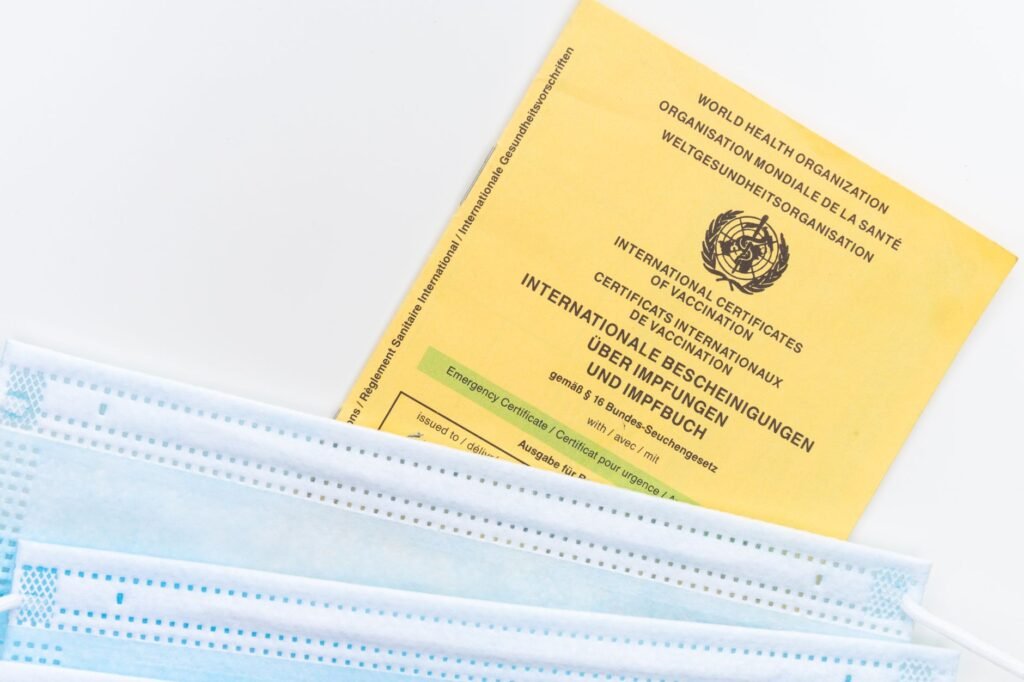
It’s essential to carry documentation that verifies your vaccination status while traveling. Most travelers receive a vaccination card as proof of their vaccination, which contains vital details such as the type of vaccine received, the date of administration, and the administering organization. To ensure your vaccination record is always accessible, consider the following:
- Keep a physical copy of your vaccination card in a safe place.
- Take a clear photo of your vaccination card and store it on your phone.
- Consider using a secure digital health record service to store your vaccination information.
Handling Lost or Damaged Vaccination Cards
In cases where travelers misplace their vaccination cards or experience damage, obtaining a replacement is crucial. Most states provide a straightforward process for getting a new card, typically through the health department or the vaccination provider. Travelers can follow these steps to retrieve their vaccination information:
- Contact the healthcare provider or pharmacy where you received the vaccine.
- Visit your state’s health department website for guidance on how to obtain a replacement card.
- Check if your vaccination record is available through your state’s immunization information system online.
Traveling with Children: Vaccination and Requirements
Current Vaccination Guidelines for Minors
Traveling with children requires special consideration, especially regarding vaccination status. The CDC currently recommends that eligible children receive the COVID-19 vaccine to protect themselves and others. However, it’s essential to be aware of the age requirements and the current vaccination guidelines, which may vary by state. Parents planning travel should:
- Check the age eligibility for vaccination in their state or destination.
- Be aware of any testing requirements for unvaccinated children.
- Ensure that all children have appropriate documentation of their vaccination status, if applicable.
Testing Requirements for Unvaccinated Children
For families traveling with unvaccinated children, it’s crucial to understand the testing requirements that may be in place. Many destinations and modes of transportation have specific policies for unvaccinated minors. Here are some practical tips:
- Review the latest testing requirements for your travel destination, especially if flying.
- Schedule COVID-19 tests for your children in advance, as some locations may require results within a specific time frame.
- Keep a copy of the negative test results accessible during travel.
Travel Safety Tips for Families
Traveling with children during the pandemic requires extra precautions to ensure everyone’s safety. Parents should implement several strategies to make the journey smoother and safer:
- Explain the importance of wearing masks and practicing social distancing to children in an age-appropriate manner.
- Pack hand sanitizers and disinfectant wipes for use during travel.
- Plan for breaks and outdoor activities to minimize indoor exposure and reduce stress for children.

Post-Travel Considerations: What to Do After Your Trip
Self-Monitoring and Symptoms
After returning home from travel, it’s vital to monitor your health for any symptoms related to COVID-19. The CDC recommends that vaccinated travelers self-monitor for at least 14 days after returning from a trip, even if they feel fine. Symptoms may include fever, cough, shortness of breath, and loss of taste or smell. Here’s how to effectively self-monitor:
- Take your temperature daily to check for fever.
- Be aware of any changes in your health, especially respiratory symptoms.
- Keep track of your symptoms and contact a healthcare provider if any arise.
Testing Recommendations After Travel
While vaccinated travelers have a lower risk of contracting and spreading COVID-19, testing is still recommended following travel. The CDC advises that travelers consider getting tested 3-5 days after returning, even if they do not have symptoms. Here are some testing tips:
- Find a nearby testing location that offers the type of test you may need.
- Schedule your test promptly after returning home.
- Follow all instructions provided by the testing facility for accurate results.
Quarantine Recommendations
Generally, vaccinated travelers are not required to quarantine upon return unless they develop symptoms or test positive for COVID-19. However, it’s prudent to stay informed about any local regulations that may differ. Here are some key points regarding quarantine:
- Check local health department guidelines for any quarantine requirements.
- If symptoms develop or you test positive, follow isolation protocols as recommended.
- Stay updated on any changes in quarantine rules as the situation evolves.
Frequently Asked Questions
Do I need to get tested for COVID-19 if I am vaccinated?
Generally, vaccinated individuals are not required to get tested before or after domestic travel unless mandated by specific states or local regulations. However, it is recommended to monitor for symptoms and consult local guidelines.
What if I lose my vaccination card while traveling?
If you lose your vaccination card, contact the vaccine provider where you received your shot. They may be able to provide a replacement or alternative documentation to prove your vaccination status.
Are there travel restrictions for unvaccinated travelers?
Yes, many states have implemented specific restrictions for unvaccinated travelers, including testing requirements and quarantine mandates. It is essential to check the guidelines for your destination.
What should I do if I develop symptoms while traveling?
If you develop symptoms of COVID-19 while traveling, it is advised to self-isolate and seek medical attention. Additionally, consider getting tested for COVID-19 as soon as possible.
The Bottom Line
Traveling in the USA as a vaccinated individual offers greater freedom and flexibility, but it is important to remain informed about the latest CDC guidelines and state-specific regulations. By following safety measures, staying updated on travel advisories, and preparing adequately for your trip, you can enjoy a safe and fulfilling travel experience.
Visa rules, prices and opening times change. Always confirm details with official sources before you travel.