Exploring the Westfjords of Iceland: A Practical Guide
Discover the guide to Westfjords Iceland, including travel tips, best sights, and practical advice for an unforgettable adventure.
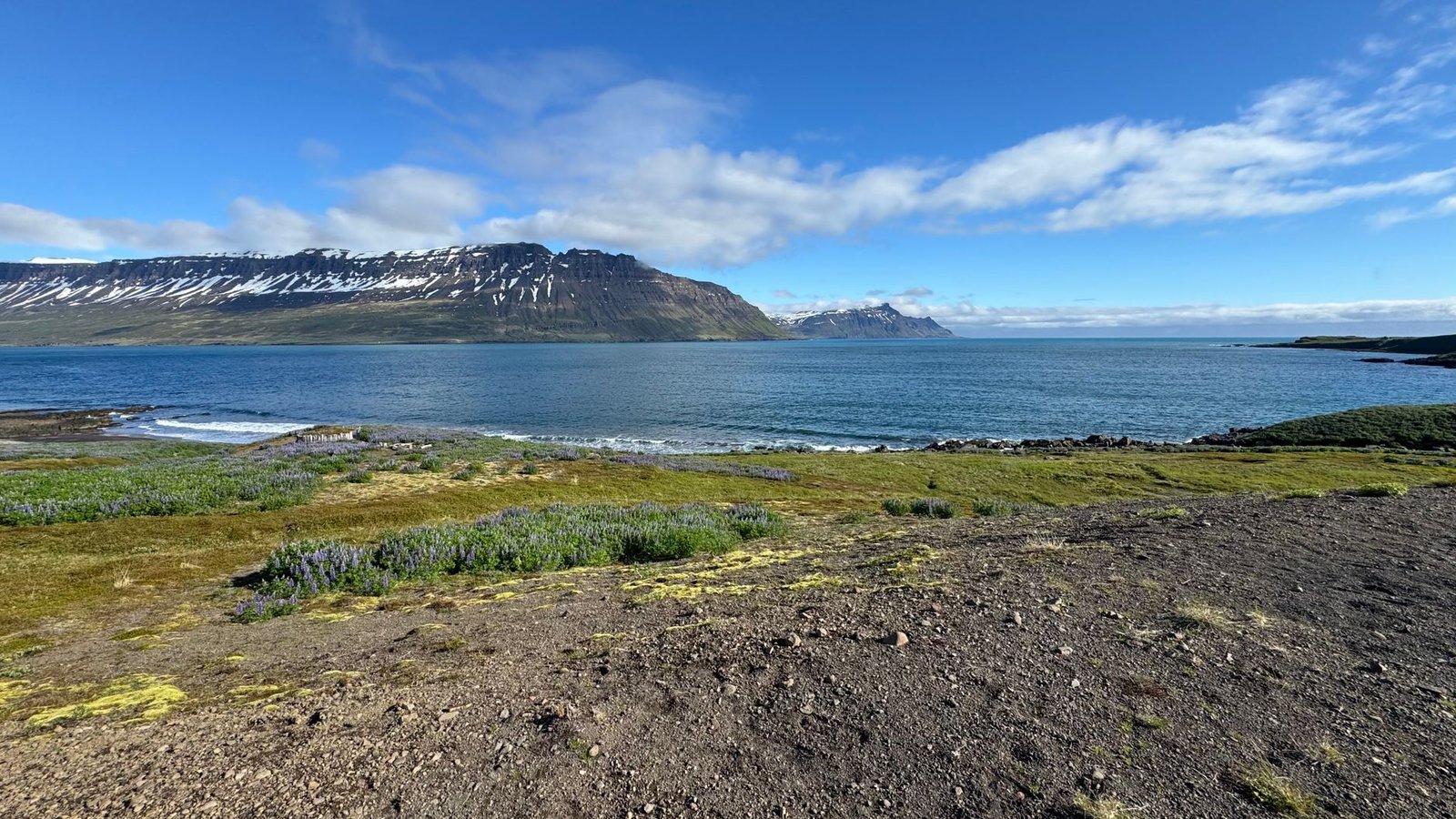
The Westfjords of Iceland, a remote and rugged peninsula, offer a unique glimpse into one of the country’s most breathtaking landscapes. With dramatic cliffs, serene fjords, and charming villages, this region is perfect for travelers seeking adventure and natural beauty away from the more crowded tourist spots. This guide to Westfjords Iceland will help you navigate through its stunning scenery, cultural highlights, and practical tips for making the most of your visit.
Though often overlooked in favor of the Golden Circle or the South Coast, the Westfjords are home to some of Iceland’s most spectacular sights. From dramatic waterfalls to vast nature reserves, the region presents opportunities for hiking, birdwatching, and soaking in hot springs. With only a handful of towns and limited infrastructure, planning is essential for a successful trip to this remote area.
Whether you’re planning a short visit or a longer stay, this guide will provide you with valuable information on how to explore the Westfjords, including when to visit, what to see, and how to stay safe while enjoying the great outdoors. Let’s embark on this journey through one of Iceland’s hidden gems!
Getting There
Reaching the Westfjords can be an adventure in itself, but the journey is well worth the effort. The main access point is from Reykjavik or Akureyri, with several options for reaching the peninsula.
By Car
The most common way to reach the Westfjords is by car. Renting a vehicle gives you the flexibility to explore at your own pace, allowing you to stop at scenic viewpoints and hidden gems along the way. The drive from Reykjavik takes approximately 5-6 hours, depending on your route. You can take the Ring Road (Route 1) and then head north on Route 60, which leads you into the Westfjords area.
- Route 1: This scenic drive offers stunning landscapes and natural beauty, making it a perfect start to your Westfjords adventure.
- Route 60: Take this road from the town of Borgarnes to reach the Westfjords, passing through mountains and valleys.
- Ferry Options: Alternatively, you can drive to Stykkishólmur and take a ferry to Brjánslækur, which is a scenic and relaxing way to enter the Westfjords.
By Bus
For those who prefer not to drive, bus services operate from Reykjavik to various towns in the Westfjords. While this option may take longer, it allows you to sit back and enjoy the scenery without the stress of navigation. Be sure to check the schedules as they can vary, especially during the off-peak season.
By Air
Another option is to fly into Ísafjörður, the largest town in the Westfjords. Domestic flights are available from Reykjavik and can save you time, especially if you are short on days. However, flight availability can be limited, so check ahead and book early.

Best Time to Visit
Choosing the right time to visit the Westfjords can significantly impact your experience. The region has a subarctic climate, characterized by cool summers and cold winters. Here’s a breakdown of what to expect by season:
Summer (June to August)
Summer is the most popular time to visit the Westfjords. With long daylight hours and milder temperatures (averaging 10-15°C), it’s perfect for outdoor activities such as hiking, birdwatching, and exploring the fjords. The roads are generally accessible, and many attractions are open. However, expect more tourists during this peak season.
- Daylight: Enjoy nearly 24 hours of daylight, making it easy to explore.
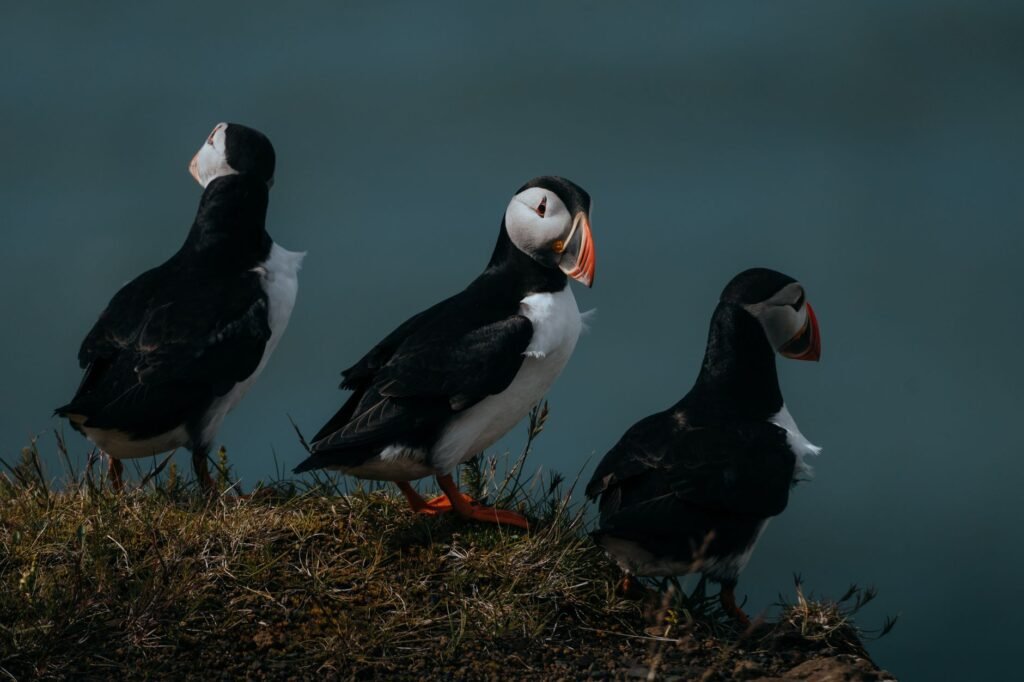
- Wildlife: This is the best time for birdwatching, with puffins and other seabirds nesting along the cliffs.
- Festivals: Look out for local festivals that celebrate Icelandic culture and traditions.
Autumn (September to October)
Autumn can be a magical time in the Westfjords as the foliage changes color and the summer crowds thin out. Temperatures start to drop, averaging around 5-10°C, so be prepared for cooler weather. This season is ideal for photographers looking to capture the stunning landscapes in softer light.
- Fewer Tourists: Enjoy a more peaceful experience as many tourists leave after the summer.
- Harvest Season: Visit local farms and markets to taste fresh produce and traditional Icelandic foods.
- Northern Lights: As the nights grow longer, you may catch a glimpse of the aurora borealis.
Winter (November to March)
Winter transforms the Westfjords into a snowy wonderland, perfect for those seeking solitude and winter activities. However, be aware that many roads may be closed due to snow, and temperatures can drop to -5°C or lower. Winter sports enthusiasts can enjoy skiing and snowshoeing in the region.
- Winter Activities: Try skiing in the nearby mountains or snowshoeing through the peaceful landscapes.
- Hot Springs: Warm up in natural hot springs, such as the one at Hellulaug, surrounded by snow.
- Wildlife Viewing: This is a great time for spotting seals along the coasts.
Top Attractions in the Westfjords
The Westfjords boast an array of natural wonders and cultural sites. Here are some must-visit attractions that should be on your itinerary:
1. Látrabjarg Cliffs
Látrabjarg, one of the highest bird cliffs in Europe, is a paradise for birdwatchers. The cliffs rise 440 meters above the ocean and stretch for approximately 14 kilometers. Here, you can see thousands of seabirds, including puffins, guillemots, and razorbills.
- Accessibility: The cliffs are accessible by car, with a parking area nearby. A short hike will take you to the viewing points.
- Photography: Capture stunning photos of the birds and the dramatic coastline.
- Safety: Stay behind the safety barriers, as the cliffs can be steep and dangerous.
2. Dynjandi Waterfall
Dynjandi, often referred to as the jewel of the Westfjords, is a series of waterfalls that cascade down a mountain in a stunning display. The main waterfall drops 100 meters, and its shape resembles a bridal veil.
- Hiking: A short hike from the parking area leads to the base of the waterfall, where you can appreciate its beauty up close.
- Scenic Views: The surrounding landscapes provide numerous opportunities for photography and exploration.
- Visitor Center: Make sure to stop by the nearby visitor center for information and tips on the area.
3. Ísafjörður Town
Ísafjörður is the largest town in the Westfjords and serves as a great base for exploring the region. The town boasts charming wooden houses, a lively cultural scene, and museums that showcase local history.
- Culture: Visit the Westfjords Heritage Museum to learn about the area’s fishing history and culture.
- Shopping and Dining: Enjoy local cuisine at restaurants and cafes, offering fresh seafood and Icelandic delicacies.
- Day Trips: Use Ísafjörður as a base for day trips to nearby attractions like the Hornstrandir Nature Reserve.
Outdoor Activities
The Westfjords are a haven for outdoor enthusiasts, offering a wide range of activities that allow you to immerse yourself in nature. Here are some of the top activities to consider during your visit:
Hiking
With its rugged terrain and stunning landscapes, the Westfjords are perfect for hiking. There are numerous trails ranging from easy walks to challenging hikes.
- Hornstrandir Nature Reserve: Explore this remote area known for its pristine nature, wildlife, and hiking trails.
- Rauðisandur Beach: Hike to this unique red sand beach, where the contrasting colors of sand and ocean create a mesmerizing view.
- Local Trails: Many towns have well-marked trails that lead to scenic viewpoints and hidden gems.
Birdwatching
The Westfjords are one of the best places in Iceland for birdwatching. The cliffs and coastal areas are home to numerous species.
- Puffins: Visit the Látrabjarg cliffs during summer to see puffins nesting along the shore.
- Seabirds: Other seabird species are abundant, making this a paradise for bird lovers.
- Guided Tours: Consider joining a guided birdwatching tour for an expert’s insight into the local avifauna.
Whale Watching
The waters surrounding the Westfjords are rich in marine life, making it a prime location for whale watching. From April to September, you can spot various species, including minke whales and orcas.
- Tour Operators: Several local companies offer boat tours that enhance your chances of seeing whales.
- Best Locations: Areas around Ísafjörður and the nearby fjords are recommended for whale watching.
- Respect Wildlife: Always follow guidelines to ensure the safety and well-being of the animals.

Where to Stay
Accommodation options in the Westfjords vary from hotels and guesthouses to camping and cabins. Here are some recommendations based on different preferences:
Hotels and Guesthouses
For those looking for comfort, several hotels and guesthouses offer a pleasant stay in the region.
- Ísafjörður: The Hotel Ísafjörður provides a central location with modern amenities and easy access to local attractions.
- Súðavík: The Guesthouse Hrafnseyri offers cozy accommodations with stunning views of the surrounding mountains.
- Patreksfjörður: Hotel Patreksfjörður has a variety of room types and is close to many outdoor activities.
Camping
Camping is a popular option for those wanting to immerse themselves in nature. There are several campsites throughout the Westfjords.
- Ísafjörður Campsite: Located near the town center, this campsite offers facilities and easy access to local amenities.
- Dynjandi Campsite: Set in a picturesque location near the waterfall, it’s an ideal spot for nature lovers.
- Rauðisandur Beach: Camp right by the beach for a unique experience and spectacular views.
Cabins and Cottages
If you’re looking for a more private experience, consider renting a cabin or cottage. Many options are available, ranging from rustic to modern.
- Airbnb: Check platforms like Airbnb for unique stays, including traditional Icelandic cabins.
- Local Rentals: Some local companies offer cabin rentals that provide a home-like experience.
- Remote Locations: For those seeking solitude, look for cabins in remote locations with stunning views and tranquility.

Safety Tips
While the Westfjords are a beautiful destination, it’s essential to prioritize safety during your travels. Here are some key safety tips to keep in mind:
Weather Awareness
The weather in the Westfjords can be unpredictable. Always check forecasts before heading out, and be prepared for sudden changes.
- Dress in Layers: Wear layers to stay warm and dry, as temperatures can vary greatly.
- Stay Informed: Check local weather reports and heed any warnings or advisories.
- Plan Accordingly: If weather conditions are severe, consider postponing outdoor activities.
Traveling in Remote Areas
Some parts of the Westfjords are remote, with limited cell service and facilities. Here are some tips for staying safe:
- Inform Someone: Always let someone know your travel plans, especially if hiking in remote areas.
- Emergency Kit: Carry an emergency kit with essentials like food, water, and a first aid kit.
- Navigation Tools: Use physical maps and GPS devices, as cell service may be unreliable.
Wildlife Encounters
While wildlife can be a highlight of your trip, it’s crucial to respect their space and safety.
- Keep Distance: Observe wildlife from a distance and never approach them.
- Follow Guidelines: Adhere to local guidelines to ensure both your safety and that of the animals.
- Be Cautious: If hiking, be aware of your surroundings, especially in areas known for wildlife activity.
Frequently Asked Questions
What are the must-see natural attractions in the Westfjords?
Some top natural attractions include Dynjandi Waterfall, Látrabjarg Cliffs, and Rauðisandur Beach. Each offers unique landscapes and opportunities for exploration.
Is it safe to drive in the Westfjords?
Driving in the Westfjords can be safe, but caution is necessary, especially in winter. Be aware of road conditions, and consider a 4×4 vehicle for more remote areas.
How many days should I spend in the Westfjords?
A minimum of 3-5 days is recommended to explore the highlights of the Westfjords. If you enjoy outdoor activities, consider extending your stay to fully appreciate the region.
Are there any guided tours available?
Yes, several companies offer guided tours in the Westfjords, including birdwatching, whale watching, and hiking. These can enhance your experience and provide valuable insights.
The Bottom Line
The Westfjords of Iceland are a treasure trove of natural beauty and adventure waiting to be explored. With proper planning and an open mind, travelers can experience the stunning landscapes, rich wildlife, and unique culture of this remote region. Whether you’re hiking the rugged cliffs, relaxing in a hot spring, or simply soaking in the breathtaking views, the Westfjords offer an unforgettable experience that showcases the true essence of Iceland.
Visa rules, prices and opening times change. Always confirm details with official sources before you travel.