Antarctica Vs Arctic: Key Differences and Travel Insights
Explore the key differences between Antarctica vs Arctic, from climates to wildlife, and find practical travel tips for your next adventure.
When it comes to exploring the extremes of our planet, few destinations spark as much curiosity as Antarctica and the Arctic. Though they are often thought to be similar due to their frigid climates and icy landscapes, these two regions are remarkably different in geography, wildlife, and the experiences they offer to travelers.
This article will explore the key distinctions between Antarctica and the Arctic, providing practical travel insights for those considering a journey to either of these breathtaking locations. From the best times to visit to what you can expect to see, we aim to equip you with the knowledge needed for an unforgettable adventure.
Whether you’re drawn to the majestic icebergs of Antarctica or the unique wildlife of the Arctic, understanding the differences can help you make an informed choice about where to go. Let’s embark on this fascinating comparison.
Geographical Differences
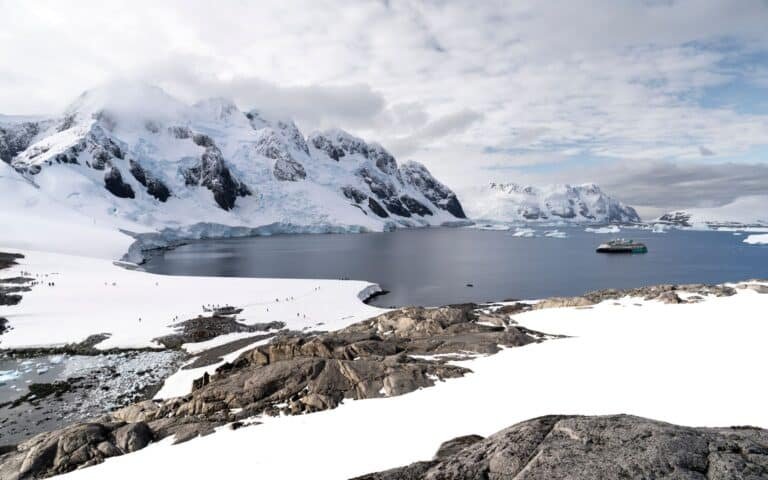
One of the most significant distinctions between Antarctica and the Arctic is their geographical makeup. Antarctica is a vast continent located at the southernmost part of the Earth, while the Arctic is primarily an ocean encircled by landmasses, including parts of Canada, Russia, Greenland, and Scandinavia.
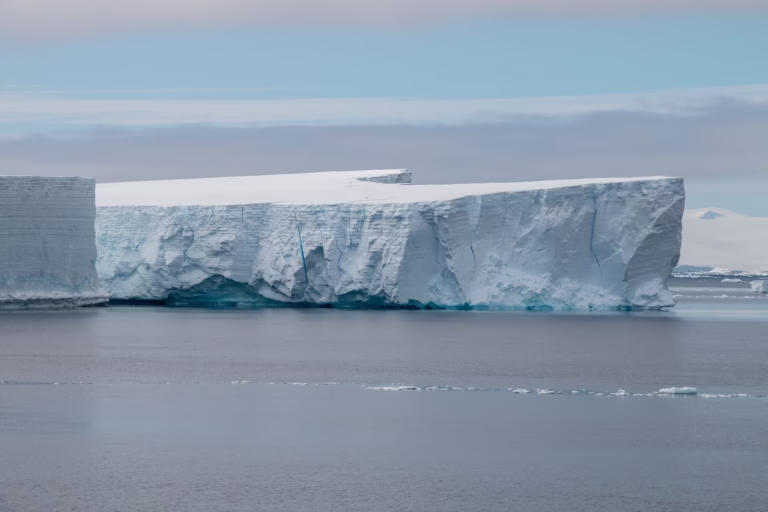
The Antarctic continent is approximately 14 million square kilometers, making it the fifth-largest continent. It is covered by thick ice sheets that can be more than four kilometers deep in some areas. In contrast, the Arctic Ocean is much smaller, approximately 15 million square kilometers, but it is surrounded by several countries, creating a diverse topographical area that includes tundra, mountains, and forests.
- Antarctica: A landmass with a diverse topography, dominated by ice sheets.
- Arctic: An ocean surrounded by land, featuring various ecosystems and climates.
- Climate: Antarctica is colder and drier than the Arctic, with temperatures often plunging below -60°C, while the Arctic experiences milder conditions.

Wildlife Variations
The wildlife of these two regions is another major point of difference. Antarctica is famously home to a variety of penguin species, including the Emperor and Adélie penguins, which thrive in its icy environment. Additionally, you can find seals, such as the Weddell and leopard seals, and numerous seabirds like albatrosses and petrels.
In contrast, the Arctic is renowned for its iconic polar bears, which rely on sea ice to hunt seals. Other wildlife includes Arctic foxes, reindeer, and migratory birds. The food chain is more varied in the Arctic due to its mix of marine and terrestrial ecosystems.
- Antarctica: Penguins, seals, and seabirds dominate.
- Arctic: Polar bears, Arctic foxes, and a variety of migratory birds.
- Marine Life: Both regions boast rich marine biodiversity, but species differ significantly.
Climate Conditions
The climate in Antarctica is characterized by extreme cold and dryness. The interior of the continent is classified as a polar desert, receiving very little precipitation. Coastal areas can be slightly milder, but wind chill can make temperatures feel even colder.
In contrast, the Arctic has a more varied climate, with coastal regions experiencing milder temperatures. The Arctic summer can see temperatures rise above freezing, making it a prime time for wildlife viewing and exploration. However, winters can be harsh, with temperatures plummeting and heavy snowfalls.
| Feature | Antarctica | Arctic |
|---|---|---|
| Temperature Range | -60°C to 0°C | -50°C to 15°C |
| Seasonal Variation | Less variation | More variation |
| Precipitation | Low | Higher in coastal areas |
Best Times to Visit
Choosing the right time to visit either region is crucial for an enjoyable experience. For Antarctica, the best time is during the austral summer, from November to March. During these months, temperatures are relatively mild, and wildlife activity is at its peak. Tour operators offer various cruises and expeditions, allowing visitors to witness the breathtaking scenery and abundant wildlife.
In contrast, the Arctic is best visited in the summer months, from June to August, when temperatures are warmer, and there is continuous daylight. This is the ideal time for sightseeing, wildlife watching, and experiencing the stunning landscapes without the extreme cold.
- Antarctica: Visit between November and March.
- Arctic: Best time is from June to August.
- Activities: Both regions offer unique activities such as kayaking, hiking, and wildlife viewing.
Travel Access and Logistics
Traveling to Antarctica typically requires a cruise, departing from Ushuaia, Argentina, or Punta Arenas, Chile. These cruises can take anywhere from 10 days to several weeks, depending on the itinerary. The adventure often includes crossing the Drake Passage, known for its tumultuous waters. Travelers should prepare for potential seasickness and ensure they have proper gear for cold conditions.
On the other hand, reaching the Arctic can be more flexible. Flights to cities like Tromsø in Norway, Longyearbyen in Svalbard, or Iqaluit in Canada offer various options. Once there, visitors can join guided tours, wildlife safaris, or even stay in unique accommodations like ice hotels or traditional Sami tents.
- Antarctica: Requires cruise ships; prepare for long journeys.
- Arctic: More accessible via flights and land tours.
- Preparation: Proper gear is essential for both regions.

Costs and Budgeting
Traveling to these remote regions can be costly. Antarctic cruises can range from $5,000 to over $15,000 per person, depending on the length of the trip, the level of luxury, and the activities offered. It’s essential to book in advance and consider the peak travel seasons to secure the best rates.
In the Arctic, costs can vary widely. A week-long tour might range from $2,000 to $6,000, depending on the activities included and the accommodation type. Travelers can often find more budget-friendly options in the Arctic compared to Antarctica.
- Antarctica: Expect higher costs; plan and book early.
- Arctic: More budget-friendly options available.
- Activities: Both regions offer unique experiences, adding to costs.
Environmental Considerations
Both Antarctica and the Arctic face significant environmental challenges, primarily due to climate change. Antarctica’s ice sheets are melting at alarming rates, contributing to global sea-level rise. This environmental shift poses a threat not only to the unique ecosystems found there but also to coastal communities worldwide.
The Arctic is similarly affected, with its sea ice retreating and temperatures rising faster than the global average. This change impacts the region’s wildlife, including polar bears and seals, and alters traditional lifestyles for indigenous communities.
Travelers to both regions should prioritize eco-friendly practices, such as minimizing waste, respecting wildlife habitats, and supporting sustainable tourism initiatives.
- Antarctica: Monitor climate change impacts on wildlife.
- Arctic: Engage with local communities to understand environmental changes.
- Travel Responsibly: Support eco-friendly tour operators.

Cultural Experiences and Indigenous Communities
Arctic Indigenous Cultures
The Arctic is home to several indigenous groups, including the Inuit, Sámi, and Chukchi people. These communities have rich traditions that reflect their deep connection to the harsh yet beautiful environment. Travelers to the Arctic can engage in authentic cultural experiences, such as learning traditional hunting techniques, storytelling by local elders, and participating in festivals that celebrate their heritage.
One popular cultural experience is visiting a traditional Inuit village. Here, visitors can observe or participate in activities such as seal hunting or building igloos. Additionally, workshops often teach skills like traditional craft-making, which can include beadwork, carving, or sewing.
- Inuit games: Engaging in traditional Inuit games can provide insight into the community’s history and values.
- Language courses: Some tours include basic lessons in indigenous languages, enhancing your cultural understanding.
- Food tastings: Sampling traditional foods such as seal, whale blubber, or fermented fish can be a daring yet enlightening experience.
Antarctic Research Stations
Antarctica, while largely uninhabited by indigenous people, hosts numerous international research stations. This unique aspect offers travelers a glimpse into the scientific endeavors being conducted on the continent. Many tours provide opportunities to visit these research facilities, allowing visitors to learn about the ongoing studies related to climate change, glaciology, and wildlife conservation.
Engaging with scientists during these visits can lead to fascinating discussions about their work and the challenges they face. Some stations even offer educational programs that include lectures or guided tours, making it a unique chance to connect with the scientific community in one of the most remote places on Earth.
- Common research areas: Oceanography, biodiversity, and climate science are key focuses in many Antarctic research programs.
- Visitor centers: Some research stations have visitor centers with interactive exhibits, showcasing their work and findings.
- Volunteer opportunities: Certain programs allow travelers to assist researchers, providing a deeper involvement in Antarctic science.
Cultural Preservation Efforts
Both regions are actively engaged in preserving their unique cultures and environments. In the Arctic, indigenous communities are working to maintain their languages and traditions in the face of modern challenges. They often collaborate with non-profit organizations and governments to develop programs aimed at cultural preservation.
In Antarctica, the focus is on preserving the natural environment and the integrity of research conducted there. International treaties, like the Antarctic Treaty System, regulate human activity to minimize environmental impact. Travelers can support these efforts by choosing eco-friendly tours that prioritize conservation and sustainability.
- Language revitalization programs in the Arctic aim to teach younger generations their native languages.
- In Antarctica, strict guidelines govern tourist behavior to protect wildlife and habitats.
- Collaborative projects between indigenous groups and scientists promote knowledge sharing and cultural exchange.
Activities and Adventure Options
Outdoor Adventures in the Arctic
The Arctic offers an array of outdoor activities for adventure seekers. From dog sledding across the snow-covered landscapes to ice fishing on frozen lakes, there is no shortage of excitement. These activities not only provide adrenaline-pumping experiences but also a unique way to connect with nature and the local culture.
Dog sledding, for instance, is not just a thrilling ride; it’s a traditional means of transportation for many indigenous communities. Guided tours often include training sessions to learn how to steer the sled and care for the dogs, adding an educational component to the adventure.
- Ice climbing: For the more adventurous, ice climbing on glaciers provides a thrilling challenge.
- Snowmobiling: Explore the vast Arctic wilderness at speed, with guided tours available for all skill levels.
- Photography tours: Capture the stunning landscapes and unique wildlife with specialized photography tours that cater to both amateurs and professionals.
Unique Experiences in Antarctica
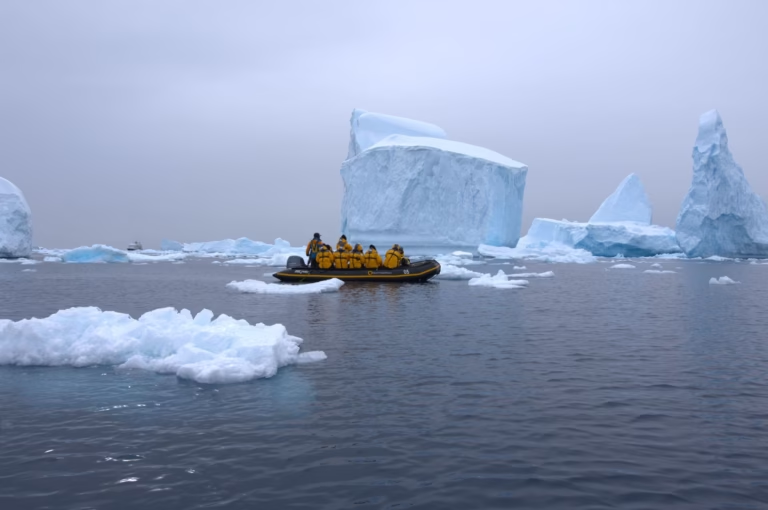
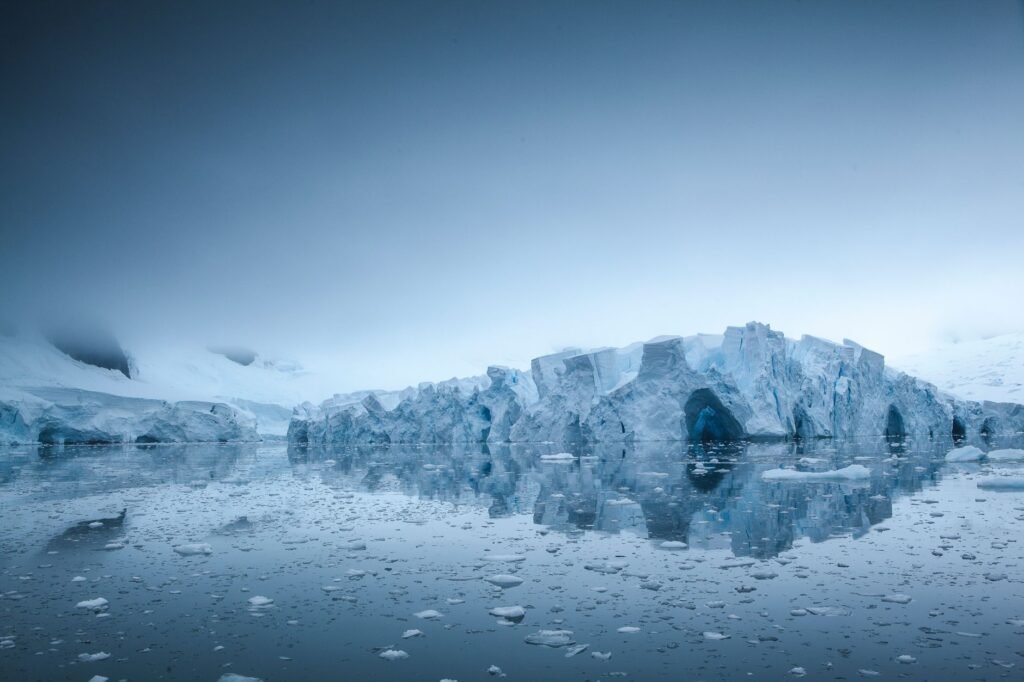
Antarctica is known for its breathtaking beauty and unique experiences. One of the most sought-after activities is visiting the stunning icebergs and glaciers, which can be explored via kayaking or small boat tours. Kayaking allows for a close-up view of these majestic formations and the opportunity to observe wildlife, such as seals and penguins, in their natural habitat.
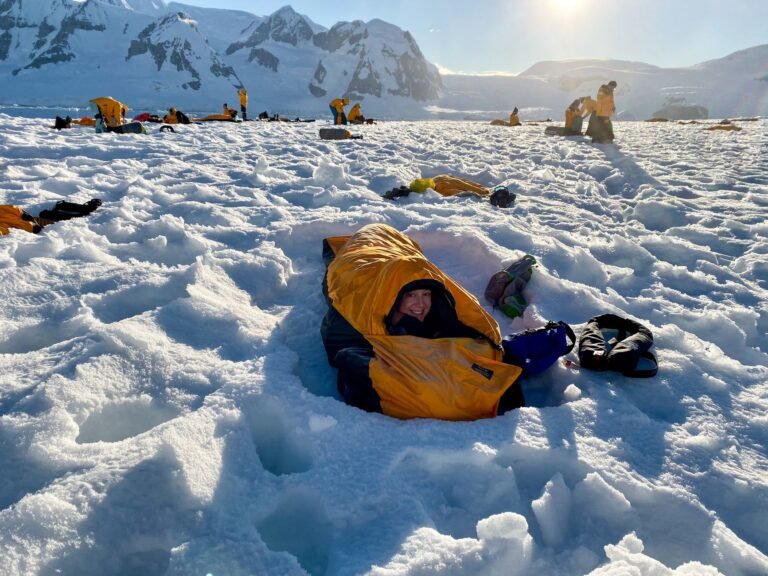
Another unique experience is camping on the ice, offered by some expedition companies. This allows travelers to immerse themselves fully in the Antarctic environment, listening to the sounds of ice cracking and the wildlife around them as they fall asleep under the stars.
- Polar plunges: Brave travelers can take a dip in the icy waters for a memorable experience.
- Wildlife watching: Opportunities abound to see penguins, seals, and even whales during the summer months.
- Scientific expeditions: Join researchers on field trips to participate in data collection and learn about ongoing studies.
Adventure Planning Tips
Planning an adventure to either region requires some considerations to ensure a safe and enjoyable experience. First, travelers should thoroughly research tour operators, looking for those with a strong commitment to safety and environmental protection. Reading reviews and seeking recommendations can also guide your choices.
Additionally, travelers should prepare for the specific conditions of their chosen destination. This includes packing appropriate gear, such as waterproof clothing, insulated layers, and sturdy footwear. It is also advisable to be physically prepared for the activities planned, as some, like ice climbing or dog sledding, can be physically demanding.
- Check equipment: Ensure that all gear is appropriate and in good condition before embarking on your journey.
- Stay informed: Keep up with weather conditions and safety advisories for your travel dates.
- Health precautions: Consult with a healthcare professional regarding any necessary vaccinations or medications before travel.
Conservation Efforts and Challenges
Arctic Conservation Initiatives
The Arctic faces significant environmental challenges, including climate change, oil drilling, and overfishing. Various organizations and governments are actively working on conservation initiatives to protect this fragile ecosystem. Community-led projects often focus on sustainable practices, aiming to balance the needs of local populations with environmental preservation.
One notable initiative is the establishment of protected marine areas, which are designed to conserve critical habitats and biodiversity. Collaborative efforts between indigenous groups and conservation organizations are also vital, as they combine traditional ecological knowledge with modern science to create effective strategies.
- Marine protected areas: Designated regions that restrict certain activities to conserve marine life.
- Wildlife monitoring programs: Initiatives that track animal populations to assess the health of ecosystems.
- Community engagement: Involving local populations in conservation efforts ensures that their needs and knowledge are respected.
Antarctic Environmental Protections
In Antarctica, environmental protection is paramount due to the delicate balance of its ecosystems. The Antarctic Treaty System is a major framework that governs human activity on the continent, promoting scientific research and environmental preservation while prohibiting military activity and mineral mining.
Additionally, the Protocol on Environmental Protection to the Antarctic Treaty establishes guidelines for waste management, wildlife protection, and the conduct of tourism. These regulations aim to minimize human impact and preserve Antarctica for future generations. Tour operators are required to comply with strict environmental standards to operate in this unique environment.
- Waste management protocols: Strict guidelines for handling waste to prevent pollution.
- Wildlife interactions: Regulations that limit human contact with wildlife to avoid disruption.
- Research and monitoring: Ongoing studies to assess the impact of climate change and human activities on the Antarctic environment.
Future Challenges and Opportunities
Both the Arctic and Antarctica face significant future challenges due to climate change, which threatens their ecosystems and indigenous ways of life. Addressing these challenges requires a concerted effort from governments, scientists, and local communities. Increased awareness and advocacy for sustainable practices are essential for preserving these unique regions.
Moreover, as interest in these areas grows, there are opportunities to promote sustainable tourism that benefits both the environment and local communities. By prioritizing eco-friendly practices and supporting local cultures, travelers can play a role in conservation efforts while enjoying the natural beauty of these remarkable regions.
- Promoting sustainable tourism: Encouraging responsible travel practices to protect the environment.
- Supporting local economies: Choosing tours that benefit indigenous communities and their traditional ways of life.
- Advocacy and awareness: Engaging in discussions and actions that promote environmental protection on a global scale.
Frequently Asked Questions
What is the main difference between Antarctica and the Arctic?
The primary difference is that Antarctica is a continent surrounded by ocean, while the Arctic is an ocean surrounded by landmasses. This results in distinct ecosystems and wildlife in each region.
Can I visit both regions in one trip?
While it is technically possible to visit both regions in one trip, it requires careful planning. Travelers often choose to focus on one region due to the logistical challenges and costs associated with both destinations.
What wildlife can I expect to see in each region?
In Antarctica, look for various penguin species, seals, and seabirds. The Arctic is known for polar bears, Arctic foxes, and migratory birds among other species.
Is it safe to travel to these regions?
Traveling to both Antarctica and the Arctic is generally safe with proper precautions. Ensure to travel with reputable tour operators, prepare for harsh weather, and follow environmental guidelines.
The Bottom Line
Antarctica vs Arctic presents a fascinating comparison of two of the world’s most remote and captivating destinations. While Antarctica offers a unique opportunity to explore a vast, icy continent inhabited by penguins and seals, the Arctic provides the chance to experience a rich cultural tapestry alongside its diverse wildlife, including polar bears. Understanding the differences in geography, climate, wildlife, and travel logistics can help you choose the right destination for your next adventure.
Consider your interests and travel style before choosing between Antarctica and the Arctic, as each region offers unique experiences.[/m4p_tip>
Visa rules, prices and opening times change. Always confirm details with official sources before you travel.