Epic Surf Spots in Europe: Discover the Best Waves
Explore epic surf spots in Europe, from Portugal to France, and find the best waves for your next surf adventure.
Europe is not only rich in culture and history, but it also boasts some of the most spectacular surf spots in the world. Whether you are a seasoned surfer or a beginner looking to catch your first wave, Europe offers a diverse range of locations, each with unique characteristics that cater to different skill levels. From the rugged coastlines of Portugal to the picturesque beaches of France, the continent is a treasure trove for surf enthusiasts.
This guide will take you through some of the epic surf spots in Europe, outlining the best locations, tips for getting there, and what to expect. With a mix of stunning scenery and thrilling waves, you will find the perfect destination for your next surf trip.
Before you pack your bags, it’s essential to understand the conditions and seasons that influence surfing in Europe. Each region has its own climate, wave patterns, and local culture, which can greatly enhance your surfing experience.
Top Surf Spots in Portugal
Portugal is often hailed as Europe’s surfing capital, with consistent waves and warm weather making it a go-to destination for surfers year-round. Here are some of the most notable surf spots:
Nazaré
Nazaré is famous for its gigantic waves, attracting surfers from all over the globe. The underwater canyon off the coast creates some of the biggest surfable waves in the world, often reaching heights of over 30 meters. While this spot is primarily for experienced surfers, the spectacle of these waves is worth the visit even for spectators.
- Best Time to Visit: October to March for big waves.
- Skill Level: Advanced only due to extreme conditions.
- Local Tips: Watch from the cliffs for safety and stunning views.
Ericeira
Known as a World Surfing Reserve, Ericeira offers a variety of beaches catering to different skill levels. The town is vibrant, with a laid-back atmosphere and plenty of surf schools for beginners. Famous spots like Ribeira d’Ilhas and Praia do Norte provide excellent waves and breathtaking scenery.
- Best Time to Visit: September to November for optimal conditions.
- Skill Level: All levels, with options for beginners to advanced surfers.
- Local Tips: Try local seafood after a long day of surfing.
Arrifana
This hidden gem located in the Algarve region offers stunning cliff views and good waves for intermediate surfers. The beach is less crowded than other spots, allowing for a more relaxed surfing experience.
- Best Time to Visit: Spring and fall for smaller, manageable waves.
- Skill Level: Intermediate surfers will enjoy the challenge.
- Local Tips: Explore nearby hiking trails for panoramic views of the coastline.
France: A Surfing Paradise
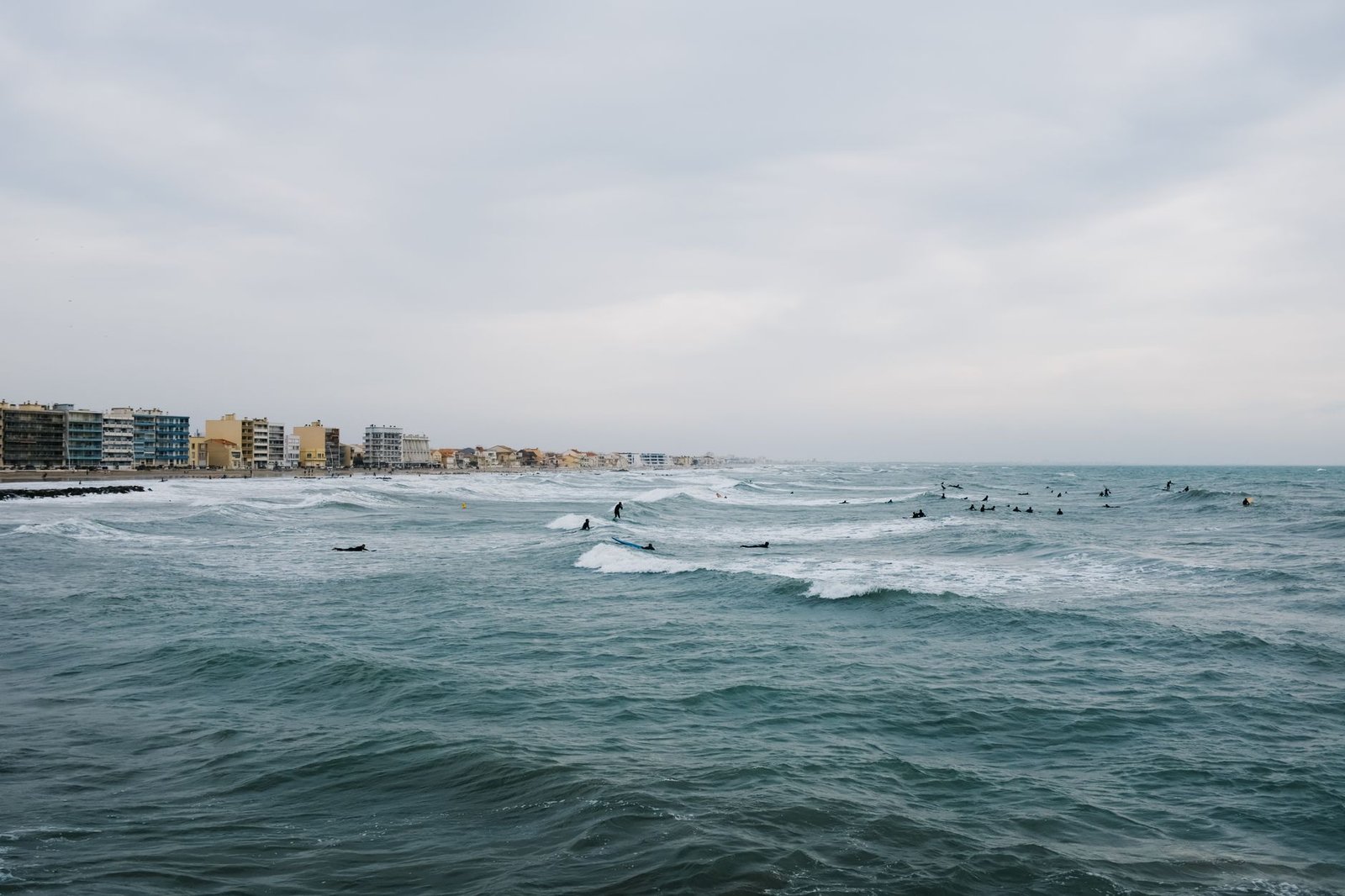
France’s coastline offers a mix of beach breaks and reef breaks, making it a prime surfing destination. The surf culture here is vibrant, with many surf schools and shops available. Below are some of the top spots:
Biarritz
Biarritz is often regarded as the birthplace of surfing in Europe. The beaches here offer consistent waves and a lively atmosphere. The Grand Plage is ideal for beginners, while La Côte des Basques is favored by more experienced surfers.
- Best Time to Visit: June to September for warm weather and good waves.
- Skill Level: All levels catered for.
- Local Tips: Visit the local surf shops for rentals and lessons.
<h3Hossegor
Famed for its powerful beach breaks, Hossegor hosts several international surfing competitions every year. The waves here can be quite challenging, making it more suitable for advanced surfers. However, the surrounding area is beautiful and worth exploring.
- Best Time to Visit: Autumn for the biggest swells.
- Skill Level: Advanced surfers recommended.
- Local Tips: Check the surf forecast to catch the best conditions.
La Gravière
This spot is known for its powerful and hollow waves, perfect for advanced surfers looking for a thrill. The beach can get crowded during peak season, so arriving early is advisable.
- Best Time to Visit: October to April for the best swells.
- Skill Level: Advanced surfers only due to challenging conditions.
- Local Tips: Take time to explore nearby cafes for delicious local cuisine.
Spain: Surfing the Atlantic
Spain’s northern coastline along the Atlantic Ocean is home to some fantastic surf spots. The Basque Country and Cantabria are particularly known for their surf-friendly beaches.
San Sebastián
San Sebastián combines beautiful beaches with great surf conditions. La Zurriola beach is popular among surfers and offers a lively atmosphere with many surf schools available for lessons.
- Best Time to Visit: Late spring and early fall for favorable conditions.
- Skill Level: All levels welcome.
- Local Tips: Don’t miss out on the local pintxos bars after a day in the water.
Somocuevas
A lesser-known gem, Somocuevas is perfect for those seeking a quieter surf spot. With beautiful scenery and a more relaxed vibe, this beach is great for intermediate surfers.
- Best Time to Visit: Spring to fall for the best waves.
- Skill Level: Intermediate surfers will feel at home.
- Local Tips: Bring snacks, as amenities are limited.
Playa de las Catedrales
Famous for its stunning rock formations, this beach offers unique surfing conditions. While the waves can be hit or miss, the overall experience is unforgettable.
- Best Time to Visit: Summer for calmer seas.
- Skill Level: All levels can enjoy this beach.
- Local Tips: Visit at low tide for the best views of the rock formations.

Surfing in the UK and Ireland
While the UK and Ireland may not be the first places that come to mind for surfing, they offer some stunning spots with excellent waves. The weather can be unpredictable, but dedicated surfers often find the rewards worth the challenge.
Fistral Beach, Cornwall
Fistral Beach is known for hosting several surf competitions and is a popular destination for surfers of all skill levels. The beach is sandy, providing a great environment for both learning and riding waves.
- Best Time to Visit: Autumn for consistent swells.
- Skill Level: All levels can surf here.
- Local Tips: Check out local surf schools for lessons and rentals.
Bundoran, Ireland
Bundoran is a surf town known for its friendly locals and great waves. It offers a variety of surf breaks suited for both beginners and experienced surfers.
- Best Time to Visit: September to May for the best surfing conditions.
- Skill Level: All levels can find suitable waves.
- Local Tips: Visit the local surf shop for guides and gear.
Thurso East, Scotland
Thurso East is famous for its powerful waves and is often considered one of the best surfing spots in the UK. The cold waters and challenging conditions make it more suited for advanced surfers.
- Best Time to Visit: Autumn and winter for the largest swells.
- Skill Level: Advanced surfers only.
- Local Tips: Dress warmly and be prepared for colder conditions.
Surfing Safety and Etiquette
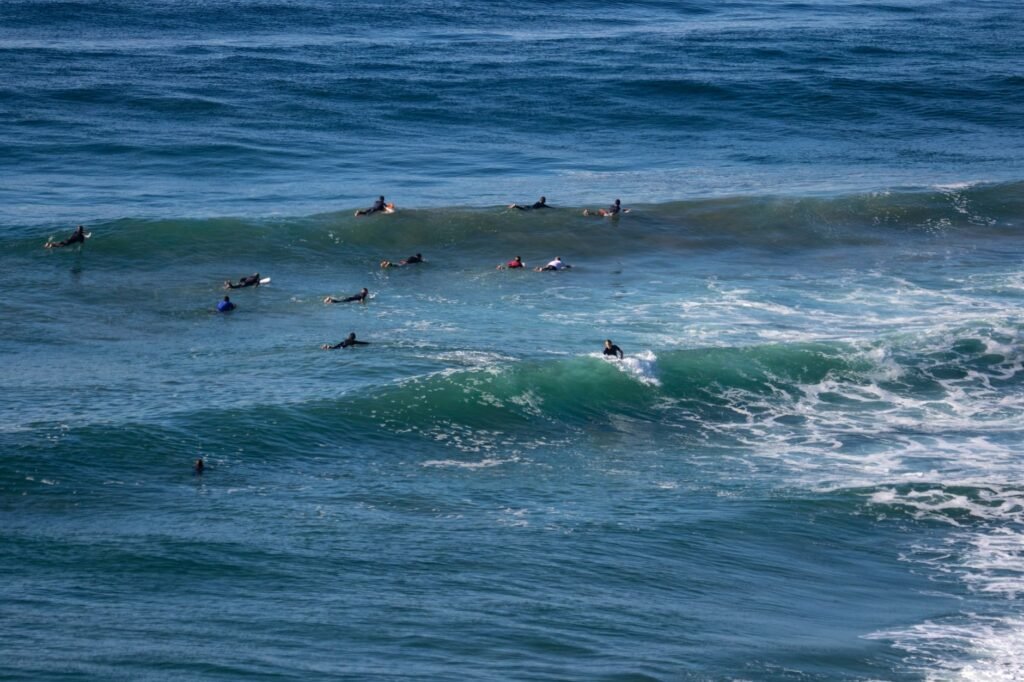
Surfing is an exhilarating sport, but it’s essential to prioritize safety and follow local etiquette to ensure an enjoyable experience for everyone involved. Here are some tips:
Safety First
- Know Your Limits: Always surf within your ability and avoid dangerous conditions.
- Stay Aware: Be mindful of other surfers and swimmers around you.
- Check Conditions: Always check local surf reports and weather conditions before heading out.
Surf Etiquette
- Respect Others: Give priority to the surfer closest to the peak of the wave.
- Don’t Drop In: Avoid paddling for a wave when someone else is already riding it.
- Be Courteous: A friendly nod or wave can go a long way in building a positive surf community.

Surf Culture in Europe: A Deep Dive
The Evolution of Surfing in Europe
Surfing in Europe has a rich and diverse history that dates back to the early 20th century. Initially, it was introduced by American surfers in places like the beaches of Biarritz, France, and the coast of Cornwall, UK. The sport quickly gained popularity, and by the 1960s, it had evolved into a significant aspect of youth culture, influencing fashion, music, and lifestyle across Europe.
As surfing spread, local communities began to develop their own identities and styles. This resulted in a unique blend of traditional surf culture with local customs and practices. For instance, in Portugal, surfers have adopted the concept of ‘saudade,’ which reflects a deep emotional connection to the ocean, shaping their surfing experiences.
Surf Competitions and Events
Europe hosts a variety of surf competitions and festivals that showcase both local talent and international surfers. Events like the World Surf League (WSL) competitions in Portugal and France draw thousands of spectators each year, highlighting the continent’s significance in the global surfing scene.
- WSL Championships: Held annually at premier surf spots like Peniche and Hossegor.
- Surf Festivals: Events such as the Boardmasters festival in Cornwall blend surfing with music and arts.
- Local Competitions: Many regions host smaller contests that encourage community participation and support local surfers.
These competitions not only promote the sport, but they also foster a sense of community among surfers. They provide opportunities for networking, sponsorship, and exposure to new talents and techniques.
Surfing Gear: What You Need for European Waves
Choosing the Right Board
Selecting the proper surfboard is crucial for maximizing your enjoyment and performance in the diverse conditions found across Europe. Different surf spots require different board types, and understanding these can make all the difference.
- Shortboards: Best for experienced surfers, ideal for fast and steep waves found in places like Hossegor.
- Longboards: Great for beginners and those looking to ride smaller, slower waves, perfect for locations like Porthcawl in Wales.
- Fish Boards: A versatile choice that can handle various conditions, common in Portugal’s surf scene.
When selecting a board, consider your skill level, the type of waves you will be surfing, and your personal style. Many surf shops in popular destinations offer rental options, allowing you to test different boards before making a purchase.
Wetsuits: Essential for Comfort and Safety
Given the varying water temperatures across Europe, a good wetsuit is essential for a comfortable surfing experience. The waters in places like the UK and Ireland can be quite chilly, especially during the winter months, making a high-quality wetsuit a necessity.
- Thickness: Wetsuits come in various thicknesses (3/2mm, 4/3mm, etc.) depending on the season and water temperature.
- Fit: Ensure the wetsuit fits snugly without restricting movement to maintain warmth and flexibility.
- Type: Consider whether you need a full suit, shorty, or a spring suit based on the conditions.
Investing in a wetsuit that suits your surfing environment will enhance your experience, allowing for longer sessions in the water without discomfort.
Surfing Destinations Beyond the Waves
Exploring Local Cultures and Activities
Surfing is not just about riding the waves; it’s also an opportunity to immerse yourself in local cultures. Many surfing destinations in Europe offer a wealth of activities that enhance the overall experience. For instance, after a day on the water, you can explore local cuisine, music, and art.
- Food: Try fresh seafood in Portugal or traditional crêpes in France, which can be found near popular surf spots.
- Music Festivals: Many surf towns host local music festivals that celebrate the unique culture of the area.
- Art and Surf: Explore surf art galleries and local artisan shops that highlight the intersection of surfing and creativity.
Participating in these activities can provide a deeper understanding of the region’s culture and community, making your surfing trip more enriching.
Environmental Initiatives and Conservation Efforts
As surfing becomes increasingly popular, the need for environmental awareness grows. Many European surf communities are actively involved in conservation efforts to protect the beaches and oceans from pollution and overdevelopment.
- Beach Clean-ups: Join local surfers in organized clean-up events to keep the beaches pristine.
- Sustainability Practices: Many surf schools and camps promote eco-friendly practices, from using biodegradable materials to supporting local conservation efforts.
- Awareness Campaigns: Participate in campaigns that educate surfers and locals about the importance of protecting marine life and ecosystems.
Engaging in these initiatives not only helps preserve the surf spots you love but also fosters a sense of responsibility among the surfing community.
Frequently Asked Questions
What is the best time to surf in Europe?
The best time to surf in Europe varies by location. Generally, the autumn months from September to November are ideal for most surf spots, as swells are consistent and crowds are smaller.
Do I need to rent or buy equipment?
If you are new to surfing, renting equipment is often the best choice. Most surf schools provide gear for beginners. If you are more experienced, you might want to bring your own board and wetsuit.
Are surf schools available at all surf spots?
Most popular surf spots in Europe offer surf schools with qualified instructors. These schools often provide lessons, equipment rentals, and guided surf sessions.
Is surfing safe for beginners?
Yes, surfing can be safe for beginners if proper precautions are taken. Lessons with certified instructors and surfing in beginner-friendly areas are recommended to ensure safety.
The Bottom Line
Europe offers a plethora of epic surf spots that cater to surfers of all skill levels. From the massive waves of Nazaré in Portugal to the scenic beaches of France and the hidden gems in the UK and Ireland, there is no shortage of adventure for surf enthusiasts. Understanding the best times to visit, local conditions, and etiquette will enhance your surfing experience. Whether you are seeking thrilling challenges or a relaxing beach day, Europe’s surf scene has something for everyone.
Visa rules, prices and opening times change. Always confirm details with official sources before you travel.