Introduction: Discover the Heart of Europe by Rail
There is no travel experience in Europe quite as enchanting as journeying by train. The rhythmic sound of wheels gliding along shining tracks, the ever changing landscapes visible from your window seat, and the effortless transition between countries make train travel in Europe one of the most rewarding ways to explore the continent. Whether you are gazing at the snow capped Alps from a panoramic coach or crossing the sunny countryside of Provence, traveling by rail offers a combination of comfort, scenery, and cultural immersion that few other methods can match.
- Europe's extensive rail network connects major cities and towns, offering high speed, regional, and overnight trains for seamless cross country travel.
- Plan routes carefully, choose multi country or regional focus, and reserve seats on high speed and night trains to guarantee travel and comfort.
- Use rail passes like Eurail for flexibility, but compare point to point fares; book early and travel off peak to save money.
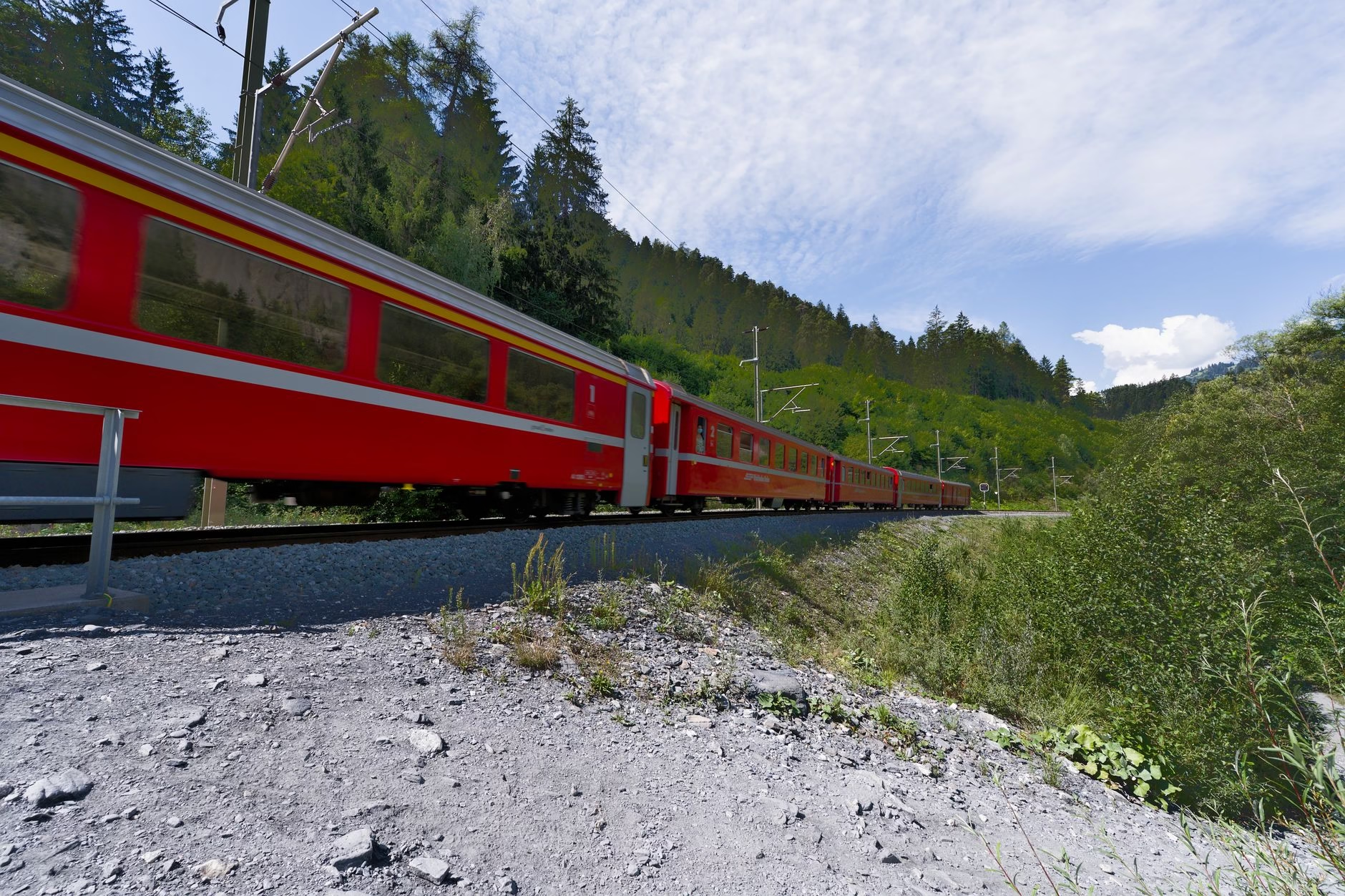
- Iconic scenic routes, such as the Bernina Express, Glacier Express, Rhine Valley and West Highland Line, make the journey itself a highlight.
- Arrive early, keep tickets accessible, pack light for easy storage, watch connections, and learn basic local words for smoother transfers.
This guide offers everything you need to know about exploring Europe by train. You will learn how the European railway system works, the differences between major train types, practical advice for booking and budgeting, and the most scenic routes worth adding to your itinerary. By the end, you will have the confidence and knowledge to plan an unforgettable train journey through Europe.
Understanding the European Rail Network
Europe’s rail network is one of the most extensive and efficient in the world. It connects nearly every major city and many small towns, allowing travelers to move between countries seamlessly without the hassle of airports.
The beauty of European train travel is its variety. You will encounter:
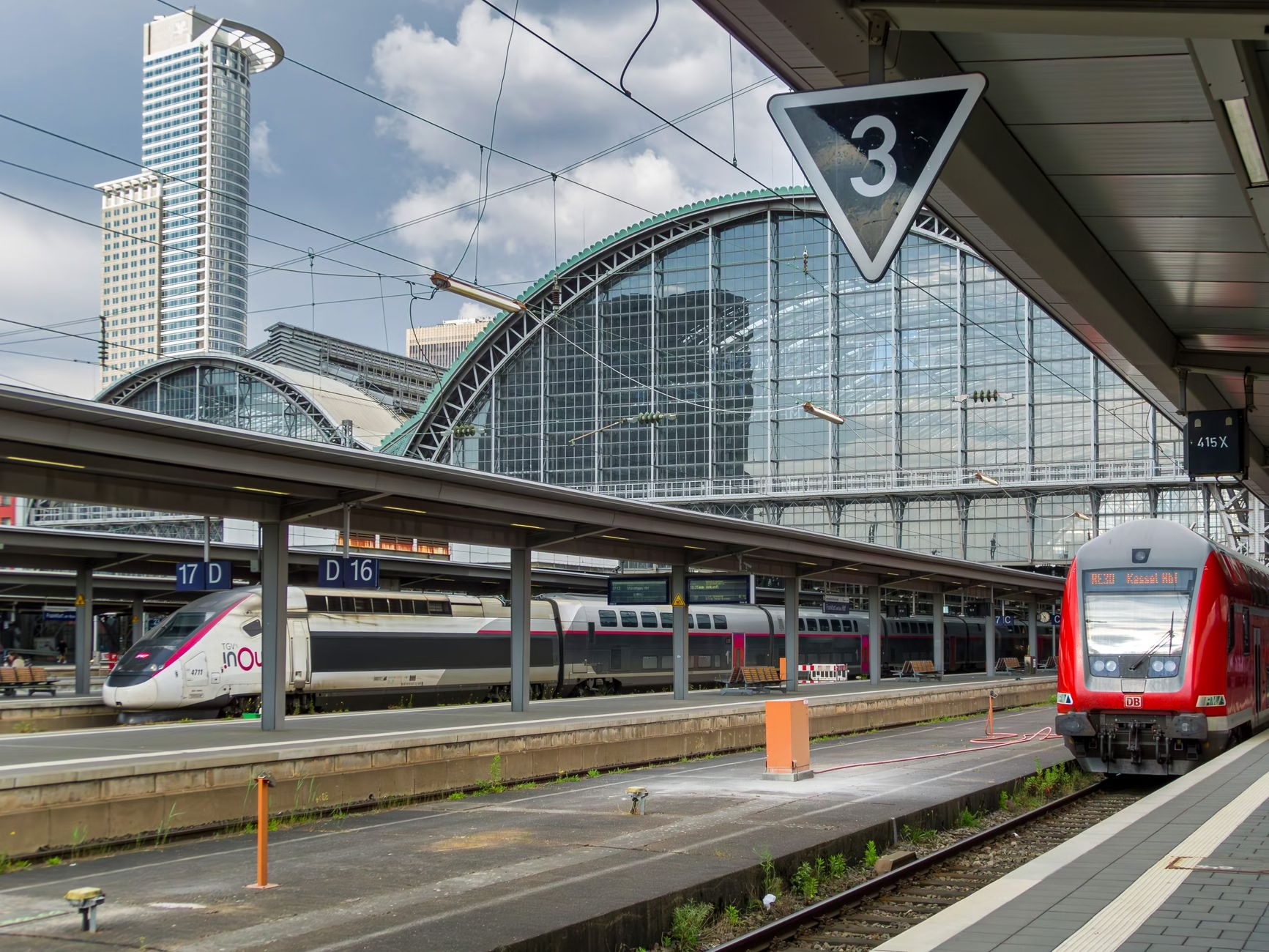
- High Speed Trains such as France’s TGV, Germany’s ICE, and Spain’s AVE. These modern trains can reach impressive speeds, allowing travelers to cover long distances quickly and comfortably. For instance, you can travel from Paris to Amsterdam in just over three hours or from Madrid to Barcelona in under three hours.
- Regional and InterCity Trains which connect smaller cities and provide a more local experience. These are ideal for discovering hidden gems away from the tourist crowds.
- Overnight Trains which combine travel with accommodation. The Nightjet service, operating between Austria, Germany, and Italy, is a great example. With sleeper cabins and cozy compartments, you can save on a night of lodging while waking up in a new destination.
Each country maintains its own rail operator, but many coordinate schedules, ticketing, and passes through partnerships, creating a connected and traveler friendly system that spans the continent.
Planning Your Journey
Planning a train trip across Europe requires a bit of strategy but rewards you with unmatched flexibility. Begin by deciding whether you want a multi country adventure or a more focused regional exploration.
Choose Your Route Wisely
Europe’s layout lends itself beautifully to rail travel. For first time visitors, popular routes such as London to Paris to Amsterdam, or Paris to Zurich to Milan, provide easy connections and varied scenery. Travelers with more time can explore longer routes, such as from Berlin to Prague and onward to Budapest, following the heart of Central Europe.
Use Train Passes for Flexibility
The Eurail Pass is often the best value for tourists covering multiple countries. It allows unlimited travel within a set timeframe, helping you stay spontaneous. Country specific passes, such as the Swiss Travel Pass or the German Rail Pass, are perfect for those staying within one nation.
Reserve Seats for Busy Routes
While many regional trains accept open tickets, high speed and night trains often require reservations. Booking early can save money and guarantee your seat, especially during summer and holiday periods.
Costs and Budgeting for Train Travel
Train travel in Europe can fit a variety of budgets, depending on how you plan. Costs vary between countries, routes, and travel dates. High speed routes in Western Europe tend to be more expensive, while regional lines or journeys in Eastern Europe can be surprisingly affordable.
To make the most of your budget:
- Book Early: Advance purchase discounts can be significant, sometimes cutting fares in half compared to last minute buying.
- Travel Off Peak: Ticket prices tend to drop when you travel midweek or outside peak holiday seasons.
- Use Rail Passes Strategically: When traveling frequently in a short period, rail passes offer great value. However, for one or two trips, direct point to point tickets may be cheaper.
- Pack Food and Drinks: Many trains offer dining cars, but bringing your own snacks or picnic style meals is a fun and cost saving option.
The Most Scenic Train Routes in Europe
The real magic of traveling by rail, beyond convenience, lies in the landscapes outside your window. Europe offers countless scenic routes that make the journey itself a highlight of your travels.
- The Bernina Express, Switzerland to Italy: This UNESCO World Heritage route crosses stunning alpine scenery, dramatic viaducts, and glacial valleys between Chur in Switzerland and Tirano in Italy.
- The West Highland Line, Scotland: Linking Glasgow to Mallaig, this route passes serene lochs, misty mountains, and the famous Glenfinnan Viaduct.
- The Cinque Terre Local Line, Italy: Running along the Ligurian coastline, this short yet breathtaking route connects five colorful seaside villages that cling to the cliffs.
- The Rhine Valley Route, Germany: Between Koblenz and Mainz, this journey offers fairytale castles, vineyard covered hills, and views of the river dotted with historic towns.
- The Glacier Express, Switzerland: Known as the slowest express train in the world, it passes through some of the most spectacular alpine scenery imaginable.
Each of these routes transforms your journey into a moving postcard, blending the convenience of travel with the beauty of European landscapes.
Practical Tips for a Smooth Train Experience
A well planned approach can make your European train travel even more enjoyable.
- Arrive Early: Stations in large cities can be overwhelming. Arriving 20 to 30 minutes ahead gives you time to locate platforms and find your carriage.
- Keep Tickets Handy: Whether digital or printed, you will need to show tickets during inspections. Store them somewhere accessible but secure.
- Be Mindful of Luggage: Most trains allow generous baggage space, but packing light makes boarding easier, especially if you need to lift bags into overhead racks.
- Stay Aware of Connections: If your trip includes transfers, study your connection times. Larger hubs such as Zurich, Milan, or Munich are efficient, yet schedules can change seasonally.
- Learn Local Basics: Although English is widely understood, knowing a few phrases like “platform,” “ticket office,” or “reservation” in the local language can be helpful.
Why Train Travel is the Best Way to See Europe
Traveling across Europe by rail offers a unique perspective that no other mode of transportation can replicate. It connects bustling capitals with sleepy villages, modern architecture with medieval towns, and cosmopolitan energy with pastoral calm. Trains allow you to travel sustainably, reducing your carbon footprint while immersing yourself in everyday European life.
From the ease of borderless travel within the Schengen area to the cultural curiosity sparked by each new destination, every train ride becomes part of your travel story. The journey is not just a means to an end but a continuous exploration rich with sights, flavors, and encounters.
Conclusion: Embrace the Journey
Europe’s trains are more than vehicles; they are storytellers that reveal the continent’s soul. Each ride introduces you to a new landscape and a new rhythm of life, allowing you to experience the diversity of Europe in a deeply human and connected way. Whether you plan a short regional trip or an ambitious multi country adventure, train travel provides an unmatched combination of freedom, comfort, and discovery.
So pack your bags, grab your tickets, and let the tracks lead you through one of the most rewarding travel experiences Europe has to offer.
Further Reading
3 Day Istanbul Itinerary for First Time Visitors
Travel to Somalia; How I Traveled to Mogadishu