Exploring Westminster Abbey’s Medieval Sacristy: A Hidden Gem
Discover the rich history and significance of Westminster Abbey's medieval sacristy, a remarkable part of this iconic London landmark.
Westminster Abbey, one of London’s most iconic landmarks, is known for its stunning Gothic architecture, royal connections, and rich history. Among its many treasures, the medieval sacristy stands out as a significant yet often overlooked space. This area not only serves as a functional room for the abbey’s clergy but also holds a captivating story that reflects the abbey’s evolution through the centuries.
Visitors to Westminster Abbey may marvel at its grand nave, intricate stained glass, and the tombs of notable figures, but the medieval sacristy offers a unique glimpse into the daily lives of those who served in the abbey. Understanding the historical context and architectural features of this space enhances the overall experience of visiting this remarkable site.
This article delves into the history, significance, and architectural details of the medieval sacristy at Westminster Abbey, providing a comprehensive guide for those interested in exploring this hidden gem.
Historical Background of Westminster Abbey
Westminster Abbey has been an important site for British history since its establishment in the 7th century. Originally built as a Benedictine monastery, it became a royal church and the site of many coronations, weddings, and funerals. The abbey’s rich history is reflected in its architecture, which has evolved from its humble beginnings to the magnificent structure seen today.
The medieval sacristy, specifically, is a product of the abbey’s expansion during the medieval period. It was during this time that many of the abbey’s most significant architectural features were added, including the intricate stone carvings and stunning stained glass that visitors admire today. The sacristy itself was constructed to serve the needs of the clergy, providing a space for storing vestments, sacred vessels, and other liturgical items.
Throughout the centuries, the sacristy has been a witness to many historic events. It has played a crucial role in the daily operations of the abbey, especially during important religious ceremonies. Its historical significance extends beyond mere function; it embodies the spiritual and communal life of the abbey and the broader religious community it served.
Architecture of the Medieval Sacristy
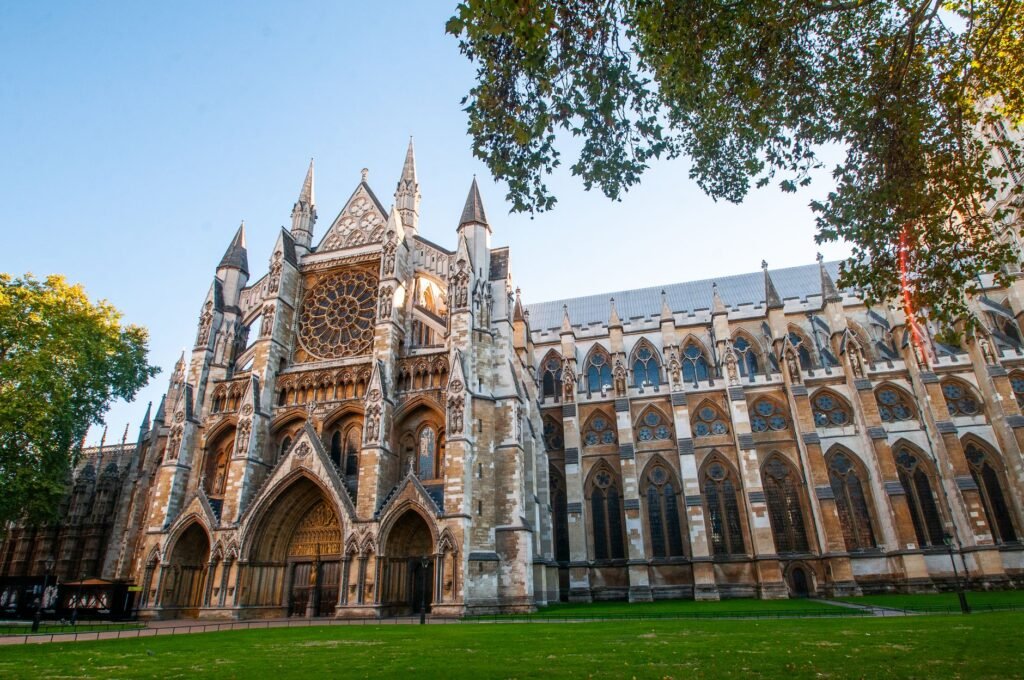
The architectural style of the medieval sacristy reflects the broader Gothic style that characterizes Westminster Abbey. Visitors will notice the intricate details that adorn the walls and ceilings, showcasing the craftsmanship of the period. The use of ribbed vaulting is particularly notable, as it allows for the creation of higher ceilings and more elaborate designs.
Key architectural features of the medieval sacristy include:
- Ribbed Vaulting: This feature not only adds aesthetic beauty but also provides structural support, allowing for larger and more open spaces.
- Decorative Stone Carvings: The walls are adorned with intricate carvings that depict various religious symbols and figures, showcasing the artistry of medieval craftsmen.
- Stained Glass Windows: Although not as extensive as in other parts of the abbey, the windows in the sacristy offer glimpses of vibrant colors and biblical scenes, enhancing the spiritual atmosphere.
- Functional Design: The layout of the sacristy is practical, with designated areas for storing religious items and preparing for services, highlighting its importance in daily abbey life.
These architectural elements not only serve functional purposes but also contribute to the overall narrative of Westminster Abbey as a center of religious life and artistry.
Functions of the Medieval Sacristy
The medieval sacristy served several important functions throughout its history, each reflecting the evolving needs of Westminster Abbey. Understanding these roles provides insight into the daily life of the abbey and the significance of this space.
Some of the primary functions of the medieval sacristy include:
- Storage of Liturgical Items: The sacristy was primarily used for storing vestments, altar linens, and sacred vessels necessary for the celebration of the Eucharist and other religious services.
- Preparation for Services: Clergy would use the sacristy to prepare for services, donning their vestments and organizing liturgical items before heading to the main church.
- Meeting Space: The sacristy often served as a meeting place for clergy to discuss matters related to the abbey’s operations, spiritual life, and community engagement.
- Sacred Space: Even as a functional area, the sacristy maintained a spiritual atmosphere, reminding those who entered of the sacred duties performed within the abbey.
These functions highlight the importance of the sacristy not just as a physical space but as a vital part of the spiritual and communal life of Westminster Abbey.

Visiting the Medieval Sacristy
For those planning to visit Westminster Abbey, the medieval sacristy is a must-see. While it may not be as well-known as other parts of the abbey, it offers a unique perspective on the life and history of this iconic site. Here are some practical tips for making the most of your visit:
- Plan Your Visit: Check the abbey’s official website for opening hours and any special events that may affect access to the sacristy.
- Consider Guided Tours: Opting for a guided tour can enhance your understanding of the historical and architectural significance of the sacristy and other areas of the abbey.
- Take Time to Reflect: Use your time in the sacristy to reflect on its historical importance and the many lives it has touched over the centuries.
- Photography: While some areas may have restrictions, capturing the beauty of the sacristy’s details can serve as a lasting memory of your visit.
By approaching your visit with these tips in mind, you can gain a deeper appreciation for the medieval sacristy and its place within the larger context of Westminster Abbey.

Real-Life Example: The Role of the Sacristy Today
Today, the medieval sacristy still serves many of its original functions, albeit in a modern context. While the vestments and sacred vessels may have evolved, the space continues to be integral to the daily operations of Westminster Abbey. For example, during significant events such as royal weddings or state funerals, the sacristy is utilized for preparations and the storage of important liturgical items. This connection to contemporary practices highlights the enduring relevance of the medieval sacristy in the life of the abbey.
Moreover, the sacristy’s historical significance is celebrated through educational programs and tours, allowing visitors to appreciate its role in the abbey’s storied past. By bringing to life the traditions and practices that have taken place within its walls, the sacristy remains a vital part of Westminster Abbey’s narrative.
Thus, the medieval sacristy stands not only as a historical artifact but also as a living space that continues to resonate with the spiritual and communal life of Westminster Abbey.
The Role of the Medieval Sacristy in Monastic Life
Daily Rituals and Practices
The Medieval Sacristy played a critical role in the daily rituals of the monks residing at Westminster Abbey. This space was not merely a storage area for liturgical vestments and sacred vessels; it was a hub of spiritual activity. Monks would gather in the sacristy to prepare for the day’s services, ensuring that all necessary items were in place for worship. This preparation included not only the physical arrangement of the altar but also spiritual readiness, as monks engaged in prayers and meditative practices.
During the daily offices, the sacristy would echo with the sounds of chants and hymns, as monks would often rehearse the music that would accompany the liturgical services. This practice was vital for maintaining the tradition of choral worship that Westminster Abbey is renowned for today. The sacristy thus served as a nexus where the spiritual and the practical intersected, reinforcing the monastic commitment to both prayer and community.
Interactions with the Community
The Medieval Sacristy was also a space where monks interacted with the lay community. The sacristan, often a senior monk, had the responsibility of overseeing the sacristy and often acted as a liaison between the monastery and the outside world. This role was crucial for maintaining the Abbey’s reputation and ensuring that the needs of the congregation were met.
- Preparation for Sacraments: The sacristy was where essential sacraments were prepared, such as baptism and communion, fostering a direct connection between the monks and the laypeople.
- Educational Role: Monks often used the sacristy as a place for teaching, instructing novices and lay members about the significance of various liturgical items.
- Community Events: The sacristy would prepare for significant community events, including weddings and funerals, which were pivotal moments in the lives of the congregation.
This interaction not only enriched the spiritual life of the Abbey but also reinforced the monks’ role as spiritual leaders in their communities.
Artistic Treasures of the Medieval Sacristy
Liturgical Vestments: A Work of Art
The Medieval Sacristy housed an impressive collection of liturgical vestments, which were not only functional but also masterpieces of medieval artistry. These garments, often made from rich fabrics like silk and embroidered with intricate designs, served as visual representations of the sacred. Each vestment was carefully crafted, reflecting the skill of artisans and the religious significance of the liturgy.
Some notable vestments include:
- Chasubles: Ornate garments worn by the priest during Mass, often adorned with symbols like the cross or images of saints.
- Stoles: Worn by priests and deacons, symbolizing their authority and connection to the divine.
- Albs: Simple white garments worn under other vestments, representing purity and the baptismal garment.
These vestments were not merely decorative; they played a vital role in the liturgical functions of the Abbey, enhancing the visual and spiritual experience for worshippers.
Liturgical Objects: Symbolism and Craftsmanship
In addition to vestments, the Medieval Sacristy contained numerous liturgical objects that are exquisite examples of medieval craftsmanship. These items, such as chalices, patens, and reliquaries, were often made from precious metals and adorned with gemstones, reflecting the glory of God through their beauty. Each piece was imbued with symbolism, serving a specific purpose within the liturgy.
- Chalices: Used in the sacrament of communion, chalices often featured elaborate engravings depicting biblical scenes.
- Reliquaries: Containers for holy relics, these objects were crafted to inspire veneration and reverence among the faithful.
- Liturgical Books: Manuscripts containing prayers and hymns, often decorated with illuminated illustrations, were essential for guiding services.
The preservation and display of these objects provide insights into the artistry and devotion of the medieval period, making the sacristy a treasure trove of spiritual and artistic heritage.

Preservation Efforts and Challenges
Conservation of Historical Artifacts
Given the historical significance of the Medieval Sacristy, ongoing preservation efforts are vital to maintaining its integrity and the artifacts it houses. Conservationists work diligently to protect the delicate fabrics of vestments and the integrity of liturgical objects from degradation caused by light, humidity, and temperature fluctuations. Advanced techniques in conservation science are employed to ensure that these treasures can be enjoyed by future generations.
Some key conservation practices include:
- Climate Control: Maintaining specific temperature and humidity levels to prevent damage to textiles and metals.
- Restoration Techniques: Skilled artisans may carefully restore damaged items, using materials and methods that match the original craftsmanship.
- Regular Inspections: Periodic assessments of the condition of artifacts to identify any emerging issues that need addressing.
Public Engagement and Education
Engaging the public in the history and significance of the Medieval Sacristy is another critical aspect of its preservation. Educational programs and guided tours are designed to inform visitors about the importance of the sacristy in the larger context of Westminster Abbey and medieval monastic life. By fostering a deeper understanding, visitors are more likely to appreciate and advocate for its preservation.
Some educational initiatives include:
- Guided Tours: Expert-led tours that delve into the history, significance, and artistry of the sacristy.
- Workshops: Interactive sessions where participants can learn about medieval craftsmanship and conservation techniques.
- Exhibitions: Temporary displays that showcase specific artifacts, providing insights into their historical context and significance.
Through these efforts, Westminster Abbey ensures that the Medieval Sacristy continues to be a vibrant part of cultural heritage, drawing interest and appreciation from the public.
Frequently Asked Questions
What is the medieval sacristy used for today?
Today, the medieval sacristy is used for storing liturgical items and preparing for services, maintaining its historical role within Westminster Abbey.
Can visitors access the medieval sacristy?
Yes, visitors can access the medieval sacristy as part of their visit to Westminster Abbey, either through guided tours or during regular admission.
What architectural style is the medieval sacristy?
The medieval sacristy reflects the Gothic architectural style, featuring ribbed vaulting, decorative stone carvings, and stained glass windows.
When was the medieval sacristy built?
The medieval sacristy was constructed during the abbey’s expansion in the medieval period, specifically in the 13th century, as part of the abbey’s growth.
The Bottom Line
The medieval sacristy of Westminster Abbey is a fascinating and integral part of this historic site. Its rich history, architectural beauty, and ongoing significance in the life of the abbey make it a noteworthy destination for visitors. By taking the time to explore this hidden gem, you can gain a deeper understanding of the spiritual and communal life that has flourished within Westminster Abbey for centuries.
Visa rules, prices and opening times change. Always confirm details with official sources before you travel.