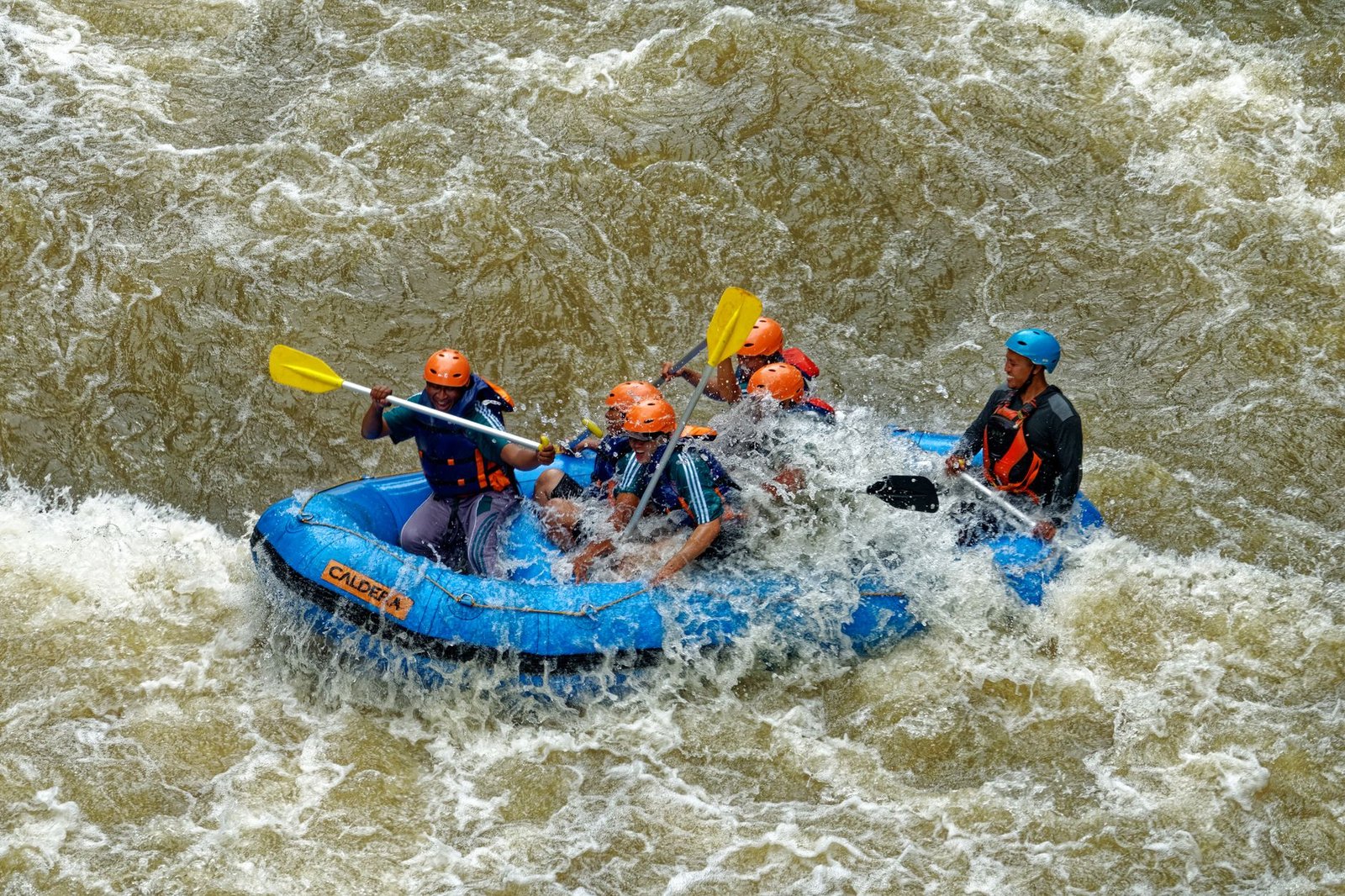
Thrilling Adventures: Whitewater Rafting in West Virginia
Explore the exhilarating world of whitewater rafting in West Virginia, with essential tips and insights for an unforgettable adventure.
Whitewater rafting in West Virginia is an exciting way to experience the state’s natural beauty while enjoying a thrilling adventure. With its lush landscapes and rushing rivers, West Virginia has become a premier destination for rafting enthusiasts from around the country. Whether you are a seasoned rafter or a beginner looking for your first adventure, this guide will provide you with all the essential information you need for an unforgettable experience.
West Virginia is home to some of the most challenging and scenic rivers in the United States. From the adrenaline-pumping Gauley River to the family-friendly New River, there is something for everyone. This article will cover the best rivers for whitewater rafting, what to expect during your trip, safety tips, and how to choose the right outfitters.
As you plan your whitewater rafting adventure in West Virginia, consider the season, the river difficulty, and your own experience level. This guide aims to help you navigate these choices so that you can make the most of your time on the water.
Best Rivers for Whitewater Rafting in West Virginia
West Virginia boasts several rivers that cater to different skill levels and preferences. Here are some of the best rivers for whitewater rafting:
1. New River
The New River is a popular destination for rafters of all skill levels. Known for its stunning scenery, this river offers a mix of thrilling rapids and calmer sections, making it ideal for families and beginners.
- Difficulty: Class I to IV
- Distance: Approximately 53 miles
- Best Time to Visit: Spring and early summer for the best water levels
One of the most famous sections of the New River is the New River Gorge, where you can experience class III to IV rapids. The gorge is not only a fantastic spot for rafting but also a great place for rock climbing, hiking, and camping.
2. Gauley River
The Gauley River is famous among experienced rafters for its challenging whitewater and is often considered one of the best rivers for rafting in the country. It features a series of intense rapids that can test even the most skilled paddlers.
- Difficulty: Class V
- Distance: Approximately 12.5 miles
- Best Time to Visit: Late summer and early fall during the Gauley Season
The Gauley River typically runs high during the fall, thanks to dam releases, making it a prime time for those seeking a thrilling adventure. The river’s rapids, such as
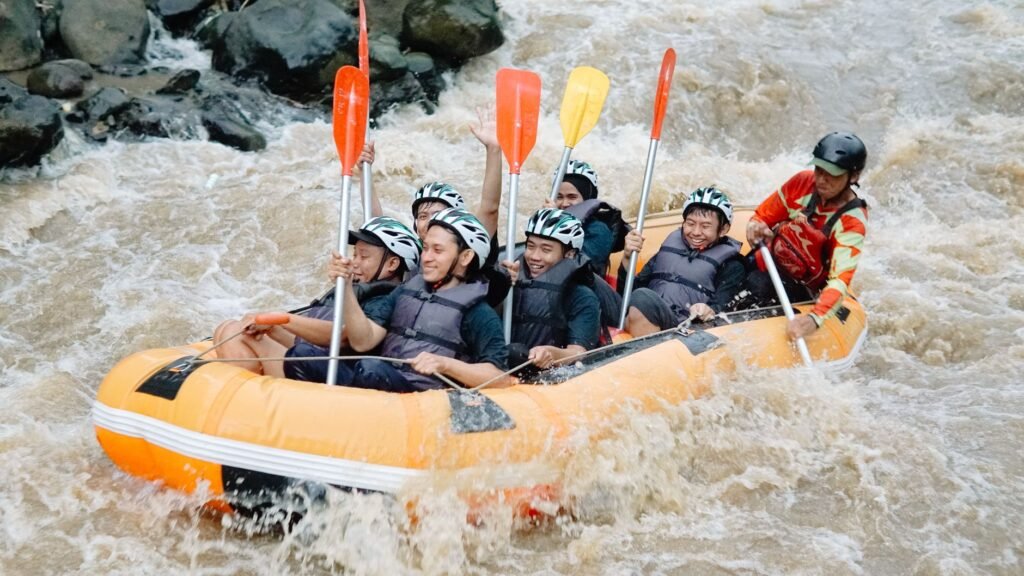
Essential Safety Tips for Whitewater Rafting
Understanding the Risks
Whitewater rafting is an exhilarating sport, but it comes with inherent risks. It’s crucial to understand the potential dangers associated with navigating turbulent waters. Common hazards include swift currents, hidden rocks, and sudden changes in weather. Before embarking on your adventure, familiarize yourself with the conditions of the river and the specific section you will be rafting. Additionally, ensure that you are aware of your personal limits and the capabilities of your raft.
Another significant risk is the potential for capsizing. If your raft flips over, it is essential to know how to react. Keeping calm, following your guide’s instructions, and practicing proper swimming techniques can significantly improve your chances of a safe recovery.
Personal Safety Gear
Wearing the appropriate safety gear can make a substantial difference in your rafting experience. Essential equipment includes:
- Personal Flotation Device (PFD): A properly fitted life jacket is mandatory. It should be US Coast Guard approved and suitable for your weight class.
- Helmet: A durable helmet protects your head from potential impacts with rocks or other hazards in the water.
- Footwear: Closed-toe shoes or water shoes with good grip are recommended to protect your feet and provide traction on wet surfaces.
- Wet Suit: Depending on the season and water temperature, a wet suit can help insulate your body against cold water.
- Gloves: Paddling gloves can protect your hands and provide a better grip on the paddle.
Guided Tours vs. Independent Rafting
When considering a whitewater rafting adventure, you have two primary options: joining a guided tour or going independent. Guided tours are typically led by experienced professionals who are well-versed in the specific river conditions and safety protocols. They provide not only equipment but also valuable insights into navigating rapids safely.
On the other hand, independent rafting allows for more flexibility and autonomy. However, it requires a higher level of skill and preparedness. If you choose this option, ensure that you are familiar with the river, have a solid understanding of whitewater navigation, and have the necessary safety gear. Additionally, always inform someone about your plans and expected return time.

Best Time of Year for Whitewater Rafting
Seasonal Variations
The best time for whitewater rafting in West Virginia varies depending on the river you choose and the type of experience you seek. Spring is often considered prime time for high-water rafting, especially in April and May, when snowmelt from the mountains increases river flows. This season offers thrilling rapids and a challenging experience for seasoned rafters.
Summer, particularly June through August, is ideal for families and beginners as water levels stabilize, creating milder conditions. During these months, the weather is generally warm, making it perfect for a fun day on the river. However, it’s essential to check river conditions regularly, as they can change due to rainfall or other environmental factors.
Weather Considerations
Weather plays a significant role in your rafting experience. Before heading out, check local forecasts and be prepared for sudden changes. Thunderstorms can occur in the warmer months, causing rapid water level changes and increased hazards. Always prioritize safety by postponing your trip if severe weather is forecasted.
Local Events and Festivals
Participating in local events can enhance your whitewater rafting experience. West Virginia hosts several festivals and events that coincide with the rafting season. Some notable events include:
- New River Gorge Festival: Celebrated every summer, this festival includes various outdoor activities, including guided rafting tours.
- Whitewater Rafting Championship: An annual event where professional rafters compete, offering spectators an exciting glimpse into the sport.
- River Clean-Up Days: Engage in community efforts to preserve the natural beauty of the rivers while enjoying a day on the water.
Cultural and Environmental Aspects of Whitewater Rafting
The Role of Local Communities
Whitewater rafting significantly impacts local communities in West Virginia, both economically and socially. Many towns near popular rivers benefit from tourism, with businesses such as outfitters, restaurants, and hotels catering to rafting enthusiasts. This influx of visitors helps sustain local economies and creates job opportunities for residents.
Moreover, local communities often take pride in their natural surroundings. As a result, many towns promote conservation efforts to preserve the rivers and surrounding landscapes. Engaging with these communities during your trip can enhance your experience and provide insights into the local culture.
Environmental Considerations
While enjoying the thrill of whitewater rafting, it is crucial to be aware of your environmental impact. Adopting eco-friendly practices can help preserve the natural beauty of West Virginia’s rivers. Here are some tips to minimize your footprint:
- Leave No Trace: Pack out everything you bring, including trash and leftover food.
- Respect Wildlife: Observe wildlife from a distance and avoid disturbing their habitats.
- Use Biodegradable Products: Opt for eco-friendly soaps and shampoos when washing up near the river.
- Follow Local Regulations: Adhere to guidelines set forth by local authorities regarding river access and conservation efforts.
Whitewater Rafting and Adventure Tourism
The rise of adventure tourism has brought increased interest in activities like whitewater rafting. West Virginia has emerged as a key destination for adventure seekers, thanks in part to its stunning landscapes and challenging rivers. This trend has led to improved infrastructure, including better access to rivers and enhanced safety measures.
For those interested in combining their rafting experience with other outdoor activities, many outfitters offer packages that include hiking, zip-lining, and rock climbing, providing a comprehensive adventure experience. Exploring these options can make your trip to West Virginia even more memorable, allowing you to experience the state’s diverse outdoor offerings.

Essential Gear for Whitewater Rafting
Clothing
Choosing the right clothing is critical for a comfortable and safe experience on the water. It is advisable to wear moisture-wicking materials that dry quickly, such as polyester or nylon. Avoid cotton clothing, as it retains water and can make you feel cold. Layering is essential, especially in cooler months, to adapt to changing temperatures.
Here are some recommended clothing items:
- Quick-dry shorts or pants
- Long-sleeve rash guard or wetsuit for cooler temperatures
- Waterproof jacket for rain protection
- Footwear that provides traction, like water shoes or sandals with straps
- Hat and sunglasses for sun protection
Safety Equipment
Safety gear is non-negotiable for anyone embarking on a whitewater rafting adventure. Most outfitters provide essential safety equipment as part of the package, but it’s good to familiarize yourself with what you should expect. A properly fitting life jacket or personal flotation device (PFD) is essential, as it keeps you afloat in case of an unexpected fall into the water.
Additional safety gear includes:
- Helmets to protect your head from potential injuries
- Throw bags for rescue situations
- First-aid kits for minor injuries
- Whistles for signaling
- Communication devices if rafting in remote areas
Additional Accessories
Besides clothing and safety gear, consider bringing some additional accessories that can enhance your rafting experience. Waterproof bags for personal belongings are vital to keep your items dry. Sunscreen is also important to protect your skin from UV rays while you are on the water. A waterproof camera or GoPro can help capture your thrilling moments on the rapids.
Other handy accessories include:
- Water bottles or hydration packs
- Lightweight snacks for energy
- Dry bags for valuables
- Binoculars for wildlife viewing

Choosing the Right Outfitter
Researching Outfitters
When planning a whitewater rafting trip, selecting the right outfitter can make all the difference. Start by researching local companies that specialize in whitewater adventures in West Virginia. Read reviews on travel websites and forums to gauge the reputation of different outfitters. Look for companies with experienced guides, good safety records, and a commitment to environmental practices.
It’s beneficial to check the following:
- Years of experience in the industry
- Safety certifications of their guides
- Inclusions in the package, such as meals and equipment
- Availability of different rafting levels (beginner to advanced)
Questions to Ask
Before booking your trip, don’t hesitate to ask potential outfitters some key questions to ensure a safe and enjoyable experience. Inquire about their safety protocols and procedures in case of emergencies. Ask about the type of equipment they use and how often it is maintained. Understanding the group size and guide-to-guest ratio can also provide insight into the level of attention you will receive during the trip.
Here are some suggested questions:
- What is the maximum group size for each trip?
- How do you handle inclement weather or unsafe conditions?
- What training do your guides undergo?
- Are there age and weight restrictions for participants?
Reviews and Recommendations
After gathering all your information, look for reviews from past customers to see their experiences. Platforms like Google Reviews, TripAdvisor, and Yelp can provide valuable insights. Furthermore, consider reaching out to friends or acquaintances who have rafted in West Virginia for personal recommendations. A good outfitter will be transparent about their services and open to answering your questions.
When reading reviews, pay attention to:
- Customer service quality
- Guide professionalism and knowledge
- Overall satisfaction with the rafting experience
- Comments on safety practices and equipment condition
Environmental Considerations for Rafting
Leave No Trace Principles
Whitewater rafting allows you to connect with nature, but it’s essential to protect the environments you enjoy. Adhering to the Leave No Trace principles ensures that the natural beauty of West Virginia remains intact for future generations. This includes packing out all trash, minimizing campfire impact, and respecting wildlife habitats.
Key Leave No Trace principles include:
- Plan ahead and prepare to minimize impact
- Travel and camp on durable surfaces
- Dispose of waste properly
- Leave what you find, including natural and cultural artifacts
Wildlife Awareness
West Virginia’s rivers are home to diverse wildlife, including birds, fish, and other animals. As a responsible rafter, it’s crucial to practice wildlife awareness. Be respectful of their habitats and keep your distance to avoid disturbing them. Do not feed wildlife, as this can alter their natural behaviors and create dependencies.
While on the river, look out for:
- Herons and eagles along the banks
- Fish species like trout and bass
- Beavers and otters that may be seen near the water
Impact of Rafting on Ecosystems
Whitewater rafting can have both positive and negative impacts on local ecosystems. While it promotes outdoor recreation and awareness, it can also lead to erosion and pollution if not managed properly. Responsible rafting practices, including choosing reputable outfitters that follow environmental guidelines, help mitigate these effects.
Consider the following impact factors:
- Soil erosion caused by foot traffic on riverbanks
- Water pollution from trash and human waste
- Noise pollution affecting wildlife behavior
Visa rules, prices and opening times change. Always confirm details with official sources before you travel.