Explore the Wonders of the Great Barrier Reef: A Complete Guide
Discover the guide to Great Barrier Reef including tips on visiting, best times, activities, and safety measures for an unforgettable experience.
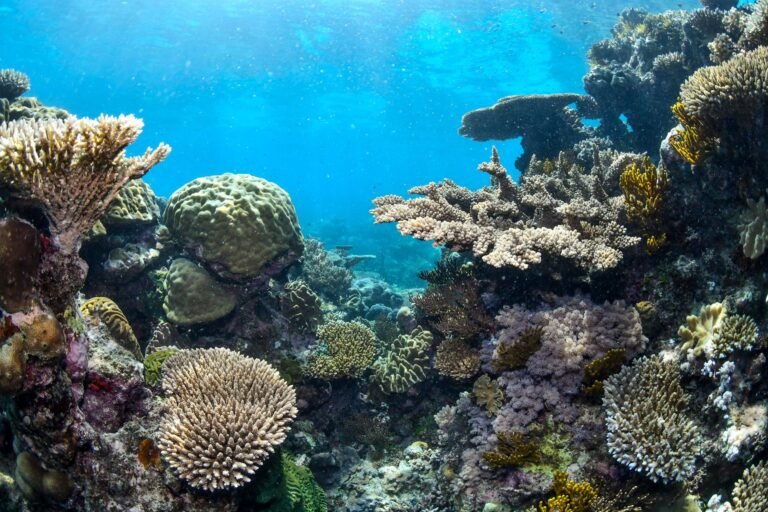
The Great Barrier Reef, one of the planet’s most renowned natural wonders, stretches over 2,300 kilometers along the northeastern coast of Australia. It is the largest coral reef system globally, composed of over 2,900 individual reefs and 900 islands. This UNESCO World Heritage Site is not only a breathtaking destination for travelers but also a crucial ecosystem supporting an incredible diversity of marine life.
This guide to the Great Barrier Reef will provide you with essential information on how to plan your visit, including the best times to go, activities you can partake in, safety tips, and conservation efforts in place to protect this unique environment.
Whether you’re a seasoned diver or a first-time snorkeler, the Great Barrier Reef offers a plethora of experiences that cater to all levels of adventure. Let’s explore how you can make the most of your visit to this extraordinary destination.
Best Times to Visit
The timing of your visit to the Great Barrier Reef can significantly impact your experience. The climate in Queensland is generally tropical, with two distinct seasons: the dry season and the wet season.
Dry Season (May to October): This period is considered the best time to visit the reef. The weather is generally sunny, with little rainfall and warm temperatures ranging from 21°C to 26°C (70°F to 79°F). The water visibility is at its best, making it ideal for snorkeling and diving. Additionally, this season is popular for whale watching, as humpback whales migrate along the coastline.
Wet Season (November to April): During the wet season, temperatures can rise above 30°C (86°F), and the region experiences heavy rainfall, particularly between January and March. Although the reef remains accessible, visibility can be reduced due to rain runoff, and it is also the cyclone season. However, this time can offer fewer crowds and lower prices for accommodation and tours.

How to Get There
Accessing the Great Barrier Reef can be accomplished via several methods, depending on your starting point and preferred travel experience.
By Air: The closest major airports to the reef are Cairns and Hamilton Island. Cairns International Airport serves as the primary gateway, with domestic and international flights. From Cairns, you can book tours to various reef locations.
By Road: If you’re traveling from other parts of Australia, driving to Cairns offers a scenic journey along the coast. The Bruce Highway is the main route connecting major cities, and there are several rest areas and attractions along the way.
By Boat: Once in Cairns or other coastal towns like Port Douglas and Airlie Beach, many operators provide boat tours to the reef. These tours range from half-day excursions to multi-day liveaboard trips, allowing you to explore various parts of the reef.
Activities to Enjoy
The Great Barrier Reef is a playground for adventure enthusiasts and nature lovers alike. Here are some of the most popular activities you can partake in:
- Snorkeling: One of the most accessible ways to explore the reef is through snorkeling. Many tour operators offer gear rentals and guided snorkeling trips to the best spots.
- Diving: For those looking for a more immersive experience, scuba diving is available for both beginners and experienced divers. Dive courses are offered, and many tours cater to various skill levels.
- Helicopter Tours: Experience breathtaking aerial views of the reef with a helicopter tour. This bird’s-eye perspective allows you to appreciate the vastness and beauty of the coral formations.
- Glass-Bottom Boat Tours: Ideal for families or those not wanting to get wet, glass-bottom boat tours provide a unique view of the underwater world without diving or snorkeling.
- Island Hopping: Explore the many islands in the reef, such as the Whitsunday Islands, which offer pristine beaches and hiking trails.

Safety Considerations
While the Great Barrier Reef is a beautiful destination, it is essential to prioritize safety during your visit. Here are some key safety tips:
Marine Life Awareness: The reef is home to a diverse range of marine species, some of which can be dangerous. Always be cautious of stinging jellyfish, especially during the wet season. Wearing a stinger suit can help protect you.
Sun Protection: The Australian sun can be harsh, so applying reef-safe sunscreen is crucial to protect your skin and the marine environment. Wearing protective clothing and a hat is also advisable.
Stay Hydrated: Whether you are on a boat or exploring an island, always carry enough water to stay hydrated, particularly during the hotter months.
Environmental Conservation
Preserving the Great Barrier Reef is vital for its health and future. Ongoing conservation efforts aim to protect this delicate ecosystem from the impacts of climate change, pollution, and over-tourism.
Responsible Tourism: When visiting, always follow guidelines set by tour operators and park rangers. Avoid stepping on coral or touching marine life, as this can cause significant harm.
Participate in Conservation Programs: Many organizations offer programs where visitors can contribute to reef conservation efforts. This can include beach clean-ups or citizen science projects.
Educate Yourself: Understanding the ecosystem and its challenges is essential. Many tours include educational components to inform visitors about the reef’s importance and the steps being taken to protect it.

Accommodation Options
Whether you prefer luxury resorts or budget-friendly hostels, the Great Barrier Reef region offers a variety of accommodation options to suit your needs.
Luxury Resorts: High-end resorts like the Qualia on Hamilton Island provide stunning views and top-notch amenities. These are perfect for travelers seeking a lavish experience.
Mid-Range Hotels: Many hotels in Cairns and Port Douglas offer comfortable stays with easy access to the reef. Look for those that provide package deals including tours.
Budget Hostels and Campsites: For travelers on a budget, hostels and campsites provide affordable options. Many hostels also organize group tours to the reef, making it easier to meet fellow travelers.

Marine Life Spotting: An Underwater Adventure
Understanding the Biodiversity
The Great Barrier Reef is home to an incredible variety of marine life, making it a paradise for underwater enthusiasts. With over 1,500 species of fish, 400 species of coral, and countless other marine creatures, every dive or snorkel trip can reveal something new. Key species include the majestic manta rays, vibrant clownfish, and even the elusive dugong. Understanding the reef’s biodiversity not only enhances the experience but also fosters a deeper appreciation for this delicate ecosystem.
Best Spots for Wildlife Encounters
While the entire reef is teeming with life, certain locations are particularly renowned for wildlife spotting. Here are some of the top spots to consider:
- Osprey Reef: Known for its vibrant coral walls and the chance to see shark species like reef sharks and hammerheads.
- Ribbon Reefs: Famous for its diverse marine life, including large schools of fish and occasional sightings of sea turtles.
- Cod Hole: A must-visit for its friendly potato cod that often swim up to divers for a close encounter.
These locations not only provide opportunities for interaction with marine life but also offer stunning underwater topography that enhances the overall experience.
Guided Tours vs. Independent Exploration
When it comes to experiencing the Great Barrier Reef, visitors have two main options: guided tours or independent exploration. Guided tours are beneficial for those who want to learn about the marine environment from experts and ensure safety while in the water. Many operators provide educational briefings, snorkeling gear, and even underwater photography services.
On the other hand, independent exploration can be rewarding for experienced snorkelers and divers who prefer to set their own pace. This approach allows for flexibility, but it’s essential to have a good understanding of the area and safety protocols. Consider taking a guided tour for your first experience and then exploring independently on subsequent visits.
Cultural Heritage: Indigenous Connections to the Reef
Aboriginal and Torres Strait Islander Cultures
The Great Barrier Reef is not just a natural wonder; it is also a culturally significant area for Indigenous Australian communities. The Aboriginal and Torres Strait Islander peoples have lived in harmony with the reef for thousands of years. Their connection to the land and sea is rooted in traditional knowledge, stories, and practices that emphasize respect for nature.
Visitors can engage with Indigenous culture through various experiences, such as guided tours that share stories of creation, traditional fishing methods, and sustainable practices that have been passed down through generations. This cultural immersion provides a richer understanding of the reef and its importance to Indigenous peoples.
Participating in Cultural Tours
To fully appreciate the cultural heritage of the Great Barrier Reef, consider participating in tours led by Indigenous guides. These experiences often include:
- Storytelling: Learn about Dreamtime stories that explain the significance of the reef and its creatures.
- Traditional Fishing: Participate in fishing techniques that have been used for generations, often leading to a deeper understanding of sustainable practices.
- Craft Workshops: Engage in workshops that teach traditional crafts, such as weaving or painting, inspired by the reef’s natural beauty.
Such tours not only enrich your visit but also support local communities and promote cultural preservation.
Conservation Efforts and Cultural Education
Many Indigenous-led organizations are actively involved in conservation efforts aimed at protecting the Great Barrier Reef. They focus on educating the public about the importance of biodiversity and sustainable practices. By engaging with these organizations, visitors can contribute to the ongoing efforts to safeguard the reef while gaining insights into the cultural significance of the area.
Educational programs often highlight the interconnectedness of culture and conservation, illustrating how traditional knowledge can inform modern environmental practices. Participating in these initiatives can enhance your visit and leave a positive impact.

Exploring the Islands of the Great Barrier Reef
Island Hopping Adventures
The Great Barrier Reef is dotted with numerous islands, each offering unique experiences and landscapes. Island hopping is a fantastic way to explore the reef’s diverse environments, from lush rainforests to pristine beaches. Popular islands to consider include:
- Hamilton Island: Known for its luxury resorts, vibrant nightlife, and access to great snorkeling spots.
- Whitsunday Islands: A group of 74 islands famous for their stunning beaches and crystal-clear waters, perfect for sailing and water sports.
- Fitzroy Island: A more tranquil option with hiking trails and opportunities for snorkeling just off the beach.
Each island provides distinct activities, from relaxing on the beach to engaging in adventurous pursuits like kayaking and paddleboarding. Planning an island-hopping itinerary can maximize your experience by allowing you to enjoy a variety of landscapes and activities.
Wildlife and Nature Reserves
Many of the islands within the Great Barrier Reef are home to protected wildlife and natural reserves. For instance, Green Island is part of the Great Barrier Reef National Park and is known for its eco-tourism initiatives. Visitors can explore walking trails, enjoy guided eco-tours, and participate in reef restoration projects.
Other islands, like Lady Elliot Island, are renowned for their birdwatching opportunities, with thousands of migratory birds visiting each year. Engaging with the natural environment on these islands not only enriches your experience but also supports conservation efforts.
Accommodations and Amenities
When planning an island getaway, it is essential to consider accommodation options that suit your needs. Whether you prefer a luxury resort, eco-lodge, or camping experience, there are various choices available. Many islands offer:
- Resort Stays: High-end accommodations with amenities like pools, restaurants, and spa services.
- Eco-Lodges: Sustainable lodgings that emphasize environmental stewardship and often provide guided nature tours.
- Campsites: Basic camping options for those looking to immerse themselves in nature, often with direct beach access.
Choosing the right accommodation can enhance your island experience and provide opportunities for relaxation and exploration.
Frequently Asked Questions
What is the best way to explore the Great Barrier Reef?
The best way to explore the Great Barrier Reef is through a combination of snorkeling and diving activities. Boat tours can take you to various locations, while helicopter tours offer a stunning aerial perspective.
Can I visit the Great Barrier Reef year-round?
Yes, the Great Barrier Reef is accessible year-round, but the best time to visit is during the dry season from May to October when the weather is most favorable and water visibility is excellent.
What should I bring on my trip to the Great Barrier Reef?
It is essential to bring reef-safe sunscreen, a hat, swimwear, a towel, a reusable water bottle, and any personal snorkeling or diving gear you may have. Don’t forget a camera to capture the breathtaking views!
Are there any health precautions I should consider?
In addition to sun protection, consider vaccination for tropical diseases depending on your travel itinerary. Always consult with a healthcare professional prior to your trip for personalized advice.
The Bottom Line
The Great Barrier Reef is a must-visit destination for anyone interested in marine life and natural beauty. With the right planning and consideration for safety and environmental conservation, your experience can be both enjoyable and memorable. From snorkeling among vibrant coral reefs to indulging in luxury accommodations, the Great Barrier Reef offers something for every traveler. Make the most of your visit by being well-prepared and respectful of this incredible natural wonder.
Visa rules, prices and opening times change. Always confirm details with official sources before you travel.