Packing List Advice for Spain: Essentials for Every Traveler
Discover essential packing list advice for Spain to ensure a comfortable and enjoyable trip with practical tips and must-have items.
Packing for a trip to Spain can be both exciting and daunting, especially considering the country’s diverse climates and vibrant culture. Whether you are planning to explore the sun-soaked beaches of Costa del Sol, the historical sites of Barcelona, or the culinary delights of Madrid, having the right items in your suitcase is essential for a smooth and enjoyable experience. This comprehensive guide will provide you with valuable packing list advice tailored to various aspects of traveling in Spain.
Before you start folding clothes, it’s important to consider the time of year you will be visiting, the activities you plan to engage in, and any cultural nuances that may influence your packing decisions. By being well-prepared, you can focus on enjoying your trip rather than worrying about forgotten essentials.
Let’s break down the essential items you should consider for your packing list, ensuring that you have everything you need to make your journey through Spain memorable.
Understanding Spain’s Climate
Spain is known for its diverse climate, which can vary significantly from region to region. The northern coastal areas, such as Galicia and the Basque Country, experience a temperate maritime climate with mild summers and wet winters. In contrast, the southern regions, like Andalusia, enjoy a Mediterranean climate characterized by hot summers and mild winters. It’s crucial to understand the climate of the specific areas you plan to visit to pack appropriately.
Spring (March to May) is a lovely time to visit Spain, with mild temperatures and blooming flowers. Summer (June to August) can be very hot, particularly in the south, making lightweight clothing essential. Fall (September to November) often features pleasant weather, while winter (December to February) can be quite chilly in the north, with snow in the mountains. Always check the local forecast before your trip.
- Northern Spain: Expect cooler temperatures and potential rain; pack layers.
- Central Spain: Prepare for hot summers and cold winters; versatile clothing is key.
- Southern Spain: Lightweight, breathable fabrics are ideal for summer heat.

Clothing Essentials for Every Season
When packing for Spain, consider the activities you plan to engage in, as well as the local culture. Spain is known for its fashionable cities, so packing stylish yet practical clothing is advisable. Here are some essential clothing items to consider based on the season:
- Spring:
- Lightweight jackets or cardigans for cooler evenings.
- Comfortable shoes for walking tours.
- Mix and match tops and bottoms for versatility.
- Summer:
- Lightweight, breathable fabrics such as cotton or linen.
- Shorts, sundresses, and swimwear for beach days.
- Sunhat and sunglasses for protection against the sun.
- Fall:
- Layered clothing to adjust to changing temperatures.
- Comfortable shoes for exploring cities.
- Scarves and hats for added warmth.
- winter:
- Warm coats for colder climates, especially in the north.
- Waterproof boots if visiting mountainous areas.
- Thermal layers for added warmth.
Footwear for Comfort and Style
Choosing the right footwear can make a significant difference in your travel experience. Spain is a country rich in history and culture, which often involves plenty of walking and exploring cobblestone streets. Here are some key considerations when selecting shoes:
- Comfortable Walking Shoes: Look for shoes that provide good support, especially if you plan on doing a lot of sightseeing. Sneakers or comfortable sandals are great choices.
- Dress Shoes: If you plan to dine at upscale restaurants or attend cultural events, pack a pair of dress shoes that complement your outfits.
- Beach Footwear: If your itinerary includes beach time, don’t forget flip-flops or water shoes.
Consider the activities you will be doing. For example, if you are hiking in the mountains, sturdy hiking boots are a must. In contrast, for city exploration, a good pair of walking shoes will suffice.

Travel Essentials: Documents and Gear
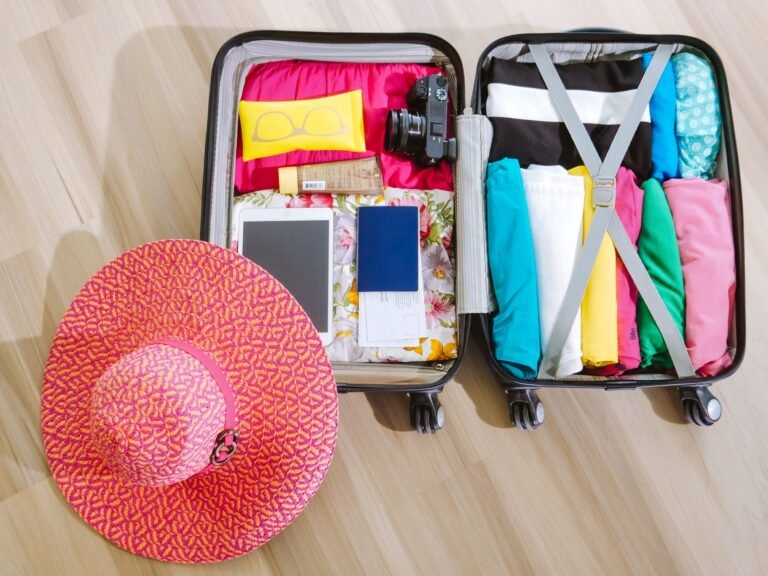
Besides clothing and footwear, there are several essential items you should always pack for a trip to Spain. Ensuring you have the necessary documents and gear can save you from potential headaches:
- Travel Documents:
- Passport and copies of important documents.
- Travel insurance details.
- Visa (if required for your nationality).
- Electronics:
- Phone and charger; consider a portable power bank.
- Camera for capturing your adventures.
- Adapters for European outlets.
- Health and Safety:
- Basic first aid kit with any personal medications.
- Travel-sized hand sanitizer and masks if desired.
- Emergency contact information.

Toiletries and Personal Care Items
Packing your toiletries may seem straightforward, but it’s essential to consider local regulations, especially with liquids. Here’s a checklist of personal care items to include:
- Shampoo and conditioner (travel-sized if flying).
- Toothbrush, toothpaste, and floss.
- Deodorant, skincare products, and makeup.
While many toiletries can be purchased in Spain, having your preferred brands can make your trip more comfortable. Consider packing items that are difficult to find abroad or that you prefer using.
It’s also wise to carry a reusable water bottle to stay hydrated, especially while strolling through cities or hiking.
Technology and Gadgets for Your Trip
Modern travelers often rely on technology to enhance their experiences. Here are some gadgets and accessories you might consider bringing:
- Mobile Apps: Download travel apps for navigation, translation, and local recommendations.
- Portable Wi-Fi Device: Consider renting a portable Wi-Fi hotspot for reliable internet access.
- Noise-Canceling Headphones: Useful for long flights or train journeys.
Ensure your devices are charged and consider bringing a multi-port USB charger for convenience. If you plan to use your phone for navigation, a durable phone case can protect it during your adventures.

Packing for Cultural Sensitivity
Spain is a country rich in culture, and understanding local customs can enhance your travel experience. Here are some packing tips to ensure you respect cultural norms:
- Modest Clothing for Religious Sites: If you plan to visit cathedrals or mosques, pack clothing that covers shoulders and knees.
- Local Fashion: Spaniards are known for their stylish attire. Consider packing a few fashionable outfits to blend in.
- Accessories: Scarves and hats can add a touch of style while providing protection from the sun.
Being mindful of cultural practices shows respect and can lead to more enriching interactions with locals.

Health and Safety Preparations
Health Insurance and European Health Card
Traveling to Spain requires careful consideration of health and safety. One of the first steps to ensure a worry-free trip is to secure adequate health insurance. While many travelers might assume their existing coverage applies abroad, it is crucial to verify this before departure. For those within the European Union, the European Health Insurance Card (EHIC) provides access to necessary healthcare at reduced costs or sometimes free of charge. Ensure you carry this card alongside your travel insurance documents for seamless access to services.
In addition to insurance, it’s advisable to familiarize yourself with local healthcare facilities. Larger cities like Madrid and Barcelona have numerous hospitals and clinics, while rural areas may have limited options. Knowing where to go in case of a medical emergency can save valuable time and alleviate stress.
Vaccinations and Health Precautions
Before traveling, check if any vaccinations are recommended for entry into Spain. While Spain has no mandatory vaccination requirements for most travelers, it is wise to stay updated on routine vaccines, including measles, mumps, and rubella (MMR), as well as influenza. Additionally, consider carrying a small health kit that includes any personal medications, along with over-the-counter remedies for common ailments such as headaches, stomach upsets, and allergies.
- Prescription medications (with copies of prescriptions)
- Over-the-counter pain relievers
- Antihistamines for allergies
- First-aid supplies (band-aids, antiseptic wipes)
- Sunblock and insect repellent
Emergency Contacts and Local Laws
Before your trip, compile a list of emergency contacts, including the local embassy or consulate, local emergency services, and your accommodation’s details. Spain’s emergency services can be reached by dialing 112, which is valid throughout the country. Understanding local laws is also vital. For example, Spain has strict regulations regarding the consumption of alcohol in public spaces and smoking in designated areas. Make sure to research any local customs or legalities that could impact your stay.
Navigating Spanish Cuisine: Packing for Food Sensitivities
Understanding Spanish Food Culture
Spain is renowned for its diverse and rich culinary traditions, from tapas to paella. However, travelers with food allergies or sensitivities need to prepare adequately. Familiarize yourself with common Spanish ingredients and dishes that may contain allergens. For instance, seafood is prevalent along the coasts, while nuts are often found in desserts and snacks. Knowing how to communicate your dietary restrictions in Spanish can greatly enhance your dining experience.
Consider packing a translation card that lists your allergies in both English and Spanish. This can be shown to restaurant staff to ensure your needs are understood. Additionally, many larger cities have specialized restaurants catering to various dietary preferences, so a bit of research before dining out can open up more safe eating options.
Snacks and Meal Alternatives
For those with specific dietary needs, packing suitable snacks can save the day. Consider non-perishable items such as nut bars, dried fruits, or gluten-free crackers. These can be particularly helpful during long travel days or when exploring remote areas where food options may be limited. If you have access to a kitchen during your stay, shopping at local markets for fresh produce can also provide healthy alternatives.
- Nut-free energy bars
- Gluten-free crackers
- Dried fruits (without added sugars)
- Instant oatmeal packets
- Low-sodium canned goods (for emergency meals)
Dining Out: Communicating Dietary Needs
When dining out in Spain, being clear about your dietary restrictions is essential. In addition to your translation card, learning a few key phrases can be beneficial. For example, “No como mariscos” means “I do not eat seafood.” Many restaurants are accommodating and will help you find suitable dishes. However, during busy hours, be prepared for possible misunderstandings, and always double-check ingredients when in doubt.

Traveling with Children: Family-Friendly Packing Tips
Essential Gear for Traveling with Kids
Traveling with children can be an exciting but challenging experience. Packing the right gear can make your journey smoother. A lightweight stroller is highly recommended for navigating cities, especially those with cobblestone streets. Additionally, a child carrier or backpack can be invaluable for hiking trips or when visiting places with limited stroller access.
Don’t forget to pack entertainment items such as coloring books, tablets with pre-downloaded movies, or travel games. These can keep children engaged during long transit times or while waiting at restaurants. It’s also helpful to include a small toiletry bag with kid-friendly items, such as sunscreen, insect repellent, and any specific medications.
- Portable crib or travel bed
- Lightweight stroller or child carrier
- Kids’ headphones for tablets
- Snacks and hydration options
- Small first-aid kit for kids
Accommodations: Family-Friendly Options
When booking accommodations, look for family-friendly options that provide amenities such as kitchenettes, laundry facilities, and activities for children. Many hotels and apartments in Spain offer services like babysitting or children’s clubs, which can be advantageous for parents seeking a little downtime. Additionally, consider locations near parks or attractions to minimize travel time and maximize enjoyment.
Local Attractions for Families
Spain is filled with attractions that cater to families. Amusement parks, aquariums, and interactive museums can provide educational experiences while keeping children entertained. Cities like Barcelona and Madrid boast several family-friendly options, such as Park Güell or the Madrid Zoo. Researching these attractions in advance can help you plan your itinerary effectively and ensure that everyone in the family has a memorable experience.
Frequently Asked Questions
What should I pack for a week in Spain?
For a week in Spain, consider packing versatile clothing, comfortable shoes, travel documents, electronics, toiletries, and any specific gear based on your planned activities.
Can I buy toiletries in Spain?
Yes, most toiletries can be purchased in Spain, but it’s advisable to bring your preferred brands, especially for items such as skincare products or specific medications.
What type of luggage is best for traveling in Spain?
A lightweight suitcase or a durable backpack is ideal for traveling in Spain, as they are easier to navigate through bustling cities and public transportation.
Are there any cultural customs I should be aware of?
Yes, dress modestly when visiting religious sites, and familiarize yourself with dining etiquette, such as not starting to eat until the host begins.
The Bottom Line
Packing for a trip to Spain involves understanding the climate, cultural norms, and the activities you plan to participate in. By carefully considering your clothing choices, travel essentials, and personal care items, you can ensure a comfortable and enjoyable journey. With these packing list tips in mind, you can focus on making the most of your adventure in this beautiful country.
Visa rules, prices and opening times change. Always confirm details with official sources before you travel.