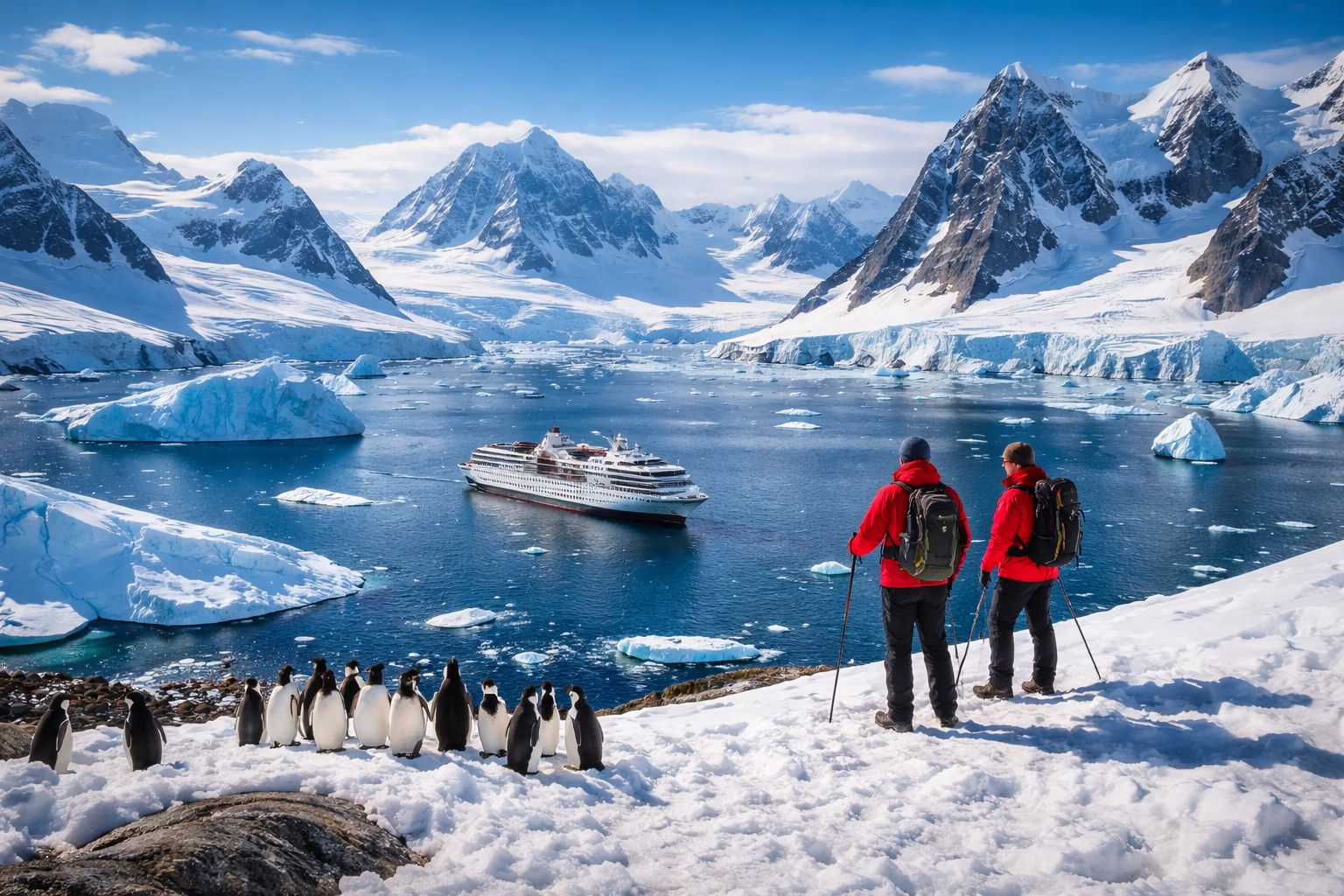
Few places on Earth stir the imagination like Antarctica. Vast, silent, and startlingly pure, it is one of the last remaining destinations untouched by mass tourism. For travelers seeking a journey beyond the familiar, a trip to Antarctica in 2026 promises not only extraordinary scenery but also the profound sense of awe that comes from standing at the edge of human exploration.
- 2026 brings more comfortable, environmentally conscious expeditions, including fly-cruise options and expert-led shore excursions.
- Towering glaciers, blue icebergs, and sites like Lemaire Channel, Deception Island, and Paradise Bay define Antarctica’s otherworldly landscape.
- Wildlife encounters are unmatched: penguins, seals, whales, and seabirds, with strict IAATO regulations to protect habitats.
- Travel season runs November through March; book early for 2026 as demand will rise and operators adopt greener technologies.
This article will guide you through what makes Antarctica such a remarkable destination, what visiting in 2026 will entail, how to get there, when to go, and what you can expect from an expedition to the frozen continent. Whether you have dreamed about seeing penguins in their natural habitat or simply wish to experience the serenity of a place where civilization feels a world away, this guide will help you decide if Antarctica truly deserves a place on your 2026 travel list.
The Growing Accessibility of Antarctica
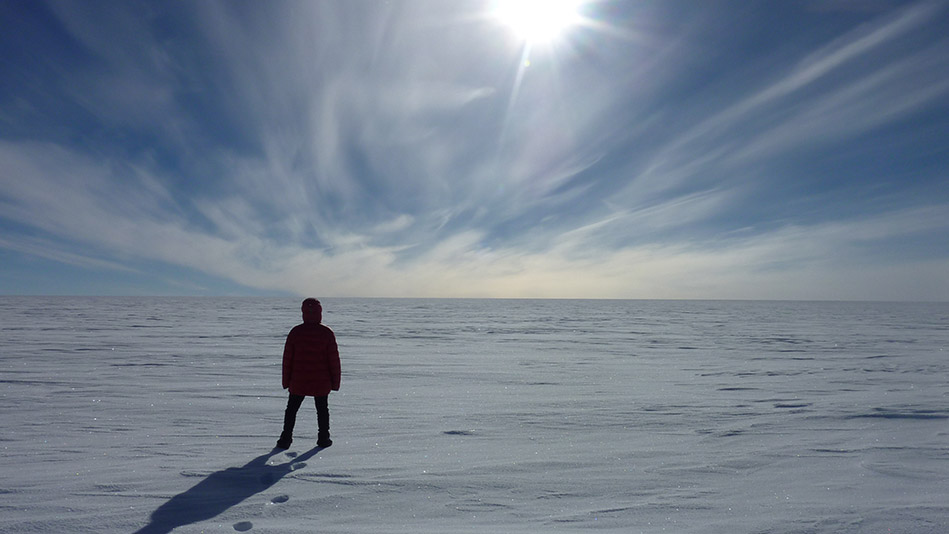
For decades, setting foot on Antarctica was something only scientists or extreme adventurers could do. Today, increasing accessibility through small ship expeditions has opened this once unreachable destination to curious travelers. By 2026, these voyages are expected to be more comfortable, environmentally conscious, and better equipped to handle the unique challenges of polar environments.
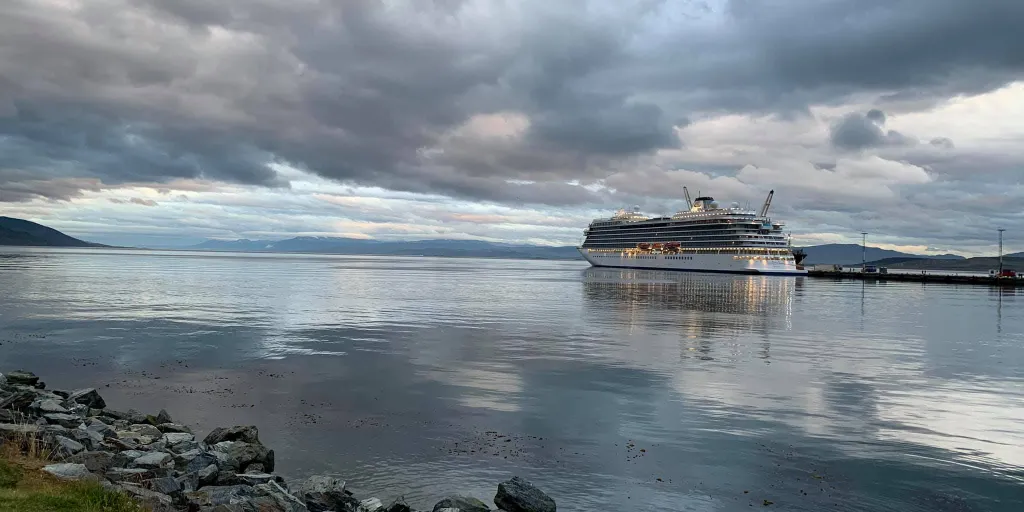
Most travelers reach the continent via cruise expeditions from Ushuaia in southern Argentina. A growing number of operators also offer fly-cruise options, which allow you to skip the often rough Drake Passage and begin your adventure directly from King George Island. Expedition teams usually include expert naturalists, historians, photographers, and marine biologists who enhance the experience with fascinating lectures and guided shore excursions.
The improvement in infrastructure, coupled with the increasing focus on sustainable travel, has made visiting Antarctica safer, more educational, and more ethically responsible than ever before. If you plan carefully, 2026 could be a prime year for experiencing this evolving frontier before it becomes too common a journey.
The Magic of the Antarctic Landscape
Antarctica’s first impression is overwhelming. The sheer scale of its glaciers, the shimmer of endless ice fields, and the presence of wildlife thriving against impossible odds create a setting that feels both otherworldly and deeply humbling.
Imagine cruising through narrow channels flanked by towering icebergs that glow blue in the sunlight. Snow petrels glide silently overhead while the thunder of calving glaciers echoes across the still water. Visiting Antarctica is not about checking off landmarks, but about experiencing an environment that is both majestic and fragile.
Related Posts:
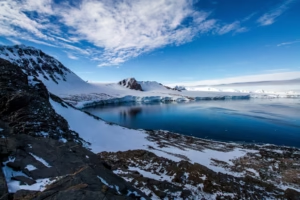
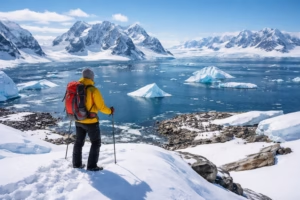
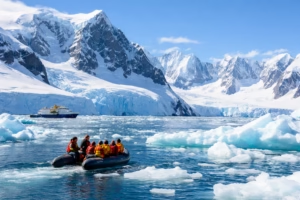
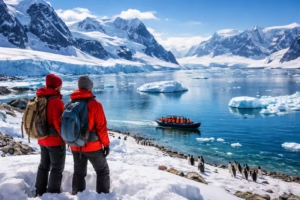
Some of the unmissable highlights include:
- The Lemaire Channel known as one of the most photogenic waterways in the world, edged by cliff faces that rise straight from the sea
- Deception Island a volcanic caldera offering surreal black sand beaches and steaming thermal areas among the snow
- Paradise Bay where it is possible to step onto the continent itself and feel the magnitude of standing at the bottom of the world
By 2026, advances in navigation and expedition planning will allow visitors to explore even deeper into remote areas like the Weddell Sea or the Antarctic Circle, regions once reserved only for research missions.

Wildlife Encounters Like Nowhere Else
The wildlife of Antarctica defies expectation. Far from being a frozen wasteland, it is a thriving ecosystem filled with remarkable adaptations to the cold. Seeing these animals in their natural environment is one of the most moving experiences any traveler can have.
From colonies of thousands of penguins to majestic whales breaching alongside your ship, every moment feels like a privilege. Expect to encounter:
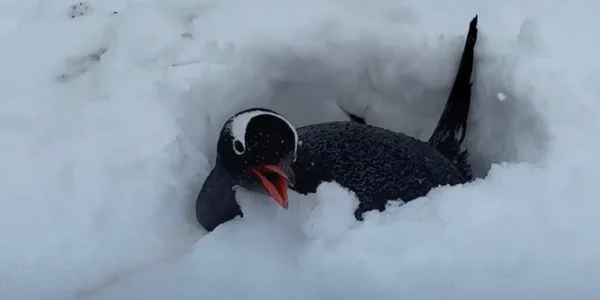
- Penguins including Gentoo, Chinstrap, and Adelie species, often curious and unafraid of human presence
- Seals such as Weddell and leopard seals, often seen lounging on drifting ice floes
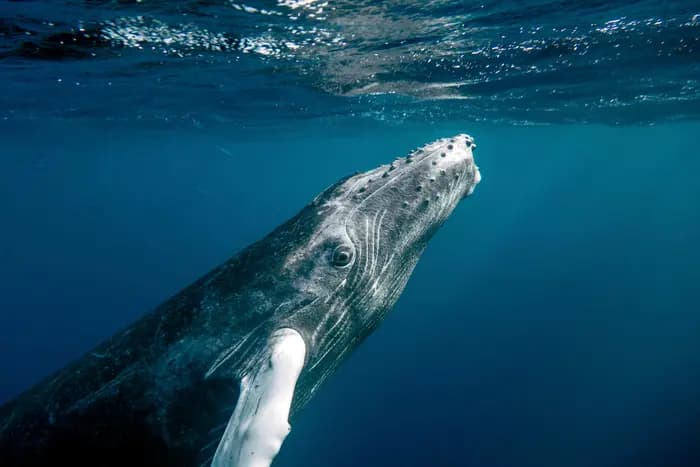
- Whales including humpback, minke, and orca, frequently sighted between December and March
- Sea birds from giant petrels to elegant albatrosses riding the polar winds
Wildlife observation is strictly regulated to protect these pristine habitats. Make sure to choose a tour operator accredited by the International Association of Antarctica Tour Operators (IAATO), which ensures responsible visiting practices.
When to Go and What to Expect in 2026
The Antarctic travel season runs from November through March, each month offering distinct experiences.
- Early Season (November to early December) The ice begins to break, penguins court and nest, and landscapes look especially clean and crystalline.
- Mid Season (late December through January) The most popular time to visit, featuring long days, high wildlife activity, and warmer temperatures.
- Late Season (February through March) Ideal for whale watching and striking photographs of multicolored sunsets over the ice.
In 2026, expect expedition itineraries tailored for a deeper and more sustainable immersion. Operators are investing in hybrid propulsion systems and waste reduction programs that minimize ecological footprints. Booking early will be essential, as demand is expected to exceed supply for peak dates.
What to Pack and How to Prepare
Cold weather gear is usually supplied by your expedition company, but some essentials will greatly improve your comfort. Pack the following:
- Layered clothing that regulates temperature efficiently
- Waterproof gloves and boots suitable for zodiac landings
- Quality sunglasses and high SPF sunscreen, since UV radiation is strong even under cloudy skies
- Binoculars for wildlife spotting
- Reusable water bottle and eco-friendly toiletries to reduce single-use plastic
Preparation also means mental readiness. Antarctica requires adaptability and patience, as weather conditions can alter landing schedules. A positive spirit and willingness to embrace unpredictability will turn sudden detours into unexpected adventures.
Is It Worth the Cost
Antarctica is undeniably one of the most expensive travel destinations on Earth. Voyages typically range from one week to three weeks and can cost from several thousand to tens of thousands of dollars depending on the level of comfort and itinerary. However, travelers consistently describe it as more than a trip—it is an encounter with the planet in its rawest form.
In 2026, rising demand and limited visitor capacity may continue to drive costs upward, yet the experience remains unmatched in emotional depth. The sense of perspective gained from standing before endless ice and realizing the fragility of our planet is something that often changes how travelers view the world long after they return home.
If adventure, natural beauty, and personal transformation are what you seek, Antarctica delivers all three with unfiltered intensity.
Conclusion: A Journey Beyond Imagination
Visiting Antarctica is not about luxury or ticking off another continent from a list. It is about witnessing the purity of nature, understanding our planet’s delicate balance, and feeling profoundly alive in a place that hardly seems real. By 2026, with evolving expedition options, a stronger focus on sustainability, and a growing appreciation for travel that transforms rather than consumes, the White Continent presents an experience that is truly worth it.
For those who crave adventure that challenges the senses and nourishes the soul, Antarctica stands as the ultimate reward. If you go, go with respect, curiosity, and a deep appreciation for the extraordinary privilege of being able to set foot on one of Earth’s final frontiers.
Further Reading
Best Beaches in Southern Europe
Cheapest Countries to Visit in Africa
Travel to Somalia; How I Traveled to Mogadishu