Istanbul to Sofia Train Itinerary: A Scenic Journey
Explore the Istanbul to Sofia train itinerary, including tips, schedules, and sights along the way for a memorable travel experience.
The train journey from Istanbul to Sofia is not only a practical way to traverse the border between Turkey and Bulgaria; it also offers an opportunity to experience the stunning landscapes of both countries. This itinerary will guide you through the necessary steps, practical tips, and the rich experiences waiting for you on this route.
Traveling by train allows you to relax and absorb the sights as you pass through picturesque villages, rolling hills, and expansive fields, making it a wonderful alternative to flying. This article provides an in-depth overview of the train schedule, what to expect during your journey, and tips to enhance your travel experience.
Whether you are a seasoned traveler or a first-time visitor to Europe, this guide aims to equip you with everything you need to know to embark on your Istanbul to Sofia adventure.
Understanding the Train Schedule
The train service connecting Istanbul and Sofia is relatively straightforward, with a couple of options available each day. The most popular option is the express train, known as the Balkan Express. Below is a detailed breakdown of the train schedule:
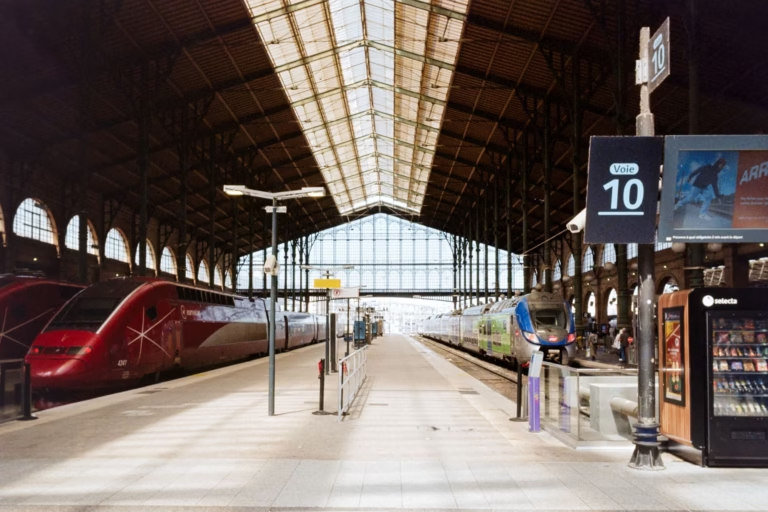
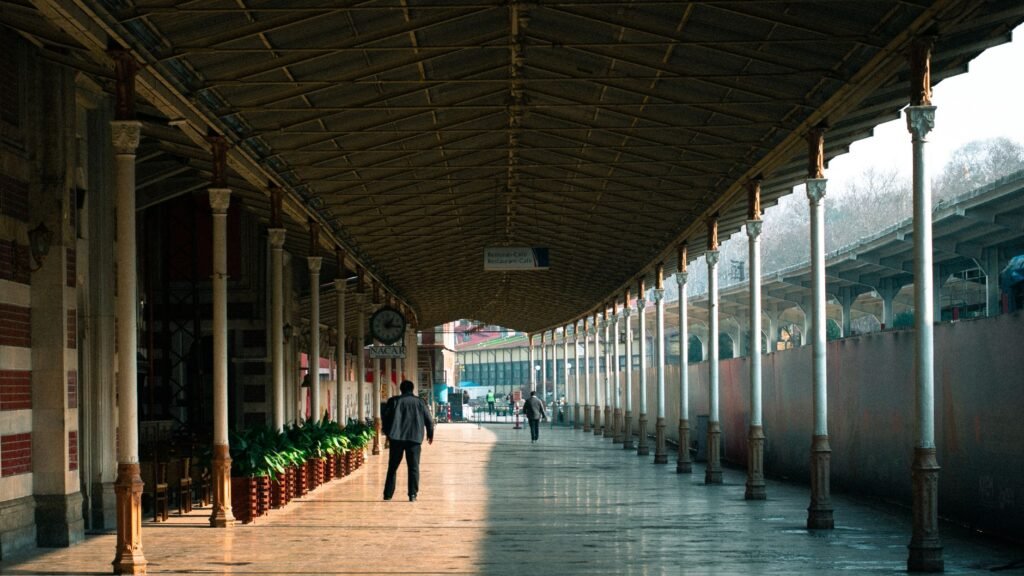
- Departure from Istanbul: Trains typically leave from the Sirkeci Railway Station. The first train usually departs around 9:00 AM, with a second train at 6:30 PM.
- Duration: The journey takes approximately 10 to 12 hours, depending on the train and any delays at the border.
- Arrival in Sofia: Trains arrive at Sofia Central Railway Station, located conveniently in the city center.
It is important to check the current schedule before your journey, as times may vary slightly. Booking in advance is also recommended, especially during peak travel seasons.
Booking Your Train Tickets
Booking tickets for the Istanbul to Sofia train can be done through various channels. Here are the main options:
- Online Booking: Websites such as the Turkish State Railways (TCDD) and Bulgarian State Railways (BDZ) offer online ticketing services. This is often the most convenient option.
- Train Stations: You can purchase tickets at the Sirkeci Railway Station in Istanbul or at Sofia Central Railway Station. Remember to bring your passport for ticket verification.
- Travel Agencies: Local travel agencies can also assist with bookings and might offer package deals that include guided tours.
Prices for the train tickets can vary, so it’s advisable to compare rates online. Expect to pay between €15 and €30 depending on the class of service chosen.
What to Expect on the Train
Traveling on the Balkan Express offers a comfortable experience, but there are a few things to keep in mind:
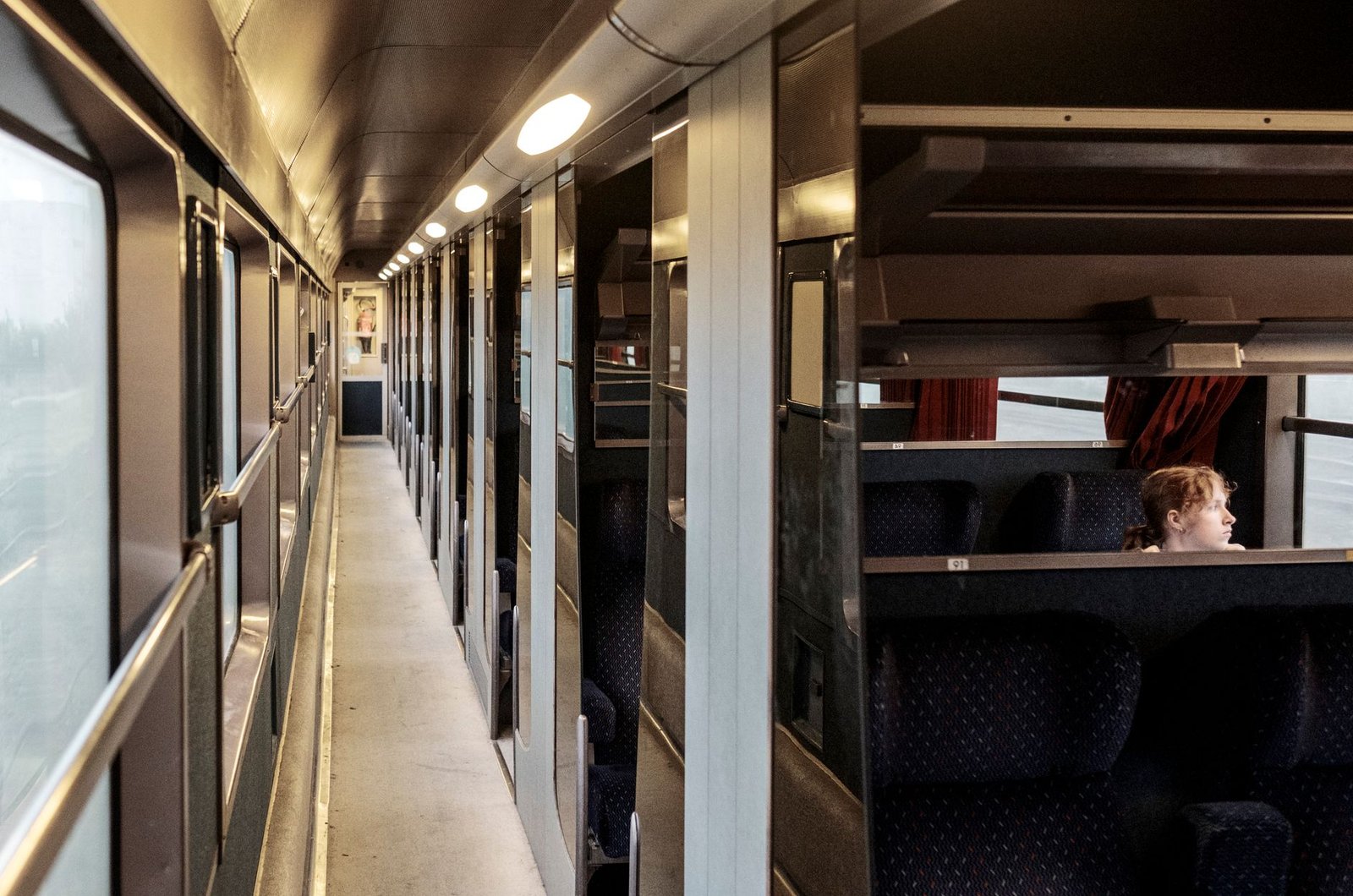
- Seating Options: The train typically offers both standard and first-class seating. First-class provides more space and amenities, while standard class is sufficient for most travelers.
- Dining Services: A dining car is usually available, serving local meals and refreshments. However, bringing your own snacks and drinks is a good idea, especially for a long journey.
- Scenic Views: The train route passes through beautiful landscapes, including the Thracian plains and the Balkan mountains. Be sure to have your camera ready!
While the journey may take a significant amount of time, the experience of watching the world pass by can be quite rewarding.
Border Crossing Tips
Crossing the border from Turkey into Bulgaria is a critical part of the journey. Here’s what you need to know:
- Passport Control: Passengers will need to disembark the train for passport checks. Ensure you have your passport ready and any necessary visa documentation, if required.
- Customs Regulations: Familiarize yourself with customs regulations for both countries to avoid any issues. Typically, personal items are allowed, but it’s best to check the latest regulations.
- Timing: Border crossing can take some time, sometimes up to an hour, so be patient and keep an eye on the time to avoid missing your next connections.
Exploring Sofia Upon Arrival
Once you arrive in Sofia, there are numerous attractions and activities to enjoy:
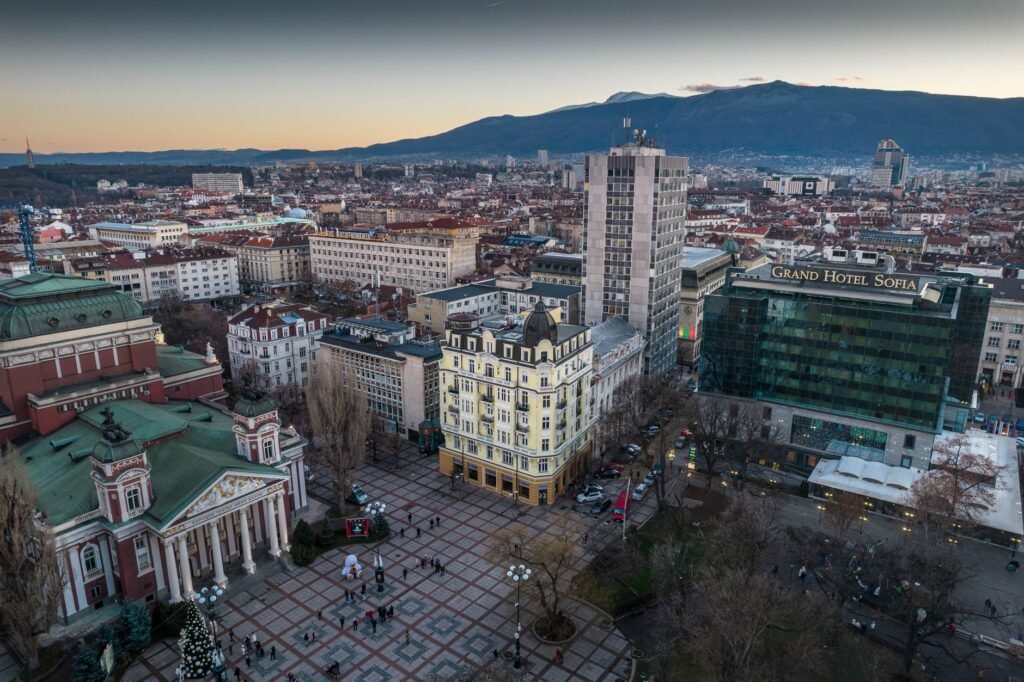
- Alexander Nevsky Cathedral: An iconic symbol of Sofia, this cathedral is known for its stunning architecture and beautiful mosaics.
- Vitosha Boulevard: A lively pedestrian street lined with shops, cafes, and restaurants, perfect for a leisurely stroll.
- National History Museum: Located in a former royal palace, this museum showcases Bulgaria’s rich history and culture.
Many of these attractions are within walking distance from Sofia Central Railway Station, making it easy to start your exploration right after arrival.
Packing Tips for Your Trip
When preparing for your train journey from Istanbul to Sofia, consider the following packing tips:
- Comfortable Clothing: Dress in layers, as temperatures can vary on the train. Comfortable shoes are also recommended for exploring Sofia.
- Snacks and Water: While food is available on the train, having your own snacks and a refillable water bottle can be convenient.
- Entertainment: Bring books, music, or podcasts to keep you entertained during the long journey.
Practical Considerations for Travelers
Traveling internationally always requires some additional considerations. Here are practical tips to enhance your journey:
- Currency: Familiarize yourself with the local currencies. In Turkey, you will use the Turkish Lira, while in Bulgaria, the currency is the Bulgarian Lev.
- Language: While many people in Sofia speak English, learning a few basic phrases in Bulgarian can be helpful and appreciated by locals.
- Safety: Both Istanbul and Sofia are generally safe for travelers. However, always stay aware of your surroundings and keep your belongings secure.
Scenic Stops Along the Route
Highlights of the Journey
The train journey from Istanbul to Sofia is not just about reaching your destination, but also about enjoying the stunning landscapes and charming towns along the way. As the train departs from Istanbul, passengers are treated to views of the bustling city slowly giving way to lush green fields. The first notable stop is Edirne, known for its impressive architecture and rich history. Here, travelers can admire the Selimiye Mosque, a UNESCO World Heritage site, before reboarding the train.
As the train continues its journey, it passes through the picturesque landscapes of Thrace, characterized by rolling hills and vineyards. This region is famous for its wine production, and many travelers find it worthwhile to take a short detour to visit local wineries and taste the exquisite Bulgarian wines. The scenic beauty of the countryside offers ample opportunities for photography, so be sure to keep your camera handy.
Recommended Stops
- Edirne: Explore the historical sites and enjoy traditional Turkish cuisine.
- Kapikule: A border town where you can experience the local culture and shop for souvenirs.
- Plovdiv: Although a bit off the main route, it’s worth the visit for its ancient Roman theater and vibrant arts scene.
Experiencing Local Culture
Each stop on the way to Sofia provides a unique opportunity to immerse yourself in local culture. In Edirne, try the famous Edirne Tava Ciğeri, a dish of fried liver that is a local specialty. Interacting with locals can also provide insights into their way of life, traditions, and even language. Engaging in conversations at local cafes or markets can enrich your travel experience significantly.
Travelers should also consider timing their journey to coincide with local festivals, which can enhance the experience. Festivals often showcase traditional music, dance, and culinary delights that can help travelers connect with the culture on a deeper level.
Onboard Amenities and Services
Dining Options
While onboard, travelers can enjoy a range of dining options. The train typically offers a dining car where passengers can purchase meals, snacks, and beverages. The menu often includes both Turkish and Bulgarian dishes, allowing travelers to sample the culinary delights of both countries. For those with dietary restrictions, it is advisable to bring along some snacks or a packed meal for the journey.
For a more enjoyable experience, consider trying local specialties such as manti (Turkish dumplings) or banitsa (a traditional Bulgarian pastry) if available. The dining car is also a great place to socialize with fellow travelers, making the meal a memorable part of the journey.
Comfort and Entertainment
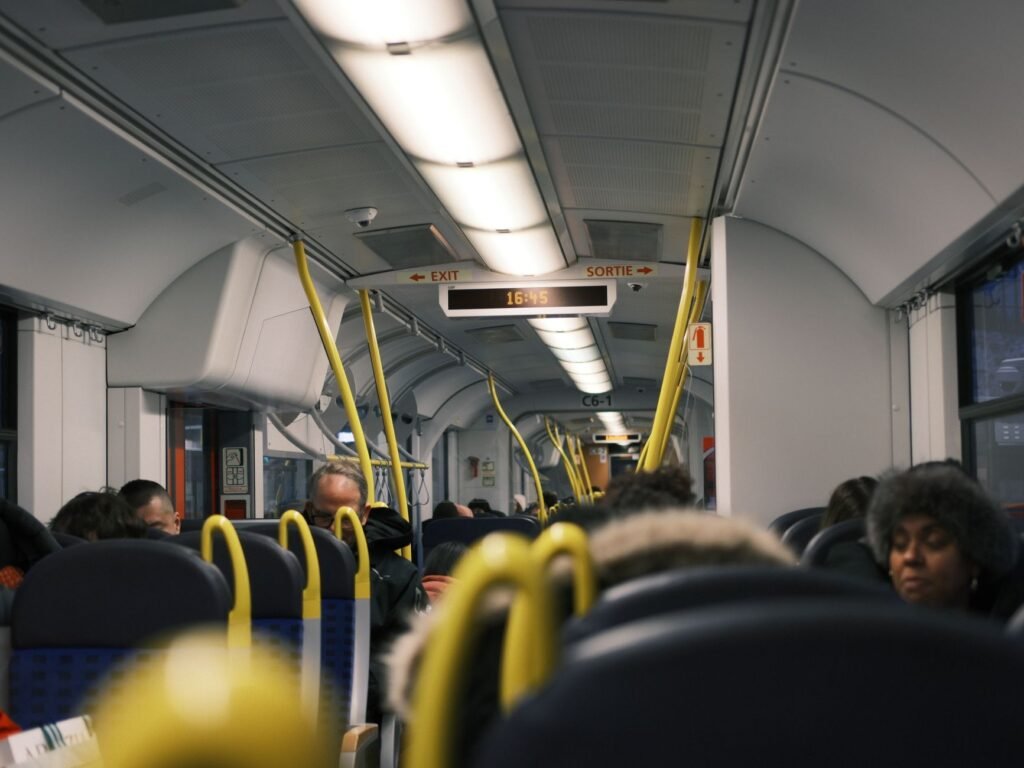
Comfort is key during the long journey, and trains on this route are designed to provide a pleasant experience. Seating is generally spacious, with reclining options available for a more comfortable ride. Travelers are encouraged to bring along personal entertainment such as books, music, or movies downloaded on their devices, as the journey can take several hours.
Moreover, some trains may offer onboard Wi-Fi, allowing passengers to stay connected during the trip. However, it’s wise to check ahead of time as connectivity can vary. If Wi-Fi is available, be mindful of using it sparingly to conserve battery life on personal devices.
Accessibility Features
For travelers with mobility issues, it is essential to know that many trains offer accessibility features. This includes designated seating areas and restrooms that are wheelchair accessible. However, it is advisable to contact the train service in advance to ensure all necessary accommodations are in place. Additionally, boarding might require some assistance, so arriving early can help make the transition smoother.
Tips for a Smooth Journey
Traveling with Pets
Traveling with pets can be a delightful experience, but it requires some additional planning. Many train services allow pets on board, but there are specific regulations that need to be followed. Generally, pets must be kept in carriers or on a leash at all times, and there may be a weight limit. It’s advisable to check with the train operator for their pet policy before embarking on your journey.
Before the trip, ensure your pet is comfortable in its carrier. Bring along familiar items such as a favorite blanket or toy to help ease any anxiety. Additionally, consider scheduling frequent breaks at stops to let your pet stretch and relieve itself.
Preparing for Different Weather Conditions
The weather can vary significantly between Istanbul and Sofia, so it’s important to check the forecast before you travel. This is especially crucial if you plan to explore towns along the route. Packing layers is recommended, as temperatures can fluctuate throughout the day. Lightweight, breathable clothing is ideal for warmer days, while a warmer jacket might be necessary for evenings or cooler spells.
In case of inclement weather, be sure to bring along an umbrella or a raincoat. Having appropriate clothing can make a significant difference in enjoying the journey and any planned excursions.
Currency and Payment Options
As you travel from Istanbul to Sofia, you will encounter different currencies: the Turkish Lira in Turkey and the Bulgarian Lev in Bulgaria. It’s advisable to have some local currency on hand, especially when making purchases in smaller towns along the route. Major credit cards are widely accepted in larger cities, but smaller establishments may prefer cash.
To avoid high exchange fees, consider withdrawing cash from ATMs, which often provide competitive exchange rates. Additionally, keep an eye on the currency exchange rates before your trip to ensure you get the best value for your money.
Gastronomic Delights on the Journey
Local Cuisine to Try
Traveling from Istanbul to Sofia offers more than just scenic views; it’s also a culinary adventure. Each stop along the way presents an opportunity to taste regional specialties. In Turkey, try the delicious kebabs or mezes, small dishes that showcase the rich flavors of Turkish cuisine. In Bulgaria, do not miss out on shopska salad, a refreshing mix of tomatoes, cucumbers, and feta cheese, which is a staple in Bulgarian dining.
Dining Options at Stations
Trains usually make stops at major stations where you can grab a bite to eat. Stations like Edirne and Plovdiv have numerous eateries catering to travelers. Here’s a short list of dining options you can find:
- Cafes offering local pastries
- Fast food chains for quick meals
- Traditional restaurants for a sit-down experience
Packable Snacks for the Journey
For those long stretches on the train, packing some snacks can keep your energy levels up. Consider items like trail mix, dried fruits, or local sweets such as Turkish delight or banitsa. These treats not only satisfy hunger but also allow you to savor local flavors during your trip.
Understanding Cultural Differences
Social Etiquette in Turkey and Bulgaria
Being aware of cultural norms can greatly enhance your travel experience. In Turkey, greetings are usually warm and involve a handshake, while in Bulgaria, it’s common to nod your head to signify agreement. Familiarizing yourself with these customs can help avoid misunderstandings.
Language Tips
While many people in both countries speak English, knowing a few phrases in Turkish and Bulgarian can be beneficial. Simple greetings like Merhaba (Hello) in Turkish or Zdraveyte (Hello) in Bulgarian can endear you to locals. Additionally, learning phrases such as thank you (Teşekkür ederim in Turkish and Blagodarya in Bulgarian) can go a long way.
Celebrations and Festivals
Traveling during local festivals can enhance your journey. In Bulgaria, the Rose Festival in June celebrates the rose harvest, attracting visitors with parades and cultural performances. In Istanbul, the Ramazan Festival offers a vibrant atmosphere filled with food stalls and lively gatherings.
Scenic Photography Spots
Best Views from the Train
As you journey from Istanbul to Sofia, keep your camera ready for breathtaking landscapes. The stretch through the eastern Thrace region features rolling hills and picturesque vineyards. Make sure to find a spot by the window for unobstructed views.
Iconic Landmarks to Capture
While viewing the Turkish countryside, you can spot historical landmarks such as the Edirne Selimiye Mosque. In Bulgaria, as you approach Sofia, the Aleksander Nevski Cathedral is a must-capture landmark due to its stunning architecture.
Tips for Capturing the Best Shots
- Use natural light for better photos
- Consider the time of day for optimal scenery
- Bring a lens cloth to keep your camera lens clean
Frequently Asked Questions
How long does the train journey take from Istanbul to Sofia?
The train journey typically takes around 10 to 12 hours, depending on the specific service and any delays at the border.
What is the cost of tickets for the Istanbul to Sofia train?
Ticket prices generally range from €15 to €30, depending on the class of service and when you book your tickets.
What should I bring on the train?
It is advisable to bring comfortable clothing, snacks, a refillable water bottle, and any entertainment you may want during the journey.
Can I buy tickets on the train?
Tickets should be purchased before boarding, either online or at the station, as there may not be an option to buy tickets on the train.
The Bottom Line
The Istanbul to Sofia train itinerary offers a unique blend of comfort, scenic beauty, and cultural experiences. With proper planning and knowledge of the route, you can make the most of your journey, ensuring a memorable start to your adventure in Bulgaria.
Visa rules, prices and opening times change. Always confirm details with official sources before you travel.