Building Your Dream Getaway: Flat Pack Vacation Cabin
Explore the benefits, options, and tips for creating your ideal flat pack vacation cabin, perfect for a relaxing getaway in nature.
Flat pack vacation cabins have surged in popularity among travelers seeking unique and cost-effective accommodations. These prefabricated structures are designed for easy transportation and assembly, making them a practical choice for those looking to establish a getaway in nature. This guide will explore the many facets of flat pack vacation cabins, including their benefits, types, assembly processes, and tips for choosing the right one for your needs.
The idea of a flat pack vacation cabin is appealing for many reasons. First, they offer the charm of a traditional cabin without the extensive costs and commitments associated with building a custom home. Second, these cabins can often be erected in remote locations, providing an escape from the hustle and bustle of urban life. With diverse designs available, you can find a flat pack cabin that fits your style and budget.
Before diving into the specifics, it’s essential to understand the general concept of flat pack cabins. Typically, these cabins are delivered in panels or kits, allowing buyers to transport them easily to their desired location. Once there, assembly can often be completed in a matter of days, making them an appealing option for quick vacations or rental opportunities.
Benefits of Flat Pack Vacation Cabins
Flat pack vacation cabins offer numerous benefits, making them a top choice for many travelers. Here are some of the key advantages:
- Cost-Effective: Flat pack cabins are generally more affordable than traditional cabins. Their prefabricated nature reduces labor costs and construction time.
- Quick Assembly: Most flat pack cabins can be assembled in a few days, allowing you to enjoy your new space sooner rather than later.
- Customizable Designs: Many manufacturers offer a range of designs and sizes, enabling you to personalize your cabin according to your needs and preferences.
- Eco-Friendly Options: Many flat pack cabins are made from sustainable materials, making them an environmentally responsible choice.
- Portable: If you ever decide to relocate, many flat pack cabins can be disassembled and moved to a new site.
Consider the example of a couple who purchased a flat pack cabin to serve as their weekend retreat. They found a model that matched their aesthetic preferences and budget. After assembling the cabin in just three days, they spent many weekends enjoying nature, hosting friends, and unwinding from their busy city lives.
Types of Flat Pack Vacation Cabins
Flat pack vacation cabins come in various styles to suit different needs and preferences. Here are some common types:
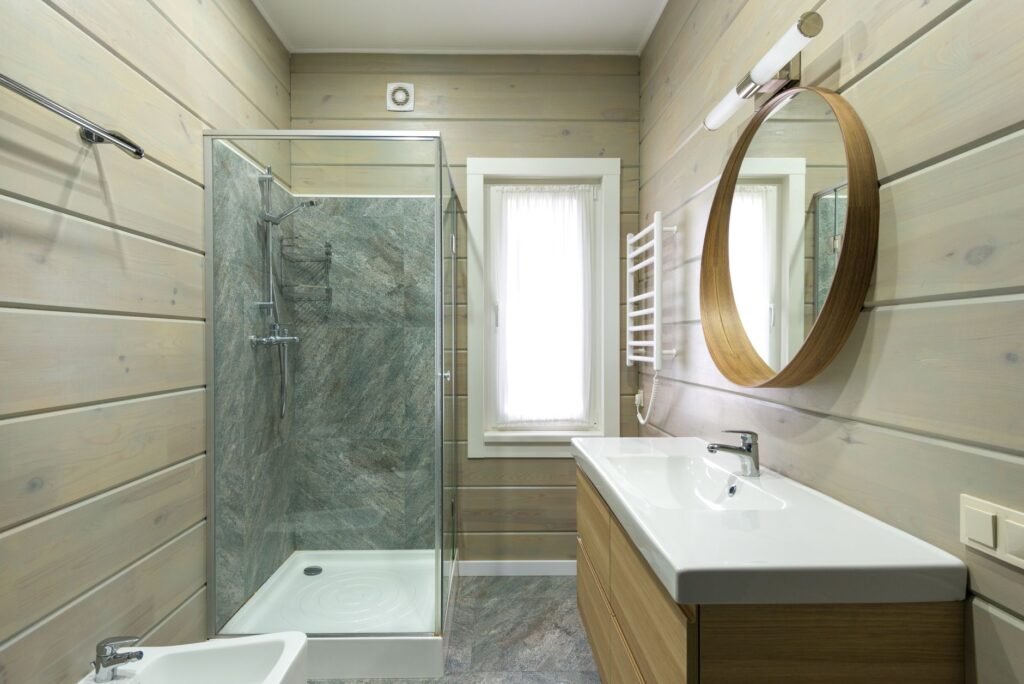
- Modern Cabins: These designs often feature sleek lines and large windows, offering a contemporary aesthetic that blends well with nature.
- Rustic Cabins: Ideal for those who love a traditional look, rustic cabins often utilize wood and stone to create a warm, inviting atmosphere.
- Eco-Friendly Cabins: Focused on sustainability, these cabins use environmentally friendly materials and energy-efficient designs.
- Compact Cabins: Perfect for small families or solo travelers, compact cabins maximize space and functionality without compromising style.
- Luxury Cabins: For those seeking a more upscale experience, luxury flat pack cabins often include high-end finishes and amenities.
When selecting a type, consider factors such as your budget, intended use, and personal style. For instance, a family looking to create a cozy retreat may prefer a rustic design, while a couple seeking a modern getaway might opt for a sleek, contemporary model.
Assembly Process for Flat Pack Cabins
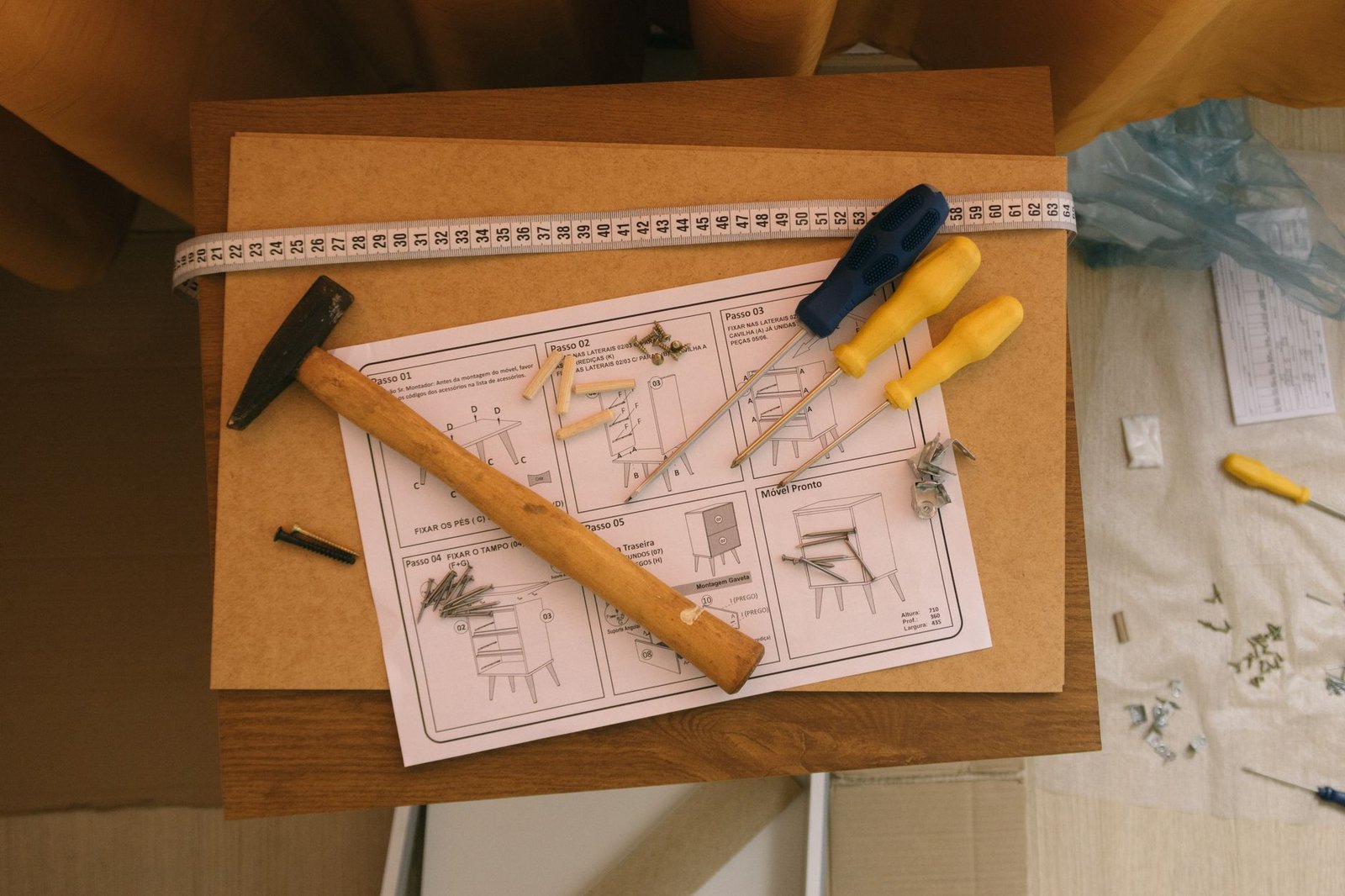
The assembly process for flat pack vacation cabins is designed to be straightforward, often requiring minimal tools and expertise. Here’s a general overview of what to expect:
- Preparation: Choose a suitable location and ensure that the ground is level. Obtain any necessary permits from local authorities before proceeding.
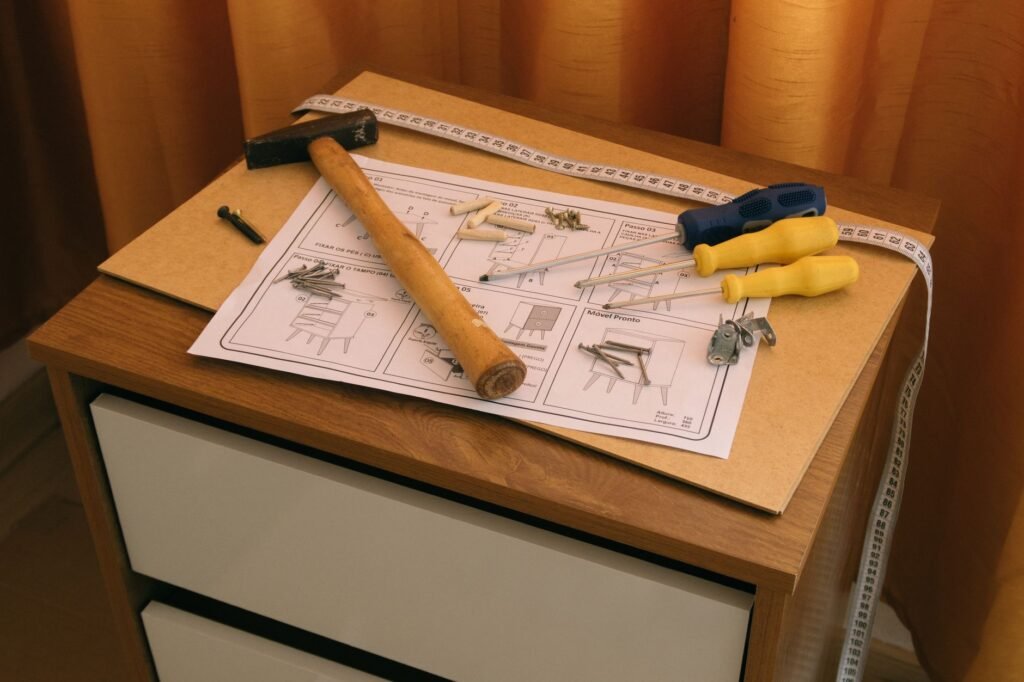
- Unpack and Organize: Carefully unpack the materials and organize them according to the assembly instructions. This step can save time and prevent confusion later on.
- Foundation Setup: Depending on the model, you may need to lay a foundation. This can be as simple as leveling the ground or constructing a more permanent base.
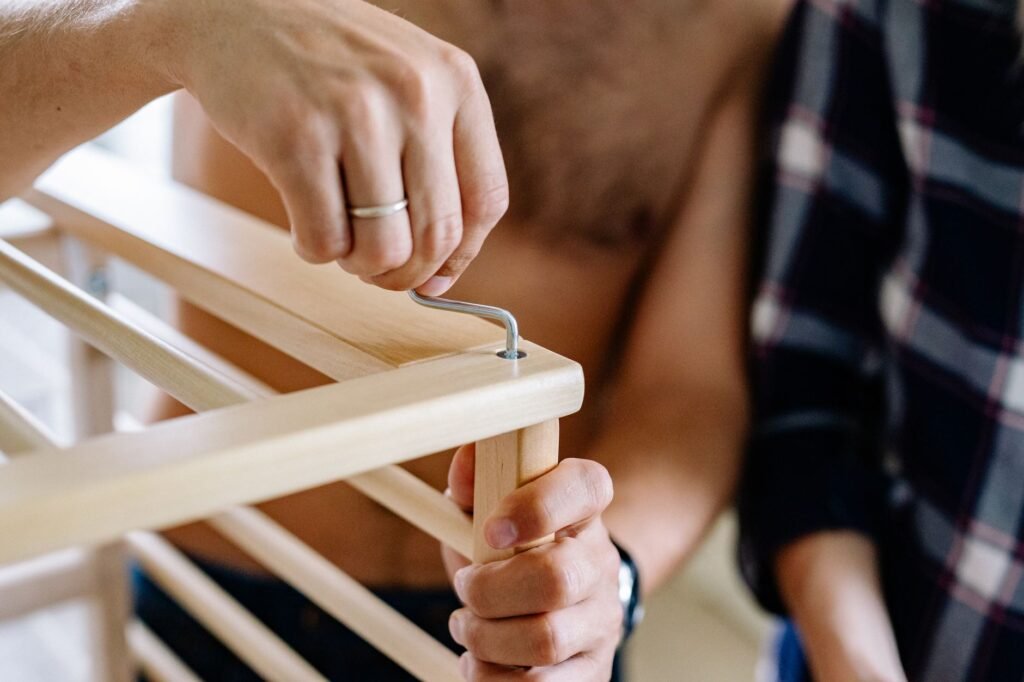
- Panel Assembly: Follow the provided instructions to assemble the panels. Many designs feature interlocking systems that make this process easier.
- Finishing Touches: Once the structure is up, add any desired finishes, such as paint, flooring, or fixtures to make the space livable.
It’s worth noting that although many flat pack cabins can be assembled by DIY enthusiasts, hiring a local contractor may be beneficial for those who want a professional finish or have limited experience.
Choosing the Right Flat Pack Cabin for Your Needs
Selecting the right flat pack cabin involves considering various factors. Here are some tips to help guide your decision:
- Budget: Determine how much you are willing to spend not only on the cabin itself but also on additional costs such as land preparation, utilities, and furnishings.
- Size: Consider how many people will be using the cabin and what amenities are necessary. A larger cabin may be suitable for families, while a smaller model may suffice for solo travelers or couples.
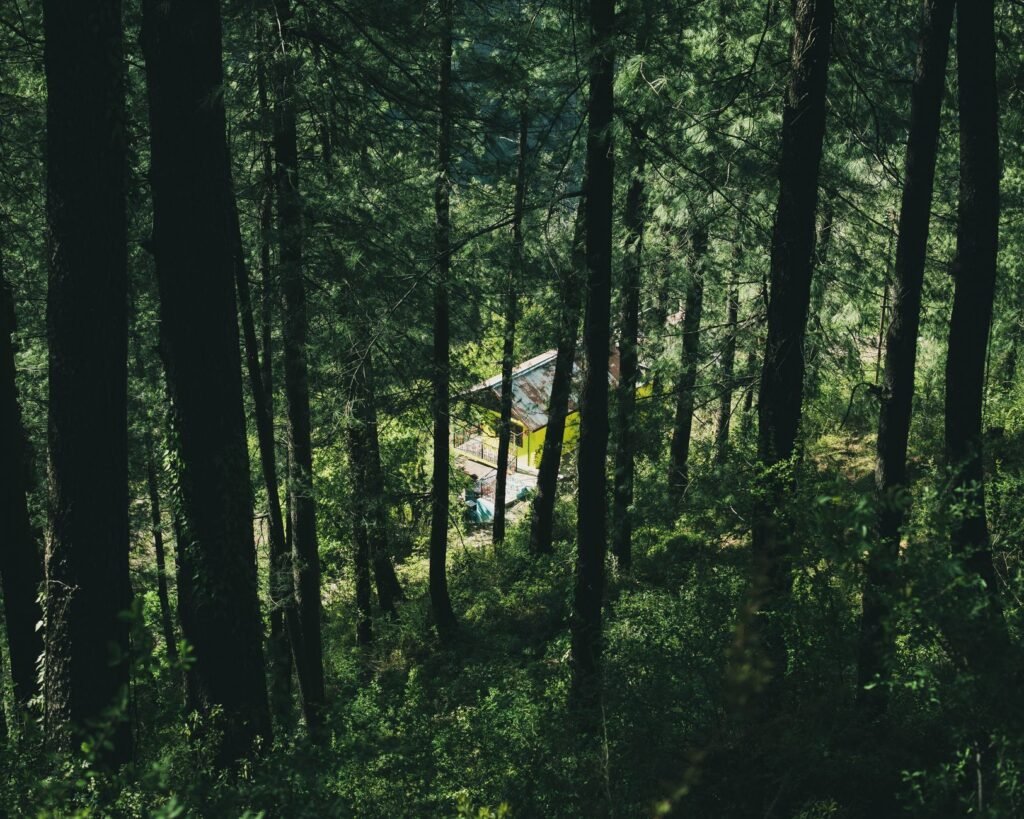
- Location: The site of your cabin is crucial. Ensure that you have access to necessary utilities and that the location aligns with your vacation goals, whether it’s seclusion or proximity to activities.
- Design Preferences: Reflect on your style preferences. Explore various designs and layouts to find one that resonates with your vision for your vacation retreat.
- Regulations: Research local building codes and zoning laws to ensure that your chosen cabin complies with regulations.
For example, if you prioritize eco-friendliness, you might lean towards a cabin made from sustainable materials, even if it comes at a slightly higher price point.
Costs Associated with Flat Pack Cabins
The costs of flat pack vacation cabins can vary widely based on several factors. Here’s a breakdown of potential expenses:
- Cabin Kit Cost: The price of the cabin itself can range from a few thousand dollars to tens of thousands, depending on size and complexity.
- Site Preparation: Preparing the land can include leveling, clearing, and building a foundation, which can add to your overall budget.
- Utilities: If your cabin will be used year-round, consider installation costs for electricity, water, and sewage systems.
- Interior Furnishings: Budget for furniture, appliances, and décor to make the cabin comfortable and inviting.
- Permits and Fees: Don’t forget to account for any local permits and fees required for building on your chosen site.
Estimating these costs ahead of time will help you avoid surprises and ensure that your flat pack vacation cabin remains within budget.
Maintenance Tips for Your Flat Pack Cabin
Once your flat pack vacation cabin is assembled, regular maintenance is key to ensuring its longevity. Here are some maintenance tips:
- Inspect Regularly: Check for any signs of wear or damage, especially in areas prone to moisture or pests.
- Clean Gutters: Ensure that gutters and drainage systems are clear to prevent water damage.
- Protect the Exterior: Apply protective coatings or stains to the exterior wood to guard against weathering and rot.
- Check Insulation: Make sure that insulation remains intact to maintain energy efficiency, particularly if you use the cabin year-round.
- Prepare for Seasons: Winterize your cabin if it will be unoccupied during colder months, ensuring pipes are drained and insulated.
By staying on top of these maintenance tasks, you can ensure that your flat pack vacation cabin remains a welcoming retreat for years to come.
Designing Your Flat Pack Vacation Cabin
Customizing the Interior
When it comes to the interior design of your flat pack vacation cabin, options are virtually limitless. You can tailor the space to reflect your personal style, whether you prefer a modern minimalist aesthetic or a cozy rustic feel. Consider incorporating multi-functional furniture, such as a sofa bed or expandable dining table, to maximize the usability of space, especially in smaller cabins.
Here are some ideas for customizing the interior:
- Use a neutral color palette for walls and larger furniture pieces to create a sense of openness.
- Add pops of color with cushions, artwork, or decorative items.
- Incorporate natural materials like wood and stone to enhance the cabin’s connection to nature.
- Install built-in shelves to save floor space while providing ample storage.
Creating an Outdoor Oasis
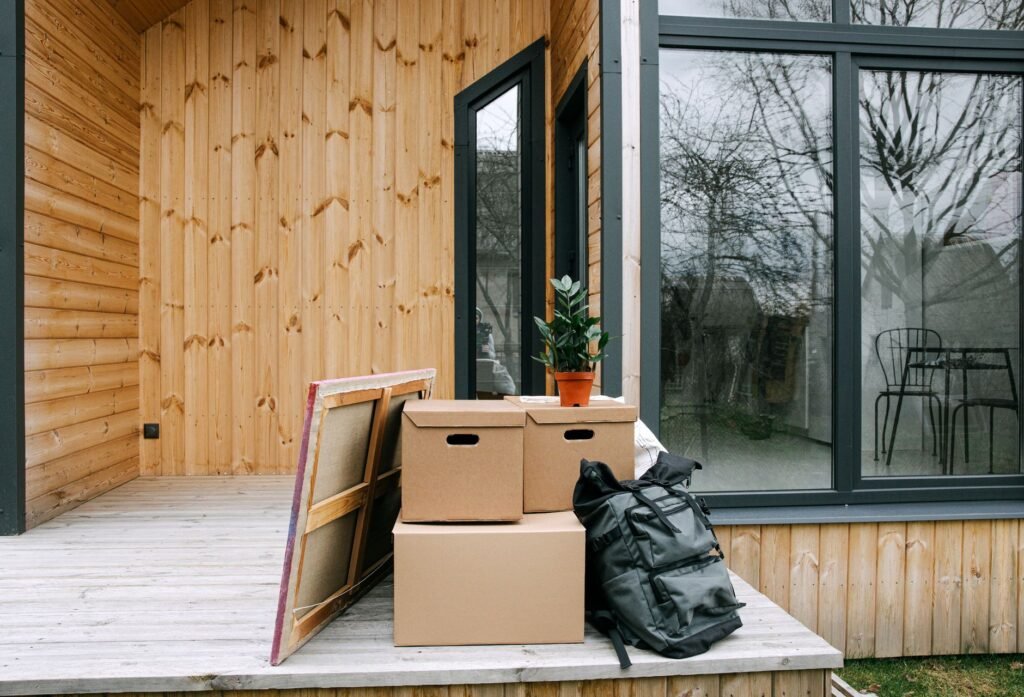
The exterior of your flat pack vacation cabin is just as important as the interior. Transforming the surrounding area into an outdoor oasis can enhance your getaway experience. Consider adding a deck, patio, or porch where you can enjoy the views and fresh air. A fire pit can also serve as a focal point for gatherings with family or friends.
Here are some outdoor features to consider:
- Install comfortable outdoor seating, such as lounge chairs or a hammock.
- Include a grill or outdoor kitchen area for al fresco dining.
- Utilize landscape lighting to create ambiance during the evenings.
- Incorporate native plants and flowers to reduce maintenance and enhance the natural beauty.
Incorporating Sustainable Practices
As you design your flat pack vacation cabin, integrating sustainable practices can make your getaway more eco-friendly. From energy-efficient appliances to water-saving fixtures, there are many ways to reduce your environmental impact. Additionally, you can source materials responsibly and consider renewable energy options.
Consider these sustainable practices:
- Install solar panels to generate your own electricity.
- Use rainwater harvesting systems for irrigation and non-potable uses.
- Choose low-VOC paints and finishes to improve indoor air quality.
- Opt for reclaimed or sustainably sourced materials in your construction.
Legal Considerations for Flat Pack Vacation Cabins
Understanding Zoning Laws
Before you set your heart on a particular location for your flat pack vacation cabin, it is crucial to understand local zoning laws. These regulations can dictate where you can place a cabin, how large it can be, and whether it can be used for rental purposes. Researching zoning restrictions can save you from potential legal issues down the road.
Key zoning considerations include:
- Residential vs. commercial zoning restrictions.
- Setback requirements from property lines, roads, or bodies of water.
- Permitted uses, some areas may restrict short-term rentals.
- Building codes that dictate construction standards and safety measures.
Permits and Regulations
Obtaining the necessary permits is a critical step in the cabin-building process. Depending on your location, you may need to secure building permits, environmental permits, or special use permits. Engaging with local authorities early in your planning can help streamline this process and ensure compliance with all regulations.
Common permits needed include:
- Building permit for construction.
- Electrical permit if installing wiring.
- Plumbing permit for water and sewage systems.
- Septic permit if you are not connected to municipal sewer systems.
Insurance Considerations
Insuring your flat pack vacation cabin is essential to protect your investment. Standard homeowner’s insurance may not cover specific risks associated with vacation properties, so consulting with an insurance agent who specializes in vacation rentals is advisable. It is also important to assess whether you need additional coverage for liability or rental income.
Here are some aspects to consider when obtaining insurance:
- Determine if you need coverage for short-term rentals.
- Assess coverage for natural disasters based on your location.
- Consider liability coverage for guests visiting your property.
- Review coverage for personal belongings and furniture.
Maximizing Your Flat Pack Vacation Cabin Experience
Setting Up Smart Technology
Implementing smart technology in your flat pack vacation cabin can enhance convenience and security. Smart devices allow you to manage various aspects of your cabin remotely, from temperature control to security systems. As technology evolves, integrating smart features can make your getaway more enjoyable and energy-efficient.
Consider these smart technology options:
- Smart thermostats to optimize heating and cooling.
- Smart locks for keyless entry and enhanced security.
- Smart lighting systems to create a welcoming atmosphere.
- Security cameras to monitor the property remotely.
Planning for Seasonal Use
Your flat pack vacation cabin can be a year-round retreat, but it is essential to plan for seasonal usage. Different seasons may require various preparations, such as winterizing your cabin or ensuring it is equipped for summer activities. Consider how seasonal changes will affect your cabin experience and plan accordingly.
Here are some seasonal tips:
- Winterize plumbing and heating systems to prevent freezing.
- Stock up on seasonal gear, like snowshoes for winter or kayaks for summer.
- Adjust landscaping to ensure safe access during snowy months.
- Set up seasonal decorations to enhance the ambiance.
Creating Lasting Memories
Ultimately, the goal of your flat pack vacation cabin is to serve as a backdrop for creating lasting memories with loved ones. Engaging in activities together, whether it is hiking, cooking, or simply relaxing, can strengthen relationships and create cherished experiences. Consider planning events or themed weekends to make every visit special.
Ideas for creating memorable experiences include:
- Organize family game nights or movie marathons.
- Hold seasonal celebrations, like summer barbecues or winter holidays.
- Plan outdoor adventures, such as hiking, fishing, or stargazing.
- Document your experiences with a guest book or photo album.
Frequently Asked Questions
What is a flat pack vacation cabin?
A flat pack vacation cabin is a prefabricated cabin that comes in panels or kits, designed for easy transportation and assembly, allowing for quick set-up in various locations.
How long does it take to assemble a flat pack cabin?
Assembly time can vary, but many flat pack cabins can be erected within a few days, depending on the complexity of the design and the experience of the builders.
Are flat pack cabins environmentally friendly?
Many flat pack cabins are constructed using sustainable materials and energy-efficient designs, making them a more environmentally friendly option compared to traditional building methods.
Can I move my flat pack cabin once it’s assembled?
Yes, one of the advantages of flat pack cabins is that they can often be disassembled and relocated, although this may require professional assistance depending on the design.
The Bottom Line
Flat pack vacation cabins offer a unique and practical solution for those looking to create a getaway in nature. With their cost-effectiveness, quick assembly, and various design options, they cater to a wide range of preferences and needs. By understanding the benefits, types, assembly processes, and maintenance requirements, you can make an informed decision about investing in your own flat pack cabin. Whether for personal use or as a rental, these cabins can provide memorable experiences in beautiful settings.
Visa rules, prices and opening times change. Always confirm details with official sources before you travel.