The Silk Road is one of the most captivating travel routes in human history, a network of trade paths that once connected East and West and carried not just goods but also art, science, and ideas. Central to this legendary route lies Uzbekistan, the cultural crossroad of the Silk Road and home to some of the most beautifully preserved cities in the world. Travelling through Uzbekistan is like walking through a living museum of Islamic architecture and ancient civilization.
In this detailed Uzbekistan Silk Road travel itinerary, you will discover how to experience the highlights of this extraordinary country. From the turquoise domes of Samarkand to the tranquil courtyards of Bukhara and the desert citadels of Khiva, this guide will provide a step-by-step plan to help you design your perfect journey. You will find practical information, local insights, and authentic experiences to bring your Silk Road adventure to life.
Planning Your Silk Road Route in Uzbekistan
Uzbekistan is very well connected by modern trains, domestic flights, and comfortable road networks. Most travelers arrive either via Tashkent, the capital, or through international connections in Samarkand. For a balanced itinerary that offers cultural depth and smooth travel, the following route works best:
- Tashkent – the lively gateway to Uzbekistan
- Samarkand – the heart of Timurid glory
- Bukhara – the soul of Islamic scholarship
- Khiva – the preserved desert citadel
This route can easily be completed in nine to twelve days and can be adjusted depending on your pace.
Tips for planning:
- Allow at least two nights per city to explore properly.
- Travel between major cities primarily by high-speed train; it is comfortable and scenic.
- If time is short, consider flying between Tashkent and Urgench (for Khiva) to save a full day of travel.
- Spring (April to early June) and autumn (September to October) are the best seasons for pleasant weather.
Tashkent: The Modern Gateway
Tashkent is a fascinating blend of ancient roots and Soviet-era modernity. While many travelers rush through, spending time here helps you understand the contemporary side of Uzbekistan.
What to See:
- Khast Imam Complex – A beautiful religious site that houses one of the oldest Qurans in the world.
- Chorsu Bazaar – The city’s iconic domed market where you can taste local bread, dried fruit, and delicious samsa pastries.
- Amir Timur Square – A pleasant city park that gives you a sense of Tashkent’s urban rhythm.
- Tashkent Metro – One of the most artistic metro systems in the world, each station decorated with elaborate mosaics reflecting different themes.
Travel Tip: The metro is not only transportation but also a sightseeing experience in itself. Photography used to be restricted but is now allowed, making it a must-see spot for those who enjoy architecture and design.
Samarkand: The Jewel of the Timurid Empire
Few places evoke as much wonder as Samarkand. Once the pride of Emperor Timur, this UNESCO World Heritage site dazzles visitors with its monumental architecture and timeless elegance.
Highlights:
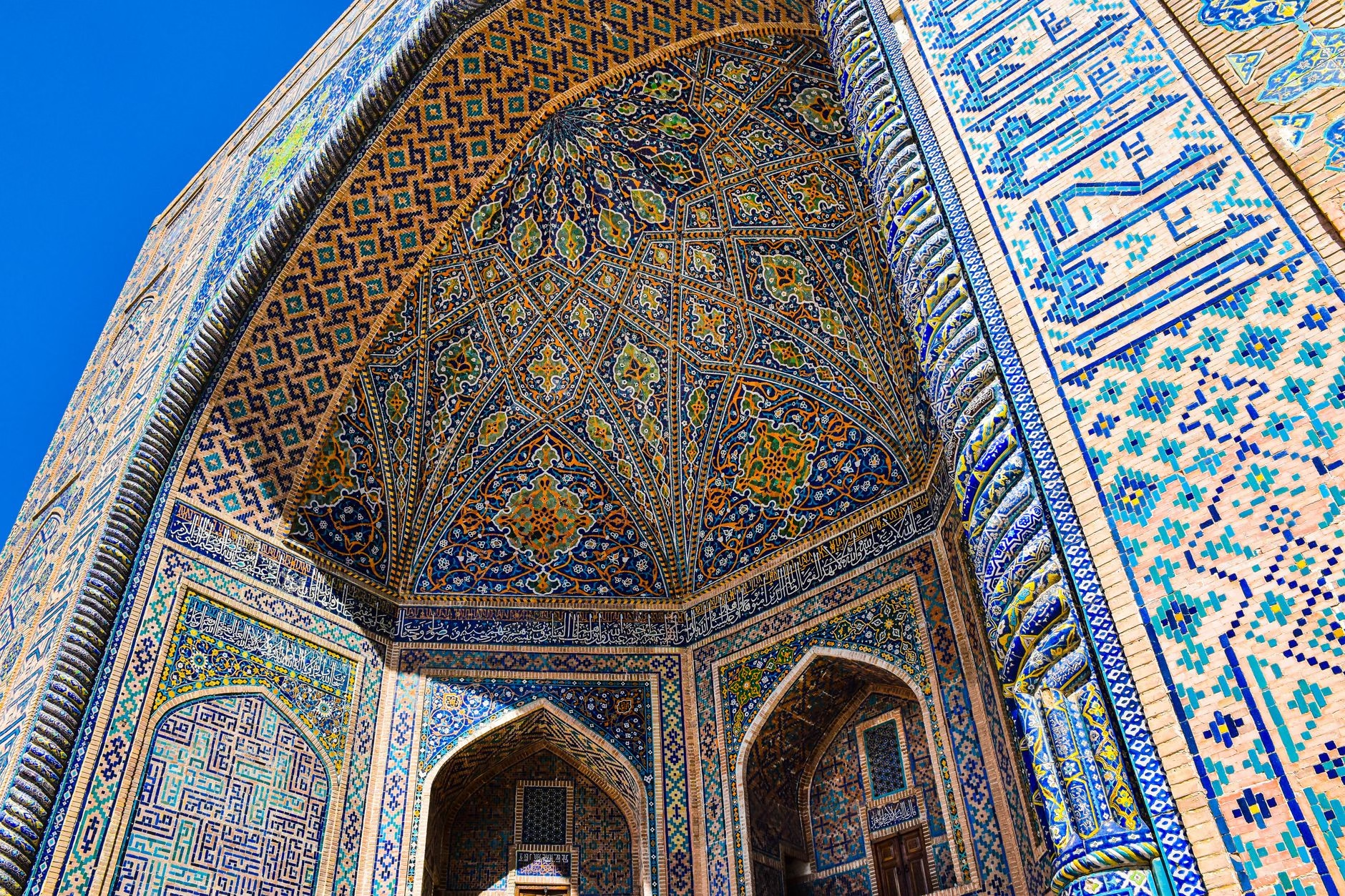
- Registan Square – The most iconic site in Central Asia. Its three madrasas, each adorned with intricate tilework, create an unforgettable spectacle. Visit at sunrise for the quietest view or stay for evening lighting.
- Gur-e-Amir Mausoleum – The resting place of Timur. The tomb’s interior, shimmering with gold and blue, reflects the artistry of a bygone empire.
- Bibi-Khanym Mosque – Once the largest mosque in the world, it still impresses with its scale and delicate restoration.
- Shah-i-Zinda Necropolis – A spiritual hill of mausoleums beautifully decorated with ancient tiles and patterns that convey serenity and devotion.
Cultural Insight: Samarkand’s architecture is not just decorative; it is symbolic. Every color and pattern tells a story of faith and power, and walking through its monuments transports you back to an era when knowledge, trade, and beauty flourished side by side
Bukhara: The Living Museum of the Silk Road
Bukhara feels like a time capsule. Its old town, a labyrinth of narrow streets and mudbrick walls, has changed little over centuries. It was once one of the most important centers of Islamic learning and remains one of the most atmospheric cities in Central Asia.
Must-See Landmarks:
- Lyabi-Hauz Ensemble – A tranquil square surrounded by mulberry trees and teahouses, perfect for relaxing after sightseeing.
- Kalyan Minaret and Mosque – Known locally as the Tower of Death for its past role in executions, today it stands as a masterpiece of medieval design.
- Ark of Bukhara – This ancient fortress once served as the residence of emirs and a symbol of Bukhara’s authority.
- Chor Minor Madrasa – A delightful and quirky building with four distinctive towers, each representing a different part of the Islamic world.
Local Experience: Spend an evening sipping tea at a traditional chaikhana (tea house) as locals gather around. Bukhara is especially known for its hospitable people and lively bazaars full of handwoven carpets and embroidered textiles. Bargaining here is part of the cultural exchange.
Khiva: The Desert Fortress
Khiva, surrounded by desert sands, is where time appears to have stopped. Unlike other Silk Road cities, Khiva’s old town, Itchan Kala, remains fully enclosed by massive clay walls, giving it a storybook appearance.
What to Explore:
- Itchan Kala Walls – Walk along the ancient ramparts during sunset for extraordinary views over the city’s turquoise domes.
- Kalta Minor Minaret – Short but strikingly colorful, it was meant to be taller than any other structure before construction halted in the eighteenth century.
- Juma Mosque – Unique for its 200 carved wooden columns that cast mesmerizing patterns of light and shadow.
- Tosh-Hovli Palace – The ornate palace of Khiva’s rulers, decorated with intricate tilework and featuring beautifully preserved courtyards.
Practical Tip: Khiva can feel quieter than the other cities, especially at night when the tourist crowds thin out and lanterns illuminate the empty courtyards. Spending one or two nights inside the old town allows you to wander freely and absorb its mystique.
Traveling Between the Cities
Uzbekistan’s improved rail network makes travel between Silk Road cities smooth and convenient.
- The Afrosiyob high-speed train connects Tashkent, Samarkand, and Bukhara in comfort and under four hours.
- From Bukhara to Khiva, the train takes approximately six hours, or travelers can choose a scenic private car ride through the Kyzylkum Desert with stops in small rural villages.
- Consider booking tickets in advance, especially during peak spring and autumn travel seasons, as trains fill quickly.
For travelers short on time, pairing cities by flight and train creates an excellent combination: Fly from Tashkent to Urgench for Khiva, then take trains back through Bukhara and Samarkand to Tashkent.
Cuisine and Local Experiences Along the Route
Traveling along Uzbekistan’s Silk Road is not only about historical landmarks; it is also a journey through flavors, hospitality, and local traditions.
Food to Try:
- Plov (Pilaf): The national dish made with rice, lamb, carrots, and fragrant spices, best enjoyed in Bukhara or Samarkand.
- Samsa: Oven-baked pastries filled with spiced meat or pumpkin, found in every market.
- Lagman: Hearty hand-pulled noodles served in broth with vegetables.
- Non (Bread): Every region bakes it differently, and sharing a round of bread is considered a symbol of friendship.
Join a local cooking class in Bukhara or Samarkand to learn how these dishes are prepared traditionally. You can also visit workshops where master artisans produce silk, ceramics, or miniature paintings, continuing crafts that have been passed down for generations.
Practical Essentials for Traveling Uzbekistan
Before setting out, prepare for a comfortable journey by keeping these tips in mind:
- Visa: Uzbekistan offers e-visa options for many nationalities that are easy to obtain online.
- Currency: The Uzbek Soum is the local currency, and while card payments are expanding, it is still wise to carry cash.
- Dress Code: Modest clothing is appreciated, especially when visiting religious sites.
- Language: Uzbek is the official language, but Russian is widely understood, and basic English is common in tourist areas.
- Connectivity: Local SIM cards are inexpensive and offer reliable data for navigation and communication.
Conclusion: Following the Silk Threads of Time
Traveling the Silk Road through Uzbekistan is more than a historical journey; it is a personal encounter with cultural continuity, human creativity, and enduring hospitality. The tiled medressas of Samarkand, the quiet courtyards of Bukhara, and the desert glow of Khiva reveal not only the glory of the past but also the warmth of a living culture.
Further Reading
3 Day Istanbul Itinerary for First Time Visitors
Travel to Somalia; How I Traveled to Mogadishu
Free Family Things to do in Chicago Today
How to Spend Four Days in Hong Kong