
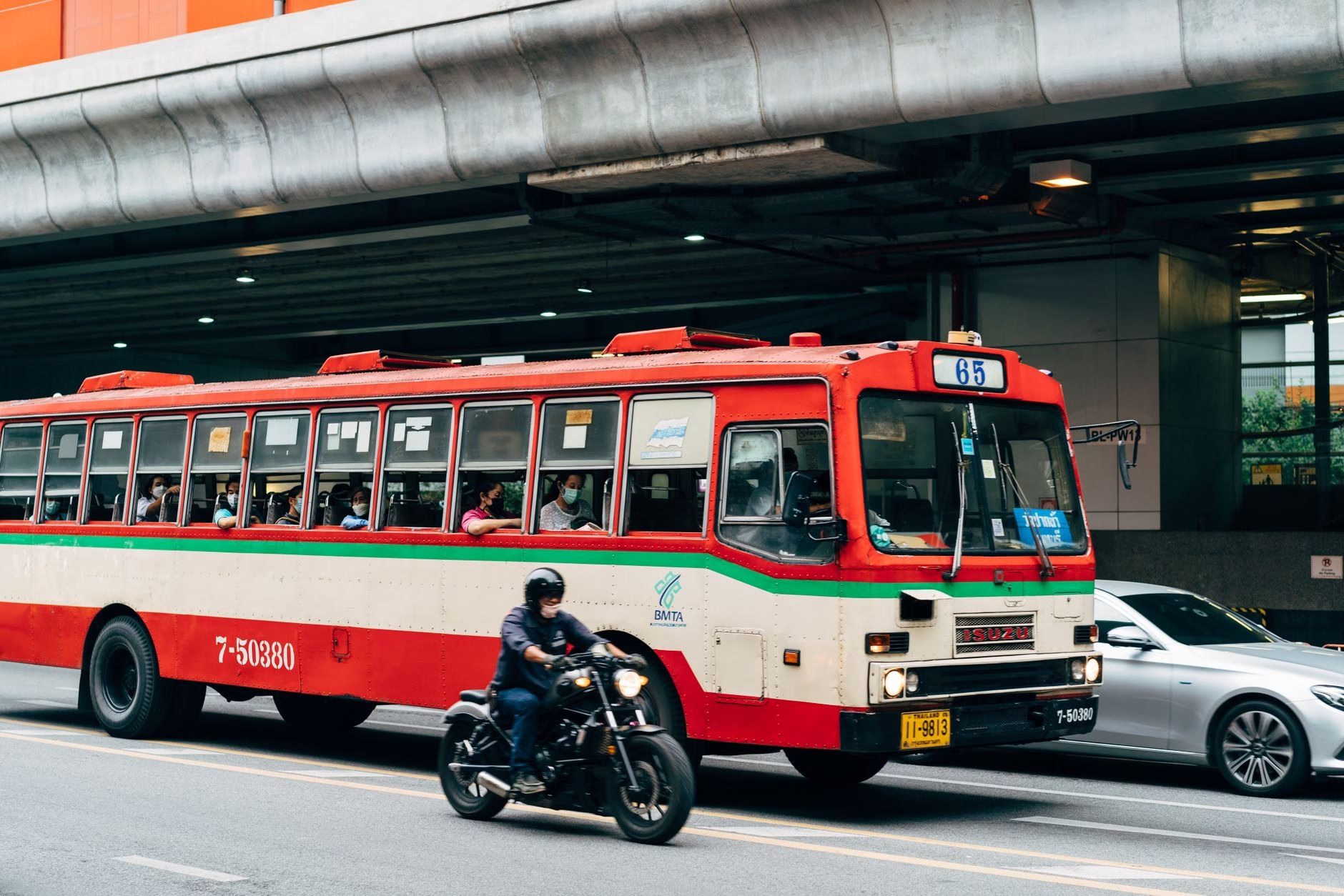
From the high-speed bullet trains of Japan to the colorful rickshaws of India and the scenic river ferries of Thailand, Asia is a continent best experienced through its remarkable diversity of transportation options. Traveling across Asia can feel like moving through different worlds, where every journey reveals unique cultural rhythms, landscapes, and ways of life. Choosing the right mode of transportation is not just about getting from one place to another; it shapes the entire travel experience, from comfort and cost to adventure and authenticity.
This guide will walk you through the most reliable, efficient, and memorable ways to travel across Asia. You will discover how to navigate trains, buses, flights, ferries, and local transport systems with confidence. Whether you plan to backpack across Southeast Asia, travel solo through China, or explore the hidden corners of Central Asia, this guide provides practical insights, safety advice, and real travel wisdom.
Understanding the Scale and Diversity of Asian Travel
Asia is vast beyond imagination, stretching from Turkey’s Mediterranean coast to Japan’s Pacific islands. In such a large and varied landscape, each region presents unique transportation systems, infrastructure quality, and travel customs.
- East Asia such as Japan, South Korea, and China, offers modern, interconnected transit networks. High-speed trains, efficient metro systems, and clean buses make urban and intercity travel remarkably easy.
- Southeast Asia including Thailand, Vietnam, and Indonesia, blends modern infrastructure with traditional transport modes like tuk-tuks and motorbike taxis.
- South Asia led by India, Sri Lanka, and Nepal, offers both convenience and chaos, where trains, rickshaws, and shared jeeps create a lively and character-filled way to move around.
- Central Asia encompassing countries like Kazakhstan, Uzbekistan, and Kyrgyzstan, features long-distance trains, rugged road trips, and increasingly popular adventure routes connecting with the ancient Silk Road.
Understanding these regional differences will help you plan your route, estimate travel times, and decide which transportation methods work best for your schedule, budget, and travel style.
Trains: The Heartbeat of Asian Connectivity
Train travel is one of the most efficient and scenic ways to explore Asia. It combines comfort, affordability, and a chance to see the landscape unfold between major destinations.
Japan and South Korea
Japan’s Shinkansen and South Korea’s KTX are celebrated as models of punctuality and speed. These bullet trains connect cities in a matter of hours, allowing travelers to make the most of their time. Passes like the Japan Rail Pass or Korea Rail Pass offer unlimited travel for a fixed period, saving both money and planning stress.
China
China has invested heavily in its rail network, now one of the most extensive in the world. High-speed trains link major cities such as Beijing, Shanghai, and Guangzhou, while overnight trains offer a practical choice for longer routes. Booking in advance, especially during holidays, is essential due to high demand.
India
India’s railway system is legendary and deeply woven into its cultural identity. From luxurious trains like the Palace on Wheels to budget sleeper classes connecting remote areas, every journey offers a window into Indian life. While slower than air travel, trains provide an authentic and immersive way to experience the country.
Central Asia
The rail network in Central Asia is perfect for travelers seeking less crowded routes and cultural depth. Routes such as Almaty to Tashkent or Tashkent to Samarkand offer comfortable carriages and unforgettable views of the Silk Road landscapes.
Buses: The Backbone of Budget Travel
Buses remain the most common and affordable way to travel between cities and regions, especially in Southeast and South Asia.
- Southeast Asia: Countries like Thailand, Cambodia, and Vietnam have well-established intercity bus networks. VIP or “sleeper” buses provide comfortable seating, air conditioning, and overnight routes that help save on accommodation.
- India and Nepal: Long-distance buses operate on nearly every route imaginable, although they vary widely in comfort. Private operators typically offer better service than government buses and can be booked online or at local stations.
- China: Provincial and regional buses connect rural towns where trains may not reach. They are ideal for exploring off-the-beaten-path destinations such as the Yunnan or Guangxi provinces.
- Central Asia: In some areas, marshrutkas—shared minivans—are the king of the road. They operate without strict timetables, leaving once full, and often provide a cultural experience in themselves.
For bus travel, it is best to check local schedules ahead of time, carry snacks and water, and keep your valuables secured as luggage may be stored separately.
Air Travel: Crossing Distances with Ease
Given Asia’s immense size, air travel often bridges long distances that would take days by land. The rise of budget airlines has made flying affordable and practical, even for travelers on a budget.
- Low-Cost Carriers: Airlines such as AirAsia, VietJet, and Scoot cover a vast regional network connecting major hubs like Bangkok, Kuala Lumpur, and Singapore. Booking early often results in impressive fare savings.
- Domestic Routes: In larger countries like China, India, and Indonesia, domestic flights save considerable time. For example, flying from Delhi to Kochi or from Beijing to Kunming can turn multi-day journeys into a few hours.
- Regional Hubs: Singapore and Hong Kong remain key international gateways that make multi-country itineraries simple to organize.
When flying in Asia, always check luggage restrictions, as many budget airlines charge extra for checked bags and in-flight amenities.
Ferries and Boat Travel: Exploring Asia’s Islands and Waterways
Asia’s maritime routes are among the most scenic forms of travel, offering a peaceful alternative to crowded roads and airports.
Southeast Asia’s Island Routes
The islands of Indonesia, the Philippines, and Thailand are naturally suited to ferry travel. Routes from Bali to Lombok, or Manila to Palawan, are both scenic and affordable. While domestic ferries vary in quality, reputable operators like Lomprayah in Thailand or SuperFerry in the Philippines provide safer and more reliable experiences.
River Journeys
In countries such as Vietnam and Laos, river travel remains an essential mode of transportation. Cruising along the Mekong River, for instance, connects communities, markets, and landscapes that are otherwise unreachable by road. Longer cruises offer opportunities to stay overnight in floating villages or riverside towns.
For all boat travel, pay attention to seasonal weather conditions. The monsoon months from June to October can affect schedules and safety.
Local Transport: Getting Around Cities and Towns
Exploring Asian cities introduces a fascinating mix of traditional and modern transport modes.
- Tuk-Tuks and Rickshaws: Found across India, Thailand, and Cambodia, these three-wheeled vehicles offer short, fun rides through busy streets. Always negotiate the fare before the ride or request the driver to use the meter if available.
- Metro and Light Rail Systems: Cities like Tokyo, Seoul, Singapore, and Taipei feature world-class metro services that are safe, punctual, and easy to navigate. Purchasing stored-value cards such as Japan’s Suica or Singapore’s EZ-Link will make moving around smoother.
- Motorbike Rentals: In areas like Bali, Vietnam, and Laos, renting a motorbike allows unparalleled freedom. However, valid licensing and insurance are mandatory, and wearing helmets is crucial for safety.
- App-Based Rides: Services such as Grab and Gojek are widespread throughout Southeast Asia, offering affordable rides with upfront pricing and digital payment options.
Understanding the local transit system and etiquette will make your urban adventures far more enjoyable and efficient.
Planning Tips for Seamless Travel Across Asia
A successful multi-country or multi-city trip in Asia requires thoughtful planning. Here are some key recommendations:
- Check Visa and Border Requirements: Each country has its own entry regulations. Research in advance to avoid delays or unexpected fees.
- Mix Transportation Modes: Combine trains, flights, and buses for both economy and variety. For instance, fly into Bangkok, explore Thailand by train, then cross into Cambodia by bus.
- Allow Flexibility: Weather changes, local holidays, and political events can affect schedules. Build extra time into your travel plan.
- Book Important Journeys Early: For popular routes and peak seasons, tickets sell out fast. This is especially true for trains in Japan and India.
- Stay Connected: Local SIM cards and travel apps such as Rome2Rio or 12GoAsia make it easier to find routes, schedules, and estimated costs on the go.
Conclusion: Embrace the Journey, Not Just the Destination
Traveling across Asia is about discovery at every turn. The diversity of transportation methods reflects the continent’s rich cultural mosaic, from futuristic high-speed rail networks to centuries-old riverboat routes. Each mode of travel offers its own rhythm and perspective, transforming simple journeys into unforgettable experiences.
Whether you choose to glide through Japan on a bullet train, cross Vietnam on a motorbike, or sail between the islands of Indonesia, remember that the journey itself is part of the story. With the right planning, an open mind, and a sense of adventure, navigating Asia’s vast transportation landscape becomes one of the most rewarding aspects of travel.
Further Reading
3 Day Istanbul Itinerary for First Time Visitors
Travel to Somalia; How I Traveled to Mogadishu
[Free Family Things to do in Chicago Today](https://touristguide24