Introduction
Small in size but immense in character, Malta is a spectacular Mediterranean destination that blends history, sun soaked landscapes, and a relaxed island rhythm. Set between Sicily and the North African coast, this archipelago has been shaped by every civilization that touched its shores. Knights, traders, and storytellers have all left their mark, and today Malta invites modern travelers to explore a world where ancient temples meet golden beaches and where village festivals light up warm seaside evenings.
- Experience Malta's rich cultural layers: honey gold stone villages, megalithic temples, baroque cathedrals, and welcoming locals who share insider tips.
- Wander Valletta on foot to discover St John's Co Cathedral, Upper Barrakka Gardens, lively waterfront dining, and intimate Manoel Theatre.
- Step into Mdina's Silent City for medieval alleys, bastion viewpoints, and nearby Rabat's St Paul's Grotto and ancient catacombs.
- Escape to Comino's Blue Lagoon at quiet hours and linger on Gozo for rolling hills, vineyards, red sand beaches, and peaceful evenings.
- Join lively festas, savor rabbit stew and pastizzi, travel by bus or rental car, visit in spring or autumn for pleasant weather.
In this detailed Malta travel guide, you will discover everything you need to plan a meaningful visit. You will learn about the must see attractions, local secrets, transport tips, cuisine highlights, and cultural experiences that make Malta a destination worth savoring. Whether you are drawn by history, adventure, or simply the promise of luminous Mediterranean waters, this guide will help you experience Malta like someone who truly knows the islands.
Discovering Malta’s Unique Identity
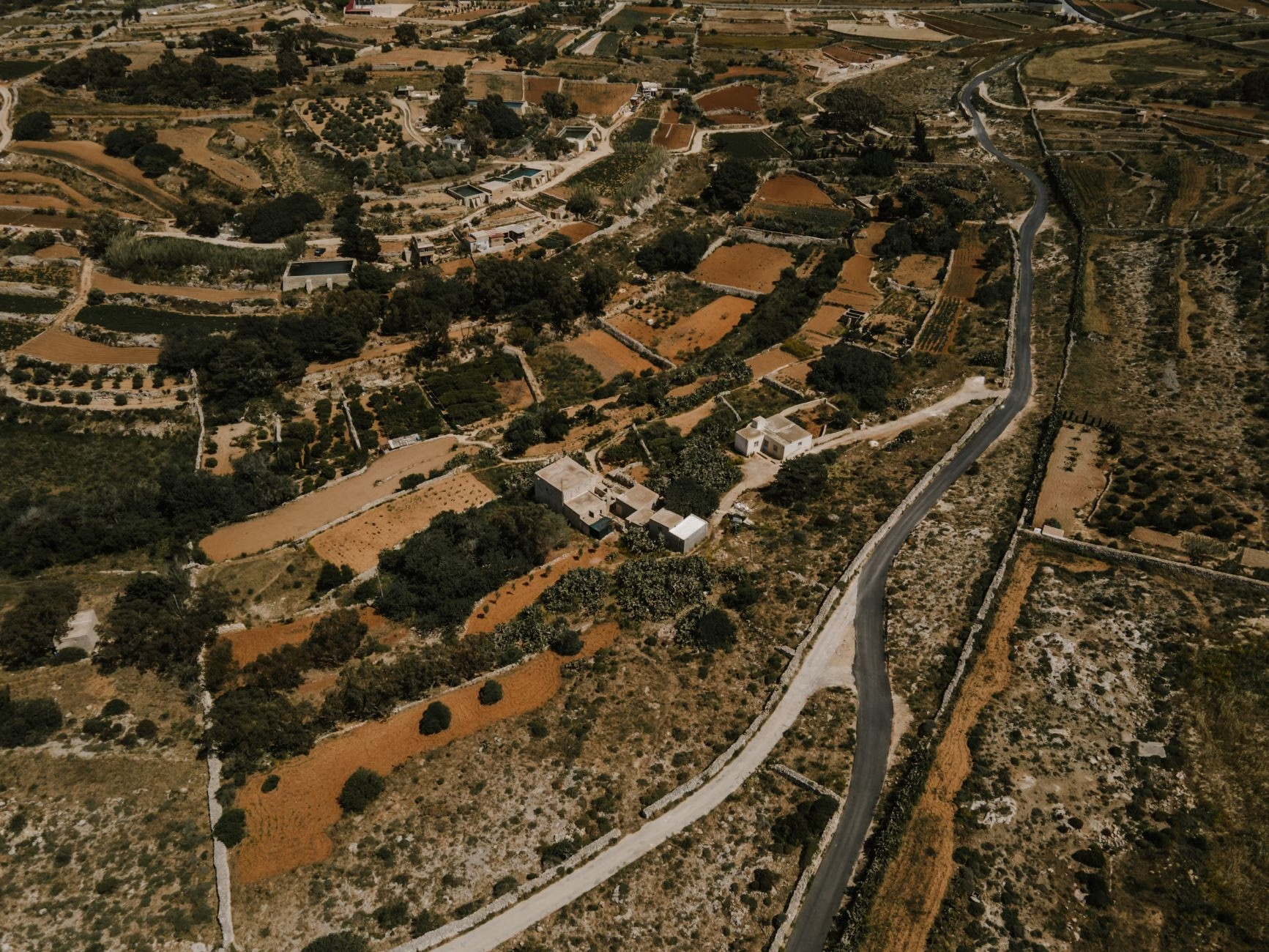
Malta’s magic lies in its contrast. It is an island nation with deep roots in European tradition, yet one that carries whispers of North Africa and the Middle East. Wander its villages and you will notice stone houses glowing honey gold in the sun, fishing boats painted in vivid primary colors, and fortresses that rise dramatically against turquoise seas.
What sets Malta apart from other Mediterranean destinations is the interplay between its scale and diversity. You can drive across the main island in less than an hour, yet encounter layer upon layer of culture and natural wonder. Ancient megalithic temples older than the pyramids share the landscape with baroque cathedrals, quiet bays, and cosmopolitan waterfronts.
The Maltese people are famously warm and welcoming. English is widely spoken alongside Maltese, and visitors often comment on the ease of connecting with locals. Conversations quickly lead to insider recommendations, whether for a tiny bakery tucked in a backstreet or a viewpoint known only to residents.
Valletta: The Compact Capital with Grand Character
Valletta, Malta’s capital, is an extraordinary city built by the Knights of St John. Despite its small size, it feels monumental thanks to its ornate palaces, fortress walls, and golden limestone facades. Recognized as a UNESCO World Heritage Site, Valletta rewards exploration on foot, with each narrow street revealing a new vista or architectural surprise.
Key highlights of Valletta:
- St John’s Co Cathedral: A breathtaking baroque masterpiece filled with gilded interiors and an impressive collection of Renaissance art. Inside lies one of Caravaggio’s most famous paintings, a must see for lovers of art and history.
- Upper Barrakka Gardens: The best place for panoramic views over the Grand Harbour and the fortified city of Vittoriosa. Arrive before noon to watch the traditional cannon salute that echoes across the island.
- The Waterfront: Once a set of warehouses, this area now hosts vibrant restaurants and cafes perfect for evening strolls and sunset dining.
- Manoel Theatre: One of Europe’s oldest operating theatres, offering an intimate experience of Maltese culture.
Valletta is easily navigated on foot, but give yourself time. The city’s rhythm encourages slow wandering, pausing for espresso at small cafes or exploring side streets that suddenly open into grand piazzas.
Mdina and Rabat: Step Back in Time
Known as the Silent City, Mdina is Malta’s ancient capital and one of the island’s most atmospheric destinations. Enclosed by thick medieval walls, it seems frozen in another era. Narrow alleys twist past marble courtyards and wrought iron balconies, while the hush of the town is only interrupted by distant church bells or the clatter of horse drawn carriages.
Inside Mdina’s fortified walls, highlights include St Paul’s Cathedral, the Mdina Dungeons Museum, and the city’s bastion viewpoints offering sweeping views of the whole island. As evening approaches and day visitors leave, the city becomes magically quiet, perfect for a candlelit dinner in one of its elegant restaurants.
Just outside Mdina, the town of Rabat holds further treasures. Explore St Paul’s Grotto, where according to tradition the Apostle Paul sought refuge after being shipwrecked off Malta’s coast. The catacombs nearby reveal the island’s early Christian history and are fascinating to wander.
The Blue Lagoon and Malta’s Island Escapes
Malta’s surrounding islands of Gozo and Comino add another layer to any visit. While Malta itself is lively and densely historic, these smaller islands offer natural tranquility and clarity of water that feels almost unreal.
Comino and the Blue Lagoon
Comino, a tiny island between Malta and Gozo, is home to the remarkable Blue Lagoon, where crystalline turquoise waters shimmer beneath limestone cliffs. The lagoon is a favorite for swimming, snorkeling, and boat excursions. To enjoy the best experience, go early in the morning or later in the afternoon when crowds thin and the sea glows softly in the changing light.
Gozo
Gozo presents a slower rhythm. It is greener and more rural, with rolling hills, family run vineyards, and tranquil beaches. Its capital, Victoria (Rabat), hosts the Citadel, a striking hilltop fortress offering panoramic island views. Nearby, Ramla Bay provides a wide stretch of red sand beach, and the village of Xlendi is a beautiful spot for seafood with a view.
Regular ferry services connect Malta with Gozo, making day trips simple, but many travelers choose to stay overnight to soak in the island’s peaceful evenings.
Immersing Yourself in Maltese Culture and Cuisine
Malta’s cultural scene is a compelling blend of old and new. Festivals dominate the calendar, from local religious “festas” marked by firework displays and brass bands to modern events like the Valletta Film Festival and the Malta Jazz Festival. Joining a village festa is one of the best ways to meet locals and feel the community spirit that defines Maltese life.
When it comes to food, Malta offers a hearty mix of Mediterranean and Arabic influences. Expect robust flavors, generous portions, and seasonal ingredients.
Must try dishes include:
- Rabbit stew (Fenek): The national dish, slowly braised in wine and herbs.
- Pastizzi: Flaky pastry pockets filled with ricotta or mushy peas, perfect for a quick snack.
- Ftira: Traditional Maltese bread filled with tuna, olives, tomatoes, and capers.
- Lampuki pie: A savory pie made with local mahi mahi fish and vegetables.
The island’s wine scene has also grown steadily. Maltese vineyards produce excellent white and rosé varieties, often enjoyed alongside fresh seafood overlooking the water.
Practical Travel Tips for Visiting Malta
Getting There and Around
Malta International Airport welcomes direct flights from across Europe and the Middle East. The country’s small size makes it easy to navigate. Buses connect most towns and attractions, although renting a car provides greater flexibility, particularly if you wish to explore remote coves or visit Gozo.
Best Time to Visit
Spring and autumn are ideal for exploring, with comfortable temperatures and fewer crowds. July and August bring warm seas and bustling nightlife, while winter offers mild weather and quieter sightseeing.
Currency and Costs
Malta uses the Euro. Prices are moderate by European standards, though staying within Valletta or near prime beaches can be more expensive. Away from main tourist centers, you can still find very good value in family run guesthouses and local restaurants.
Language and Connectivity
English is an official language, making travel easy for visitors. Mobile coverage and Wi-Fi connectivity are widespread, and locals are always ready to help if you need directions or advice.
Conclusion
Malta is not just a destination; it is a discovery of layers both ancient and modern. It blends the intensity of history with the leisure of island life, creating an experience that feels both intimate and grand. From the timeless streets of Valletta to the tranquil shores of Gozo, every corner tells a story.
Visiting Malta means engaging all your senses: hearing church bells echo through stone alleys, tasting sea salt on a gentle breeze, and feeling the warmth of hospitality that comes from centuries of crossroads culture. For travelers seeking a hidden Mediterranean gem that still feels authentic, Malta promises memories that linger long after the journey ends.
Further Reading
3 Day Istanbul Itinerary for First Time Visitors
Travel to Somalia; How I Traveled to Mogadishu