Volcano Iceland Travel Safe: Essential Tips for Adventurers
Discover essential tips for safe travel to Iceland's volcanoes, including safety measures, best times to visit, and how to prepare for your adventure.
Iceland, known for its breathtaking landscapes and geological wonders, is a prime destination for adventure seekers. Among its most captivating features are the numerous volcanoes that dot the island. However, with the beauty of these natural phenomena comes inherent risks. Understanding how to travel safely around Iceland’s volcanoes is crucial for an enjoyable experience. This guide aims to equip travelers with essential knowledge about volcanic activity, safety measures, and practical tips for exploring this stunning region.
Traveling to a land shaped by fire and ice offers unique opportunities to witness the power of nature. From the famed eruptions of Eyjafjallajökull to the serenity of geothermal hot springs, Iceland’s volcanic landscape provides a variety of experiences. Yet, safety should always be at the forefront of your travel plans. This article will cover the essential precautions you should take to ensure your adventure is both thrilling and safe.
Whether you’re planning to hike near volcanoes or simply want to appreciate their beauty from a distance, being informed is your best bet. The following sections will guide you through the necessary steps to travel safely in Iceland’s volcanic regions.
Understanding Volcanic Activity
The first step in ensuring a safe visit to Iceland’s volcanoes is to understand the nature of volcanic activity. Iceland is situated on the Mid-Atlantic Ridge, where the North American and Eurasian tectonic plates meet. This unique positioning makes the country one of the most volcanically active regions in the world.
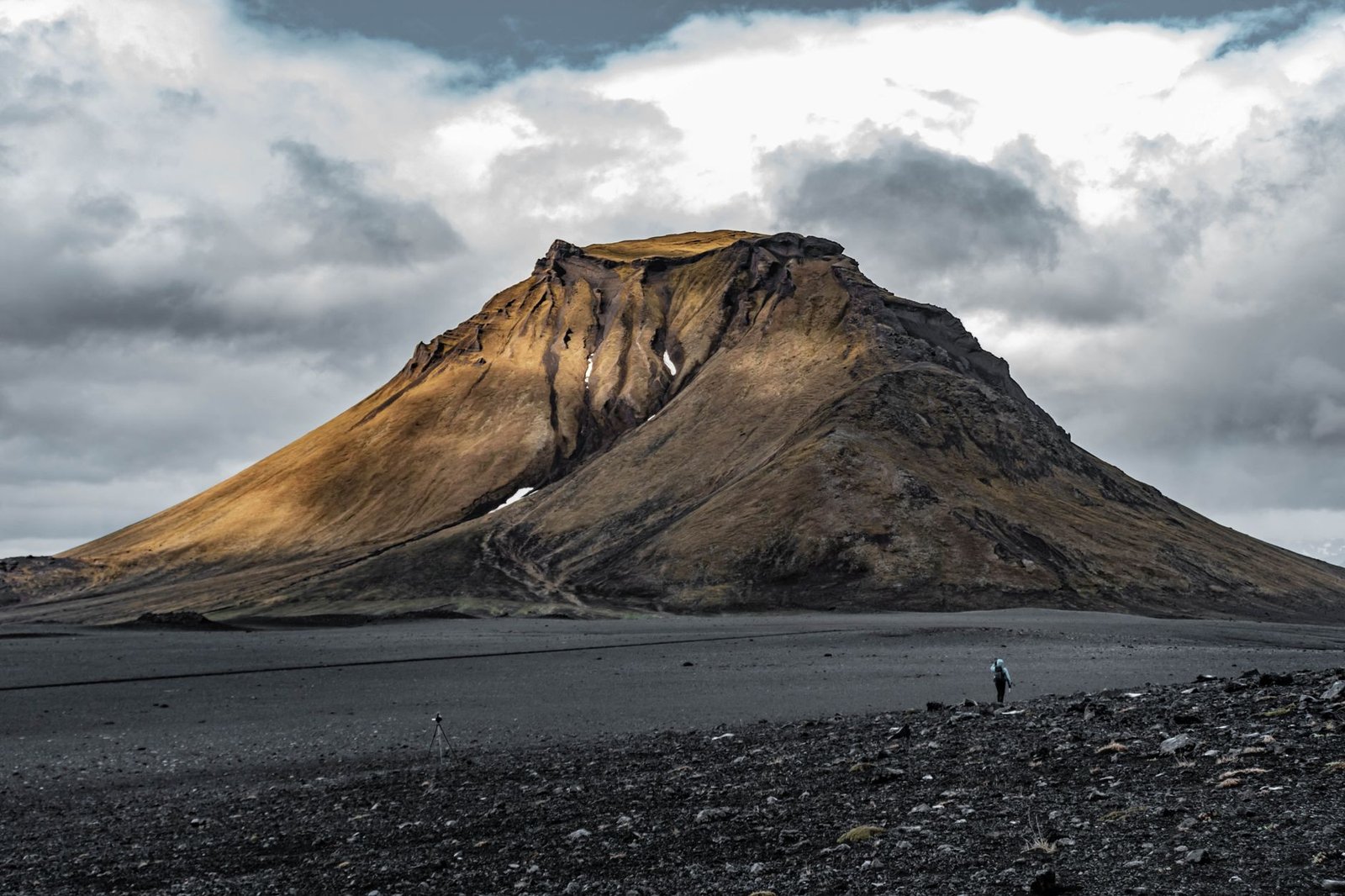
Volcanoes in Iceland can be categorized into several types, including stratovolcanoes and shield volcanoes. Stratovolcanoes, such as Katla and Hekla, are characterized by their steep profiles and explosive eruptions. In contrast, shield volcanoes like Skjaldbreiður have gentle slopes and typically produce less violent eruptions. Understanding these characteristics can help travelers gauge the potential risks associated with each volcano.
Monitoring volcanic activity is crucial for safety. The Icelandic Meteorological Office (IMO) provides regular updates on seismic activity and potential eruptions. Travelers should familiarize themselves with the IMO’s website and social media channels to stay informed about any changes that could affect their plans. Knowing the current status of a volcano can help you avoid dangerous areas and make informed decisions about your itinerary.
Safety Measures When Visiting Volcanoes
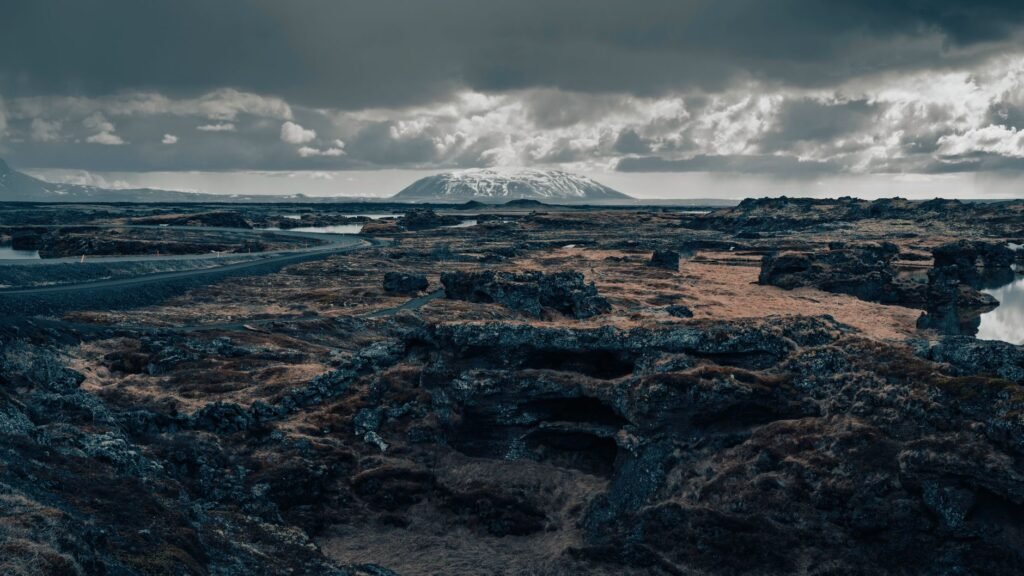
When exploring Iceland’s volcanic regions, adhering to safety measures is essential. Here are some key precautions to consider:
- Follow Local Guidelines: Always adhere to local advisories and guidelines. The Icelandic government and local authorities often provide clear instructions regarding safe zones and restricted areas.
- Stay with Guided Tours: Opting for guided tours can enhance your safety. Experienced guides are familiar with the terrain and can navigate potential hazards effectively.
- Wear Appropriate Gear: Dress for the conditions by wearing sturdy hiking boots, layered clothing, and weather-resistant gear. Conditions can change rapidly, especially near volcanic sites, so being prepared is crucial.
Additionally, it’s advisable to carry a first-aid kit and any personal medications you may need. Emergency services in remote areas may take time to reach you, so being self-sufficient is important.
Best Times to Visit Volcanoes in Iceland
Understanding the climate and seasonal variations in Iceland can significantly impact your safety and enjoyment while visiting volcanoes. The best times to explore these natural wonders typically fall between late spring and early autumn.
Summer (June to August): This period offers the warmest weather and the longest days, making it ideal for hiking and outdoor activities. Daylight can last up to 24 hours, allowing you to explore the volcanic landscapes extensively. However, be mindful that this is also peak tourist season, so popular spots may be crowded.
Autumn (September to October): Early autumn can be a fantastic time for a visit, as the weather is still relatively mild, and the crowds begin to thin out. The fall foliage adds an extra layer of beauty to the volcanic landscapes. However, as October approaches, temperatures can drop, and conditions may become more unpredictable.
Winter (November to March): Visiting during winter can present challenges due to snow and ice. While the landscapes are stunning, treks around volcanoes may require specialized gear and skills. This is not the ideal time for inexperienced hikers, and many trails may be closed due to safety concerns.
Preparing for an Adventure
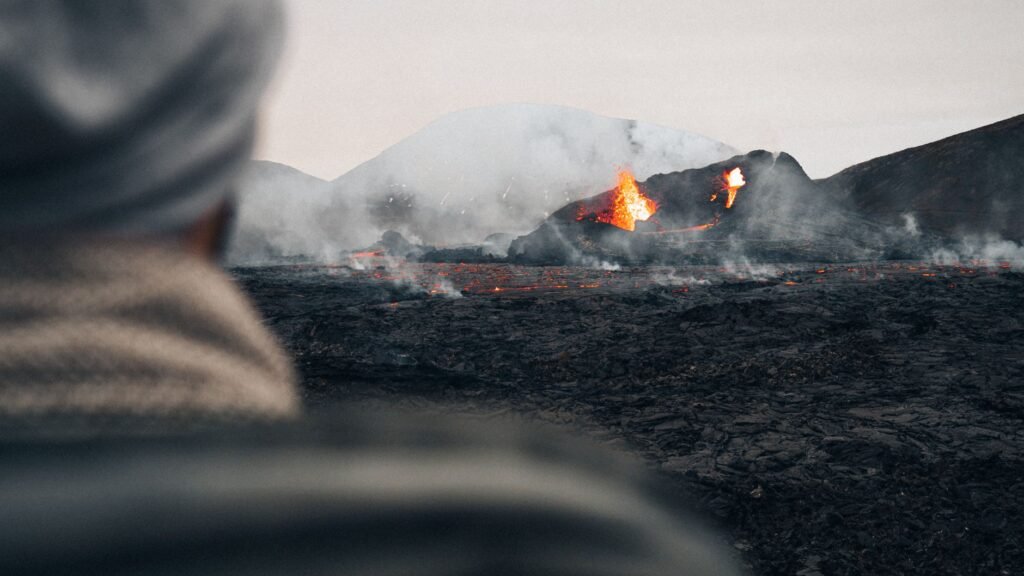
Preparation is key when visiting Iceland’s volcanoes. Here are essential steps to ensure a safe and enjoyable trip:
- Research Your Destination: Before you go, research the specific volcanoes you wish to visit. Each volcano has its own set of risks and attractions, and knowing what to expect can help you prepare better.
- Check Weather Conditions: Iceland’s weather can be unpredictable. Check forecasts regularly to plan your outings effectively. Be prepared for sudden changes in weather, especially in volcanic regions.
- Pack the Right Gear: Bring along essential gear, including a map, compass, and GPS device. A reliable backpack, sufficient water, and snacks are also crucial for day hikes.
It is not uncommon for travelers to encounter unexpected challenges while exploring Iceland’s volcanic areas. For instance, one traveler, while hiking near the infamous Eyjafjallajökull volcano, faced sudden weather changes that made the trail slippery and hazardous. By having the right gear and staying informed, they managed to navigate safely back to their vehicle, a reminder of the importance of preparation.
Travel Insurance Considerations
When planning your trip to Iceland, consider obtaining travel insurance that covers activities related to hiking and volcano exploration. Many standard policies may not cover injuries or cancellations due to natural disasters, so look for specialized insurance that fits your activities.
When selecting a policy, ensure it includes coverage for:
- Emergency Evacuation: Coverage for transportation in case of injury or an emergency situation.
- Trip Cancellation: Protection against cancellations due to volcanic activity or other natural events.
- Medical Coverage: Access to medical assistance and treatment while abroad.
Check reviews and ratings of insurance providers to ensure you choose one that is reliable and suited for adventure travel.
Staying Informed During Your Visit
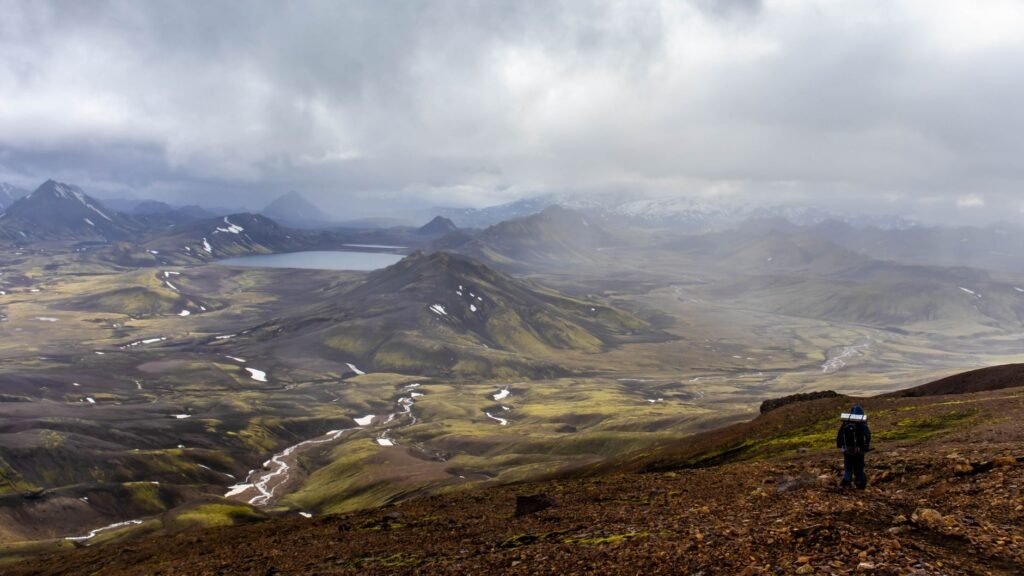
Once you arrive in Iceland, staying informed is crucial for safety. Here are practical ways to keep updated:
- Follow Local News: Keep an eye on local news outlets and the Icelandic Meteorological Office for updates on volcanic activity.
- Mobile Alerts: Sign up for mobile alerts from the IMO, which can provide real-time updates on eruptions and seismic activity.
- Talk to Locals: Engaging with locals can provide insights into current conditions and any potential hazards you may not be aware of.
Being proactive and informed can make a significant difference in your travel experience and safety while exploring Iceland’s volcanic landscapes.
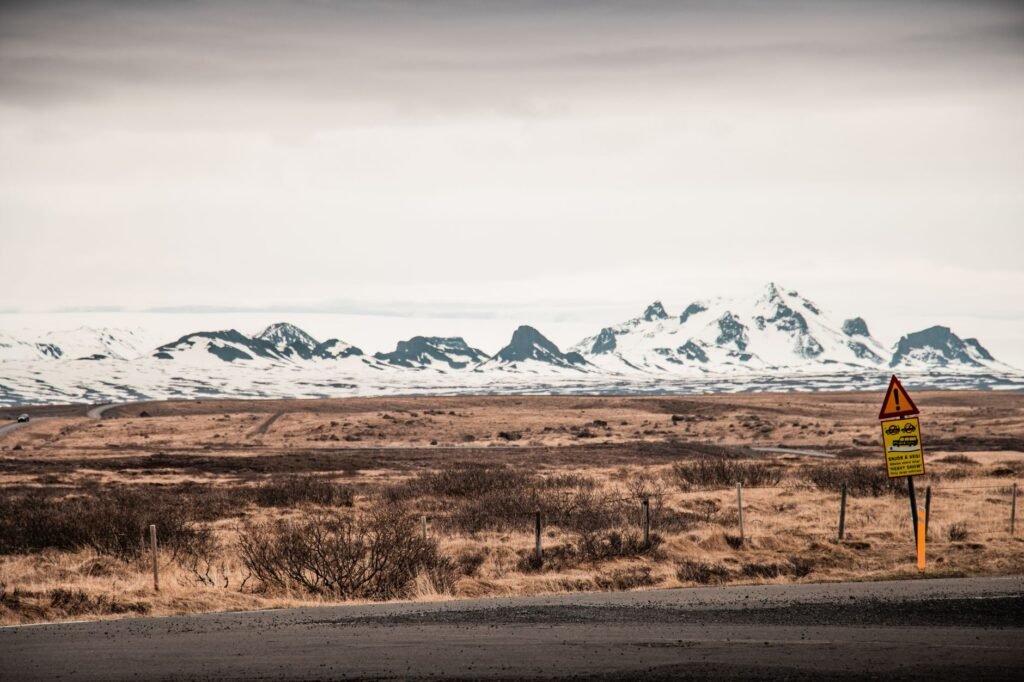
Understanding the Local Culture and History
Myths and Folklore Surrounding Volcanoes
In Iceland, volcanoes are not just geological phenomena; they are deeply intertwined with the culture and folklore of the island. Many Icelanders believe that elves and other mystical beings inhabit the mountains and volcanic landscapes. This belief has influenced many aspects of local life, including urban planning and construction. For instance, there have been instances where development projects were altered or postponed to avoid disturbing these mythical creatures.
This rich tapestry of folklore can enhance your travel experience, giving deeper meaning to the stunning landscapes you encounter. Consider taking a guided tour focused on Icelandic mythology, which often includes stories about the mighty volcanoes and the spirits that are said to reside within them.
Historical Eruptions and Their Impact
Iceland’s history is punctuated by significant volcanic eruptions, each leaving a mark on the land and its people. The eruption of Laki in 1783 is one of the most notable; it released massive amounts of volcanic gases, resulting in a volcanic winter that affected climates as far away as Europe. This event drastically altered agricultural practices in Iceland and had long-lasting effects on the population.
Learning about these historical eruptions can provide context when visiting sites like the Laki craters or the Thórsmörk valley, which are direct results of volcanic activity. Local museums often have exhibitions dedicated to these events, showcasing artifacts and providing insights into how communities adapted to such catastrophes.
Engaging with Local Communities
Connecting with local communities can enrich your understanding of the volcanic landscape. Participating in community-led tours or workshops can offer unique insights into how Icelanders coexist with their dramatic environment. These experiences often focus on sustainable practices that residents have adopted to live harmoniously with nature.
- Attend local festivals that celebrate volcanic activity or the natural beauty of the region.
- Visit farmer’s markets to taste locally grown produce that thrives in volcanic soil.
- Join a community clean-up day at a local hiking trail.
These interactions can foster a deeper appreciation for the land and its people, making your adventure more meaningful.
Gear and Equipment for Volcano Exploration
Footwear and Clothing Essentials
When exploring Iceland’s volcanic landscapes, appropriate footwear and clothing are crucial for both safety and comfort. Hiking boots with good traction are essential, as many trails can be rocky or uneven. Waterproof options are advisable, as weather can change rapidly. Layering is key; thermal base layers combined with a waterproof outer layer will help keep you warm and dry.
- Sturdy hiking boots (preferably waterproof)
- Thermal base layers
- Insulated and waterproof jacket
- Hat and gloves
Additionally, consider packing gaiters to protect your legs from ash and loose gravel when navigating volcanic terrains.
Essential Gear for Safety and Comfort
Beyond clothing, certain gear can enhance your safety and comfort during your adventure. A reliable backpack is necessary for carrying your essentials, including water, snacks, and a first aid kit. Navigation tools like a GPS device or a detailed map can help keep you on track, particularly in less developed areas. A headlamp or flashlight is also important, as many trails may not be well-lit.
- Waterproof backpack
- First aid kit
- GPS device or map
- Headlamp or flashlight
Bringing a portable charger for your devices can ensure that you remain connected and can access emergency services if needed. Additionally, a camera with a good zoom lens can help capture the stunning vistas without having to get too close to potentially hazardous areas.
Technology for Volcano Monitoring
Incorporating technology into your volcano exploration can enhance both safety and enjoyment. Several apps provide real-time data on volcanic activity, weather conditions, and trail information. These tools can help you make informed decisions about your itinerary and avoid areas that may be experiencing heightened volcanic activity.
- Download apps that provide alerts for volcanic eruptions and weather changes.
- Use a mapping app that shows hiking trails and points of interest.
- Consider a satellite communicator for remote areas without cell service.
With technology at your fingertips, you can ensure a safer and more enjoyable experience while exploring Iceland’s volcanic wonders.
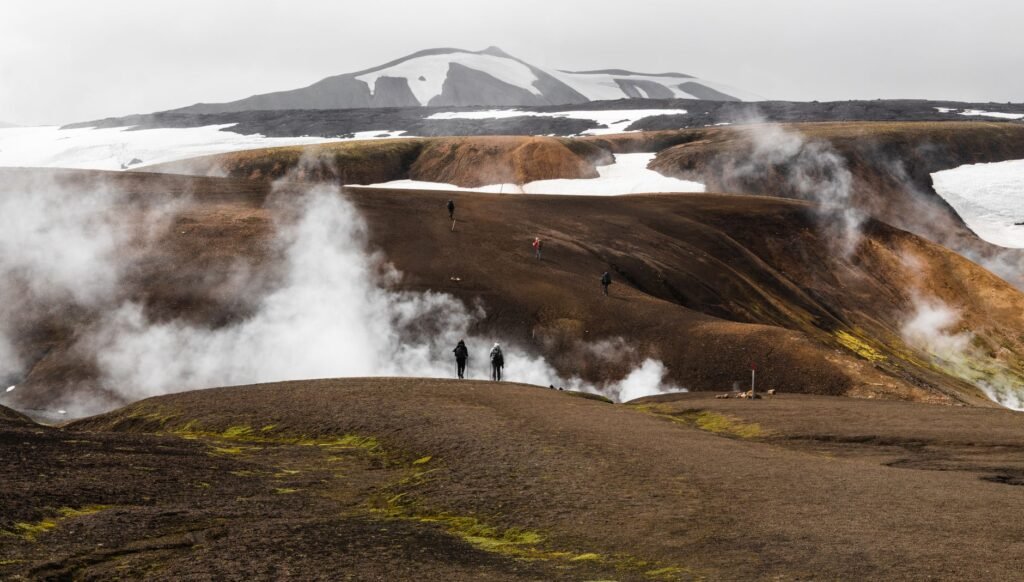
Environmental Awareness and Responsible Tourism
Understanding Volcanic Ecosystems
The unique volcanic landscapes of Iceland are home to a range of ecosystems that are both delicate and fascinating. Understanding the flora and fauna that thrive in these environments can deepen your appreciation for the beauty around you. Many plants have adapted to the nutrient-rich volcanic soil, and you may encounter rare species that exist nowhere else.
When visiting these areas, it’s crucial to stay on marked paths to avoid damaging the fragile ecosystems. Walking off designated trails can disturb plants and wildlife, leading to long-term damage to these unique habitats.
Minimizing Your Environmental Impact
As a responsible traveler, minimizing your environmental footprint is essential. This involves simple practices such as carrying out all litter, using refillable water bottles, and avoiding single-use plastics. Choose eco-friendly accommodation options when possible, as many local lodges are committed to sustainability and minimizing their impact on the environment.
- Use biodegradable products when camping or hiking.
- Follow Leave No Trace principles.
- Support local businesses that prioritize sustainable practices.
By adopting these practices, you can help preserve Iceland’s stunning landscapes for future generations.
Participating in Conservation Efforts
Engaging in conservation efforts during your visit can further enhance your experience and contribute positively to the environment. Many organizations offer volunteer opportunities that focus on preserving natural landscapes and wildlife. Participating in these initiatives not only provides valuable hands-on experience but also helps foster a connection with the land.
- Look for programs that offer tree planting or habitat restoration activities.
- Volunteer with local wildlife organizations focused on protecting native species.
- Join guided clean-up efforts in popular tourist locations.
Getting involved in conservation efforts can transform your adventure into a meaningful contribution to Iceland’s natural heritage.
Frequently Asked Questions
Is it safe to hike near Icelandic volcanoes?
Yes, hiking near Icelandic volcanoes can be safe if you follow local guidelines, stay informed about volcanic activity, and use proper gear. Always check the latest updates from the Icelandic Meteorological Office.
What should I do if a volcano erupts while I’m visiting?
If a volcano erupts during your visit, follow local authorities’ instructions. Stay calm, avoid restricted areas, and seek shelter if necessary. Emergency services will provide guidance on evacuation if required.
When is the best time to visit Iceland’s volcanoes?
The best time to visit is during the summer months (June to August) for favorable weather conditions. Early autumn (September to October) is also a good option with fewer crowds.
What gear do I need for hiking near volcanoes?
Essential gear includes sturdy hiking boots, weather-resistant clothing, a map, a compass, sufficient water, and snacks. A first-aid kit is also recommended for safety.
The Bottom Line
Exploring Iceland’s volcanoes can be a thrilling adventure filled with stunning landscapes and unique geological features. However, safety should always be a priority. By understanding volcanic activity, adhering to safety measures, preparing adequately, and staying informed during your visit, you can enjoy the beauty of Iceland’s natural wonders while ensuring a safe experience. Whether it’s your first visit or a return trip, these tips will help you navigate the thrilling world of Iceland’s volcanoes safely.
Visa rules, prices and opening times change. Always confirm details with official sources before you travel.