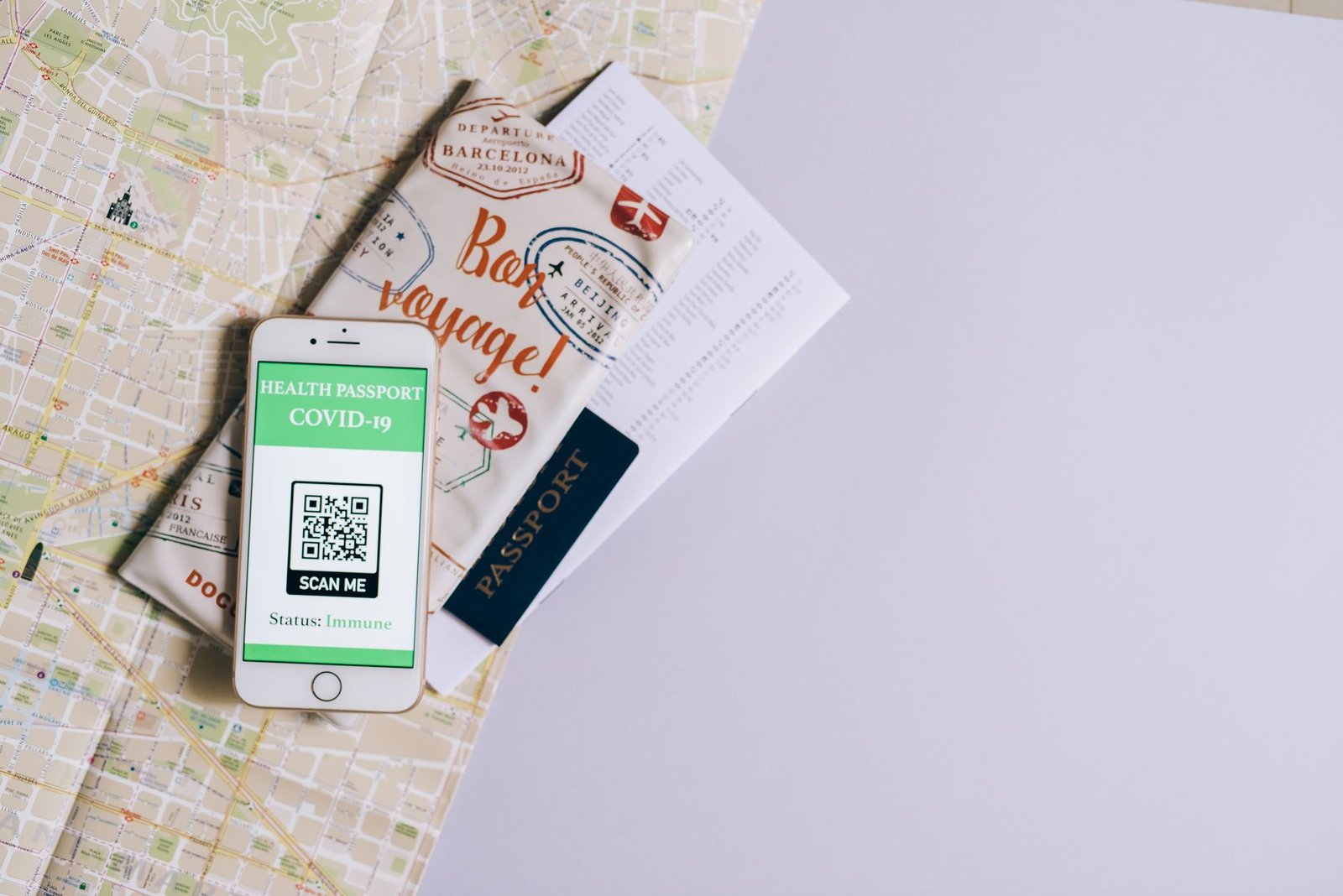
Options for Travel in the Time of COVID-19: Safe Alternatives
Discover practical options for travel in the time of COVID-19, exploring safe choices and tips for a secure journey.
The COVID-19 pandemic has dramatically altered the landscape of travel, prompting a rethink of how we approach vacations, business trips, and other travel-related activities. Many travelers are left wondering what options are available to them in this changed environment. Understanding the evolving guidelines and safety measures is crucial for anyone considering travel.
This guide provides a comprehensive overview of the available options for travel in the time of COVID-19, focusing on practical alternatives that ensure safety while allowing for exploration and enjoyment. From road trips to virtual tourism, there are various ways to satisfy your wanderlust without compromising health.
As we navigate through these uncertain times, it is essential to remain informed and adaptable. This guide will help you understand your options, the precautions you should take, and how to plan effectively for a trip during COVID-19.
Domestic Travel: Road Trips
One of the safest options for travel in the time of COVID-19 is embarking on a road trip. This mode of travel allows for control over your environment, reducing the risk of exposure to the virus. Here are some benefits and tips for planning a safe road trip:
- Flexible Itinerary: Road trips offer flexibility in terms of destinations and routes. Travelers can choose less crowded areas or scenic routes to enjoy the journey while minimizing contact with others.
- Self-Containment: By using your own vehicle, you can limit interactions with others. Packing meals and snacks can further reduce stops at restaurants, which may be less safe.
- Explore Local Attractions: Many regions have stunning parks, historical sites, and natural wonders that can be enjoyed while adhering to social distancing guidelines.
For instance, a family might plan a road trip through national parks, stopping at scenic overlooks and hiking trails where social distancing is easier to maintain. This not only provides an adventure but also supports local economies.
Air Travel: Navigating New Norms
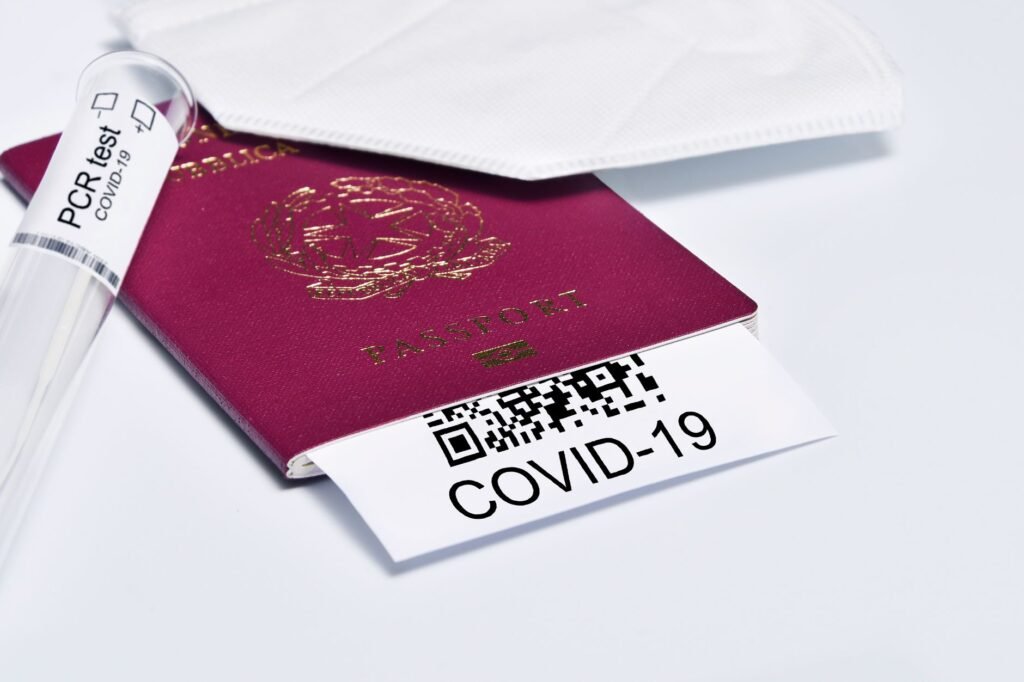
For those who need or prefer to travel by air, understanding the new norms of air travel is vital. Airlines have implemented various measures to ensure passenger safety. Here are key aspects to consider when flying:
- Health Protocols: Most airlines have adopted strict health protocols, including mandatory face masks, temperature checks at boarding, and enhanced cleaning of aircraft. Familiarize yourself with the specific measures your airline has in place.
- Booking Flexibility: Many airlines are offering flexible booking options, allowing travelers to change or cancel flights without hefty fees. This flexibility can be crucial in uncertain times.
- Destination Guidelines: Research the COVID-19 guidelines at your destination, including entry requirements such as testing or quarantine periods. Some destinations may have restrictions that could affect your travel plans.
Understanding these factors can help ease anxiety about flying and ensure a safer travel experience.
Train and Bus Travel: Alternatives to Air Travel
Train and bus services offer an alternative to air travel with fewer hassles. However, travelers should still consider safety measures:
- Social Distancing: Many train and bus companies are limiting passenger numbers to allow for social distancing. When booking, check how these measures are implemented and consider travel times.
- Hygiene Practices: Ensure that the service you choose follows strict hygiene protocols, such as regular cleaning and sanitization of vehicles.
- Traveling Off-Peak: Traveling during off-peak hours can also help reduce exposure to larger crowds.
An example of this could be taking a scenic train route through the countryside, allowing for a more relaxed pace and the chance to take in beautiful landscapes.
Staycation: Exploring Local Gems
If traveling far from home feels daunting, consider a staycation. This option allows you to explore local attractions while minimizing exposure:
- Local Attractions: Visit nearby parks, museums, or attractions that you might have overlooked. Many local sites have adapted to COVID-19 with timed entries and limited capacity.
- Support Local Businesses: Dining at local restaurants or shopping at nearby stores helps support your community while providing a change of scenery.
- Home-Based Activities: Consider activities like backyard camping, movie nights, or home cooking classes to make your staycation feel special.
A family might decide to explore their city’s hidden parks, trying out local eateries that offer outdoor dining. This not only keeps them safe but also allows them to discover new favorites in their own backyard.
Virtual Travel: Experiences from Home
For those who are not ready or able to travel physically, virtual travel has emerged as a popular alternative. Here are some ways to experience travel from home:
- Virtual Tours: Many museums, national parks, and historic sites offer virtual tours that allow you to explore without leaving your home. These tours often include expert narration and interactive elements.
- Cooking Classes: Join online cooking classes focused on cuisines from around the world. This can provide a cultural experience while learning new recipes.
- Travel Documentaries: Watching travel-themed documentaries or videos can inspire future trips and provide a glimpse into different cultures.
For example, someone might take a virtual tour of the Louvre Museum, exploring the artwork while learning about its history from the comfort of their living room.
Health and Safety Measures While Traveling
Regardless of the chosen mode of transportation, adhering to health and safety measures is essential to protect yourself and others. Here are some critical guidelines to follow:
- Vaccination: Getting vaccinated is one of the best ways to protect yourself and those around you. Check local vaccination requirements and recommendations before traveling.
- Mask Wearing: Always wear a mask in crowded spaces, including airports, train stations, and on public transport, to reduce the risk of transmission.
- Hand Hygiene: Carry hand sanitizer and wash your hands frequently, especially after touching surfaces or being in public spaces.
- Stay Informed: Regularly check updates from health organizations and local governments regarding COVID-19 guidelines and restrictions.
By following these measures, you can significantly reduce your risk of contracting or spreading the virus while traveling.

Travel Insurance: Understanding the New Landscape
Importance of Comprehensive Coverage
Travel insurance has become more crucial than ever in the context of the COVID-19 pandemic. Many travelers are now opting for comprehensive policies that cover not just trip cancellations but also medical expenses related to COVID-19. This includes coverage for testing, treatment, and even quarantine costs, which can add up quickly during international travel.
When selecting a travel insurance policy, it is vital to read the fine print carefully to understand what is included, especially regarding pandemic-related incidents. Look for policies that offer:
- Trip cancellation for COVID-19 related issues
- Emergency medical coverage for COVID-19
- 24/7 assistance services for emergencies
Types of Travel Insurance Policies
There are several types of travel insurance policies available, and choosing the right one can significantly impact your travel experience. Here are a few common types:
- Trip Cancellation Insurance: Reimburses non-refundable expenses if you have to cancel your trip due to covered reasons, including illness.
- Medical Insurance: Covers medical expenses incurred while traveling, which may include COVID-19 related treatment.
- Evacuation Insurance: Provides coverage for emergency evacuation if you contract COVID-19 in a country where medical facilities are limited.
Always compare policies and consider factors such as coverage limits, deductibles, and exclusions, especially concerning COVID-19.
How to File a Claim
Filing a claim can be daunting, but understanding the process beforehand can ease your mind. Here’s a simplified step-by-step approach:
- Gather Documentation: Collect all necessary documents, including receipts, proof of illness, and any relevant correspondence.
- Contact Your Insurance Provider: Reach out to your insurance company as soon as possible to initiate the claims process.
- Submit Your Claim: Fill out the required forms and submit your documentation as instructed by your provider.
- Follow Up: Keep track of your claim status and be prepared to provide additional information if requested.
Being proactive about these steps can help ensure a smoother claims process should the need arise.
Traveling with Pets: Safety and Regulations
Understanding COVID-19 Regulations for Pets
Traveling with pets during the COVID-19 pandemic requires careful planning and consideration of new regulations. Different countries have varying rules regarding pet entry, especially concerning health documentation. Before traveling, check the specific requirements related to:
- Vaccination certificates
- Microchipping
- Quarantine regulations
Some airlines and destinations may require additional health checks for pets, so ensure you have all necessary documentation ready to avoid complications.
Preparing Your Pet for Travel
Preparation is key to ensuring a safe and comfortable journey for your pet. Here are some steps to take:
- Consult Your Veterinarian: Schedule a check-up to ensure your pet is healthy enough for travel and to discuss any medications or vaccinations needed.
- Get a Comfortable Carrier: Invest in a sturdy and comfortable carrier that meets airline regulations, allowing your pet to move around a bit.
- Pack Essentials: Bring along food, water, leash, waste bags, and any comfort items like blankets or toys.
Taking these steps will help reduce stress for both you and your pet during the journey.
During Travel: Ensuring Safety
While traveling, it’s essential to prioritize your pet’s safety and well-being. Here are some tips to consider:
- Keep Your Pet Secure: Always keep your pet in their carrier or on a leash while in transit to prevent escapes.
- Maintain Hygiene: Regularly clean your pet’s carrier and keep their area free from waste and debris.
- Monitor Health: Keep an eye on your pet for any signs of stress or illness and be prepared to take appropriate action.
By being proactive, you can ensure a smoother travel experience for both you and your furry companion.
Alternative Accommodations: Unique Stays in a New Era
Choosing Vacation Rentals Over Hotels
As travelers seek safer alternatives to traditional accommodations, vacation rentals have surged in popularity. These properties often provide more privacy and control over the environment, which can be comforting during the pandemic. Unlike hotels, vacation rentals typically allow for self-check-in and provide amenities like kitchens, reducing the need for dining out.
When selecting a vacation rental, consider the following:
- Cleaning Protocols: Check if the owner follows enhanced cleaning protocols between stays.
- Cancellation Policies: Ensure that the cancellation policy is flexible in case travel plans change.
- Location: Choose a location that aligns with your travel goals, whether it be a remote retreat or a city escape.
Glamping: A Safe Outdoor Experience
For those looking to connect with nature while staying safe, glamping has become an appealing option. Glamping combines luxury with the great outdoors, offering unique accommodations like yurts, safari tents, and treehouses. This allows travelers to enjoy the beauty of nature without compromising comfort.
Benefits of glamping include:
- Reduced Crowd Exposure: Many glamping sites are located in remote areas, minimizing exposure to crowds.
- Access to Nature: Enjoy outdoor activities like hiking, fishing, or star-gazing right outside your door.
- Unique Experiences: Many glamping sites offer unique amenities such as outdoor kitchens, fire pits, and hot tubs.
Research glamping options in your desired destination to find the perfect fit for your adventure.
Staying with Friends or Family: The Benefits
Consider staying with friends or family as a safe and cost-effective alternative to traditional accommodations. This option allows you to maintain a familiar environment while reducing potential exposure to others. Here are some advantages:
- Familiarity: Staying with loved ones can provide comfort and reduce stress during uncertain times.
- Shared Resources: You can share expenses, meals, and even activities, making this option more economical.
- Control Over Environment: You can maintain control over hygiene and safety practices better than in a public hotel.
Communicate openly with your host about health and safety practices to ensure everyone feels comfortable during your stay.
Frequently Asked Questions
What should I consider before planning travel during COVID-19?
Before planning your travel, consider your health status, vaccination status, local COVID-19 rates, and the safety measures in place at your destination.
Are there any specific travel restrictions I should be aware of?
Travel restrictions vary by location. Check the latest guidelines from local authorities and health organizations regarding entry requirements and restrictions.
What modes of transport are safest during the pandemic?
Road trips by personal vehicle are generally considered the safest. Air travel and train travel can also be safe if proper precautions are taken, such as wearing masks and maintaining social distance.
How can I stay safe while traveling?
To stay safe, follow health guidelines, wear masks, practice good hygiene, and avoid crowded places. Consider the health and safety protocols of your transportation and accommodation options.
The Bottom Line
Traveling during COVID-19 presents unique challenges, but with careful planning and adherence to safety measures, there are still many options available. Whether you choose to explore locally through road trips and staycations, venture out with air or train travel, or experience virtual travel from home, it is essential to prioritize health and safety. Stay informed about guidelines and adapt your plans as needed to ensure a safe and enjoyable experience.
Visa rules, prices and opening times change. Always confirm details with official sources before you travel.