Traveling to Europe for the first time is a thrilling experience filled with history, art, food, and breathtaking scenery. Yet, one of the biggest challenges for first time visitors is knowing what to pack. Europe’s diverse climates, cobblestone streets, and cultural expectations can make packing a bit tricky. Pack too much and you will struggle with heavy luggage across train stations and narrow hotel staircases. Pack too little and you may find yourself scrambling to buy essentials in an unfamiliar city.
- Pack for seasons and regions: lightweight layers for spring, breathable summer clothes, warm coat for winter, waterproof jacket for rainy areas.
- Choose versatile, neutral clothing and comfortable shoes for walking on cobblestones, plus a dressier pair for evenings.
- Organize documents: passport valid six months, visas, printed and digital insurance, tickets, multiple payment methods, and RFID travel wallet.
- Bring essential electronics: universal power adapter, portable charger, SIM or eSIM plan, and a compact camera with spare battery.
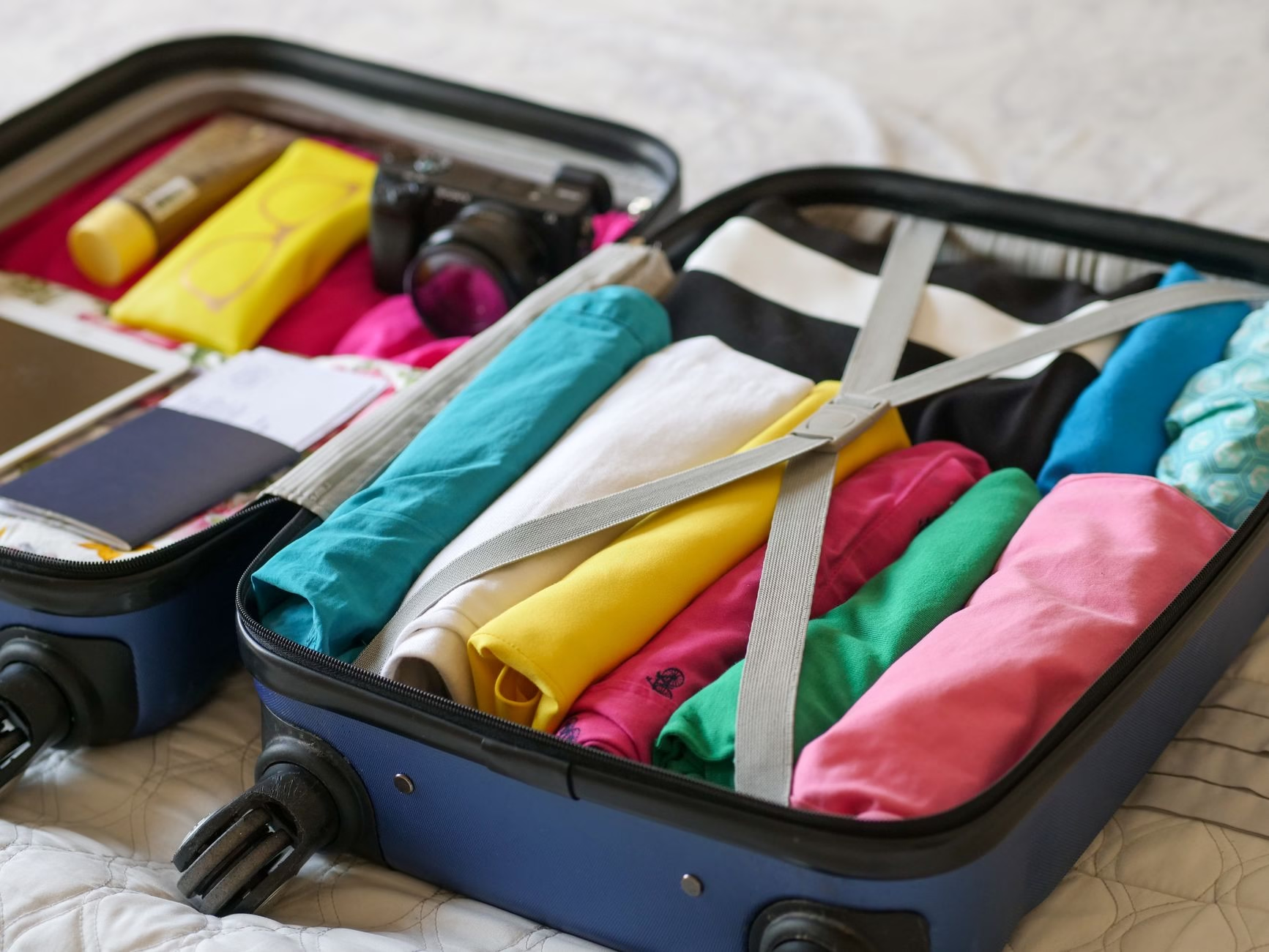
- Pack smart: medium wheeled suitcase or sturdy backpack, packing cubes, roll clothes, small daypack, and room for souvenirs.
This comprehensive guide is designed to simplify that process. It covers everything you need to pack — from adaptable clothing and practical accessories to vital documents and tech essentials. Each section explains not just what to pack, but why it matters, helping you prepare smartly and travel confidently across Europe.
Understanding Europe’s Seasons and Regional Variety
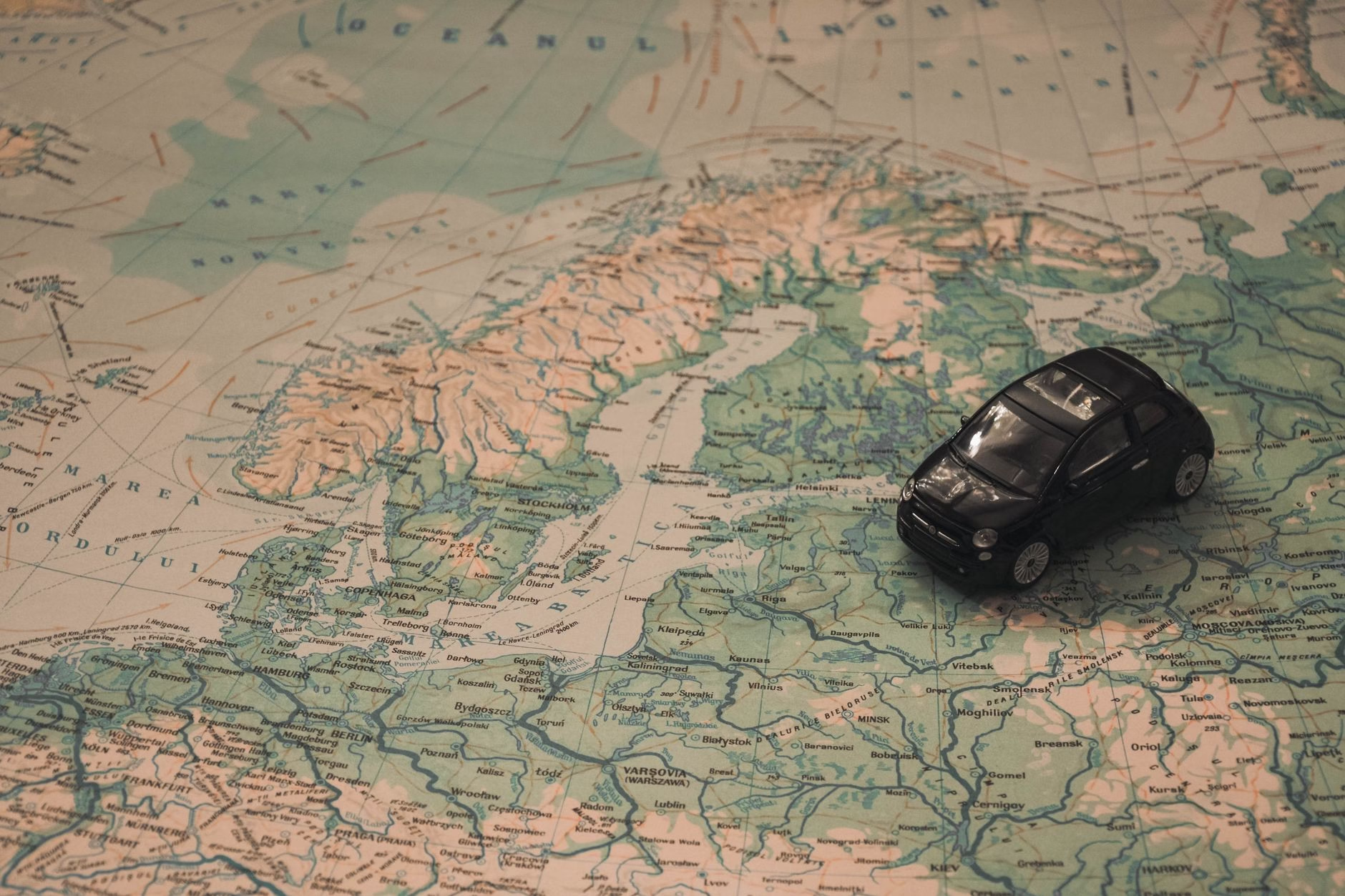
Europe is not a “one suitcase fits all” destination. Its weather and travel styles vary as much as its cultures. What you pack for spring in Paris is entirely different from a winter escape to Prague or summer in Santorini.
- Spring (March to May): Temperatures vary greatly between northern and southern Europe. Lightweight layers are key. You might need a waterproof jacket in London but only a cardigan in Rome.
- Summer (June to August): Expect warm weather almost everywhere, though air conditioning is not as common as in North America. Breathable clothing, sun protection, and a hat will keep you comfortable.
- Autumn (September to November): Milder temperatures and a mix of sun and showers make this season perfect for layering.
- Winter (December to February): Northern and Central Europe can be cold and snowy, while Southern Europe stays relatively mild. Warm coats, scarves, and gloves are essential for colder areas.
Knowing your destinations and their seasonal patterns will help you pack selectively and avoid carrying unnecessary weight.
Clothing Essentials for Every European Adventure
Europe invites a mix of stylish yet comfortable dressing. Locals tend to dress neatly even for casual days, and respecting local fashion will help you blend in while remaining practical.
Key outfit principles:
- Layering is your best friend. Plan combinations that work for different temperatures and occasions.
- Versatile, neutral colors make mixing and matching easier. Black, white, navy, and beige never fail in Europe.
- Smart casual attire works across much of Europe, fitting in from a café in Vienna to a gallery visit in Madrid.
Specific recommendations:
- Tops: Pack a mix of short and long sleeve options. Breathable cotton or performance fabrics help regulate temperature.
- Bottoms: A pair of jeans, a comfortable pair of trousers, and one lighter option such as linen pants or a skirt for warmer destinations.
- Outerwear: A light waterproof jacket for spring or fall, and a warmer coat for winter travel.
- Shoes: Bring one pair of sturdy walking shoes for sightseeing, and one slightly dressier pair for evenings. Comfort is key, as many European cities involve walking on cobblestones or climbing stairs.
- Accessories: Scarves are not only fashionable but practical. They can dress up a simple outfit or provide added warmth on cooler evenings.
Toiletries and Personal Care
European drugstores are well stocked, but familiar brands may not be available—or may come at higher prices. Avoid unnecessary purchases abroad by packing the essentials in travel sized containers.
Essential toiletries include:
- Toothbrush, toothpaste, and floss
- Shampoo and conditioner (solid bars can save space and avoid liquid limits)
- Deodorant and skincare products suited to your skin type
- Razor and shaving essentials
- Basic makeup kit and sunscreen (vital even in cooler months)
Remember that liquids in carry on luggage must follow the 100 milliliter rule and fit into a one liter transparent bag. Keeping toiletry storage organized helps you glide through airport security smoothly.
Documents and Travel Essentials
Never overlook the administrative side of packing. Having your documents well organized ensures a smooth journey through customs, check ins, and border crossings.
Essential items include:
- Passport: Verify that it is valid for at least six months beyond your travel dates.
- Visas and travel insurance: Depending on your nationality and where you are traveling within Europe, you may need a visa. Always carry printed and digital copies of your travel insurance policy.
- Tickets and reservations: Keep digital copies of your hotel confirmations, train passes, and activity bookings stored securely on your phone or cloud storage.
- Money management: Bring a mix of payment methods. Credit cards are widely accepted, but it’s smart to carry some euros or local currency for small purchases.
- Travel wallet: A slim, RFID blocking wallet or document organizer can help keep everything safe and easily accessible.
Electronics and Useful Technology
Modern travel relies heavily on technology, but packing wisely helps avoid clutter and loss.
Essential electronics:
- Universal power adapter: Europe uses multiple plug types, so a universal adapter is indispensable.
- Portable charger: Long sightseeing days can quickly drain your battery, especially if you use your phone for navigation or photography.
- SIM card or eSIM plan: Staying connected is vital for directions, translations, and bookings. Many travelers find it affordable to purchase a local prepaid SIM upon arrival.
- Camera gear: If photography is part of your journey, bring a lightweight camera with an extra battery and memory card.
Make sure all cables and accessories are neatly stored in a small tech pouch for quick access and to avoid tangles in your luggage.
Health and Safety Items
A small, well prepared health kit can make travel more comfortable and save you time looking for pharmacies abroad.
Include:
- Basic first aid items like bandages, pain relievers, and antiseptic wipes
- Prescription medications in original containers, with copies of prescriptions in case of questions at customs
- Motion sickness or allergy tablets if you are prone to them
- Hand sanitizer and antibacterial wipes
- Reusable face mask for areas with high crowds or as required by airline guidelines
Always keep medications in your carry on luggage, never in checked baggage.
Smart Packing Strategy and Luggage Tips
Efficient packing is not just about what you bring, but how you organize it.
Start with the right luggage: A medium sized wheeled suitcase or a sturdy travel backpack is ideal for a multi city European trip. Cobbled streets and train travel mean you want something lightweight yet durable.
Use packing cubes: They keep items sorted and make it easy to find what you need quickly.
Roll your clothes instead of folding: This saves space and reduces wrinkles.
Keep a small daypack: Useful for daily excursions, carrying water, maps, snacks, and a light jacket.
Lastly, always leave a little space for souvenirs such as local wines, handmade ceramics, or artisan chocolates.
Final Thoughts
Packing for Europe as a first time traveler is about strategy, not just quantity. Every item should serve a purpose, provide comfort, or enhance your travel experience. By selecting versatile clothing, organizing documents properly, and keeping essentials accessible, you can focus less on your luggage and more on the magic of Europe’s history, architecture, and daily rhythm.
Thoughtful packing means traveling lighter, moving freely, and fully immersing yourself in every city square, café, and museum you encounter.
Further Reading
3 Day Istanbul Itinerary for First Time Visitors
Travel to Somalia; How I Traveled to Mogadishu
Free Family Things to do in Chicago Today
How to Spend Four Days in Hong Kong