Best Thailand Itineraries: Your Guide to Unforgettable Adventures
Explore the best Thailand itineraries to maximize your travel experience with practical tips and highlights of this beautiful country.
Thailand, often referred to as the “Land of Smiles,” is a popular destination for travelers seeking a mix of culture, adventure, and relaxation. With its stunning beaches, vibrant cities, and rich history, there’s no shortage of experiences waiting to be discovered. This guide will explore the best Thailand itineraries, helping you plan the perfect trip that caters to your interests and the length of your stay.
Whether you’re a first-time visitor or a seasoned traveler returning to Thailand, having a well-structured itinerary can make your journey more enjoyable and efficient. From the bustling streets of Bangkok to the tranquil islands in the south and the lush mountains in the north, Thailand offers a variety of landscapes and activities to suit every type of traveler.
In this article, we’ll provide several itineraries ranging from a quick week-long visit to a comprehensive exploration over two weeks or more. You’ll find practical tips, must-see attractions, and insights into the best times to visit, ensuring you have all the information you need for your adventure.
7-Day Thailand Itinerary: Highlights of Bangkok and Chiang Mai
This week-long itinerary is perfect for travelers who want to experience the highlights of Thailand without feeling rushed. It combines the energetic vibe of Bangkok with the cultural richness of Chiang Mai.
Day 1: Arrival in Bangkok
Fly into Bangkok, where you can settle into your hotel and explore the local area. Consider visiting the bustling Khao San Road for a taste of street food and nightlife.
Day 2: Bangkok Temples and Grand Palace
Spend your day visiting some of Bangkok’s most iconic attractions, including Wat Phra Kaew (Temple of the Emerald Buddha) and the Grand Palace. In the afternoon, take a boat ride along the Chao Phraya River.
Day 3: Floating Markets and Cooking Class
Visit the Damnoen Saduak Floating Market in the morning for an authentic experience. In the afternoon, join a cooking class to learn how to prepare classic Thai dishes.
- Tip: The floating market is best visited early in the morning to avoid crowds.
Day 4: Travel to Chiang Mai
Take a morning flight to Chiang Mai. After checking in, visit the Old City to see ancient temples like Wat Phra Singh and Wat Chedi Luang.
Day 5: Elephant Sanctuary Visit
Spend the day at an ethical elephant sanctuary where you can learn about elephant conservation and interact with these gentle giants in a responsible way.
Day 6: Doi Suthep and Local Markets
In the morning, hike or take a taxi up to Doi Suthep to visit the temple and enjoy panoramic views of the city. Spend the evening exploring Chiang Mai’s night markets for souvenirs and street food.
Day 7: Departure
Depending on your flight schedule, you might have time for last-minute shopping or sightseeing before heading to the airport.
10-Day Thailand Itinerary: Bangkok, Chiang Mai, and Islands
This itinerary expands on the previous one, adding a visit to Thailand’s spectacular islands for some beach time.
Days 1-3: Bangkok
Follow the same itinerary for the first three days as outlined above.
Day 4: Travel to Chiang Mai
Fly to Chiang Mai and spend your day visiting the Old City as described in the 7-day itinerary.
Day 5: Elephant Sanctuary Visit
Spend the day at a sanctuary, similar to the previous itinerary, ensuring you have a meaningful interaction with elephants.
Day 6: Explore Chiang Mai
In addition to Doi Suthep, consider taking a day trip to the nearby town of Pai, known for its natural beauty and relaxed atmosphere.
Days 7-10: Island Hopping in the South
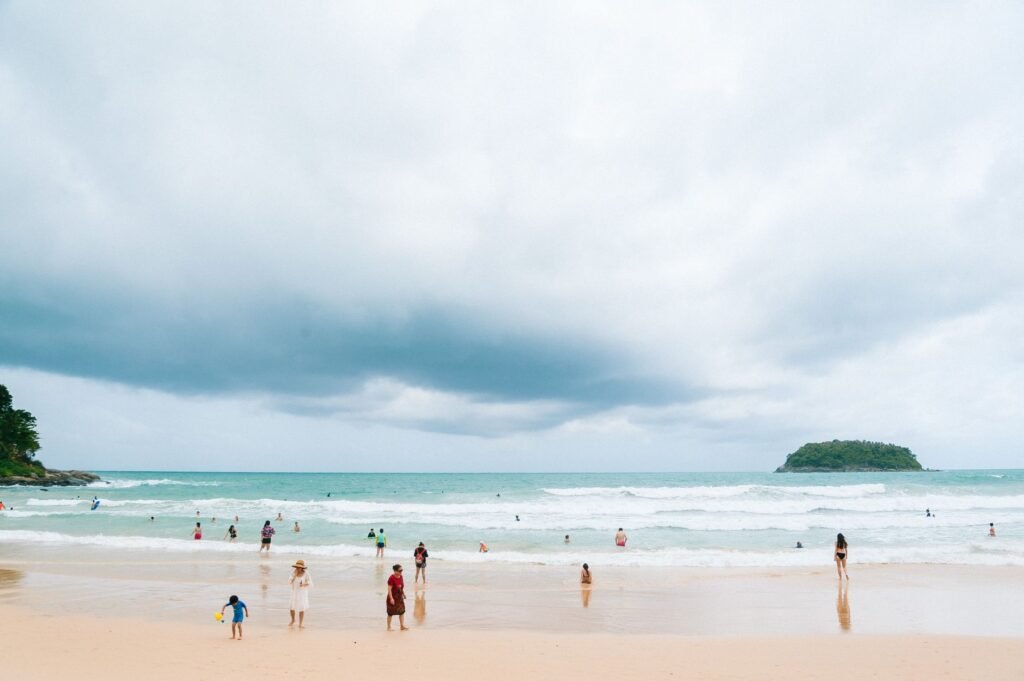
Fly from Chiang Mai to either Phuket or Krabi. Spend your days relaxing on stunning beaches, exploring nearby islands (like the Phi Phi Islands), and enjoying water activities such as snorkeling or diving.
- Consider taking a boat tour to explore the islands.
- Try local seafood at beachfront restaurants.
14-Day Thailand Itinerary: Comprehensive Exploration
This itinerary is designed for those who want to delve deeper into Thailand’s diverse regions and experiences.
Days 1-4: Bangkok
Start in Bangkok, following the initial days of the shorter itineraries. Be sure to explore different neighborhoods, like Chinatown and Thonburi, for a more local feel.
Days 5-6: Ayutthaya Day Trip
Take a day trip to Ayutthaya, the former capital of Thailand, to explore its ancient ruins and UNESCO World Heritage Sites.
Days 7-9: Chiang Mai and Northern Thailand
Fly to Chiang Mai and spend a couple of days visiting local markets and taking part in a traditional northern Thai cooking class.
Days 10-11: Pai or Chiang Rai
Consider traveling to Pai for its natural beauty or Chiang Rai to see the famous White Temple (Wat Rong Khun).
Days 12-14: Southern Islands
Conclude your trip by flying down to the southern islands, spending time in Koh Samui or Koh Phi Phi, and soaking in the sun and sea before heading home.
Best Time to Visit Thailand
Understanding the best time to visit Thailand can significantly enhance your travel experience. The country has three main seasons: hot, rainy, and cool.
Cool Season (November to February)
This is considered the best time to visit Thailand, especially for outdoor activities. The weather is cooler and drier, making it ideal for exploring temples, markets, and beaches.
Hot Season (March to May)
Temperatures can soar during these months, particularly in Bangkok and the north. While it’s still possible to visit, planning indoor activities during the hottest parts of the day is advisable.
Rainy Season (June to October)
This season brings monsoon rains, but you can still find good deals on accommodations and fewer tourists. Rain usually comes in the form of short, heavy showers, allowing plenty of time for sightseeing in between.
Travel Tips for Thailand
Traveling in Thailand can be a rewarding experience when you are prepared. Here are some practical tips to enhance your trip:
- Currency: The local currency is the Thai Baht (THB). It’s advisable to carry cash, especially in smaller towns and markets.
- Transportation: Use public transportation like the BTS and MRT in Bangkok to avoid traffic. For longer distances, consider domestic flights or trains.
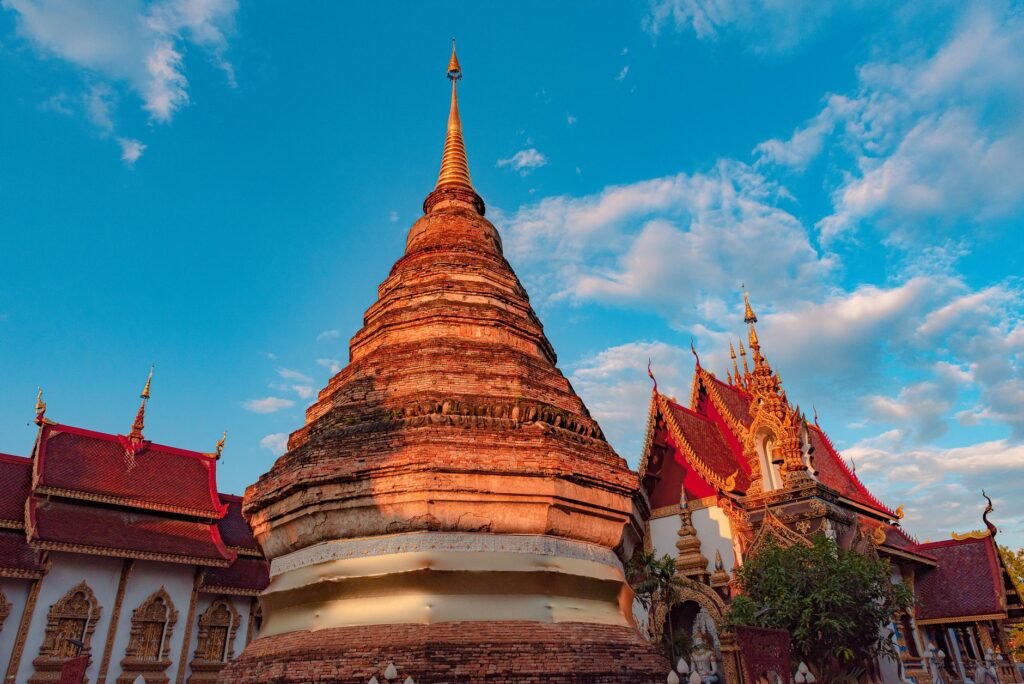
- Etiquette: Be respectful of local customs, especially when visiting temples. Dress modestly and remove shoes when entering sacred sites.
- Health and Safety: Make sure to drink bottled water and consult with a healthcare professional regarding vaccinations before traveling.
Essential Thai Cuisine: A Culinary Journey
Exploring Street Food
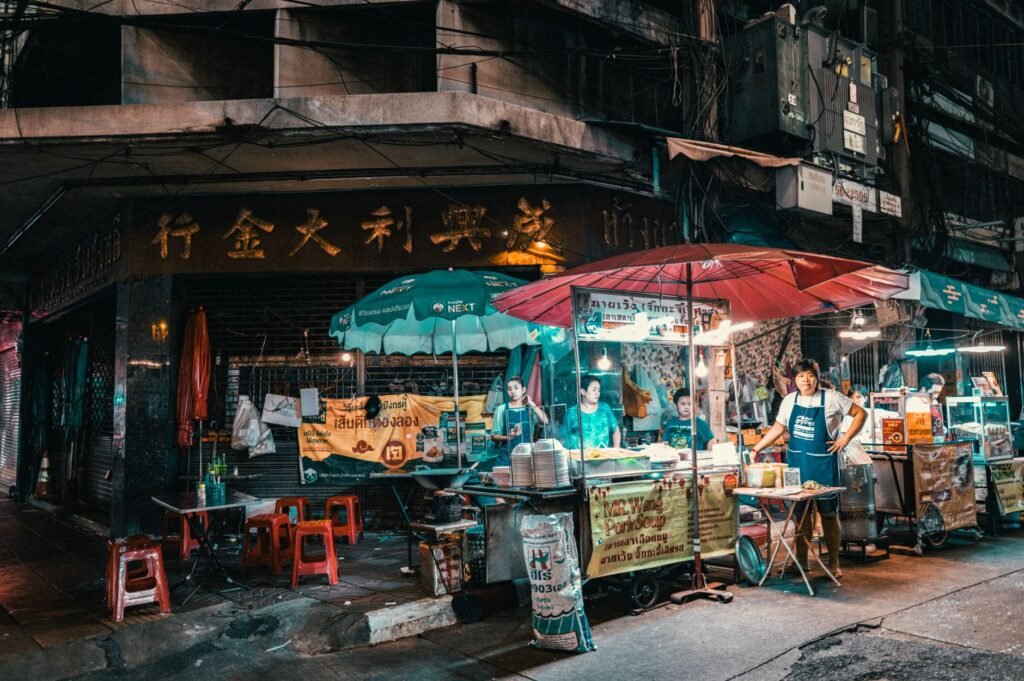
Thailand is renowned for its vibrant street food scene, which offers an authentic taste of local culture and flavors. From bustling night markets to roadside stalls, the variety of dishes available is staggering. Some popular street foods you must try include:
- Pad Thai: Stir-fried rice noodles with shrimp, chicken, or tofu, topped with crushed peanuts and lime.
- Som Tum: A spicy green papaya salad that packs a punch with its mix of chili, lime, and fish sauce.
- Khao Soi: A northern specialty, this coconut curry noodle soup is a must-try in Chiang Mai.
- Satay: Grilled skewers of marinated meat served with a rich peanut sauce.
While indulging in street food, remember to check for busy stalls, as they often indicate freshness and popularity among locals. Additionally, don’t hesitate to ask vendors for their recommendations!
Dining Experiences Beyond Borders
Thailand’s culinary landscape is not limited to traditional dishes; it also includes influences from neighboring countries. Many Thai restaurants feature fusion cuisine, incorporating elements from Chinese, Indian, and even Western culinary traditions. Consider trying:
- Massaman Curry: A Thai dish with Persian roots, featuring tender meat slow-cooked in coconut milk with spices and peanuts.
- Green Curry Pizza: A unique fusion dish combining flavors from both Thai and Italian cuisines.
- Tom Yum Risotto: A creative take on the classic Italian dish, infused with the zesty flavors of Tom Yum soup.
Experiencing these fusion dishes not only broadens your palate but also provides insight into how Thai culture has evolved through culinary exchanges.
Cooking Classes: Learn and Taste
For those keen on immersing themselves in Thai cuisine, participating in a cooking class can be a highlight of your trip. Many classes offer a market tour, where you can learn about local ingredients before preparing your own meal. Look for classes that offer:
- Hands-on Experience: Choose classes that allow you to cook alongside experienced chefs, ensuring personalized guidance.
- Small Group Sizes: Opt for smaller classes to receive more attention and share the experience with fellow food enthusiasts.
- Authentic Recipes: Select classes that focus on traditional recipes, giving you a taste of home-cooked Thai meals.
By the end of the class, you will not only enjoy a delicious meal but also take home valuable skills to recreate your favorite Thai dishes.
Adventure Activities: Thrilling Experiences in Thailand
Outdoor Excursions in National Parks
Thailand’s diverse landscapes offer numerous opportunities for adventure seekers. Exploring the national parks is a fantastic way to enjoy the natural beauty and engage in outdoor activities. Some must-visit parks include:
- Khao Sok National Park: Known for its stunning limestone cliffs and dense rainforest, this park offers hiking, canoeing, and wildlife spotting.
- Chiang Mai’s Doi Inthanon: The highest peak in Thailand is perfect for trekking, with breathtaking views and opportunities to see rare flora and fauna.
- Khao Yai National Park: A UNESCO World Heritage site, it features waterfalls, hiking trails, and the chance to see elephants in the wild.
When visiting national parks, be sure to follow local guidelines to protect the environment and wildlife. Guided tours can enhance your experience, providing expert knowledge about the ecosystem.
Water Sports and Island Adventures
Thailand’s islands are not only known for their stunning beaches but also for their thrilling water sports. Whether you are a beginner or an experienced enthusiast, you can find activities that suit your skill level. Some popular options include:
- Scuba Diving: Explore the underwater paradise at sites like Koh Tao or the Similan Islands, where vibrant coral reefs and diverse marine life await.
- Kayaking: Paddle through the limestone karsts of Phang Nga Bay or explore the mangroves of Krabi.
- Surfing: Head to spots like Kuta Beach in Bali or Phuket for great surf conditions.
Always prioritize safety by choosing reputable operators and checking equipment before participating in any activities. Many locations also offer lessons for beginners.
Elephant Sanctuary Visits
Thailand is famous for its elephants, and visiting a sanctuary can be a rewarding experience. Unlike traditional elephant rides, ethical sanctuaries focus on the welfare and rehabilitation of these gentle giants. When planning your visit, look for:
- Reputable Sanctuaries: Research and choose facilities that prioritize the well-being of elephants and promote ethical tourism.
- Hands-On Experiences: Many sanctuaries offer opportunities to feed, bathe, and learn about elephant care.
- Conservation Efforts: Support organizations that engage in conservation and rescue efforts to protect elephants from exploitation.
Such visits provide a unique chance to connect with these magnificent creatures while supporting ethical practices.
Unique Cultural Experiences in Thailand
Festivals and Celebrations
Experiencing local festivals is a fantastic way to immerse yourself in Thai culture. Throughout the year, numerous celebrations highlight the rich traditions and customs of Thailand. Some notable festivals include:
- Songkran: The Thai New Year celebrated in April with water fights and religious ceremonies.
- Loi Krathong: Known as the Festival of Lights, celebrated in November with beautiful floating lanterns on rivers.
- Yi Peng: A lantern festival in Chiang Mai, where thousands of lanterns are released into the night sky.
Participating in these festivals not only provides entertainment but also deepens your understanding of Thai culture and community values.
Traditional Thai Arts and Crafts
Thailand is home to various traditional arts and crafts, which reflect the country’s cultural heritage. Engaging in workshops or visiting artisan villages can offer a unique perspective on Thai craftsmanship. Consider exploring:
- Silk Weaving: Visit the Jim Thompson Farm in Nakhon Ratchasima to learn about silk production and weaving techniques.
- Pottery Making: Take a pottery class in Koh Kret, where you can learn about traditional Thai pottery.
- Wood Carving: Discover the intricate art of wood carving in Chiang Mai, where skilled artisans create beautiful sculptures.
Participating in these workshops allows you to create your own souvenirs while supporting local artisans.
Temple Visits and Spiritual Experiences
Visiting Thailand’s temples offers a glimpse into the country’s spiritual life and architectural beauty. Each temple has its own unique history and significance. When planning temple visits, consider:
- Dress Code: Ensure you dress appropriately, covering shoulders and knees, as a sign of respect.
- Learning Opportunities: Engage with monks or guides to gain deeper insights into Buddhist practices and beliefs.
- Photography Etiquette: Be respectful when taking photos, especially in sacred areas; ask for permission if unsure.
Some must-visit temples include Wat Pho in Bangkok, home to the reclining Buddha, and Wat Doi Suthep in Chiang Mai, which offers stunning views and rich history.
Frequently Asked Questions
What are the must-see attractions in Thailand?
Some must-see attractions include the Grand Palace in Bangkok, the ancient ruins of Ayutthaya, the elephant sanctuaries in Chiang Mai, and the beautiful beaches of the southern islands.
Is Thailand safe for tourists?
Thailand is generally safe for tourists. However, it’s always wise to stay vigilant, avoid isolated areas at night, and keep an eye on your belongings.
What is the best way to get around Thailand?
In cities, use public transport like buses, taxis, and tuk-tuks. For longer distances, domestic flights or trains are recommended for convenience and speed.
Do I need a visa to visit Thailand?
Visa requirements vary based on your nationality. Many countries enjoy visa exemption for stays up to 30 days. Check with your local Thai embassy for specific details.
The Bottom Line
Thailand offers a wealth of experiences for travelers, and with the right itinerary, you can explore its vibrant culture, breathtaking landscapes, and mouthwatering cuisine. Whether you have a week or two to spare, there’s a Thailand itinerary that will help you make the most of your journey, ensuring unforgettable memories that will last a lifetime.
Visa rules, prices and opening times change. Always confirm details with official sources before you travel.